
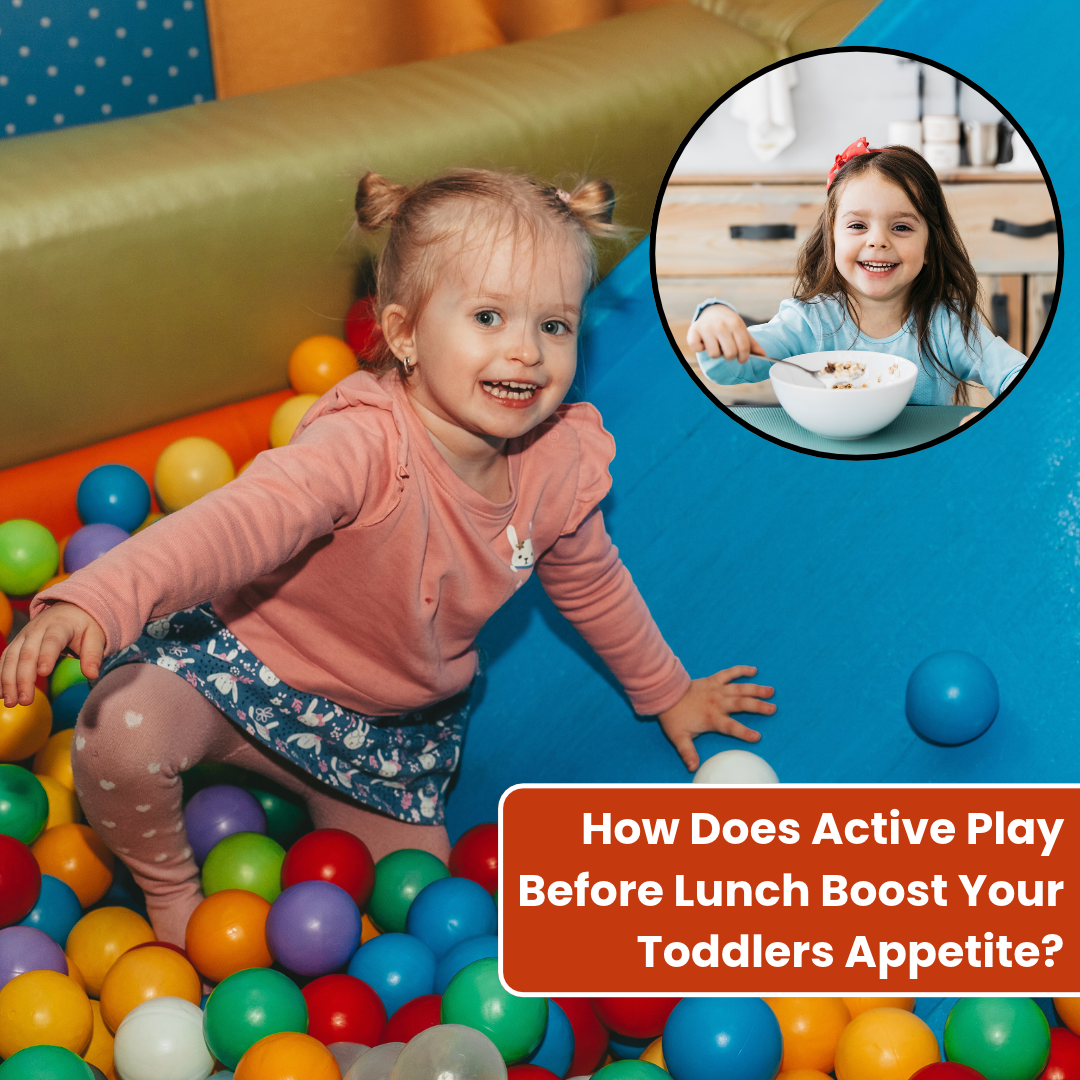
Active play can make a difference when your toddler refuses to eat, even when lunch is ready and waiting. Lunch is on the table. The pasta is just the right temperature. The cup is full. And your toddler wants to go back to the toy box. It's a very familiar scene, and it often ends with a cold plate and a sigh. Many parents quietly wonder if the morning went wrong. Maybe there was too much sitting. Maybe too little running about.
That's where soft play comes in. When toddlers crawl, climb and chase, they use up energy.
Table of Contents
A child who has moved a lot may feel more ready for food when lunch arrives. It's not a magic switch, and no honest article should say it is. But it's a simple habit that costs very little and gives your child plenty besides.
Below, you'll find how it works, which activities suit ages 1 to 3, and how to move calmly from play to plate. We'll also look at what to do on the days when lunch still gets refused.
Does Active Play Before Lunch Help Toddlers Feel Hungry?
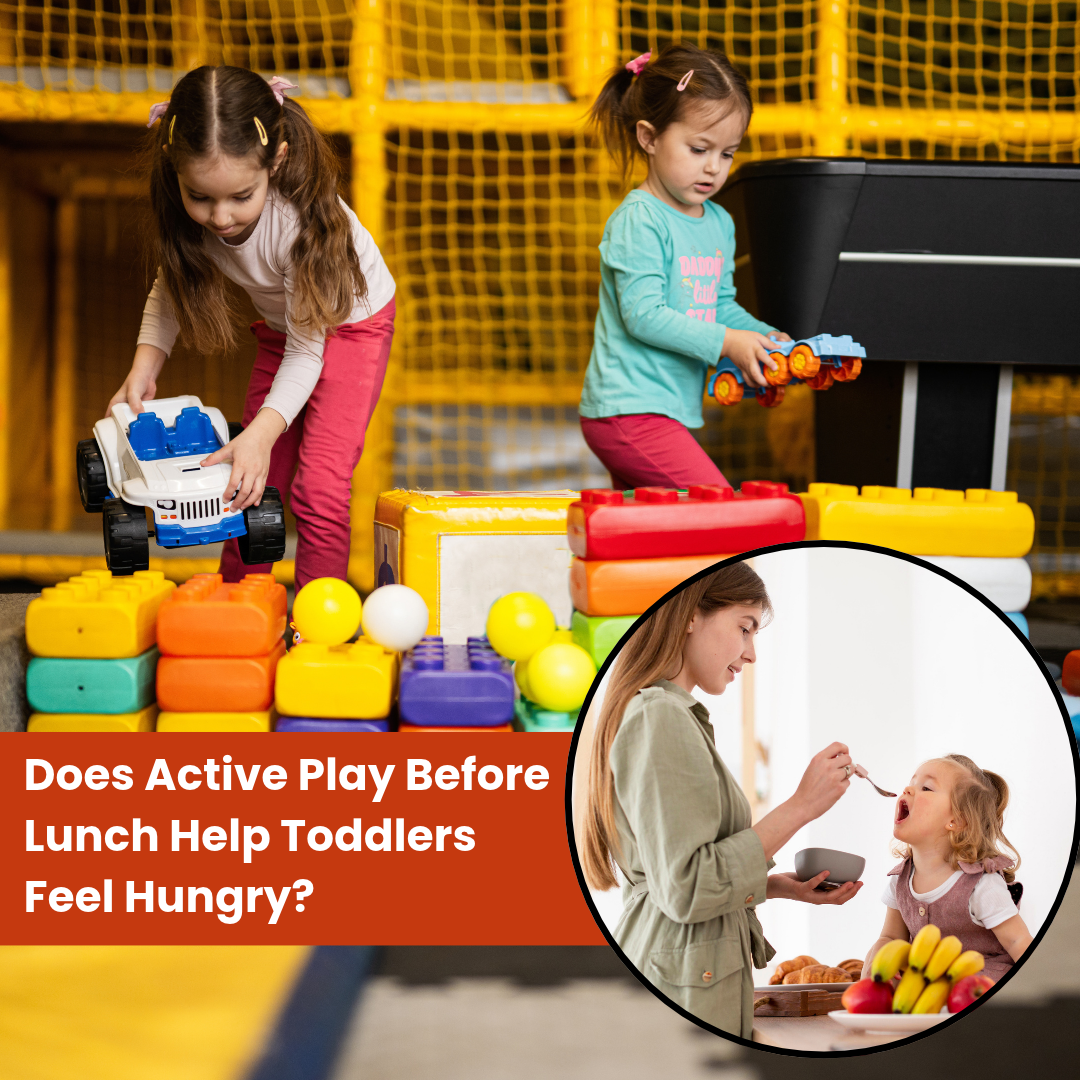
It can. Active play, including indoor play activities for kids, uses energy, so a toddler who has moved around a lot may feel hungrier by lunchtime. But appetite changes from child to child and from day to day. Movement may help, yet it can't promise a bigger meal.
Some days your toddler will eat like a farmhand after an hour of play. Other days they'll pick at one cube of cheese. Both are normal.
Movement Uses Energy, and Toddlers Have Plenty
Think about what a busy toddler does. They crawl, cruise along the sofa, squat, stand up, fall down and do it all again. That's a real workout for small legs.
NHS guidance says toddlers aged 1 to 2 should be active for at least 180 minutes a day, spread through the day, including outdoors. That sounds like a lot. In practice, it includes light movement such as standing, rolling and pottering about, not just racing around. So a lively morning fits easily into the day.
A Predictable Routine Helps Them Know What's Coming
Toddlers love patterns. If every day goes "play, wash hands, sit down, lunch", they begin to read the signals. After a few weeks, the sight of the sink may be enough to tell them food is next.
That calm rhythm can matter as much as the movement itself. A child who knows what's coming often feels safer at the table.
Let Them Lead: Free Play Beats Forced Exercise
You don't need a timetable or a "workout". Toddlers move best when they're curious and having fun. Put out a tunnel, a few soft balls or a low climbing step, then let them decide what to do. Join in if they invite you, but don't turn it into a lesson.
Pressure takes the joy out of play. And joy is what keeps them moving.
Play Ideas for Toddlers
Soft Play for Toddlers
When it's cold, wet, or you simply need a change of scene, a soft play centre with dedicated soft play zones for kids can work well. Soft tunnels encourage crawling. Low steps and gentle slopes invite climbing. Ball pits tempt little hands to reach, scoop and throw. Everything is padded, which helps you relax a little.
Soft play also offers something the living room can't. It gives your toddler space and variety, so they keep moving without being asked.
Safety first: Choose equipment that suits your child's age and ability. Follow the venue's rules, use any areas marked for younger children, and stay close. Close adult supervision is part of every play session, indoors or out.
How to Plan a Morning Before Lunch?

Here's the part many parents miss. Energy gets a toddler hungry. Calm gets them to the table. You need both.
You don't need to pack the morning. A fun hour or so of movement is often enough, and you can adjust it for your child. Here's a simple routine to try. Treat it as a guide, not a rule.
Breakfast and gentle play. Start the day at your own pace.
Active play. Head to the park, play at home or visit a soft play session. Let your toddler set the speed.
Wind down. Spend 10 to 15 minutes on something quiet, such as a book, a cuddle or a little puzzle.
Wash hands. Make it a fun, regular job. A song helps.
Sit down for lunch. Offer a familiar, balanced meal at roughly the same time each day.
Let them lead. You decide what to offer. They decide how much to eat.
How Long Should Toddlers Play Before Lunch?
There's no magic number. Age, sleep, mood and energy all play a part. A one-year-old may manage a short burst, while a three-year-old may go on much longer. If you're planning a visit to Wonderland Play, let your child's energy levels guide how long they explore and play. Watch your child, not the clock. If they're still happy and curious, carry on. If they're drooping, move on to the wind-down.
Signs Your Toddler Needs a Break
Rest is part of a healthy play routine. Look out for:
Yawning or rubbing their eyes
Unusual grumpiness
Losing interest in things they usually love
Asking to be picked up or sitting down a lot
An overtired toddler often refuses food, however active they've been. A quiet break, a drink of water and a calm cuddle may help them reset.
What if Your Toddler Still Refuses Lunch After Playing?
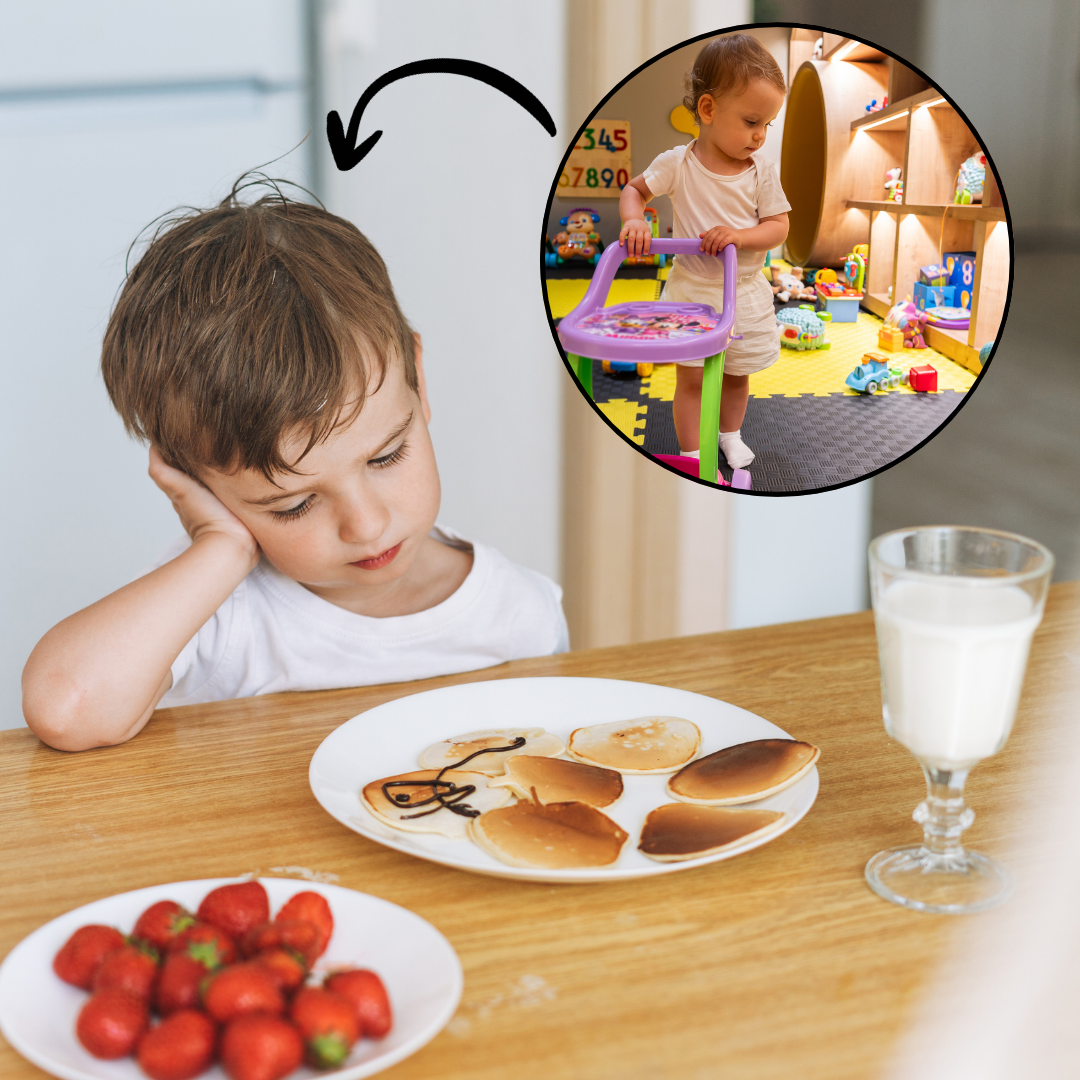
First, take a breath. It happens in nearly every family. Fussy eating and food refusal are described as a completely normal phase that most toddlers go through. Play isn't a cure, and nobody has done anything wrong.
Skip the Pressure
Coaxing, bargaining and "just one more bite" tend to backfire. Offer a sensible portion, let them ask for more, and keep your tone relaxed. Take the plate away calmly if they're done. Another meal or snack will come soon enough. Toddlers often eat very little for a few days, then eat well again.
Check Snacks, Drinks and Timing
Sometimes the answer isn't about play at all. Ask yourself:
Did they have a big snack close to lunch?
Have they had a lot of milk or juice, which can fill small tummies?
Is lunch too early or too late for their body clock?
Are they tired, distracted or unsure about a new food?
Small changes, such as moving a snack earlier, may make a difference.
When to Speak to a Professional
Skipped meals now and then are common. However, speak to your health visitor or GP if your toddler eats very little for a long time, seems unwell, shows poor growth or weight loss, or doesn't seem to drink enough. This article is general guidance, not personal medical advice, and play isn't a treatment for feeding difficulties.
How a Soft Play Zone May Help Build Your Toddler’s Appetite?
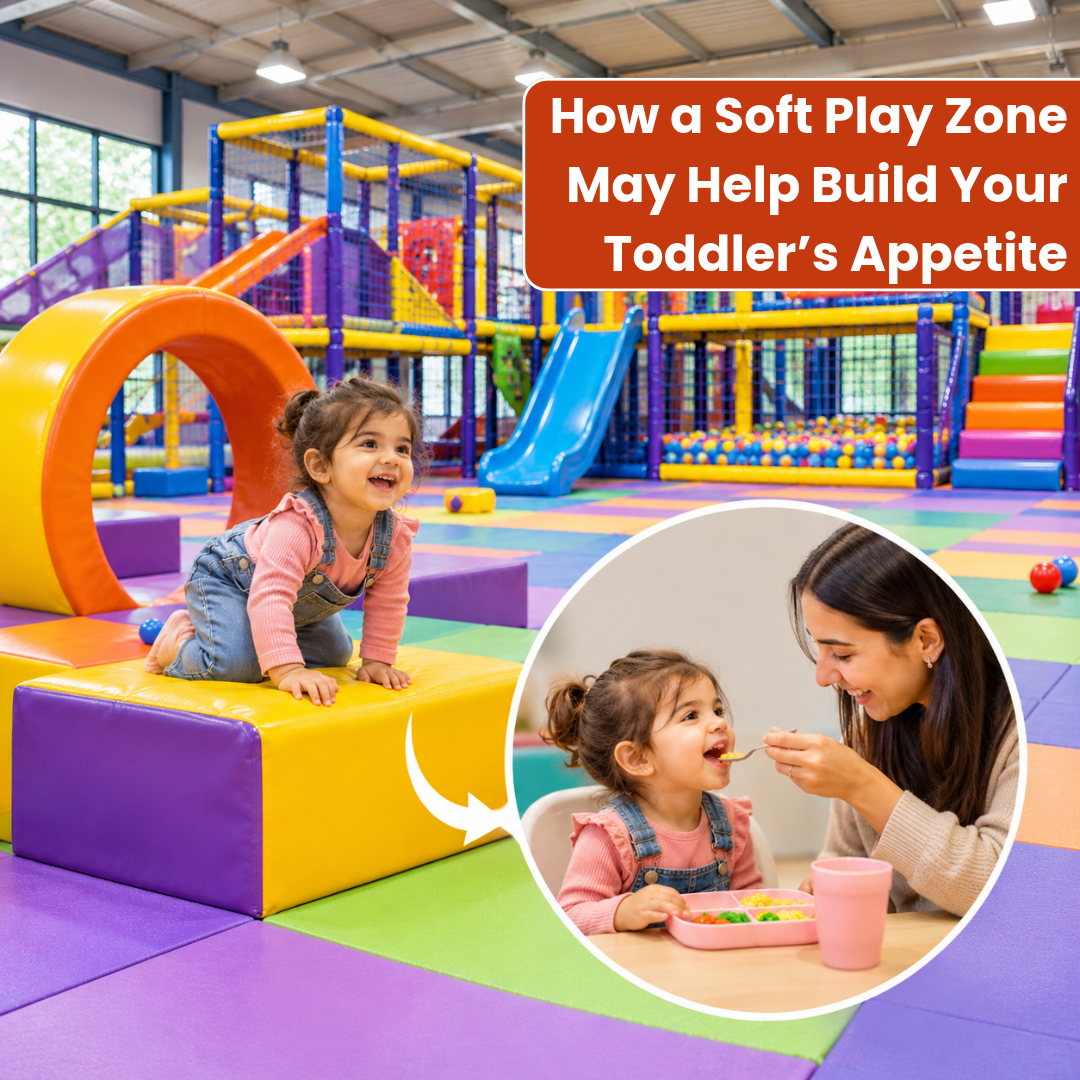
A soft play centre in Exeter can’t make a toddler eat. What it can do is make movement easy, and movement is what may help little ones feel ready for lunch. Here’s why this type of setting works so well.
Everything Invites Movement
At home, you often have to start the game. At Soft Play, the space does it for you. A tunnel says “crawl”. A low step says “climb”. A ball pit says “scoop and throw”. Toddlers keep moving because they’re curious, not because anyone asked. That steady, child-led activity is exactly the kind that uses up energy.
Different Kinds of Movement in One Visit
In a single session, your toddler might crawl, pull themselves up, balance on a soft ledge and wobble across a bridge. They’re using their arms, legs and core in lots of ways. Variety keeps them interested, so they tend to play for longer than they would with one toy in the living room.
A Change of Scene Helps Them Reset
New surroundings can hold a toddler’s attention. Afterwards, a short break to sit, sip water and wash hands can make the move to the table feel natural. Some venues also have a café. Wonderland Play, for example, serves food suited to smaller appetites, so you can plan a calm sit-down straight after play.
Sessions Fit Around Lunch
Morning sessions suit this routine well, because play comes first and lunch follows. Many sessions run in set time slots, so check how long yours lasts. Keep in mind that a long visit can tire a toddler out, and an overtired child often refuses food. Watch for yawns or grumpiness, and move to the wind-down before they hit the wall.
Remember: Every toddler is different. Some will eat well after soft play. Others may be too excited or too tired. Stay close, follow the venue’s rules and let your child eat at their own pace. You can find current sessions and booking details at Wonderland Play in Exeter and Newton Abbot.
Make Active Play Part of Your Toddler's Morning
So, can active play before lunch boost your toddler's appetite? It may help, because movement uses energy and a steady routine tells little ones that food is coming. But the bigger win is what happens along the way. Your toddler practises balancing, climbing and exploring. They burn off energy. They enjoy time away from screens with you close by.
If your toddler needs more chances to move, explore age-appropriate play activities that fit naturally into your family's routine. An indoor soft play session can be a fun change of scenery. A Soft Play Centre in Newton Abbot offers little ones space to crawl, climb and explore before settling down for lunch. You can check the current soft play sessions and plan your morning around them. For more on what soft play offers the youngest children, read our guide to the benefits of soft play for a 1-year-old.
Frequently Asked Questions
-
Active play uses energy and may help toddlers feel hungry before their next meal. However, appetite varies a lot, and exercise doesn't guarantee that a child will eat more.
-
Toddlers can crawl through tunnels, climb low soft steps, roll balls, dance to music, play follow-the-leader or explore a supervised soft play area. A walk to the park works well too.
-
There's no single ideal length. Consider your toddler's age, energy and usual routine, and allow breaks when they seem tired.
-
Recent snacks, milk, tiredness, illness and normal ups and downs in appetite can all play a part. Avoid forcing food, and look at their eating over several days rather than one meal.
-
Age-appropriate soft play gives toddlers space to practise movement, balance and exploration in a supervised setting. Always choose suitable equipment and stay close.