
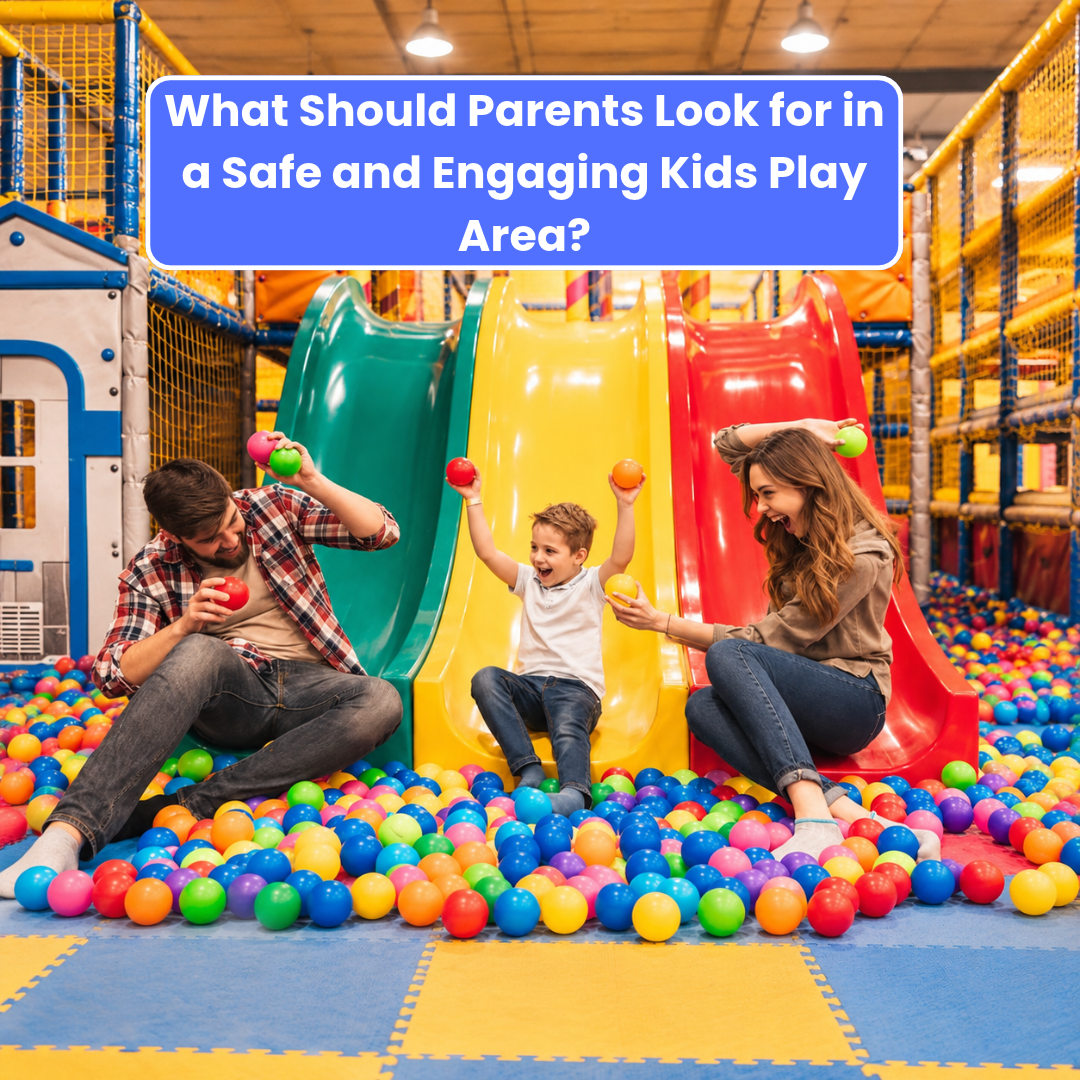
A safe and engaging kids play area gives your child room to run, climb and imagine while you stay calm on the sidelines. But how do you know if a place is right before you step inside?
Your child spots a bright slide, kicks off their shoes and vanishes. You're left by the door with a few quiet worries. Is that frame steady? When was the floor last checked? Who's watching if someone tumbles?
Those are fair questions, and the answers don't depend on size or colour. The best play spaces have sound equipment, soft landings, clean surfaces, alert adults and activities that suit your child's age.
Get those right, and children climb higher, try new things and come home happily worn out.
This guide walks you through what to check, from safety and hygiene to staff, facilities and development. It works for soft play centres, parks and your own garden.
What Makes a Children's Play Area Safe?
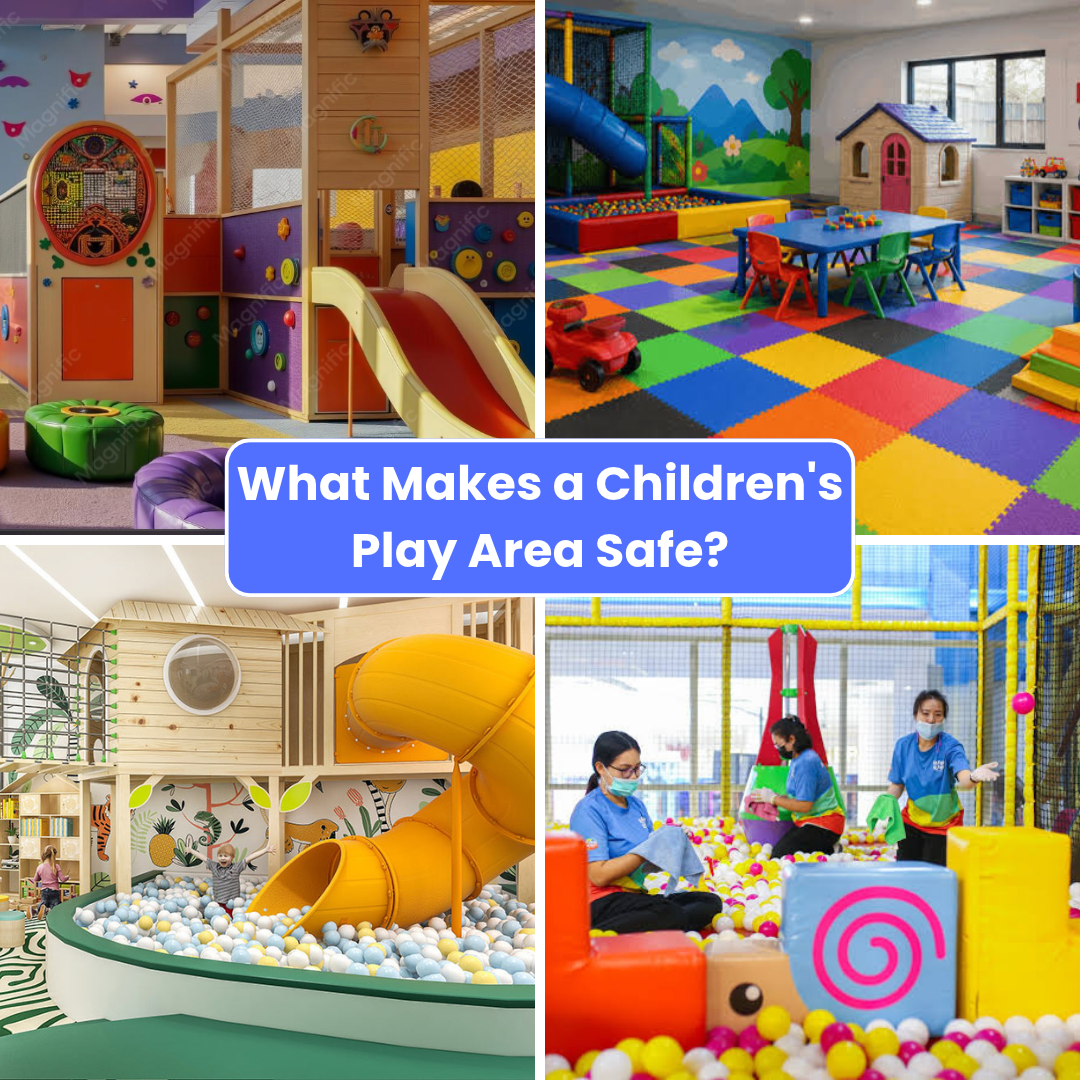
A safe indoor play area for kids has well-maintained equipment, impact-absorbing flooring, secure structures, clear rules and good hygiene. If one of these is missing, it's worth thinking twice before staying.
Here's what to look for:
Well-maintained equipment. Check for loose parts, sharp edges, cracks, frayed netting and damaged surfaces. Broken items should be taped off or removed.
Safe flooring and soft surfaces. Look for padded flooring or safety mats under and around climbing frames, slides and jumping areas.
Secure play structures. Frames should feel stable. Platforms and slides need suitable barriers, and tunnels should be in good repair.
Clear safety rules. Age limits, height limits and simple do's and don'ts should be easy to see.
Good hygiene. Toys, ball pits, tables and shared surfaces should look clean and cared for.
You can't test any of this yourself, but you can ask. "When was your last safety inspection?" is a perfectly normal question. A good venue will answer without fuss.
Does the Play Area Have Activities Suitable for Your Child's Age?
Safe equipment can still be the wrong equipment. A slide that thrills a nine-year-old may overwhelm a two-year-old. Meanwhile, a toddler zone can bore older children and tempt them into rough play.
That's why age-appropriate play equipment and special play activities for kids matter. Look for separate zones, or at least clear times for different age groups, so every child can enjoy activities suited to their age and abilities.
Play Areas for Toddlers
Younger children need low, gentle challenges. Look for:
Low-level climbing equipment
Small slides and soft blocks
Sensory toys and interactive activities
Separate spaces away from older, more energetic children
Activities for Preschoolers and Older Children
Older children want to test themselves. Look for:
Climbing frames and tunnels
Ball pits and obstacle courses
Interactive games
Age-appropriate slides and adventure zones
How Important Are Cleanliness and Hygiene in a Kids' Play Centre?
Very important. Children touch everything, then touch their faces. So parents want to relax without worrying about dirty equipment or unpleasant surroundings.
A quick look around tells you a lot. Check for:
Regular cleaning of toys and play equipment
Clean ball pits and soft play surfaces
Hygienic toilets and handwashing facilities
Clean seating and dining areas
Easy access to hand sanitiser
Staff cleaning throughout the day, not just before opening
Trust your nose and your eyes. Sticky tables, overflowing bins or grubby toys suggest cleaning isn't a priority. It's also fine to ask how often the venue cleans soft play items. Good venues such as soft play zone in Exeter are proud of their routine.
Are There Trained Staff to Supervise Children?
A colourful play space is not enough. You also need to feel confident about the people looking after it.
Watch how staff behave. Are they walking around the play area, or tucked away behind a counter? Visible staff spot problems early, step in when play gets rough and help children who feel unsure.
Look for these signs:
Staff who understand children's safety needs
A visible presence around the play areas
Clear emergency procedures
First-aid arrangements
Friendly staff who help nervous children feel at ease
Clear guidance on what parents are expected to do
What Activities Make a Play Space Fun and Engaging?
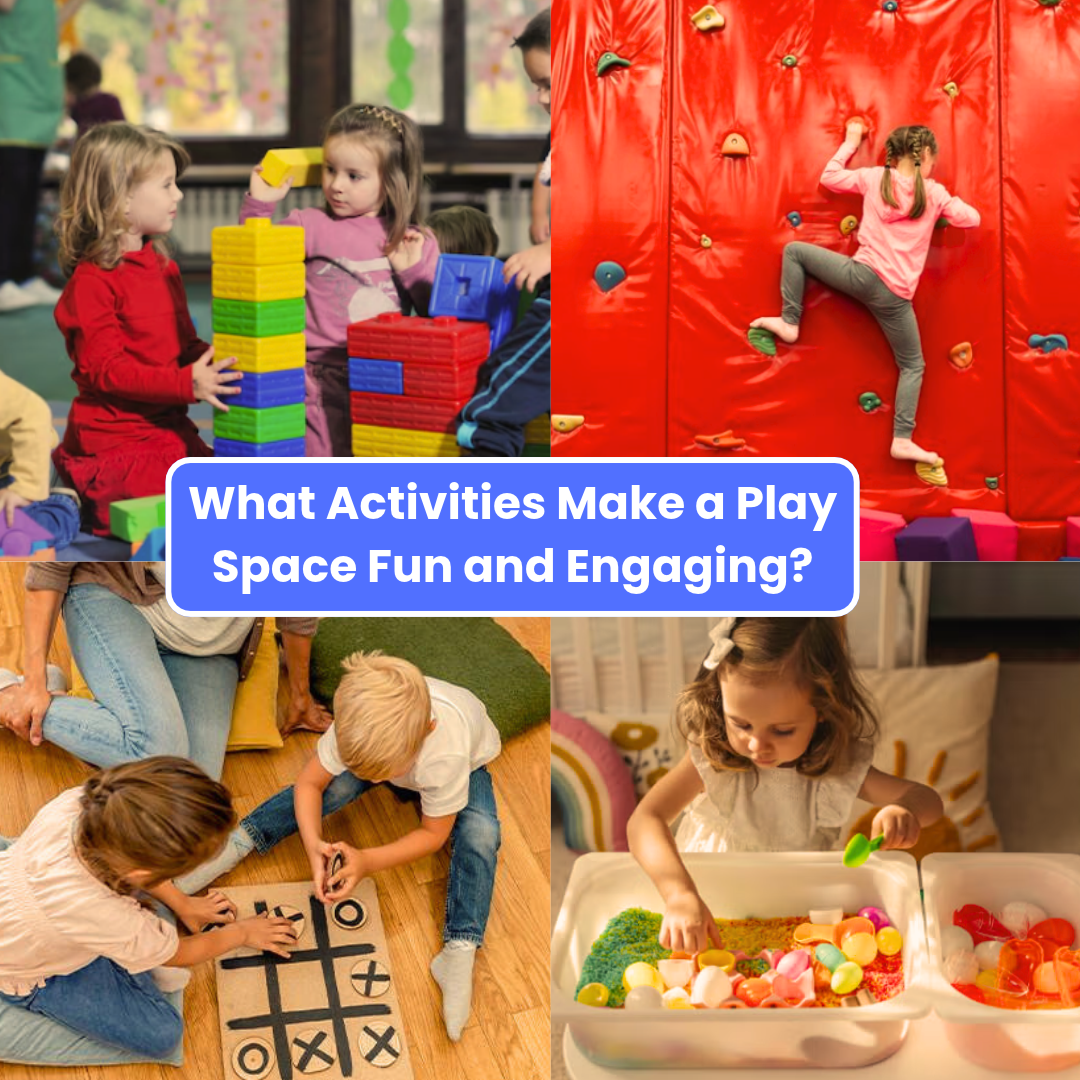
A great play area, such as a soft play zone in Newton Abbot, does more than burn off energy. It gives children different ways to explore, learn and have fun. Variety is the key.
Physical play: Climbing, jumping, crawling and sliding keep children active. Jumping builds leg strength and rhythm. Climbing builds grip and confidence. Balancing on low beams or wobbly bridges improves coordination. Crawling through tunnels builds core strength.
Creative play: Building blocks, pretend kitchens and role-play corners spark imagination. A toy shop or den gives children a reason to chat and invent stories.
Sensory play. Different textures, colours and sounds encourage curious little hands and eyes.
Social play: Shared games help children practise sharing, communicating and teamwork.
Problem-solving games: Simple challenges, such as working out how to cross an obstacle, push children to think and try again.
These activities can be especially valuable during the early years, when little ones are discovering new movements, textures and ways to interact with the world. Explore the benefits of soft play for your kids and how age-appropriate activities support their early development.
What Facilities Should Parents Look for in a Play Centre?
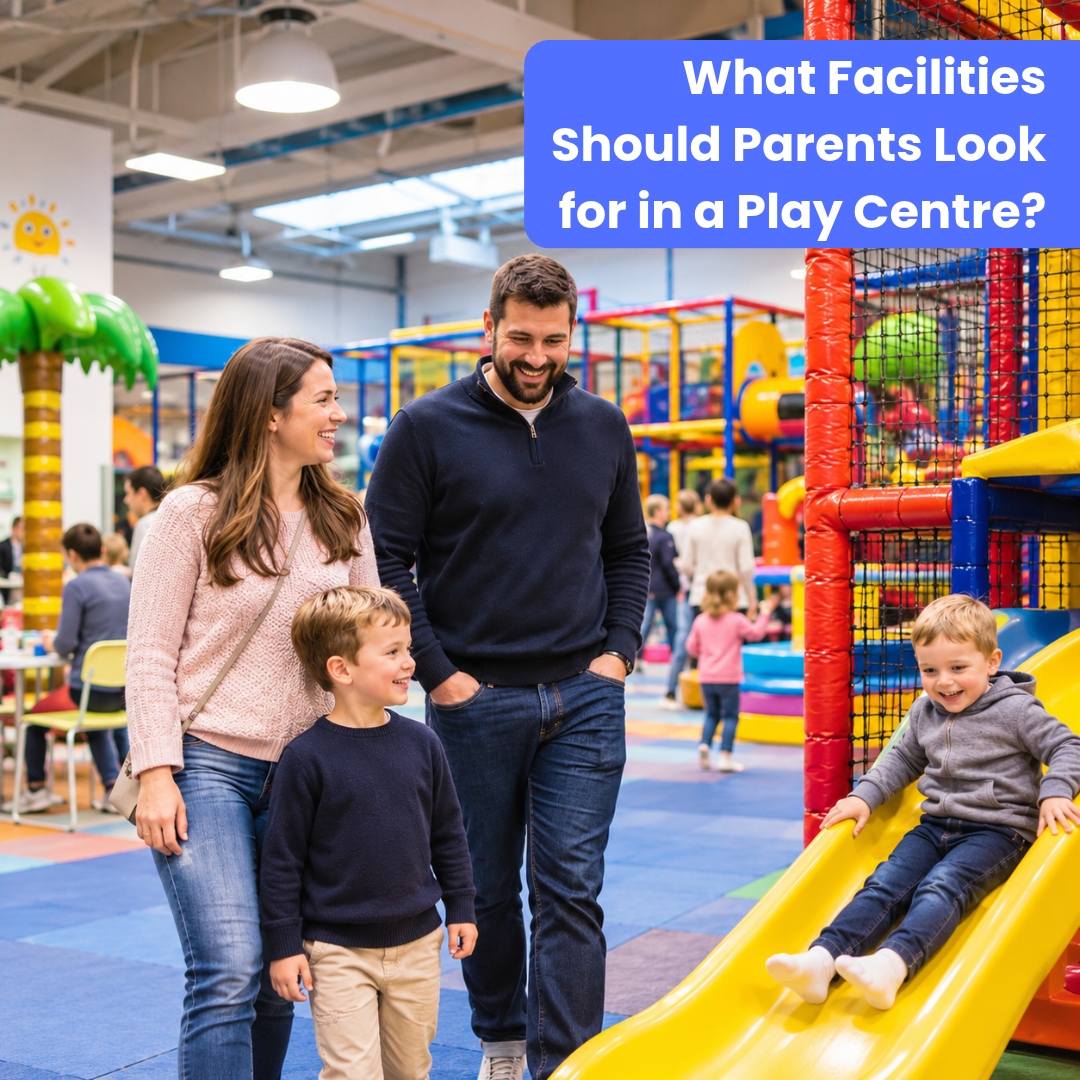
You'll enjoy the visit more when your own needs are met too. Small facilities often make a big difference, especially with younger children.
Check for:
Comfortable seating with a good view of the play area
A cafe or refreshments
Clean baby-changing facilities
Accessible toilets
Easy parking and convenient access
Online booking options
Clear pricing and session timings
How Can You Tell If a Play Centre Is Right for Your Child?
Take a few minutes to check before you book. It's easier than turning back at the entrance with an upset child.
Try this quick routine:
Read recent reviews from other parents
Look at photographs of the play areas
Check the centre's age restrictions
Look for cleaning and safety information
Ask about quieter sessions if your child feels overwhelmed by crowds
Check whether parents can watch their children easily
Visit beforehand if possible
Indoor and outdoor options suit different days. Indoor play areas for kids are handy from October to March, when the UK weather turns wet and cold. Outdoor play areas for children, such as parks and gardens, offer fresh air and room to run. Most families use both.
Remember your own child, too. A confident climber may love a big adventure zone. A cautious three-year-old may prefer a smaller, quieter space. The right place is the one that suits your child, not the one with the most slides.
Why Does the Right Play Environment Matter for Children's Development?
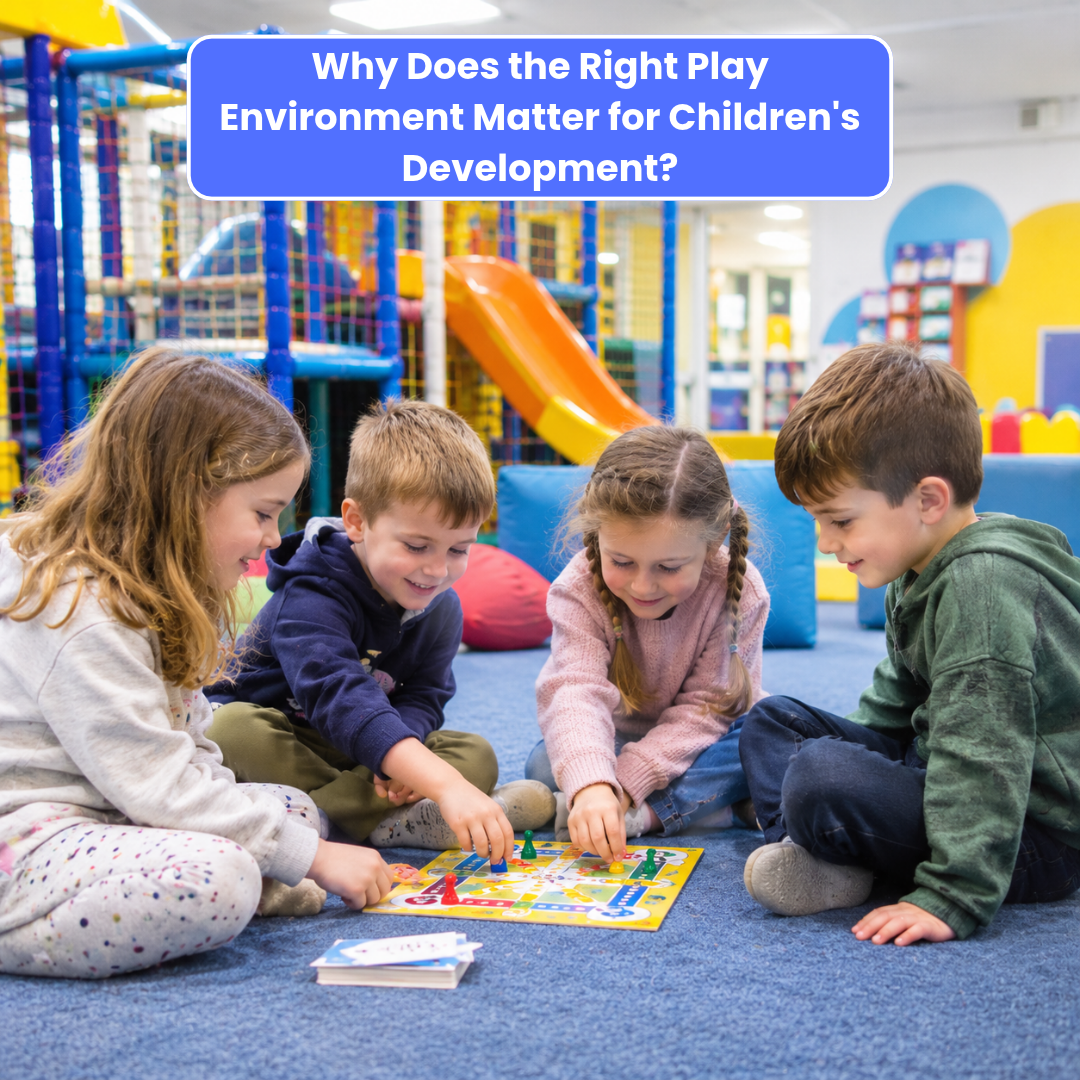
Because play is how children learn, a suitable environment turns a fun afternoon into steady growth in several areas.
Physical development: Movement builds balance, coordination and strength.
Social development: Children learn to take turns, join in and make friends.
Emotional development: Trying something new, then succeeding, builds confidence and independence.
Creative thinking: Open-ended play encourages imagination and exploration.
Communication skills: Children practise expressing themselves and working with others.
A well-chosen play space supports all five at once. Small moments count. A child who waits for a turn, asks another child to join in, or finally reaches the top of a climbing wall has learnt something useful.
Choose a Place Where Children Can Play, Explore and Feel Safe
The best play area isn't always the biggest or the most colourful. It's the one where your child can run, climb and imagine while you feel at ease.
Keep the basics in mind. Look for safe equipment, soft flooring, a clean space, suitable activities and friendly staff. Check facilities and age groups before you book. Then let your child enjoy the adventure.
If you're looking for indoor play, you can use this checklist at Wonderland Play Zone, where children can enjoy active play in a welcoming environment. Take a look at what's on offer and choose the session that suits your family.
Frequently Asked Questions
-
Look for well-kept equipment, padded flooring, clear age zones, visible cleaning and attentive staff. Check that the rules are displayed, and make sure you can see your child from where you sit.
-
Check for a separate toddler area, low equipment, soft flooring and clean toys. Make sure older children can't easily run through the space. Stay close and watch your child throughout.
-
Many centres welcome children from babies to around 10 or 12, though limits vary. Check the age and height rules before you book, and use age-specific zones where available.
-
Good venues are clean throughout the day and deep-cleaned regularly. Ask about their routine. At home, wipe garden equipment often and check it for damage, rust or rot, especially after bad weather.
-
Younger children are smaller and less steady. Separate zones lower the risk of knocks and collisions, and let each age group play at its own pace.