
15 Best Memory Games for Children That Boost Focus and Learning

Have you noticed how quickly children forget instructions, misplace their toys, or struggle to remember simple details from a story you just read together? In silence, a lot of parents are concerned about this. They want activities that help their children learn, yet most games either entertain without teaching or feel too serious for playtime. This is where memory games make a meaningful difference.
When children practise recalling words, images, or simple sequences, their brains learn how to organise and store information.
Gradually, they become better at recognising patterns, following instructions, and focusing for longer periods. In other words, playful repetition builds real cognitive confidence.
However, the key lies in choosing the right activities and the right environment. Children respond best when learning feels natural and enjoyable. Because of this, supervised activities, safe spaces, and well-designed games are combined in structured play places like Wonderland Play Centre to encourage memory development while children simply enjoy being children.
Types of Memory Games Children Can Play

Children respond well to different styles of memory games, and each format trains the brain in a slightly different way. Some games sharpen observation, while others improve listening, recall, or strategy. Knowing these types helps parents choose activities that match their child’s stage of development.
Visual Memory Games
These games train children to notice and remember visual details. Activities such as matching cards, spot the difference, and picture recall ask children to observe images carefully and remember where they appeared. You will often see similar activities used in a soft play zone, where visual games and interactive play encourage children to focus on shapes, colours, and patterns.
Word and Language Memory Games
Some memory games focus on listening and language recall. Rhyming games, word chains, and storytelling recall encourage children to remember sounds, words, and sentence patterns. These activities support vocabulary growth while also improving listening skills.
Object Recall Games
These activities train children to remember items, locations, or sequences. Games like the missing object challenge, memory tray activities, or treasure hunt recall encourage children to observe carefully and recall what has changed. This improves attention and short-term memory.
Strategy-Based Thinking Games
Older children benefit from memory games that involve planning and reasoning. Games such as chess, Sudoku, and puzzle-solving ask children to remember patterns, anticipate moves, and think ahead. These activities strengthen long-term memory and problem-solving skills.
Understanding these game types helps parents choose activities that support memory development in practical ways. Next, let’s look at the real cognitive benefits children gain when they play memory games regularly.
Benefits of Memory Games for Children
Children learn best when their minds stay active. Regularly playing memory games strengthens how the brain stores, processes, and recalls information, which gradually supports everyday learning and problem-solving.
1. Improved Recall
Repeated practice helps children remember instructions, names, and sequences more easily. Many soft play games activities for kids include simple recall challenges that encourage children to observe, remember, and respond. Experts often notice that children who regularly engage in these activities handle multi-step tasks and instructions with greater ease.
2. Stronger Concentration
Many memory games ask children to focus on small details, which trains them to pay attention longer during reading, puzzles, or classroom tasks.
3. Faster Processing Speed
When children repeatedly recognise patterns or images, their brains learn to process information more quickly and respond with confidence.
4. Improved Visual Recognition
Activities such as matching cards or spotting differences help children notice patterns and shapes more accurately.
5. Improved Academic Preparedness
Research in child development shows that children who practise memory skills often perform better in reading, maths, and reasoning. Activities during Play After School Sessions often include simple memory and thinking games that help children strengthen recall, recognise patterns, and apply these skills during learning tasks.
6. Social and Emotional Growth
Group memory games encourage patience, turn-taking, and teamwork while building self-confidence.
7. Healthy Brain Development
Challenging the brain through playful learning helps form new neural connections, which support long-term cognitive development.
Understanding these benefits helps parents see why simple activities can shape a child’s learning ability. Next, let’s explore some of the best memory games children can play at home or during play sessions.
Fun Memory Games for Children
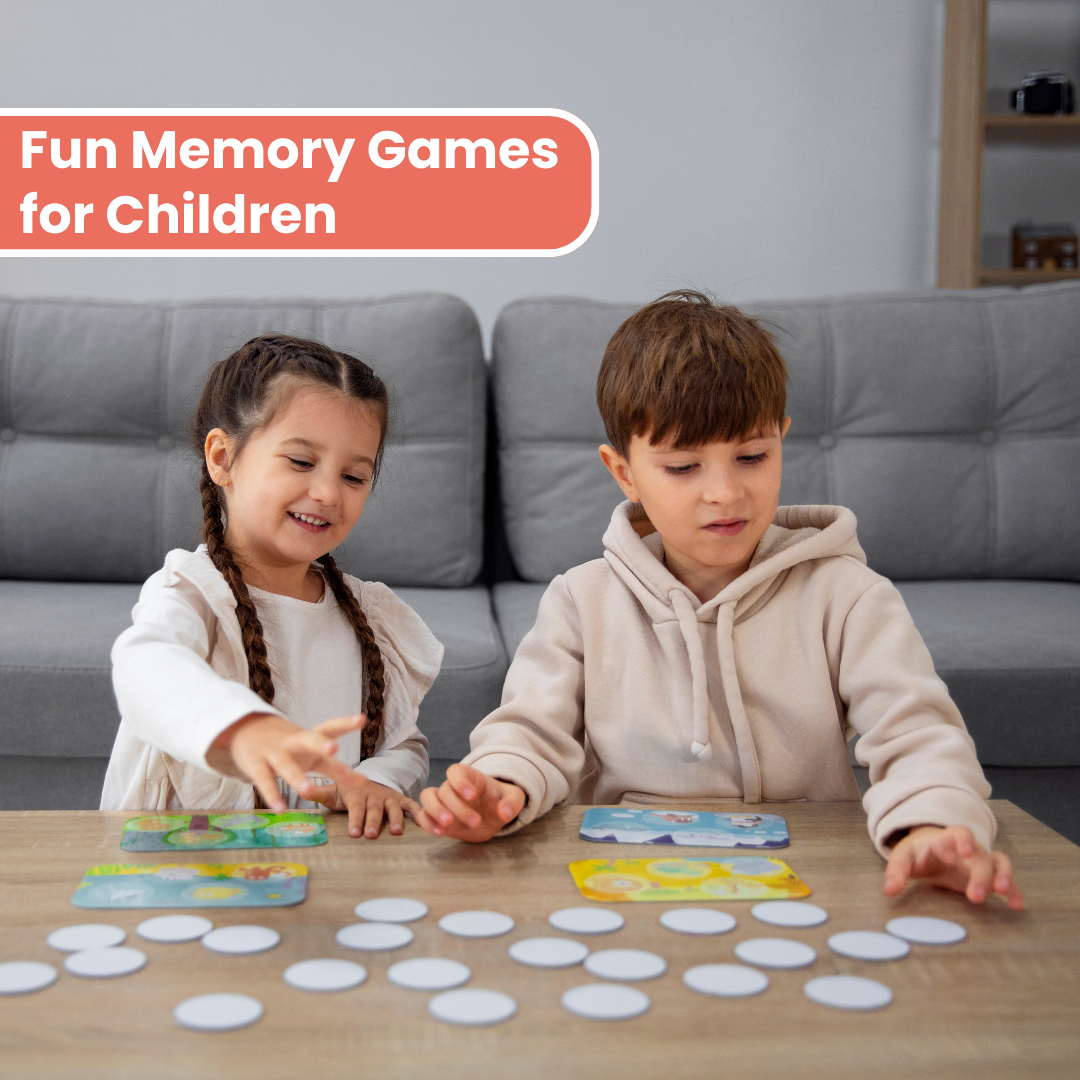
Children strengthen their thinking skills when play involves recall, attention, and pattern recognition. These memory games are simple to organise at home and are widely used by educators to support early cognitive development.
1. The Rhyming Word Game
Rhyming word games are suitable for ages 3+.
Say a word such as “cat” and ask the child to find similar-sounding words like “hat” or "bat".
This builds vocabulary and helps children recognise sound patterns.
2. Word Chain Game
Ages 5 and up are the ideal age range for this game.
Every participant speaks a word related to the one before it.
"Apple" and "elephant" are two examples. It enhances memory and fast thinking.
3. The Memory Game of Missing Items
Missing memory game is best suitable for ages 3+.
Place a few objects on a tray, allow the child to observe them, then remove one item.
The child identifies what disappeared, strengthening visual recall.
4. The Storytelling Game
Ideal for ages 5+.
One person begins a story, and each player adds a sentence while remembering earlier details.
This improves listening and memory retention.
You will often see similar activities in a soft play centre for children in Exeter UK, where group storytelling or guided play sessions encourage children to remember details, repeat key elements, and build stories together as part of memory-building play.
5. The Train of Memory
Perfect for children aged five and up.
A story is started by one player, and each player adds a sentence while recalling previous details.
This enhances memory retention and listening skills.
6. Card Matching Game
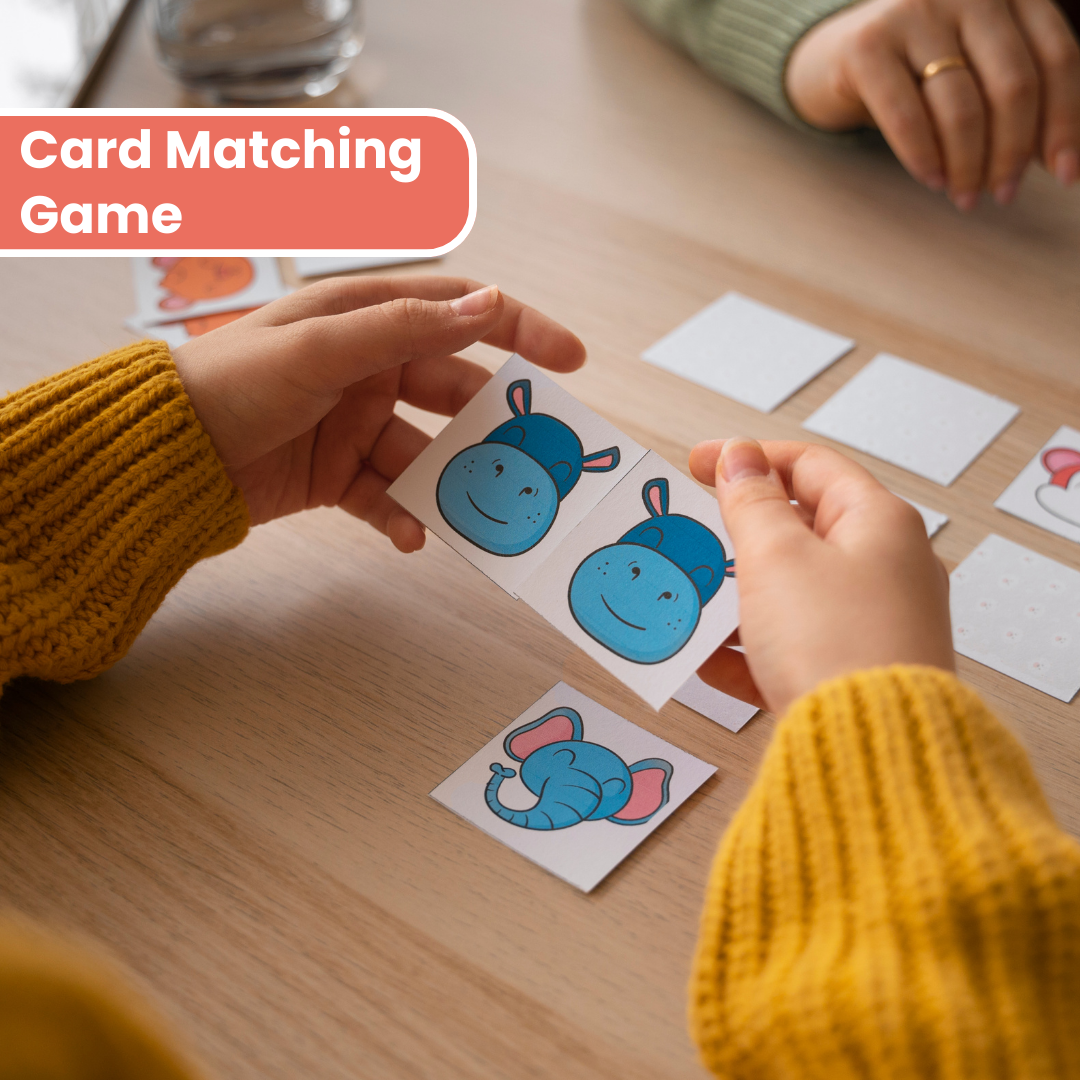
Ages 3 and up are appropriate.
To find matching pairs, kids flip cards.
It improves focus and visual recognition.
7. The Magic Cup Game
Ages 4 and up are best.
Shuffle the cups while concealing a small object beneath them.
By tracking the object's location, kids develop their visual tracking and focus.
8. The Sound Chain Game
Ages 4 and up are appropriate.
Players add words or sounds one after the other.
Listening memory is strengthened by this.
9. Recognise the Distinction
Ages five and up.
Kids look for differences between two pictures.
This makes one more detail-orientated.
10. Simon Says
Suitable for ages 4+.
Children follow commands only when the phrase “Simon says” is used.
This improves listening and instruction recall.
11. Jigsaw Puzzles
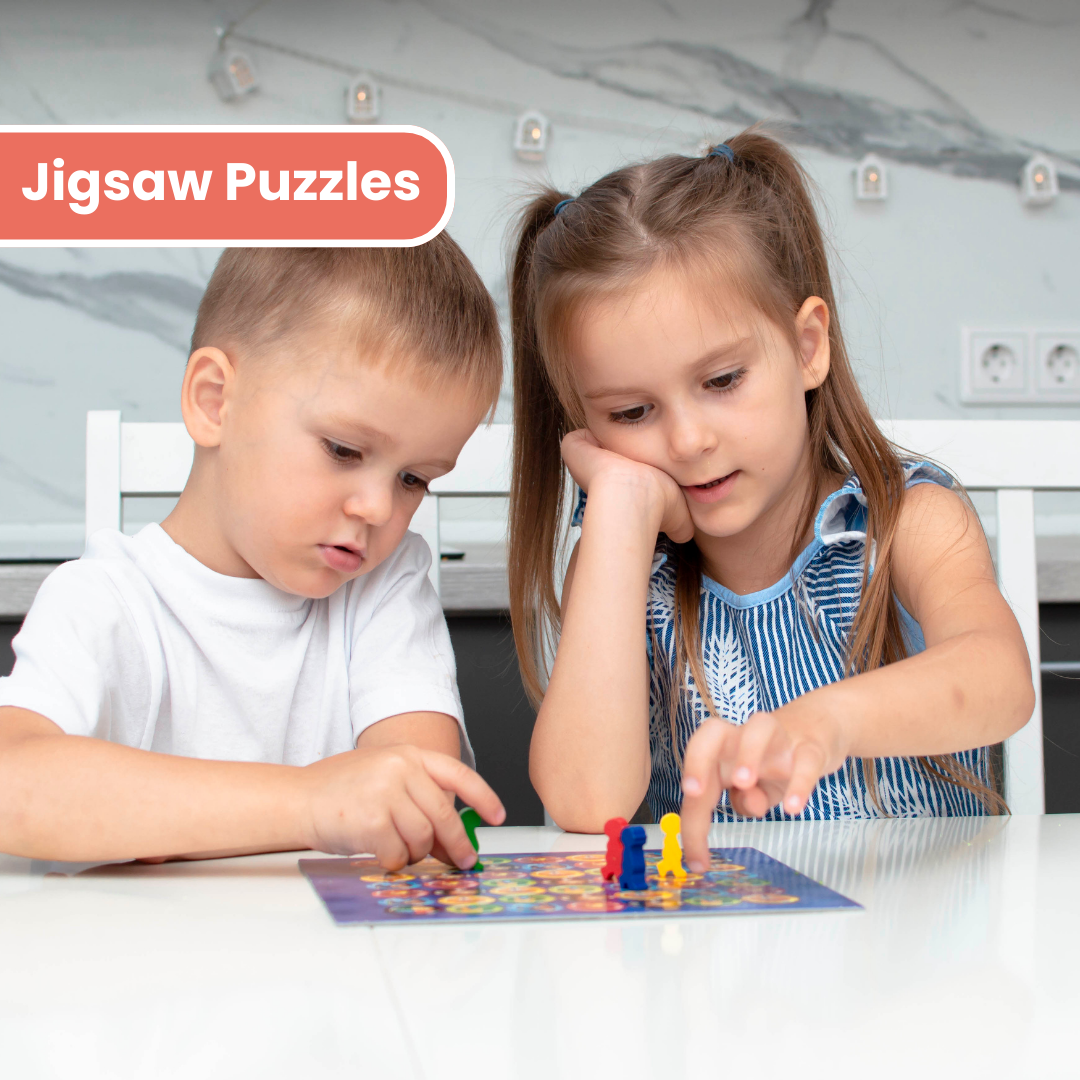
Good for ages 4+.
Children connect pieces to form a complete picture, improving pattern recognition and patience.
12. Chess
Best for ages 7+.
This strategy game develops planning, focus, and memory of moves.
13. Sudoku
Suitable for ages 8+.
It strengthens logical thinking and number recall.
14. Snake Puzzle
Good for ages 6+.
Children arrange connected blocks to form shapes, building spatial memory.
15. Rubik’s Cube
Suitable for ages 8+.
Solving it improves pattern memory, persistence, and problem-solving.
These activities show that children develop strong thinking skills through simple play routines. The next section explains why a structured play environment, such as Wonderland Play, helps children experience these learning benefits more naturally.
Why Wonderland Play Is the Right Place to Start?

Children practise skills better when the environment supports both play and learning. Spaces designed for active exploration, like the soft play centre for children in Newton Abbot, make it more engaging and easier for children to understand.
Age-Appropriate Play Zones
Wonderland Play organises its soft play areas by age group. This helps children interact with games suited to their stage of development while staying safe and comfortable.
Games That Encourage Thinking and Movement
Activities combine physical play with problem-solving tasks. Children practise focus, recall, and coordination while enjoying playful challenges with others.
Guidance from Trained Staff
Staff members understand how children learn through play. They gently guide activities so children stay engaged and practise memory skills naturally.
A Balanced Alternative to Screen Time
The play environment encourages children to move, interact, and participate in group games, which strengthens learning through social play.
This structured setting allows children to practise memory games while staying active.
Conclusion
Children develop stronger thinking skills when learning happens through play. Regular memory games help improve focus, recall, and problem-solving in a simple and natural way.
Parents do not need complex tools to support this growth. Small activities like word games, puzzles, or recall challenges can gradually strengthen memory and confidence. When children practise these regularly, they become better at following instructions and recognising patterns.
Play environments also make a difference. Places like Wonderland Play offer safe, engaging spaces where children can enjoy guided activities and interactive games that support both fun and cognitive development.
Introducing memory games during playtime and exploring structured play centres can help children build stronger minds while simply enjoying their time.
Frequently Asked Questions
-
Games such as matching cards, puzzles, word chains, rhyming games, and “spot the difference” help improve memory in children. These activities train the brain to recognise patterns, recall information, and stay focused for longer periods.
-
Children can start simple memory games from around age 3. At this stage, picture matching or object recall works well. As they grow older, parents can introduce more challenging games like puzzles, storytelling recall, or strategy-based games.
-
Memory games for children with ADHD often involve short, interactive tasks that keep them engaged. Games like Simon Says, card matching, sound repetition, and object recall help improve focus, listening skills, and working memory.
-
The 1-3-5 rule helps children manage tasks more easily. It means focusing on 1 big task, 3 medium tasks, and 5 small tasks in a day. This simple structure prevents overwhelm and helps children stay organised.
-
The 5 C’s of ADHD support often refer to Clarity, Consistency, Compassion, Collaboration, and Coaching. These principles help parents and educators guide children with ADHD through structured routines, supportive communication, and positive learning environments.