
What Are the Best Problem-Solving Team Activities for Children?

Watching your child hesitate over simple choices or struggle to work things out with others can quietly worry you. Between school runs, work calls, and daily responsibilities, many parents across the UK feel the same frustration. You want to help, yet time and energy run short. This is where problem-solving team activities begin to matter more than we realise. They give children space to think, try, fail safely, and learn alongside others without pressure or judgement.
The truth is, problem-solving skills are not something children are born with. It grows with the right guidance, environment, and consistency. When play becomes structured and purposeful, learning follows naturally with fun. And soft play centres play a key role here, combining movement, teamwork, and thinking in a setting children enjoy and parents trust. In this blog, you’ll discover how the right activities at Wonderland play centre shape confident thinkers and where children can build these skills while simply having fun.
Benefits of Problem-Solving Team Activities for Children
Children learn faster and retain more when they learn together. Children play activities encourage discussion, trial and error, and shared thinking, which helps ideas settle naturally. Over time, problem-solving team activities turn everyday play into meaningful skill-building without children feeling taught or tested.
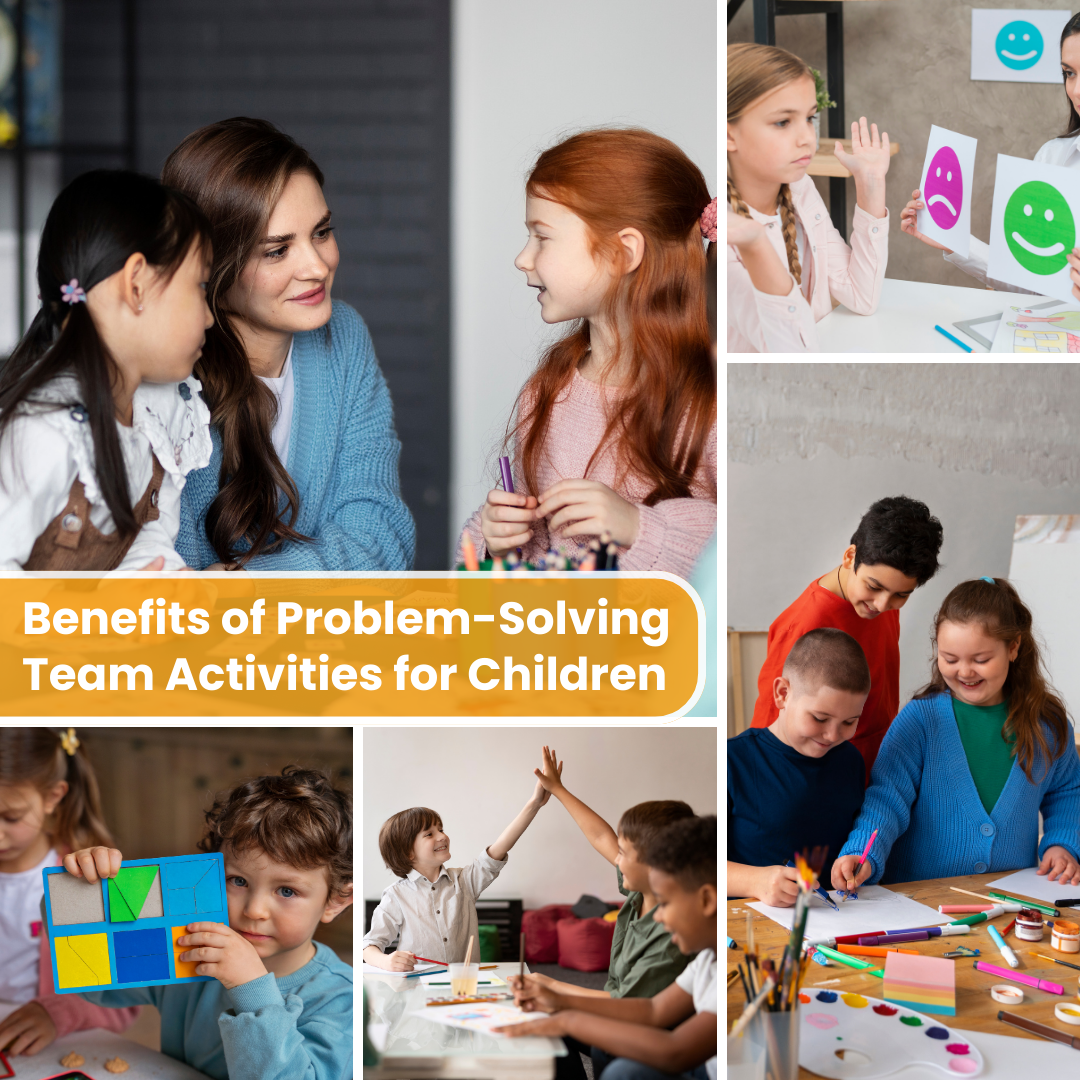
1. Enhanced Social and Communication Skills
When children solve problems as a group, they practise listening skills before they respond. They explain ideas in their own words and learn when to speak and when not.
• During group play, children begin to understand that others may think differently.
• They learn to respond calmly instead of reacting quickly.
• Simple tasks like deciding turns or planning steps improve everyday communication.
Quick tip: Soft play centre for kids in Exeter encourage children to explain their ideas out loud before starting an activity.
2. Boosted Cognitive Skills
Team-based challenges push children to think logically rather than rush decisions. They learn to plan steps and adjust when things do not work the first time.
• Activities help children connect cause and effect.
• Physical movement supports focus and brain development.
• Children learn sequencing by solving one step at a time.
What works well: Games that require planning before action build stronger thinking habits.
3. Increased Confidence and Leadership
Solving challenges together helps children trust their abilities. Even quiet children often step forward when they feel safe and supported.
• Children take small leadership roles naturally.
• Group success builds pride without pressure.
• Confidence grows through shared achievement.
4. Improved Resilience and Emotional Control
Team activities allow children to face small setbacks without fear. They learn that mistakes are part of progress.
• Children practise patience while waiting or retrying.
• They develop emotional control in a safe setting.
• Persistence becomes a habit, not a task.
5. Better Collaboration
Working in groups teaches children how to share responsibility. They learn when to ask for help and when to offer it.
• Children practise cooperation rather than competition.
• Trust builds through shared goals.
• These skills support school group work and friendships.
Next, let’s look at specific problem-solving team activities that children enjoy and benefit from in real play settings.
Top Fun and Practical Problem-Solving Team Activities for Children
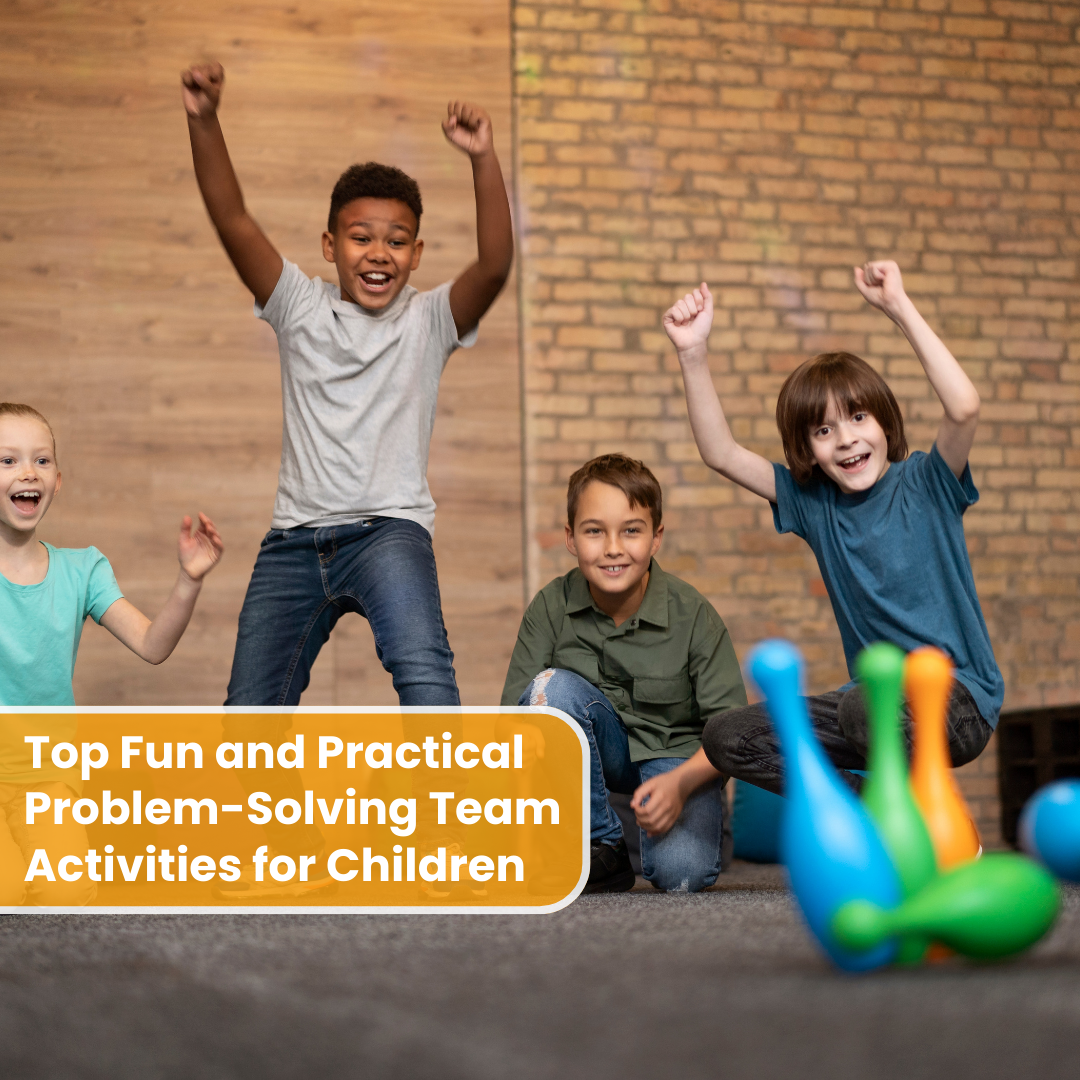
The best problem-solving team activities fit easily into daily routines. You can run them at home, in schools, or in kids favourite soft play centre in Newton Abbot settings without turning playtime into a lesson. What matters most is shared thinking, clear goals, and space for children to work things out together.
Active and Movement-Based Team Challenges
Movement sharpens focus and encourages cooperation. When children move together, they think together. Below are some of the most active and movement-based problem-solving team activities:
The Human Knot helps children plan steps, listen closely, and solve problems through discussion.
Blindfolded obstacle courses build trust as one child guides another using clear directions.
Jump rope challenges teach timing, coordination, and turn-taking.
Hula Hoop Fingers improves teamwork as children move objects without breaking rules.
Tower of Power encourages planning before building, not fixing after falling.
Playground trampoline for children encourage children to plan movements, maintain control, and support teammates by giving clear cues and taking turns safely.
Practical tip: Ask children to pause and plan before starting. It improves results quickly.
Creative and Thinking-Based Activities
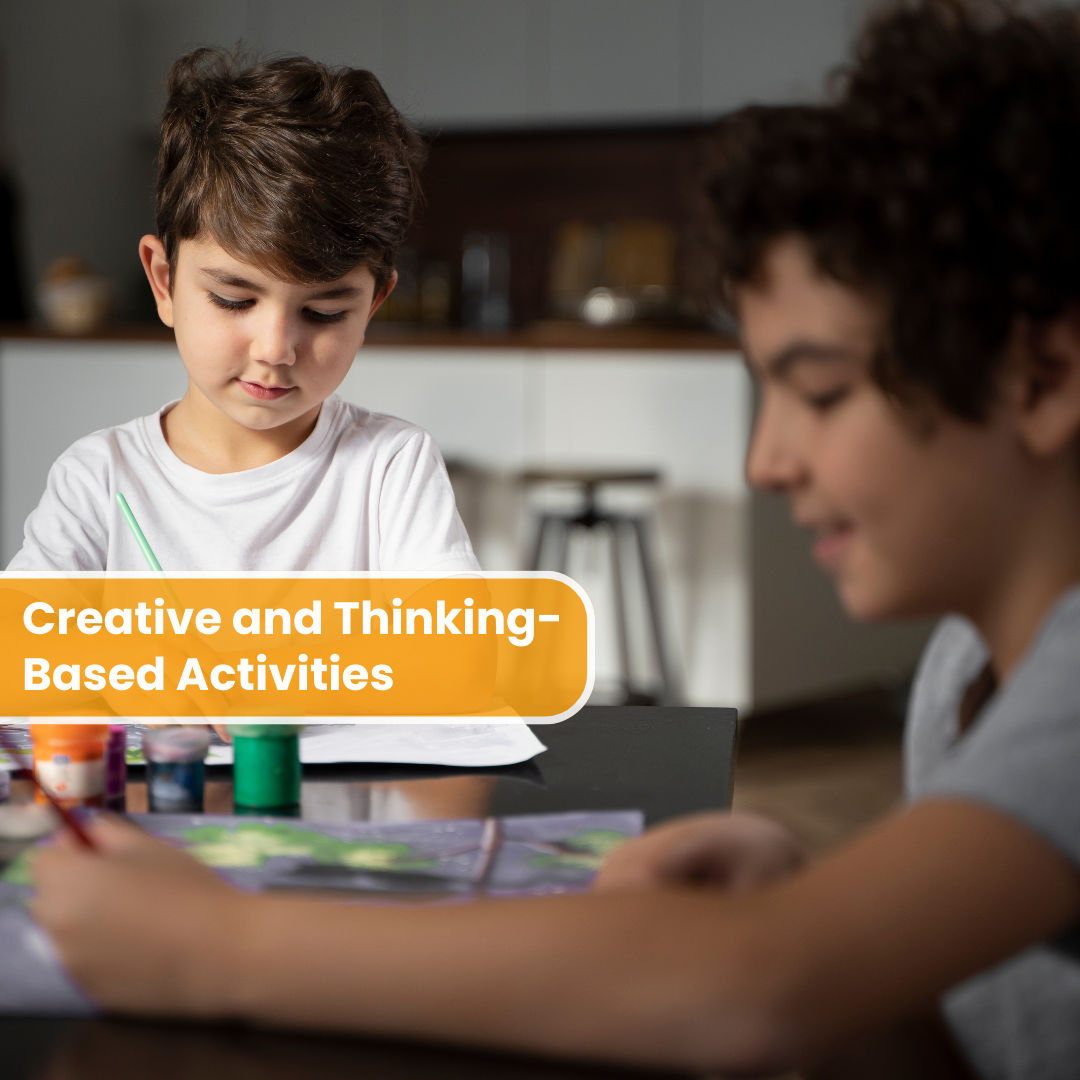
These activities slow children down and encourage careful thinking rather than quick reactions.
7. Marshmallow challenges teach balance, structure, and shared decision-making.
8. Save the Egg builds planning skills and problem analysis.
9. Tangram puzzles improve spatial thinking and patience.
10. Riddle-solving strengthens logic and group discussion.
11. Simple experiments encourage curiosity and learning through trial and error.
12. Trampoline park in the UK help children plan movement sequences, take turns, and solve physical challenges together while staying focused and coordinated.
Children learn that testing ideas often matters more than getting quick answers.
Imaginative and Role-Based Activities
Imaginative play supports communication and shared reasoning. Children learn by stepping into different roles. Here are some fun, imaginative problem-solving team activities:
13. Group storytelling improves listening and creative thinking.
14. Role-play scenes help children practise real-life problem-solving.
15. Scavenger or treasure hunts develop planning and teamwork.
16. Escape room–style challenges encourage collaboration under time limits.
What to watch: Children naturally assign roles and learn to respect each other’s ideas.
Calm and Structured Tabletop Activities
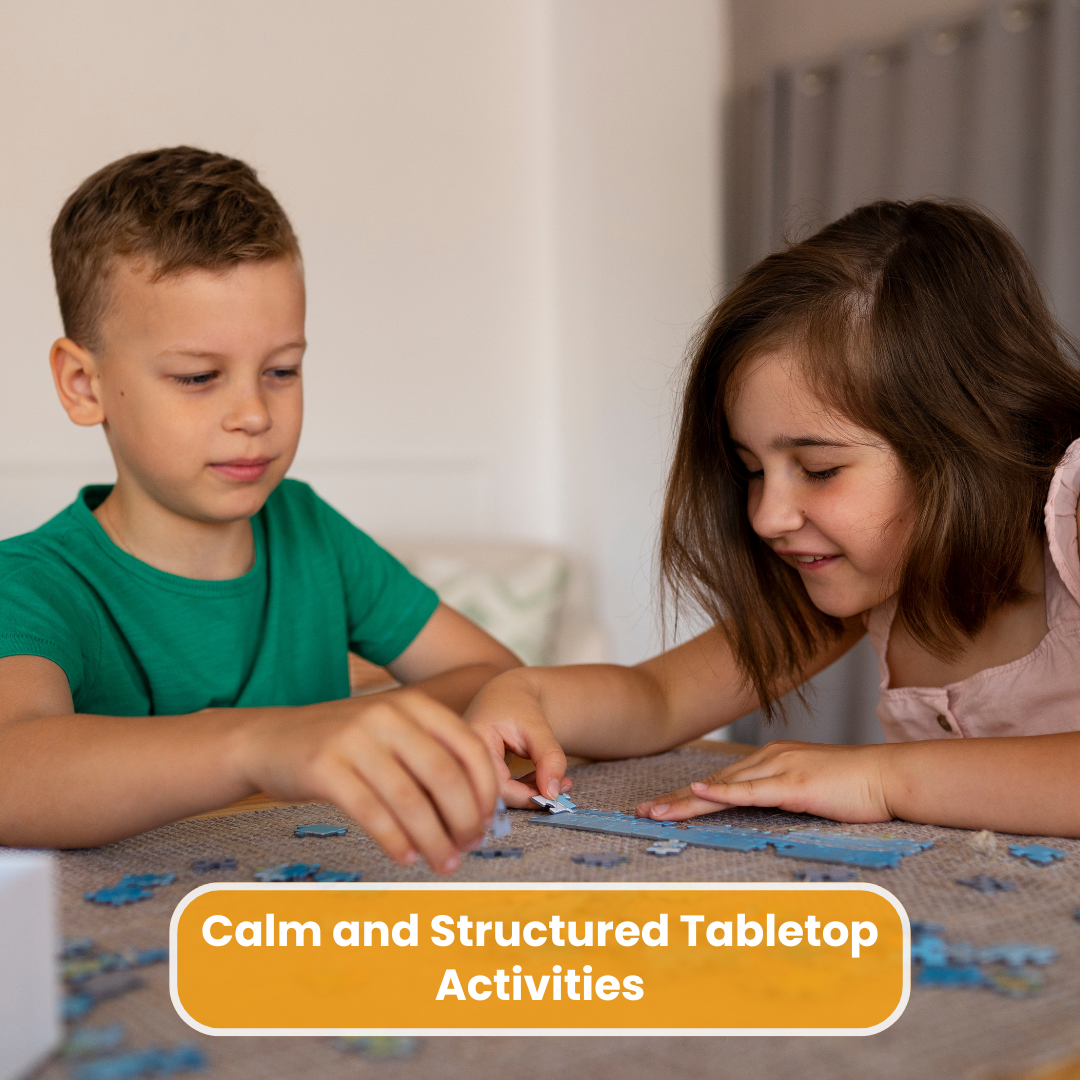
Quiet play builds strategy and focus. Clear rules help children think ahead and adapt.
17. Board games teach turn-taking and strategic planning.
18. Cooperative puzzles and jigsaw puzzles strengthen patience and shared responsibility.
These structured problem-solving team activities prepare children for classroom learning and group tasks.
Next, we’ll explore how soft play centres support these activities in a safe, guided environment where children learn confidently through play.
How Do Soft Play Centres Support Problem-Solving Skills?
The setting where children play shapes how they think, react, and learn. Well-designed soft play centres offer structure, supervision, and freedom in the right balance, which makes them ideal for building problem-solving team activities into everyday play without forcing instruction.
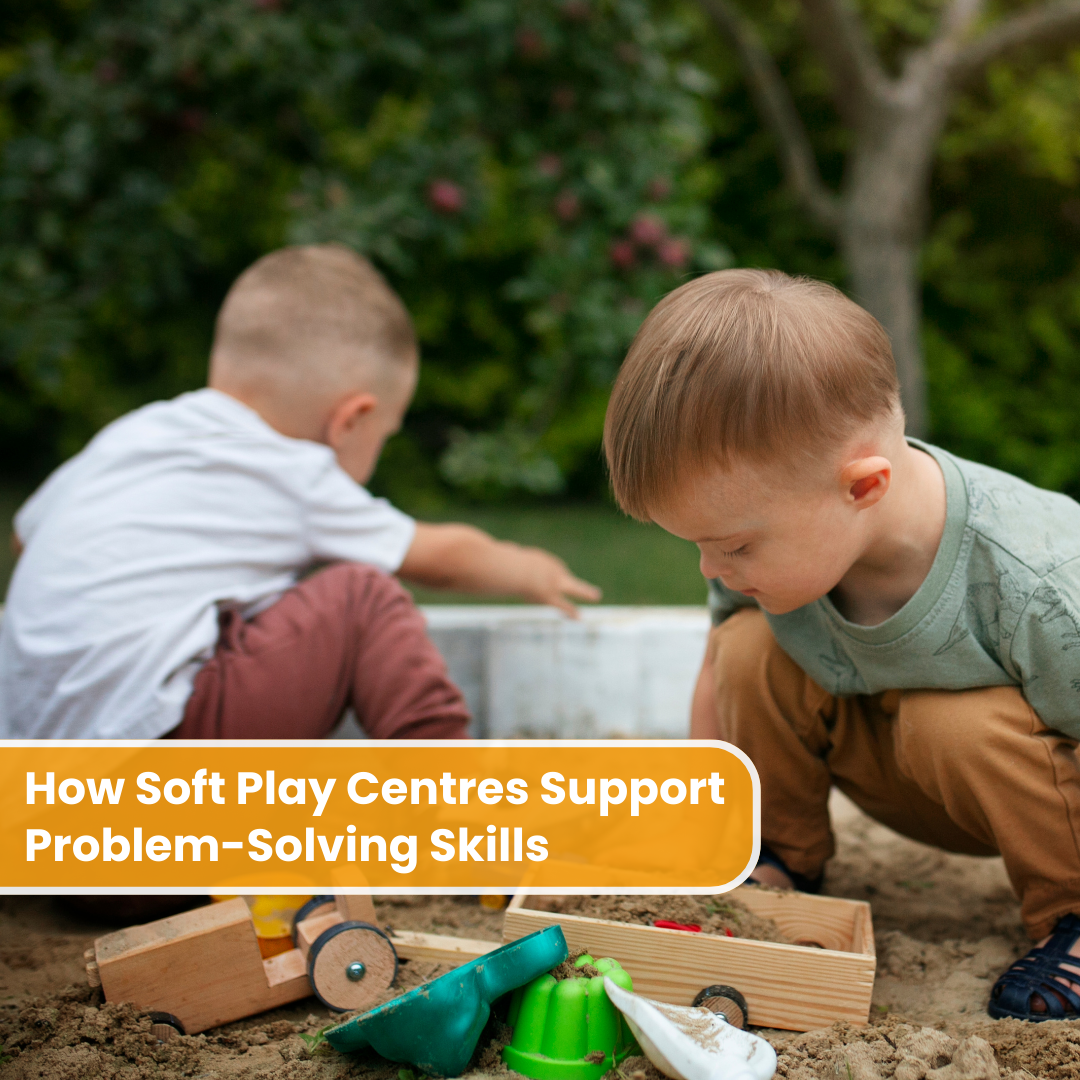
Developing Problem-Solving Skills Naturally
Children learn best when they move, touch, and try things themselves. Soft play environments present challenges through equipment, layouts, and group tasks, allowing children to work out solutions as they go rather than follow directions step by step.
Enhancing Teamwork and Social Skills
Mixed-age play encourages children to observe, adapt, and support one another. Guided group activities introduce shared goals, helping children practise cooperation, role-sharing, and joint decision-making in a relaxed setting.
Supporting Physical Coordination
Physical movement improves focus and clarity. Climbing, balancing, and navigating obstacles help children connect body and mind, which supports problem-solving and steady thinking during group play.
Developing Communication Skills
Soft play spaces encourage children to speak up, listen, and explain ideas clearly. During group challenges, children learn to use words instead of frustration, which strengthens everyday communication.
Staff Who Praise Effort
Trained staff focus on effort and persistence. This approach builds confidence, encourages resilience, and keeps children motivated to try again.
A Safe Space for Making Mistakes
Soft play centres remove pressure to perform. Children feel safe to retry, adapt, and learn, while parents relax knowing support is always present.
Conclusion
Struggling with problem-solving is far more common than most parents realise, and the good news is that it can be improved with the right support. Children do not need more pressure or instruction. They need time, space, and guidance to practise thinking things through at their own pace. This is exactly where problem-solving team activities make a lasting difference, helping children learn how to plan, communicate, adapt, and work with others in everyday situations.
Structured play environments make this learning feel effortless. Children move, explore, and interact while building skills that support school life and daily decision-making. At Wonderland Play, play is designed with purpose. Years of experience, a calm and safe setting, and attentive staff create an environment where children grow in confidence while parents feel assured.
The best way to understand the impact is to see it yourself. Visit Wonderland Play, observe how children engage, and experience how thoughtful play supports real development.
Frequently Asked Questions
-
Start with small, everyday challenges and let children think before stepping in. Encourage discussion, allow mistakes, and use problem-solving team activities so children learn by doing, not by being told.
-
Games like scavenger hunts, tangram puzzles, riddles, and simple building challenges work well. These games improve thinking skills while keeping children engaged and relaxed.
-
Group activities such as obstacle courses, storytelling games, jump rope challenges, and cooperative board games help children learn teamwork, communication, and shared decision-making.
-
The 5 C’s are Communication, Cooperation, Coordination, Commitment, and Confidence. Together, they help teams work smoothly and solve problems effectively.
-
The 5 P’s include Purpose, Planning, Participation, Problem-solving, and Performance. These elements guide teams to work with clarity and achieve better outcomes together.