
15 Most Calming and Fun Activities for ADHD Preschoolers That Work
Why does your child seem full of energy one moment and then overwhelmed the next?
Children with ADHD are like delicate flowers in changing weather. With the right care, they grow stronger and healthier. Without it, they struggle to settle and wither away. After ten years of working closely with families at Wonderland Play, we have seen this pattern again and again. ADHD children are not difficult. They simply experience movement, focus, and emotions in a deeper, faster way. That is why activities for ADHD preschoolers need thought, structure, and flexibility, not noise or pressure.
When play matches a child’s natural rhythm, behaviour changes. Focus improves. Meltdowns reduce. Confidence grows. This guide walks you through calming, engaging, and proven activities that support real development, not just energy release. You will also learn how well-designed play zones like Wonderland Play Zone for Kids help children feel safe, understood, and balanced. If you want playtime to feel easier and more rewarding, you are in the right place.
Importance of Right Activities for ADHD Preschoolers
Random play often looks fun on the surface, but for children with ADHD, it can quickly turn noisy, tiring, and overwhelming. Over the years at Best Play Centre for Children, we have seen how unplanned activities drain children instead of helping them settle. This is why activities for ADHD preschoolers need purpose. When play has a clear structure, children stay engaged without tipping into chaos.
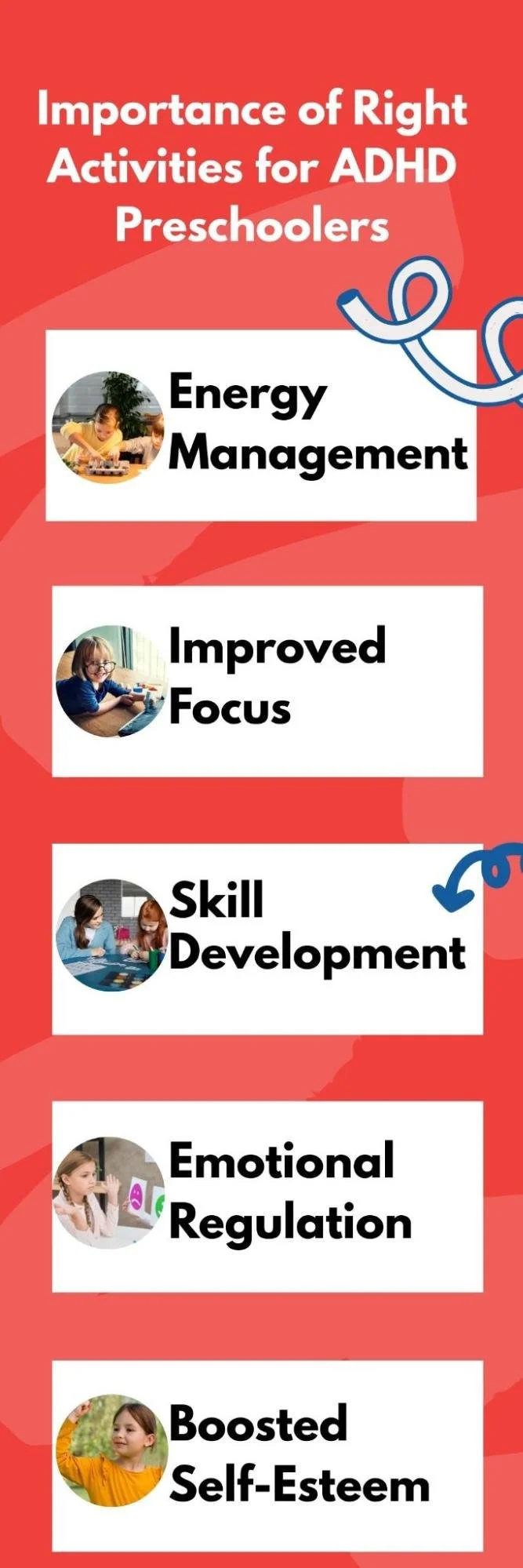
1. Energy Management
Structured movement gives children a safe way to release energy without losing control. Simple routines like obstacle paths or timed movement breaks help them stay active while learning when to slow down. Parents often notice calmer behaviour after play, not more restlessness.
2. Improved Focus
Repeating short, goal-based activities trains attention naturally. Puzzles, stacking games, or turn-based play teach children to finish one task before moving on. Over time, focus improves without pressure or constant reminders.
3. Skill Development
Guided play builds strength, coordination, and thinking skills together. Activities that involve hands, balance, and simple decisions help children process instructions faster and respond with confidence.
4. Emotional Regulation
Play allows children to release frustration in healthy ways. When activities follow a pattern, children feel safe, which reduces sudden outbursts and emotional shutdowns.
5. Boosted Self-Esteem
Success-driven indoor activities for kids show children what they can do well. Completing a task, even a small one, helps them feel capable instead of corrected.
When used correctly, activities for ADHD preschoolers become a developmental tool, not just entertainment. Next, let’s look at specific activities that improve focus and thinking skills step by step.
Activities That Build Focus and Thinking Skills
Focus does not come from telling a child to sit still. It grows when the brain learns how to plan, pause, and finish a task. These thinking skills are known as executive function, and they develop best through simple, guided play.
1. Block Building
Stacking and balancing blocks teach children to slow down and think ahead. When a tower falls, they learn to adjust instead of rushing. Start with short builds and praise effort, not height.
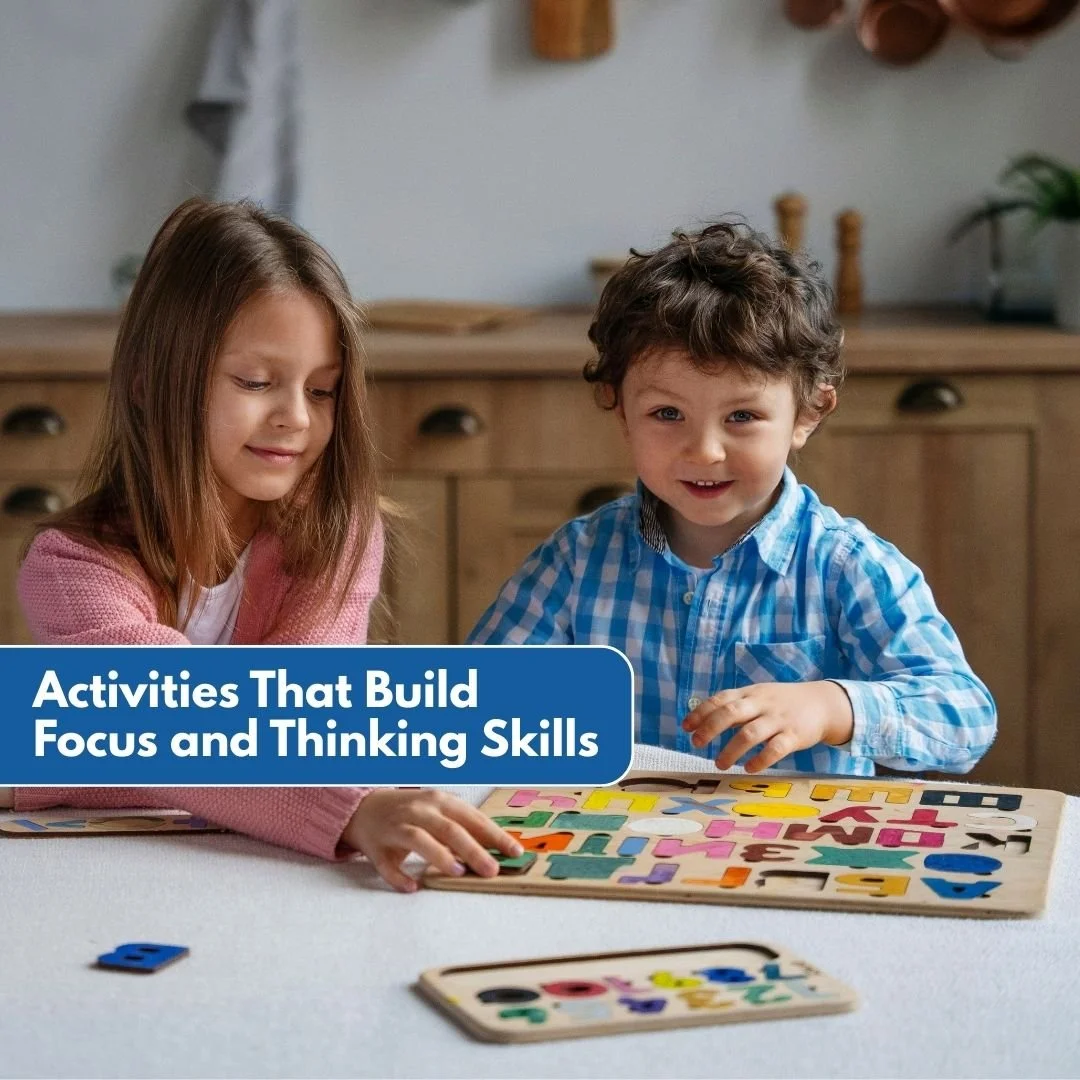
2. Puzzles
Puzzles train the brain to stay with one task until it ends. We recommend fewer pieces and clear images so children experience completion, not frustration.
3. Board Games
Turn-based games introduce rules in a natural way. Waiting, rolling, and following steps help children practise self-control without pressure.
4. Reading Together
Reading aloud strengthens listening and emotional bonding. Pause often, ask simple questions, and let your child turn pages to stay engaged.
5. Rope Climbing
Climbing uses strength and focus together. It encourages controlled movement and helps children judge risk safely.
6. Cooking and Gardening
Real tasks teach sequencing and responsibility. Washing vegetables or watering plants builds confidence through contribution.
These activities for ADHD preschoolers work best when guided calmly and never rushed. Next, we’ll explore physical and sensory activities that help children release energy without losing focus.
Physical and Sensory Activities
Children with ADHD do not need more noise. They need the right kind of movement. When physical play follows a clear pattern, the body releases energy while the brain settles. In our experience, well-planned activities for ADHD preschoolers reduce restlessness instead of feeding it.
7. Obstacle Courses
Simple routes with stepping stones, tunnels, or cones teach children how to plan each move. Following a set order improves balance and helps the brain stay organised. Keep it short and repeat the same path for better results.
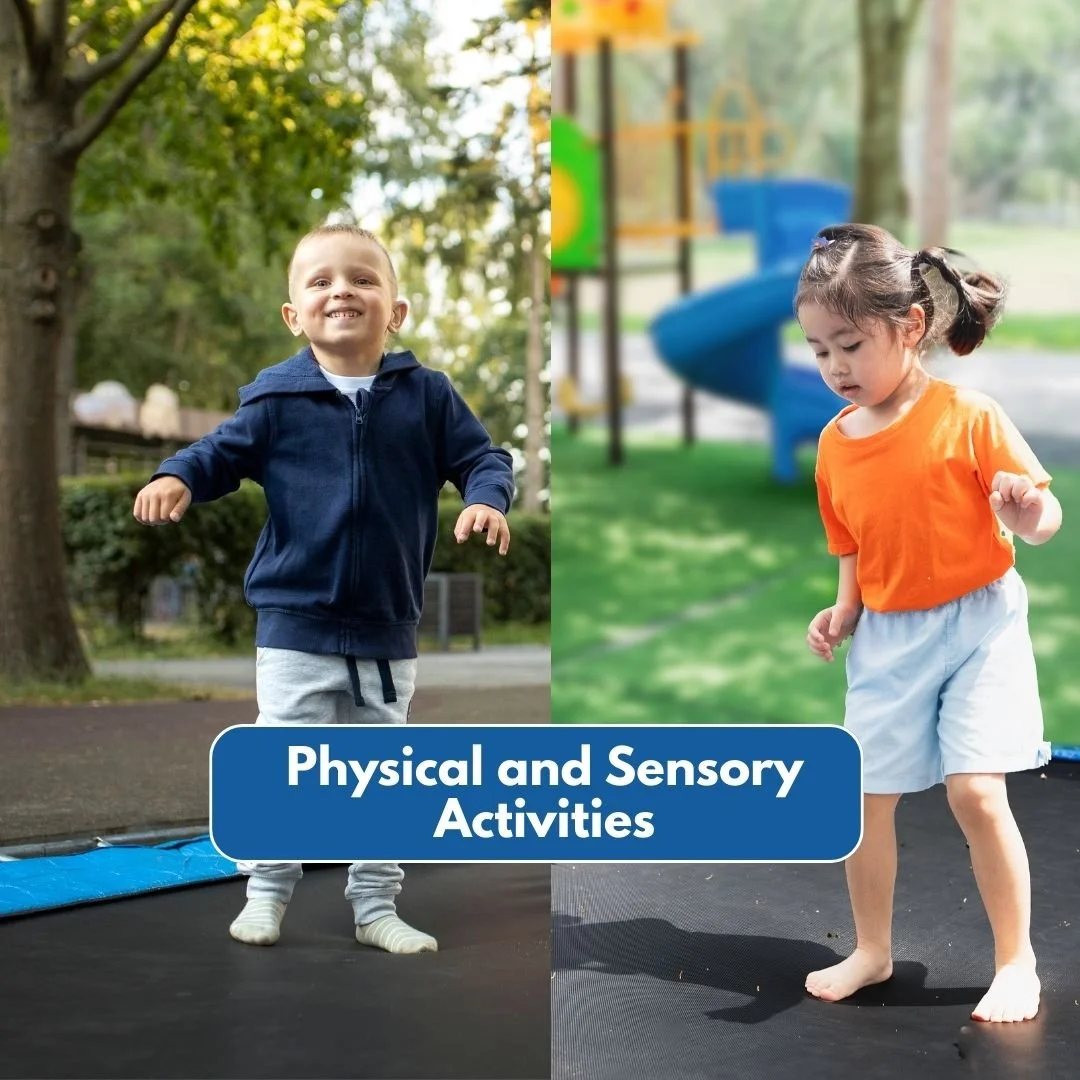
8. Trampolining
Jumping gives deep body feedback that helps children understand where their body is in space. Controlled bouncing, with pauses in between, improves awareness and reduces impulsive movement.
9. Basketball
Throwing and aiming build coordination and focus. Setting one clear target helps children concentrate without feeling rushed.
10. Football
Passing and stopping the ball support listening and direction following. Playing in small groups works best for attention and teamwork.
11. Dance
Rhythmic movement allows children to release tension while staying in sync. Short routines improve memory and emotional control.
12. Balloon Volleyball
Slow-moving balloons encourage tracking and timing. This gentle sensory play improves reaction without overstimulation.
Used consistently, these activities for ADHD preschoolers often lead to calmer evenings, smoother bedtimes, and fewer emotional outbursts. Next, we’ll look at calming activities that help children reset when stimulation runs high.
Calming and Mindful Activities

Many children with ADHD feel overwhelmed long before they can explain it. Noise, movement, and constant instruction build up in the body. That is when calming activities for ADHD preschoolers help release tension instead of trapping it.
13. Yoga and Stretching
Slow stretches teach children how to notice their bodies. Simple poses held for a few seconds improve balance and breathing. We often see children settle faster after just five minutes of guided movement.
14. Music and Rhythm Play
Steady beats and familiar tunes calm the nervous system. Clapping patterns or gentle instruments help children match rhythm and regulate emotions without sitting still for too long.
15. Role Play
Pretend play gives children a safe way to express feelings. Acting out daily situations and role play improves communication and emotional understanding through repetition and play.
These activities for ADHD preschoolers lower anxiety while keeping children engaged and aware. They do not stop energy; they guide it. Next, we’ll explore how structured play zones support this balance through thoughtful design and expert supervision.
How Do Professional Play Zones Support ADHD Development?
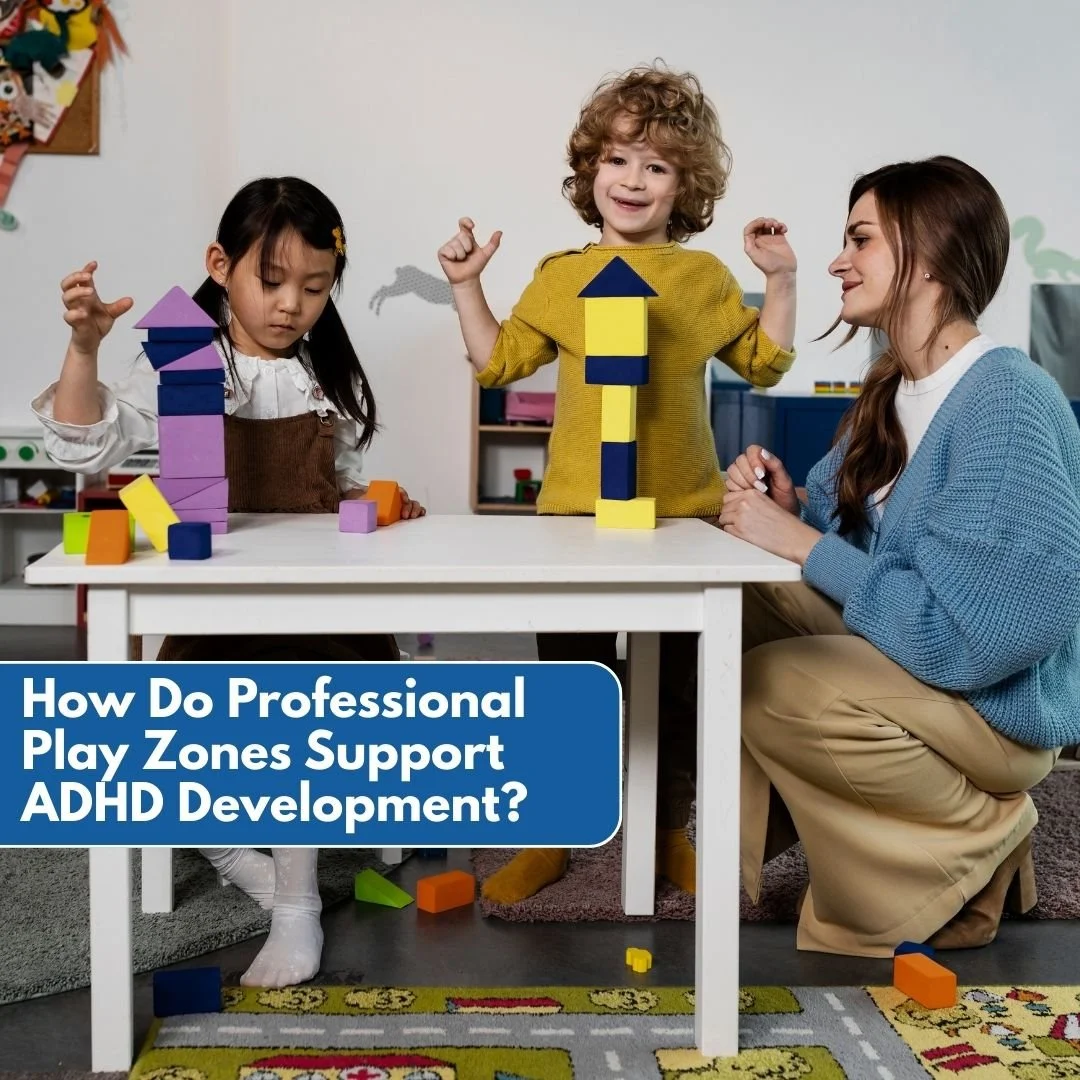
The space where a child plays shapes how their brain responds. Over the years, we have seen children struggle in busy settings and thrive in well-planned ones. Professional play zones are not random. They are designed to support activities for ADHD preschoolers with purpose and balance.
1. Energy Release and Focus
Designated movement areas give children freedom without overload. Clear zones help them burn energy, then shift smoothly into calmer play without confusion.
2. Sensory Regulation
Some children seek movement, texture, or pressure to feel settled. Sensory play areas like Soft Play Centre for Kids in Exeter meet this need safely. Quiet spaces nearby allow children to pause and reset when stimulation builds.
3. Social Skill Building
Guided group play teaches turn-taking and boundaries. Children learn how to interact without being corrected constantly.
4. Cognitive Benefits
Play-based learning encourages thinking through action. Problem-solving becomes natural when tasks feel achievable and familiar.
5. Structure and Boundaries
Predictable routines create emotional safety. When children know what comes next, anxiety reduces, and focus improves.
When placed in thoughtful environments, activities for ADHD preschoolers work more effectively and consistently. Next, let’s look at why parents across the UK place their trust in Wonderland Play.
Why Do Parents Trust Wonderland Play?

Parents return to Wonderland Play because they see steady progress, not quick fixes. Over time, trust grows through consistent care, clear communication, and spaces that truly support children. We do more than offer play. We guide development through thoughtful activities for ADHD preschoolers.
Active Zones
These areas allow children to move with purpose. Clear layouts support jumping, climbing, and running without tipping into overload. Movement stays controlled and productive.
Sensory Zones
Textures, pressure, and movement help children regulate. Soft Play Centre for Kids in Newton Abbot meets sensory needs in a calm, organised way rather than adding noise or confusion.
Quiet Zones
When stimulation builds, children need space to pause. Soft seating and low-activity areas help them reset at their own pace.
Expert Supervision
Our team understands ADHD behaviour through training and daily experience. Guidance stays calm, consistent, and respectful.
Parent Café
Parents relax while staying close. Clear sightlines allow observation without constant intervention.
Wonderland Play supports families beyond playtime. We work alongside parents as partners, using activities for ADHD preschoolers to build confidence, balance, and trust.
Conclusion
By now, one thing is clear. When play has purpose, children feel calmer, more confident, and more in control. Throughout this guide, we explored how structured movement, mindful activities, and supportive environments work together to help children with ADHD grow at their own pace. The right activities for ADHD preschoolers do more than fill time. They shape focus, behaviour, and emotional balance in everyday life.
You are not alone in figuring this out. Many families walk the same path, asking the same questions, and looking for spaces that truly understand their child. Children with ADHD thrive when adults choose environments designed for their needs, not just their energy.
If you are ready to give your child thoughtful play that supports real development, Wonderland Play welcomes you. Explore our spaces, meet our team, and see how the right activities for ADHD preschoolers can make daily life easier for your whole family.
Frequently Asked Questions
-
Support starts with routine, clear instructions, and short, structured activities. Use simple play tasks, gentle movement, and consistent praise so your child feels guided, not corrected.
-
The 1-3-5 rule helps with daily tasks. Choose one big task, three medium tasks, and five small tasks so children do not feel overwhelmed and can finish what they start.
-
Structured movement, puzzles, block play, trampolining, and role play work well. These activities help manage energy, improve focus, and support emotional control through guided play.
-
This rule explains that children with ADHD often behave emotionally younger than their age. A 10-year-old may manage emotions like a 7-year-old, so expectations need adjustment, not pressure.
-
The 5 C’s are Care, Consistency, Clear instructions, Calm responses, and Connection. Together, they create a supportive environment where children feel safe and understood.