
7 Proven Ways Soft Play Centres Turn Playtime into Safe, Confident Fun
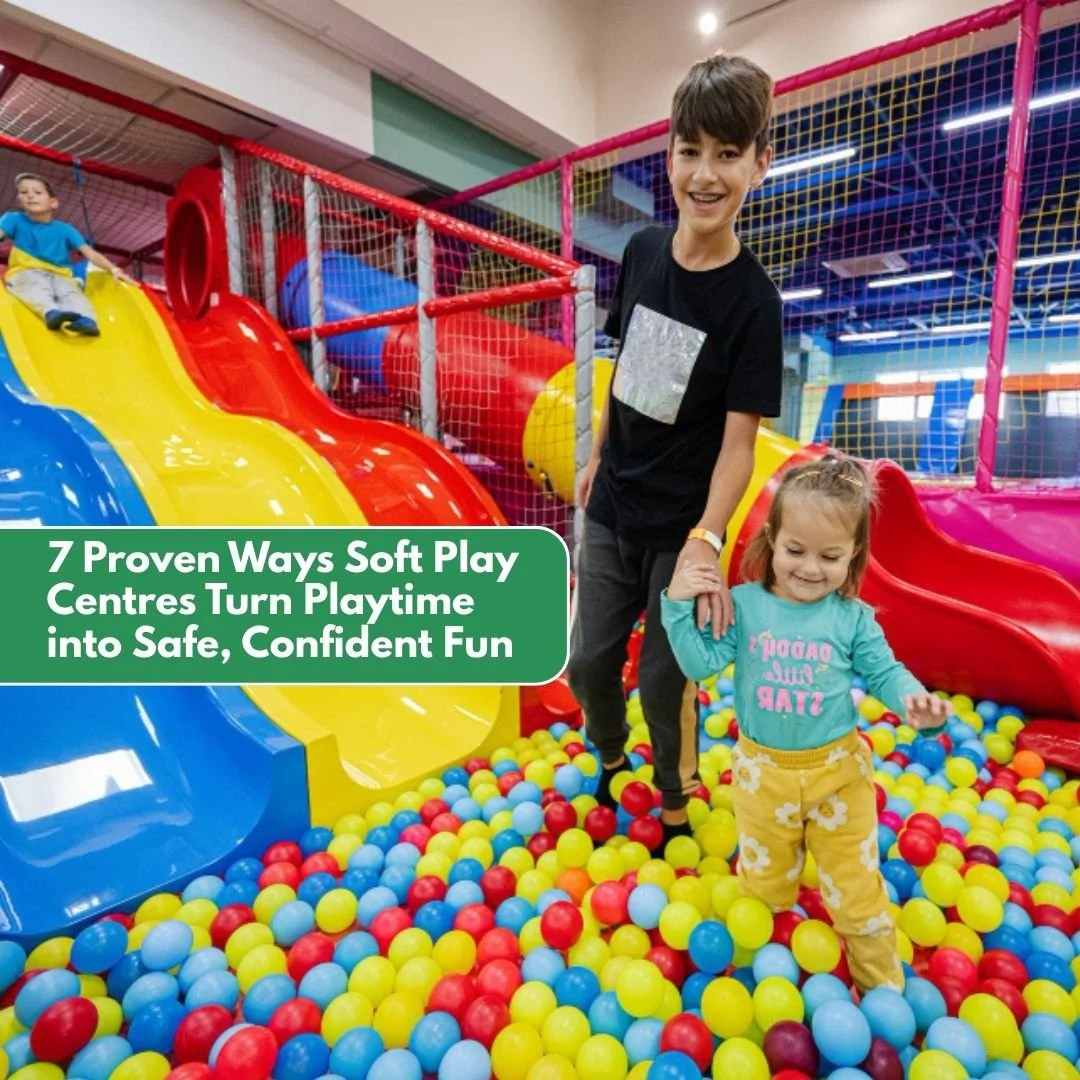
Parenting today often feels like standing in the middle of a jungle of advice. Every path promises better learning, faster growth, or happier children. Yet most parents are not looking for more noise. They are looking for direction. This is where soft play centres act like a quiet compass, pointing children toward the right skills at the right time, without pressure or confusion.
In the early years, play shapes how children move, react, share, and trust themselves. Still, many parents focus on keeping children busy, not building strong foundations.
Table of Contents
Over the years, we have seen that safe, guided play does more than burn energy. It builds confidence, control, and comfort in social spaces.
Families across the UK trust proven, experience-led spaces because children do not need perfection. They need safe environments where learning feels natural and fun feels secure. This guide explains how the right play setting, like Wonderland Play Centre, supports real growth backed with proven reasons without guesswork.
Reason 1: Encourage Strong Physical Development
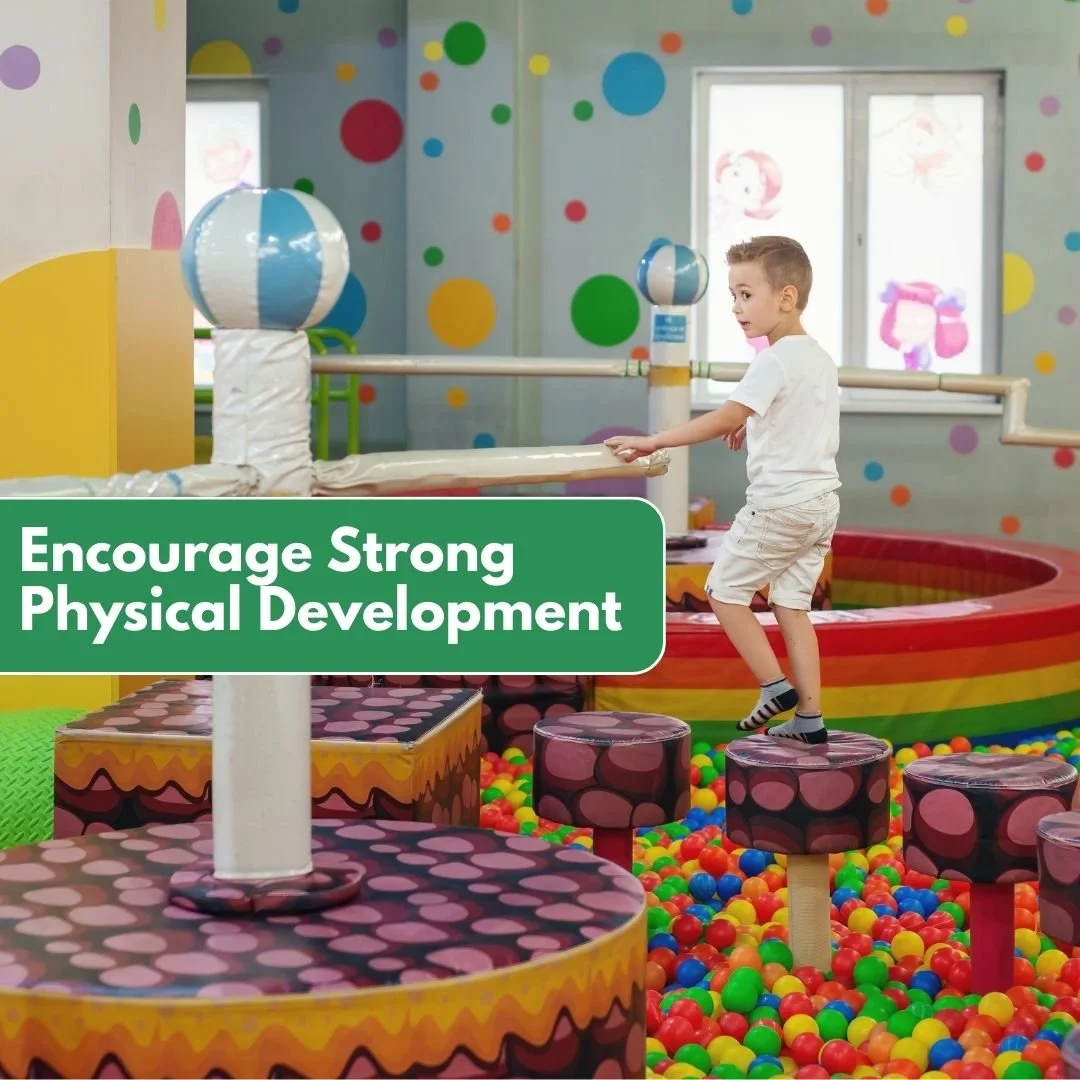
Children do not build strength by sitting still and without trying. They build it by moving their body, falling a little, learning from falling, correcting themselves, and trying again. This is where soft play centres play a quiet but important role in early physical development.
1. Support Balance
Layouts of the soft play centre in Exeter encourage children to step, climb, and shift weight safely. Walking across padded paths or low beams improves balance and body awareness. Over time, children learn how to control their movements instead of rushing through them.
2. Increase Strength
Climbing soft frames, pulling themselves up, and pushing through tunnels strengthens core muscles and limbs. These actions look simple, but they support posture, stamina, and everyday coordination, the kind of coordination children use at home and school.
3. Improve Coordination
Crawling, sliding, and gentle jumping help children sync their hands, feet, and focus. One parent shared how their four-year-old stopped tripping as often after regular sessions. Nothing changed at home; only their play routine did.
As children gain physical control, they also gain confidence. That natural confidence leads directly into emotional and social growth, which we explore next.
Reason 2: Support Emotional & Social Safety

Confidence does not appear overnight, and just saying that my child is very confident because you are. It grows when children feel safe enough to try, pause, and try again. This is where soft play centres support emotional growth in quiet, steady ways.
1. Reduces Fear of Falling
Clear layouts, soft surfaces, and visible supervision help children to relax. When they know what to expect, they move with less hesitation and more control. That sense of safety lowers fear and encourages natural confidence.
2. Social Skills Development
Sharing a slide, waiting for a turn, or following simple play rules happens naturally at play centres. Children learn patience by watching others, not through instructions. These moments build social awareness without pressure.
3. Engaging Children
We often see quieter children observe first, then slowly join in. One parent noticed their child began making eye contact and joining group play after a few visits. The environment did the work, not constant prompting.
Physical safety protects the body. Emotional safety protects trust and self-belief. A simple tip for parents: give children time to explore at their own pace and in the right space, like the soft play centre in Newton Abbot.
Once children feel secure emotionally, they are ready to build practical skills. That natural progress leads us into skill development through play, which comes next.
Reason 3: Skills Children Learn Without Realising It
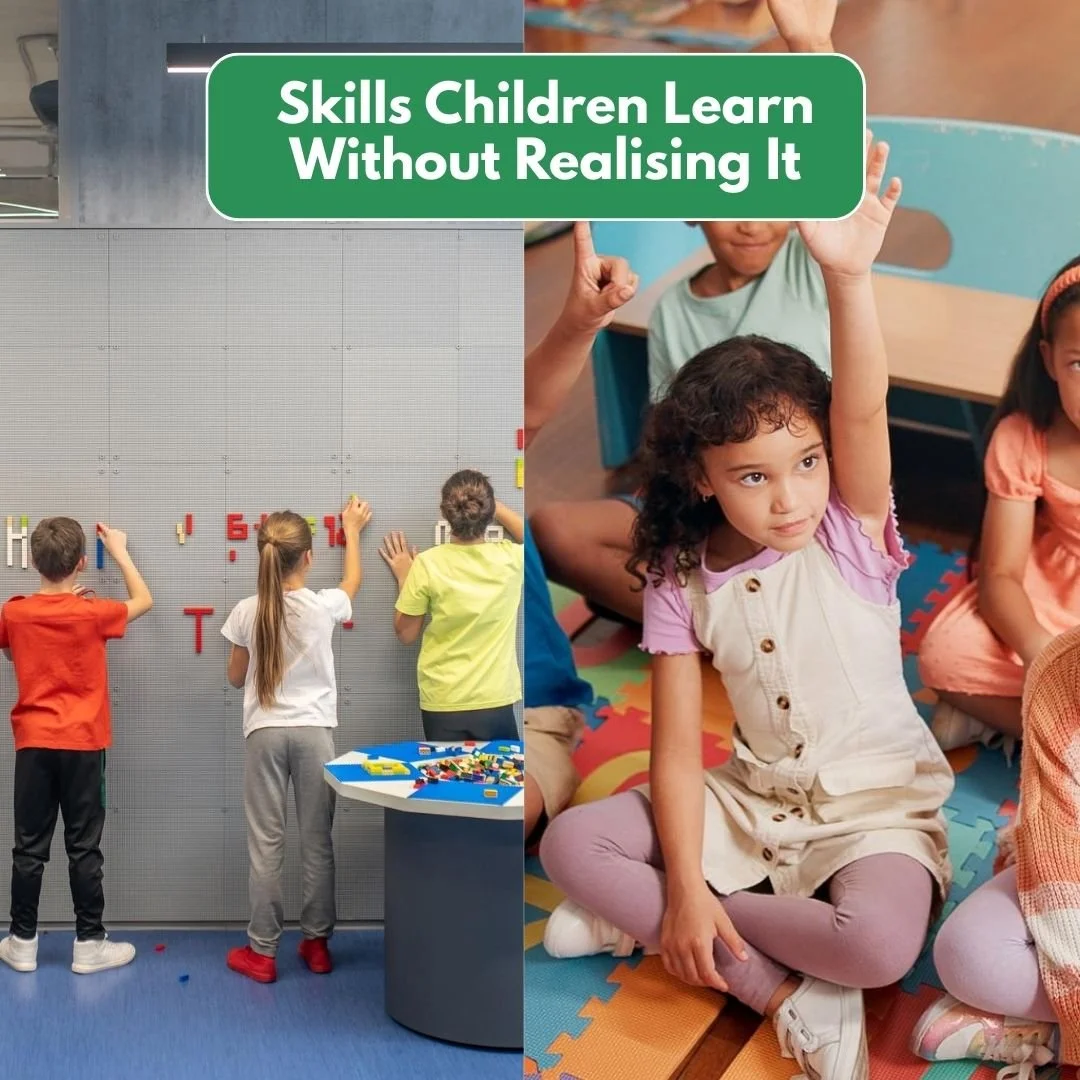
You will never be able to teach children a skill by making them sit in one place and listen to you or any text. They pick them up while moving, deciding, and adjusting in real time. That everyday learning is built into how soft play centres are designed.
1. Problem-Solving Skills
Obstacle paths ask simple questions: which way next, how high, and how slow. Children test, pause, and choose. Each decision strengthens thinking skills without turning play into a task.
2. Listening and Reacting Skills
Children follow short instructions, watch others, and respond quickly. Whether waiting for space on a slide or copying a move, they practise attention and reaction naturally.
3. Daily Skills
Role-play corners and group activities at the indoor play zone for kids build communication and teamwork. These are the same skills children use in classrooms and playgrounds.
After regular visits, many parents see better focus and independence. A practical tip: encourage children to complete activities on their own before stepping in.
As skills develop, structure becomes even more important. That brings us to why age-appropriate zones make such a difference, which we cover next.
Reason 4: Age-Appropriate Zones
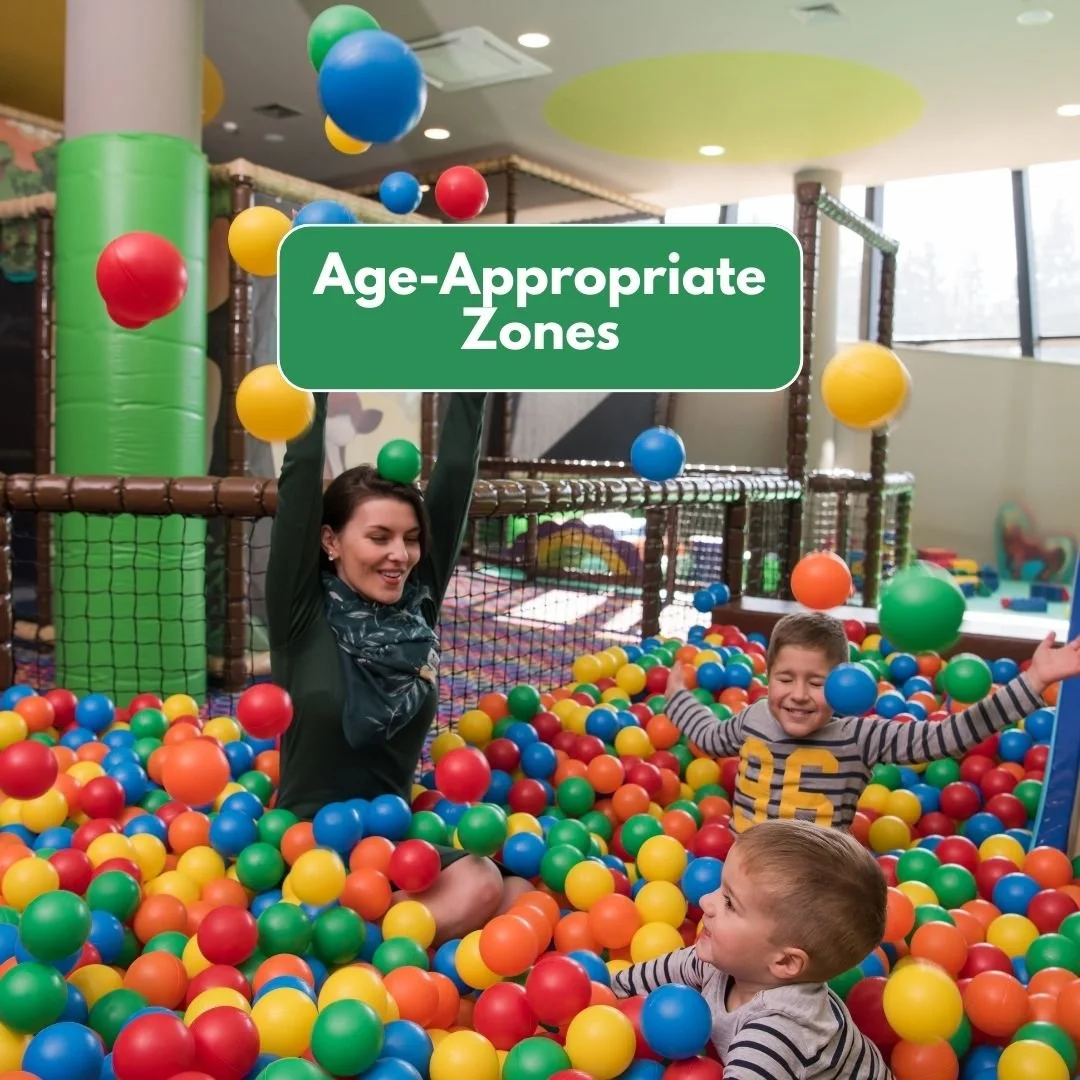
Children grow in different stages and phases, not all at once. When play spaces ignore that, children either feel rushed or held back. This is why well-planned soft play centres separate play areas by age and ability.
Why Is Mixed-Age Play Beneficial?
Younger children often freeze when play feels too fast or noisy. Older children, on the other hand, lose interest when activities feel too easy. Separation keeps play comfortable and focused.
Zones Designed for Each Stage
Toddlers explore soft shapes and low climbs. Preschoolers build balance and coordination. Older children take on structured challenges. Each zone supports growth without pushing children beyond their level.
Safe for each Age Group
Right-sized equipment like Best Trampolines for Children reduces falls and hesitation. Children move freely because they trust the space. That trust turns into confidence over time.
Parents can choose sessions that match their child’s age, not their height or energy level. Comfort always comes first for soft play centres.
When zones feel right, children stay engaged longer. That engagement makes safe fun possible, which leads directly into how activities are planned with purpose, covered in the next section.
Reason 5: Fun Play That Is Designed for Children
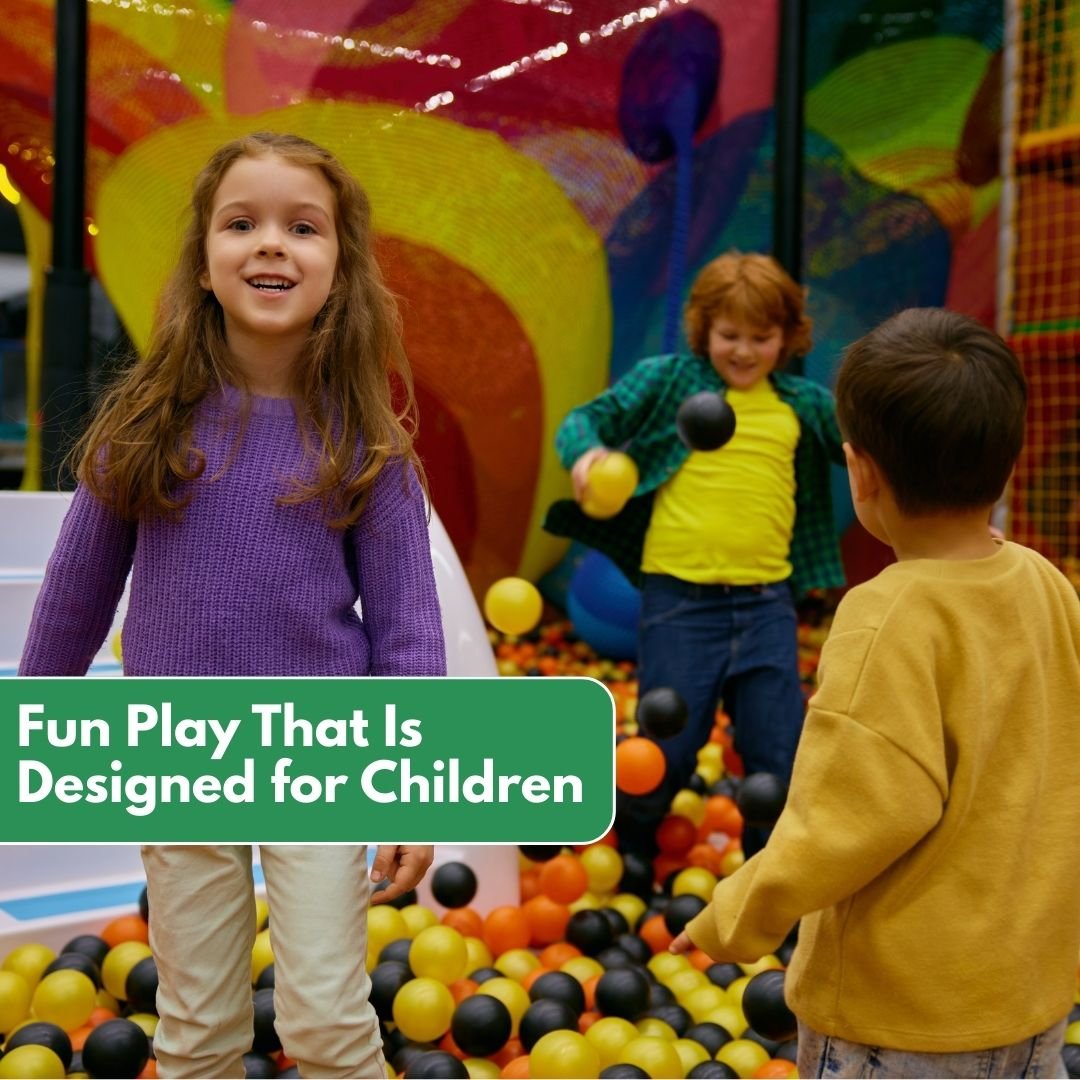
Children stay engaged when play has a clear rhythm. When activities follow a natural flow, children move with purpose instead of bouncing from one thing to another. This is where soft play centres stand apart.
1. Play that Keeps Children Focused
Well-planned layouts guide children from active zones to calmer spaces. This balance helps them play longer without becoming restless or overwhelmed.
2. Activities That Match Energy Levels
High-energy areas allow children to climb and crawl. Quieter sections slow things down with role play or simple challenges. This mix supports attention spans and prevents burnout.
3. Safe Design
Soft edges, secure flooring, and clear pathways reduce sudden stops and collisions. Children move confidently because the space supports them, not distracts them.
When fun follows thoughtful design, children feel settled and focused. That calm focus opens the door to another key benefit: how soft play spaces support parents too, which we look at next.
Reason 6: Space Specially Designed for Parents

Even the most dedicated parents need a moment to breathe and relax. Soft play centres understand this balance, creating spaces where parents can relax and sip some coffee while their children play safely.
1. Relaxed Parents Raise Calmer Children
When parents feel comfortable and stress-free, children pick up on that calm energy. A relaxed parent is more likely to guide, encourage, and enjoy the playtime rather than constantly worry.
2. Comfortable Seating
Soft play centres provide cosy seating areas and clear sightlines. Parents can sip coffee, catch up on messages, or simply watch their children without hovering, knowing they are safe.
3. Supporting Family Balance
By giving parents space, soft play centres promote overall family wellbeing. Children gain independence, parents gain calm, and the entire visit becomes enjoyable rather than stressful.
Creating safe, fun play is essential, but giving parents a comfortable, supervised space is just as crucial. Next, we’ll explore how soft play centres tailor sessions for every age group, making every visit purposeful and engaging.
Reason 7: Sessions That Fit Every Child

Not every child learns or plays the same way, and soft play centres recognise that. One-size-fits-all approaches often leave some children frustrated or under-stimulated.
Calm, Social, and High-Energy Sessions
Some sessions focus on gentle play for shy toddlers, others on interactive social games, while high-energy sessions challenge older children to climb, jump, and explore safely. Each format encourages growth at the child’s own pace.
By designing sessions that fit every child, soft play centres ensure no one is left behind, creating a trusted, reliable environment for growth. Next, we’ll look at why families across the UK consistently recommend Wonderland Play for these reasons and more.
Why Do Families Recommend Wonderland Play?
Wonderland Play doesn’t just provide a place to play; it offers an environment where children grow, explore, and feel safe, while parents gain confidence in every visit. Families across the UK recommend it because it consistently delivers on what truly matters.

1. Age-Appropriate Activities
Each zone and activity is designed to match children’s developmental stages, helping them build confidence, coordination, and social skills without feeling overwhelmed.
2. Specialised Sessions
Tots Club: Gentle, guided play for the youngest visitors.
Autism-friendly sessions: Calm, structured environments for SEN children.
Festival events and themed play: Keep all children engaged with creative, timely experiences.
3. On-site Café for Parents
Comfortable seating and refreshments let parents relax, knowing they can watch their children safely while enjoying a moment to themselves.
4. Expert Supervision
Trained staff ensure every activity is safe, enjoyable, and developmental. Children are free to explore, while parents gain reassurance.
5. Activities Designed around Different Children's Needs
From climbing frames to role-play areas, every setup supports skill development, creativity, and safe interaction.
Families choose Wonderland Play for these unique offerings, making every visit meaningful, safe, and fun.
Safe Play Today Builds Confident Children Tomorrow
Throughout this blog, we’ve explored 7 proven ways soft play centres support children’s growth, helping them build strong bodies, emotional confidence, practical skills, and social abilities. We’ve seen how age-appropriate zones, structured fun, dedicated sessions, and safe environments create spaces where children can truly thrive.
Choosing the right soft play centres matters because not all play spaces are designed with children’s development and safety in mind. Families across the UK trust centres that combine expertise, supervision, and thoughtful planning to ensure every child enjoys play while learning essential life skills.
Wonderland Play stands out as a place where safety, fun, and learning go hand in hand. From specialised sessions to parent-friendly spaces, it’s a trusted choice for those who want the best start for their children.
Take the next step today, visit Wonderland Play, and let your child experience a world where every bounce, climb, and slide supports their confidence, growth, and happiness.
Frequently Asked Questions
-
A safe play environment combines soft, cushioned surfaces, age-appropriate equipment, and constant supervision. Clear layouts and structured activities prevent accidents while letting children explore freely.
-
Regular safety checks, trained staff, and sanitised equipment ensure children can play without risk. Zones are designed for different ages, preventing overcrowding and reducing hazards.
-
Safety comes from secure equipment, soft flooring, clear sightlines, and staff who guide play. A well-planned environment balances fun with protection.
-
Soft play areas boost physical development, coordination, social skills, and confidence. They allow children to explore, climb, and interact safely while having fun.
-
Soft play supports toddlers’ early motor skills, balance, and social interaction. It gives them a safe space to learn, experiment, and build confidence at their own pace.