
What Are the Proven Benefits of Climbing Activities for Child Development?
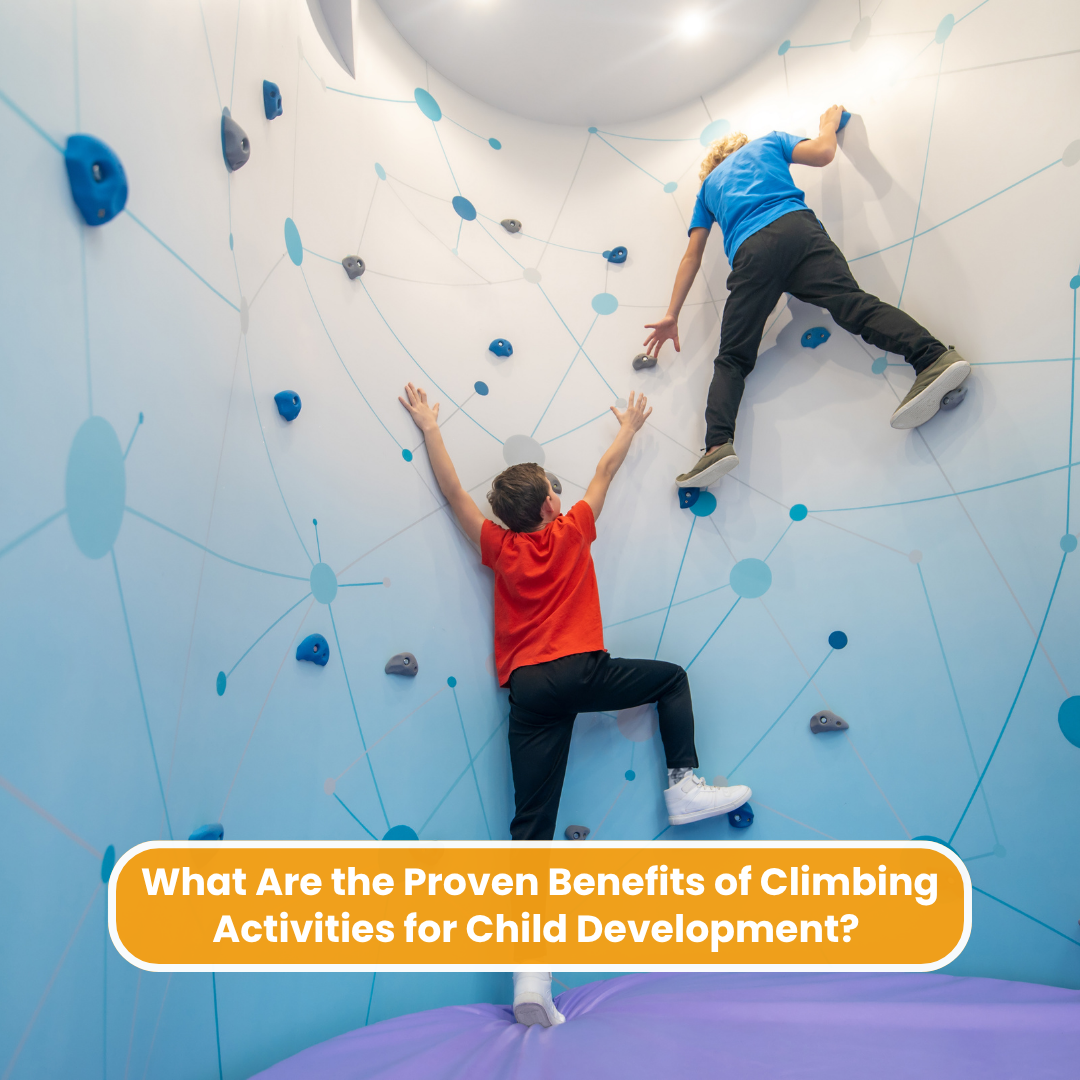
Why do children love climbing so much? Whether they are scaling playground frames, climbing soft play structures, or exploring obstacle courses, most children naturally enjoy movement and adventure. However, climbing is not just a fun activity. It is crucial to a child's normal development.
Climbing activities help children build strength, improve coordination, develop confidence, and strengthen problem-solving skills through active play. In a time when many children spend more hours on screens, physical activities that encourage movement and social interaction have become increasingly important.
Indoor play environments like Soft play zone for kids provide safe and engaging spaces where children can enjoy climbing while supporting their physical, emotional, and cognitive development. In this blog, we will explore the proven benefits of climbing activities and why they are valuable for growing children.
Why Do Children Naturally Love Climbing?
Children feel naturally drawn to climbing activities because climbing satisfies curiosity, exploration, and movement. It allows them to test their abilities while discovering the world around them in exciting and adventurous ways. Some common reasons children enjoy climbing include:
They feel a sense of accomplishment and adventure as a result.
They enjoy exploring heights, movement, and balance.
Climbing keeps their minds and bodies fully engaged.
It provides excitement and physical challenges.
Children feel independent when overcoming obstacles.
Compared to passive screen-based entertainment, active play is more engaging.
Beyond fun and adventure, climbing activities also support healthy child development.
15 Powerful Benefits of Climbing Activities for Child Development
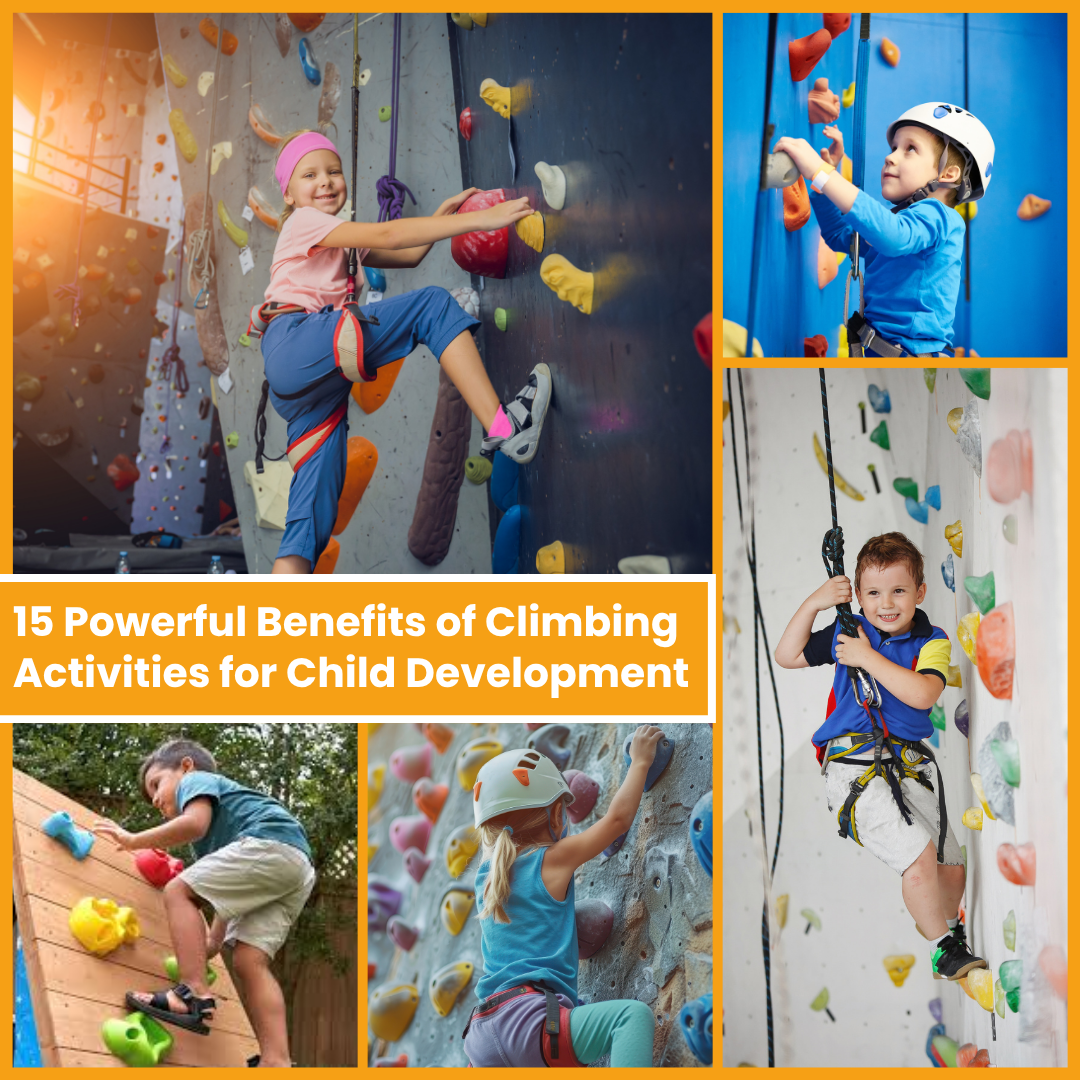
Climbing activities support multiple areas of childhood development at the same time. They help children become stronger physically, sharper mentally, more confident emotionally, and better connected socially. Let us explore the proven developmental benefits children gain through climbing play. Let us first look at the physical benefits of climbing activities.
Physical Benefits of Climbing Activities for Children
Physical activity is essential during childhood because growing bodies need movement to develop properly. Climbing encourages children to use multiple muscle groups while improving coordination and control. Climbing activities support children’s physical development in several important ways.
1. Builds Strength and Muscle Development
Climbing activities help strengthen children’s arms, legs, shoulders, core muscles, and grip strength through full-body movement. Every climb encourages children to pull, push, balance, and support their own body weight naturally. These movements improve overall muscle development while helping children become physically stronger and more active over time.
Along with building strength, climbing also improves body control.
2. Improves Balance and Coordination
While climbing, kids frequently modify their body positions, which enhances their coordination and balance. They learn how to move safely, place their feet carefully, and control their movements with greater accuracy. Better balance supports posture, stability, and smoother movement during everyday activities and sports.
Alongside coordination, climbing also strengthens essential motor skills.
3. Enhances Gross Motor Skills
Climbing involves stretching, reaching, crawling, jumping, and climbing across obstacles. These movements help children develop gross motor skills by strengthening larger muscle groups throughout the body. Strong gross motor skills support running, jumping, playing sports, and maintaining healthy physical development.
Beyond movement skills, climbing also helps children release energy in healthy ways.
4. Encourages Healthy Energy Release
Many children naturally have high energy levels and need active outlets throughout the day. Climbing activities provide healthy ways to release energy while staying engaged and focused. Regular physical activity can also reduce indoor restlessness and support healthier daily routines.
Along with physical growth, climbing also supports brain development.
Cognitive and Brain Development Benefits
Climbing challenges children to think, plan, and make decisions quickly. It combines movement with problem-solving, which helps strengthen cognitive development naturally through play.
Climbing activities also support children’s learning and cognitive development in several ways.
5. Improves Problem-Solving Skills
Children must think carefully about how to climb safely, where to place their hands and feet, and how to move across obstacles. These decisions improve planning and problem-solving abilities. Climbing teaches children how to adapt quickly while finding practical solutions independently.
Alongside problem-solving, climbing also improves spatial awareness.
6. Develops Spatial Awareness
Climbing helps children understand distance, height, body positioning, and movement within space. They learn how their body moves around objects and obstacles more confidently. Strong spatial awareness supports coordination, physical safety, and everyday movement skills.
Climbing activities also help strengthen focus and concentration.
7. Strengthens Focus and Concentration
Children need concentration while climbing because they must pay attention to balance, movement, and safety. This encourages them to stay mentally focused for longer periods. Active challenges that require concentration can support learning and engagement in other daily activities as well.
Along with concentration, climbing also encourages independent thinking.
8. Encourages Independent Thinking
Climbing often involves trial and error, allowing children to learn through experience. They begin making decisions independently while testing their abilities safely. This builds confidence in their judgement and encourages more independent thinking over time.
Beyond cognitive growth, climbing also supports emotional development.
Emotional Benefits of Climbing Activities
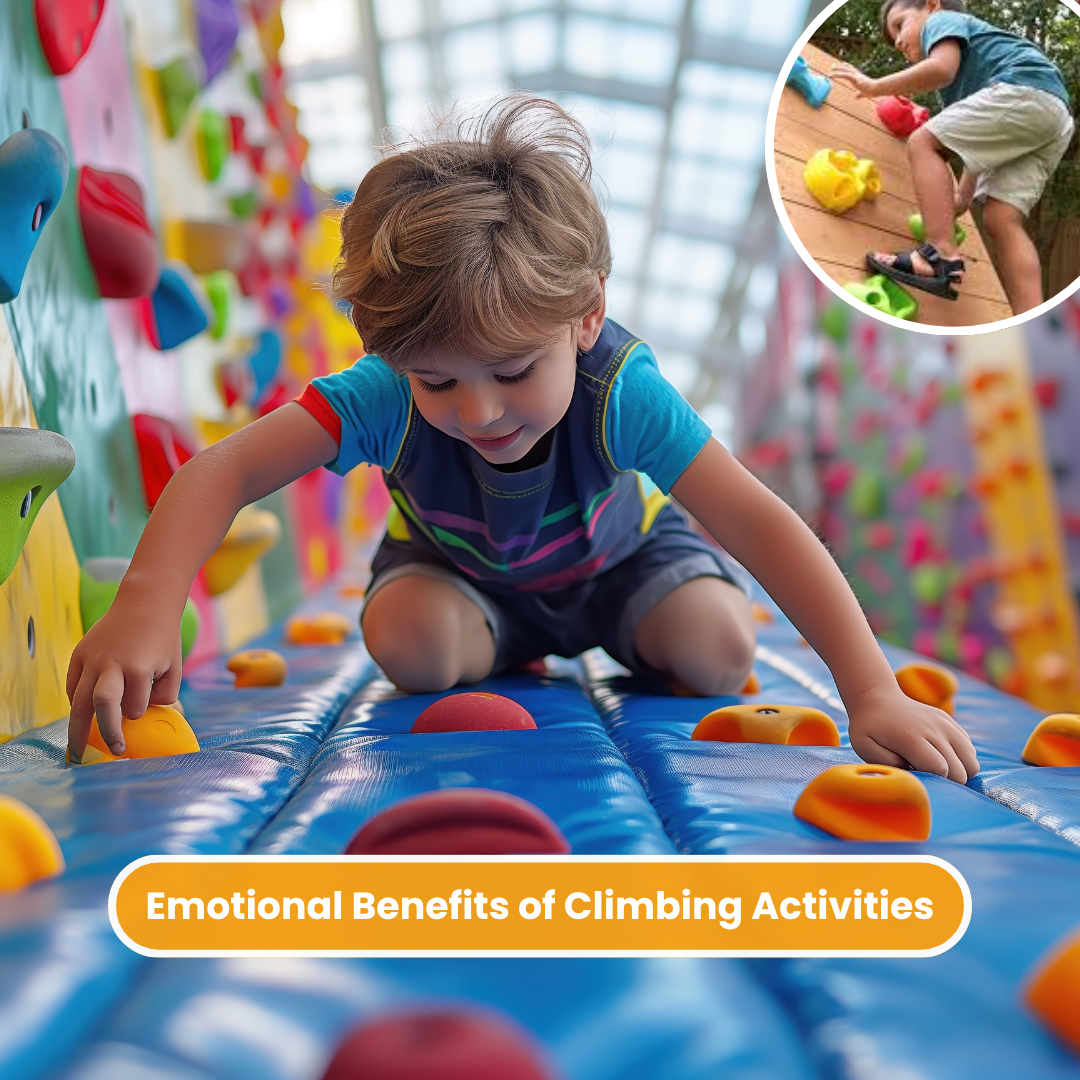
Children experience many emotional milestones through active play. Climbing activities help them manage emotions, build confidence, and become more resilient in challenging situations. Climbing activities help children build confidence and self-belief.
9. Builds Self-Confidence
Completing climbing challenges gives children a strong sense of achievement. Even small successes can boost confidence and encourage children to trust their abilities. This growing self-confidence often carries into other parts of childhood development.
Along with confidence, climbing also teaches children how to face challenges safely.
10. Helps Children Overcome Fear Gradually
When children attempt new physical activities, they naturally feel afraid. Climbing helps them manage small risks in controlled and supervised environments. Learning to overcome challenges gradually can improve courage and emotional growth.
Climbing activities also help children develop resilience and persistence.
11. Supports Emotional Resilience
Not every climbing attempt works the first time perfectly. Children learn persistence when they try again after struggling or failing. This helps them build emotional resilience and develop healthier attitudes towards challenges.
Physical activity also plays an important role in emotional well-being.
12. Reduces Stress and Anxiety
Physical movement releases energy and helps improve mood naturally. Active climbing play can help children feel calmer, happier, and emotionally balanced. Regular physical activity may also reduce stress and support overall emotional well-being.
Along with emotional development, climbing also encourages social interaction.
Social Development Through Climbing Play
Children often climb together in shared play environments like Wonderland Play Zone, creating opportunities for communication, teamwork, and friendship building. Climbing activities naturally encourage positive social interaction.
13. Encourages Teamwork and Interaction
Children learn how to wait for turns, support each other, and play cooperatively during climbing activities. Shared challenges encourage teamwork and social interaction. These experiences help children develop positive social habits from an early age.
Alongside teamwork, climbing also improves communication skills.
14. Improves Communication Skills
Children often talk, encourage, and guide each other while playing. These conversations strengthen communication and social confidence naturally. Interactive play environments like Soft Play Zone in Exeter create opportunities for meaningful social engagement.
Climbing activities also help children build friendships naturally.
15. Builds Friendships Naturally
Shared play experiences help children form friendships more easily. Climbing activities encourage children to bond through fun, adventure, and teamwork. These positive social experiences can improve confidence in group settings.
Parents also play an important role in encouraging safe and healthy climbing play.
How Parents Can Encourage Safe Climbing Play?
Children benefit most when parents support active play while maintaining safe boundaries. Encouraging climbing activities confidently can help children explore and develop important skills naturally. Here are some simple ways parents can encourage safe climbing play.
Choose Age-Appropriate Play Areas
Children should use climbing equipment designed for their age and developmental stage. Safe environments help reduce unnecessary risks while supporting confidence-building activities. Age-appropriate play structures allow children to explore safely at their own pace.
Along with safe spaces, children also need freedom to explore independently.
Encourage Exploration Without Over-Control
Children develop confidence when they explore challenges independently. Parents should encourage safe exploration without constantly intervening during manageable situations.
This balance allows children to learn naturally through movement and experience.
While encouraging independence, safe supervision remains important.
Balance Safety With Independence
Supervision remains important, but children also need freedom to test their abilities. A balanced approach helps children become more confident while staying safe. Supportive supervision encourages healthy development without limiting curiosity and adventure.
Quality Soft Play Zone in Newton Abbot also supports healthy child development in many ways.
How Play Centres Support Healthy Child Development?

Soft play centres combine physical activity, social interaction, and developmental learning in one exciting environment. Some important benefits of play centres include:
Safe climbing frames and obstacle courses.
Interactive play areas that encourage movement.
Opportunities for social interaction and teamwork.
Stimulating environments that support imagination.
Active alternatives to passive screen time.
Spaces that encourage confidence and exploration.
At Play centres, children can enjoy engaging Indoor Play Activities of Kids designed to support both fun and healthy development in a safe indoor environment.
Conclusion
Climbing activities provide far more than simple entertainment for children. They support physical strength, balance, coordination, cognitive development, emotional well-being, and social confidence through active and engaging play.
From improving problem-solving skills and concentration to building resilience and friendships, climbing helps children develop important life skills naturally. In today’s increasingly screen-focused world, active play has become more important than ever for healthy childhood development. This is one reason many parents search for fun Exeter indoor activities for families that keep children active, social, and engaged, whatever the weather.
Indoor play environments such as Wonderland Play give children exciting opportunities to stay active, confident, and socially connected while enjoying safe climbing experiences throughout the year. Encouraging children to climb, explore, and move freely today can support healthier, happier development for years to come.
Frequently Asked Questions
-
Most children can begin age-appropriate climbing activities during their toddler years with proper supervision. Soft play centres often include specially designed climbing areas for younger children. These activities help support early physical coordination and confidence development.
-
Yes, climbing activities are generally safe when children use equipment suitable for their age and abilities. Supervised indoor play environments help reduce unnecessary risks while encouraging active movement. Safety measures and soft play surfaces also provide extra protection during play.
-
Climbing activities support physical, cognitive, emotional, and social development through active play. They help children improve strength, balance, coordination, confidence, and problem-solving abilities. Climbing also encourages communication, teamwork, and independent thinking.
-
Yes, climbing activities provide children with exciting alternatives to screens and passive entertainment. Active play keeps children physically engaged while supporting healthier daily routines. Many children naturally spend less time on devices when involved in interactive play activities.
-
Indoor climbing activities help children stay active during rainy, colder, or unpredictable UK weather conditions. They provide safe environments for year-round movement, exercise, and social interaction. Indoor play centres also help families find engaging activities throughout every season.
-
Yes, climbing activities encourage children to interact naturally through shared play experiences. Children often communicate, cooperate, and build friendships while exploring climbing areas together. These positive social experiences can help shy children feel more confident around others.