
Why Structured Play Activities Support Healthy Child Development?
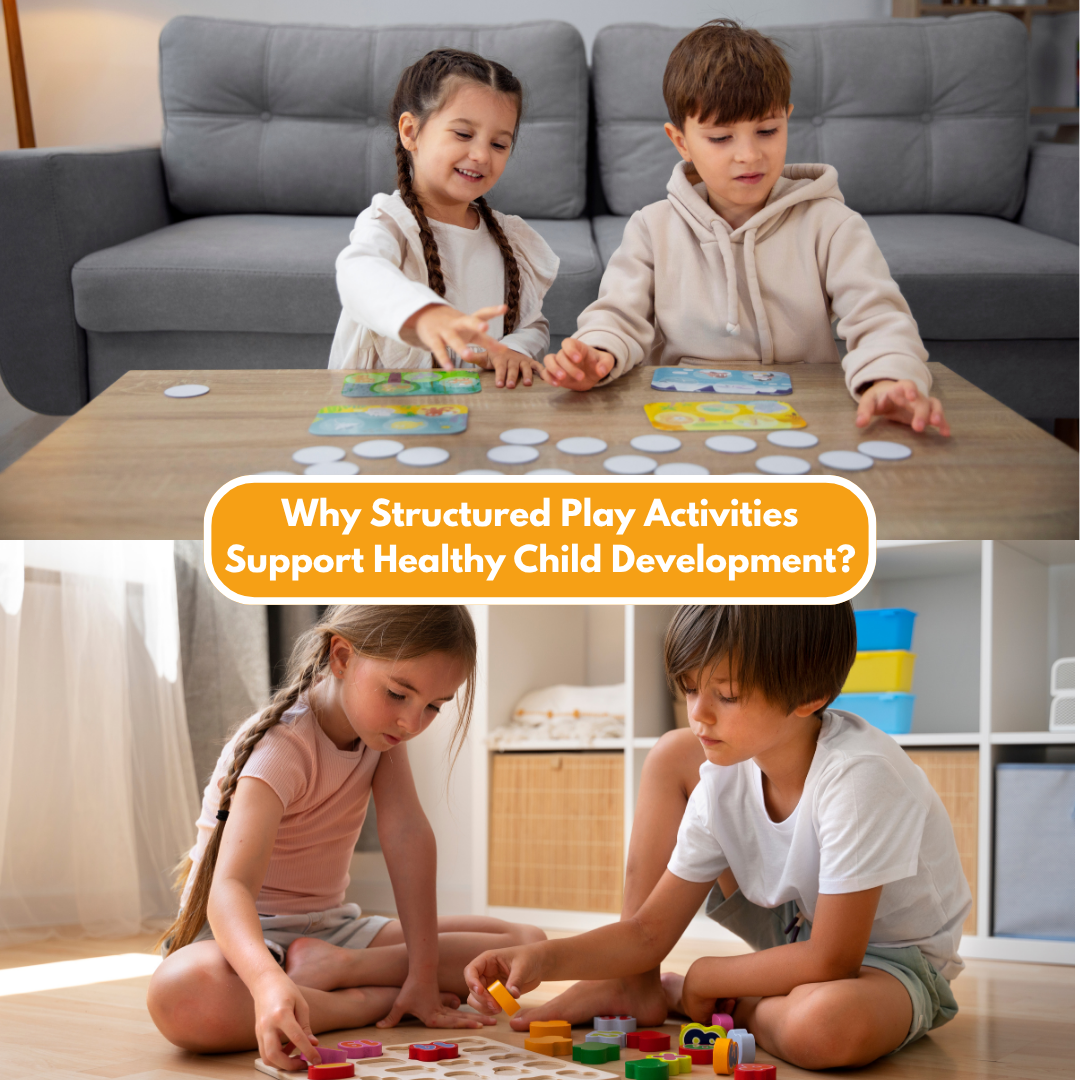
Children learn more through play than many people realise. From building confidence and communication skills to improving balance and creativity, play supports almost every aspect of childhood development. However, with increased screen time and busy routines, many parents worry about whether their children are getting enough active and meaningful play opportunities.
That is where structured Indoor Play Activities for Children can help. Unlike unplanned entertainment, structured play combines fun with purpose, encouraging children to move, think, communicate, and solve problems in an engaging way.
Activities such as obstacle courses, role play, and group games help support social, physical, and emotional development.
At Wonderland Play, children can enjoy safe and exciting play experiences designed to encourage healthy growth while creating memorable family moments. This blog explores why structured play is essential for child development and how it helps children build valuable life skills from an early age.
Why Do Children Learn Best When Play Feels Natural?
Children learn better when activities feel enjoyable, engaging, and pressure-free. Soft Play Sessions for Kids encourages natural curiosity while helping children stay emotionally comfortable and motivated. Moving from formal learning to playful activities helps children stay engaged for longer play.
Improves memory and concentration through interactive experiences.
Stimulates imagination, creativity, and curiosity naturally.
Supports language, communication, and social development.
Encourages teamwork, sharing, and emotional expression.
Helps children develop problem-solving and decision-making skills.
Enhances motor abilities, balance, and coordination through movement.
Increases motivation and focus during learning activities.
Reduces boredom and pressure often linked with traditional learning.
Builds emotional confidence, resilience, and independence.
Encourages healthier behavioural and social habits long-term.
Replacing passive entertainment with purposeful play encourages healthier childhood development.
How Structured Play Strengthens Family Connections?
Play is not only important for children. It also helps families build stronger emotional connections, healthier communication, and more meaningful shared experiences. Making time for shared play helps families reconnect more naturally.
Encourages families to enjoy meaningful moments spent together.
Reduces distractions from screens and busy daily routines.
Creates happy and memorable childhood experiences.
Strengthens communication between family members.
Builds trust, emotional security, and understanding.
Encourages teamwork and cooperation within families.
Supports healthier and more active family lifestyles.
Promotes laughter, bonding, and positive interaction.
Gives children a sense of emotional security, support, and worth.
Strengthens long-term family relationships through shared experiences.
Spending time together through interactive activities strengthens emotional well-being for the whole family.
16 Reasons Structured Play Activities Are Essential for Healthy Child Growth
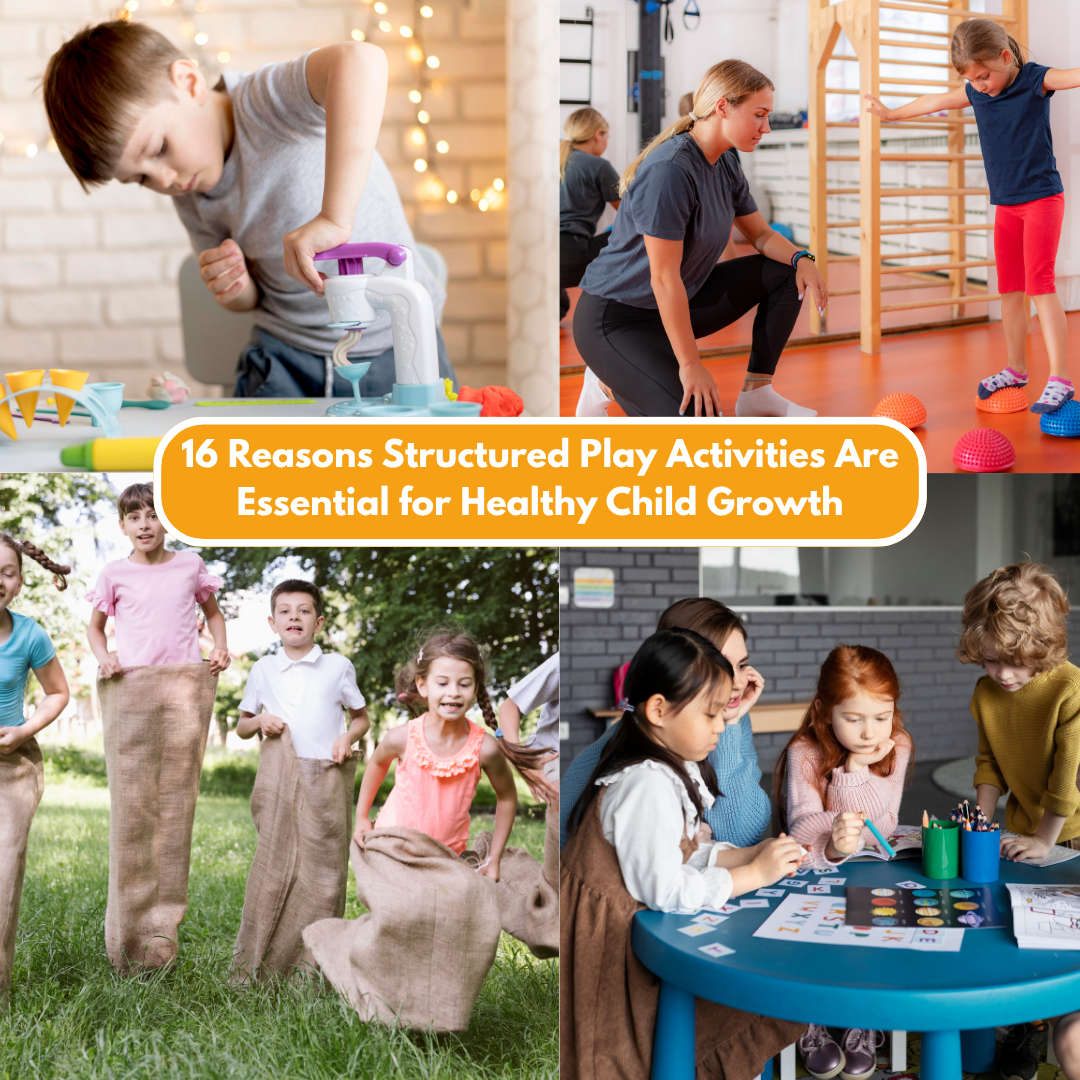
Structured play supports multiple areas of childhood development at the same time. From physical movement to emotional intelligence, these activities encourage balanced growth while keeping children entertained and engaged. Whether at home, school, or a Soft Play Zone in Exeter, structured play provides valuable opportunities for children to learn, explore, and develop essential life skills.
Supports Physical Development
Physical movement is essential during childhood because growing bodies need regular activity to develop strength, coordination, and balance properly. Encouraging movement-based play instead of inactivity supports healthier child growth.
1. Building Strength, Balance, and Coordination
Climbing, crawling, jumping, and balancing activities improve muscle strength and body coordination. These movements help children become more physically confident during everyday activities.
Active play naturally improves children’s balance, coordination, and body awareness.
2. Improving Fine and Gross Motor Skills
Activities involving building blocks, drawing, throwing, or catching strengthen both large and small muscle movements. These skills later support writing, sports, and daily tasks.
Different types of movement help children improve flexibility and physical control.
3. Encouraging Active Movement in Everyday Life
Children who regularly participate in active games are more likely to enjoy movement as part of their lifestyle. This helps reduce unhealthy sedentary habits from an early age.
Reducing inactive entertainment helps children build healthier daily routines.
4. Physical Play Builds Confidence
When children successfully complete physical challenges, they feel more capable and independent. Small achievements during play encourage confidence and self-belief.
Overcoming physical challenges helps children build confidence and emotional resilience.
Improves Social and Emotional Skills
Social interaction during play teaches children how to communicate, cooperate, and understand emotions in healthy ways.
Group interaction helps children develop stronger social awareness and communication skills.
5. Teaching Communication Through Group Activities
Group games encourage children to listen, speak clearly, and express ideas confidently while interacting with others.
Team activities and group interaction help children build stronger communication skills.
6. Helping Children Learn Sharing and Teamwork
Children learn patience, cooperation, and fairness during team activities. These lessons help them build stronger friendships and social confidence.
Team activities help children develop empathy, cooperation, and understanding.
7. Building Emotional Confidence in Social Settings
Structured environments help shy children feel safer interacting with others. Positive social experiences gradually build emotional confidence.
Positive social experiences help children feel more comfortable and emotionally secure.
8. Supporting Independence Through Play
Children become more independent when they make choices, solve small challenges, and complete activities on their own.
Independent play experiences help children build confidence and personal growth.
Encourages Problem-Solving Skills
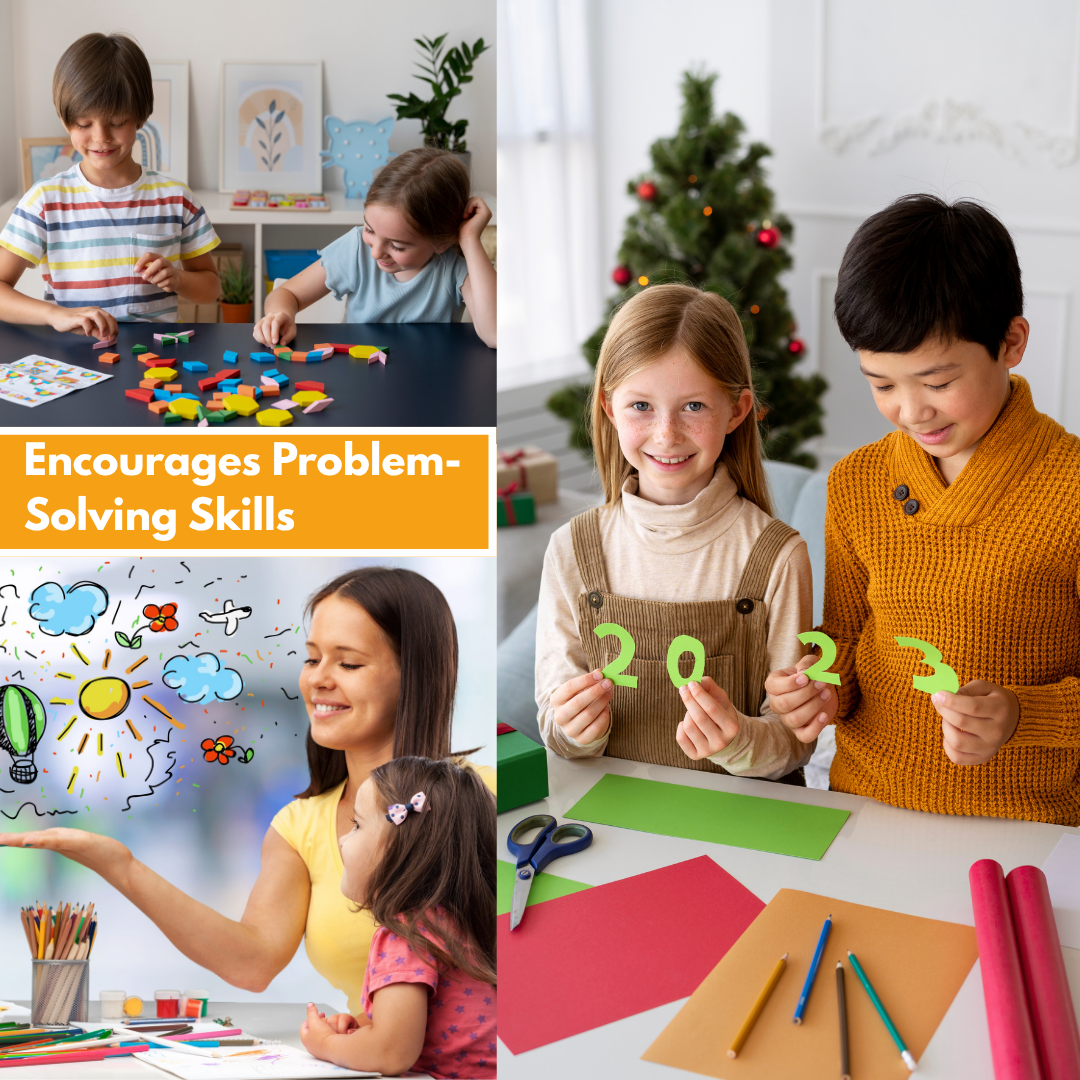
Many activities challenge children to think creatively, make decisions, and explore solutions independently.
Creative challenges help strengthen children’s thinking and cognitive development.
9. Helping Children Think Creatively
Pretend play, building games, and creative tasks encourage imagination while helping children explore ideas freely.
Imaginative play encourages creativity, curiosity, and innovative thinking.
10. Developing Decision-Making Through Play Challenges
Games involving rules, choices, or obstacles help children think carefully before acting and improve decision-making skills.
Play challenges help children build confidence in problem-solving and decision-making.
11. How Play Activities Improve Focus and Concentration
Activities requiring attention and patience help children improve concentration naturally without making learning feel stressful.
Improved focus and concentration can support better learning in classroom environments later.
12. Learning Through Exploration and Curiosity
Children naturally ask questions and investigate during play. This curiosity encourages continuous learning and discovery.
Exploration and curiosity help strengthen children’s cognitive development naturally.
Reduces Screen Time
Excessive screen exposure can reduce physical activity and social interaction. Structured alternatives encourage healthier engagement.
Reducing screen time helps children build healthier and more balanced daily routines.
13. The Impact of Excessive Screen Use on Children
Too much screen time can affect sleep, concentration, communication, and physical health. Children need varied experiences beyond digital entertainment.
Active play helps children develop healthier daily habits and routines.
14. Why Active Play Is More Beneficial Than Passive Entertainment
Unlike passive screen use, active play stimulates movement, imagination, communication, and emotional interaction all at once.
Physical activities support children’s overall physical, social, and emotional development.
15. Creating Healthier Daily Routines Through Play
Regular play schedules encourage a healthier balance between learning, rest, and recreation. Consistency also improves behaviour and emotional stability.
Structured routines help children feel more secure and emotionally balanced.
16. Encouraging Real-World Interaction and Creativity
Hands-on experiences help children build practical understanding, creativity, and stronger social relationships in real-world settings. Visiting a Soft Play Zone in Newton abbot allows children to interact with others, explore new challenges, and develop important social and creative skills away from screens.
Real-world interaction helps children build stronger communication and social skills.
10 Structured Play Activities That Support Healthy Child Growth
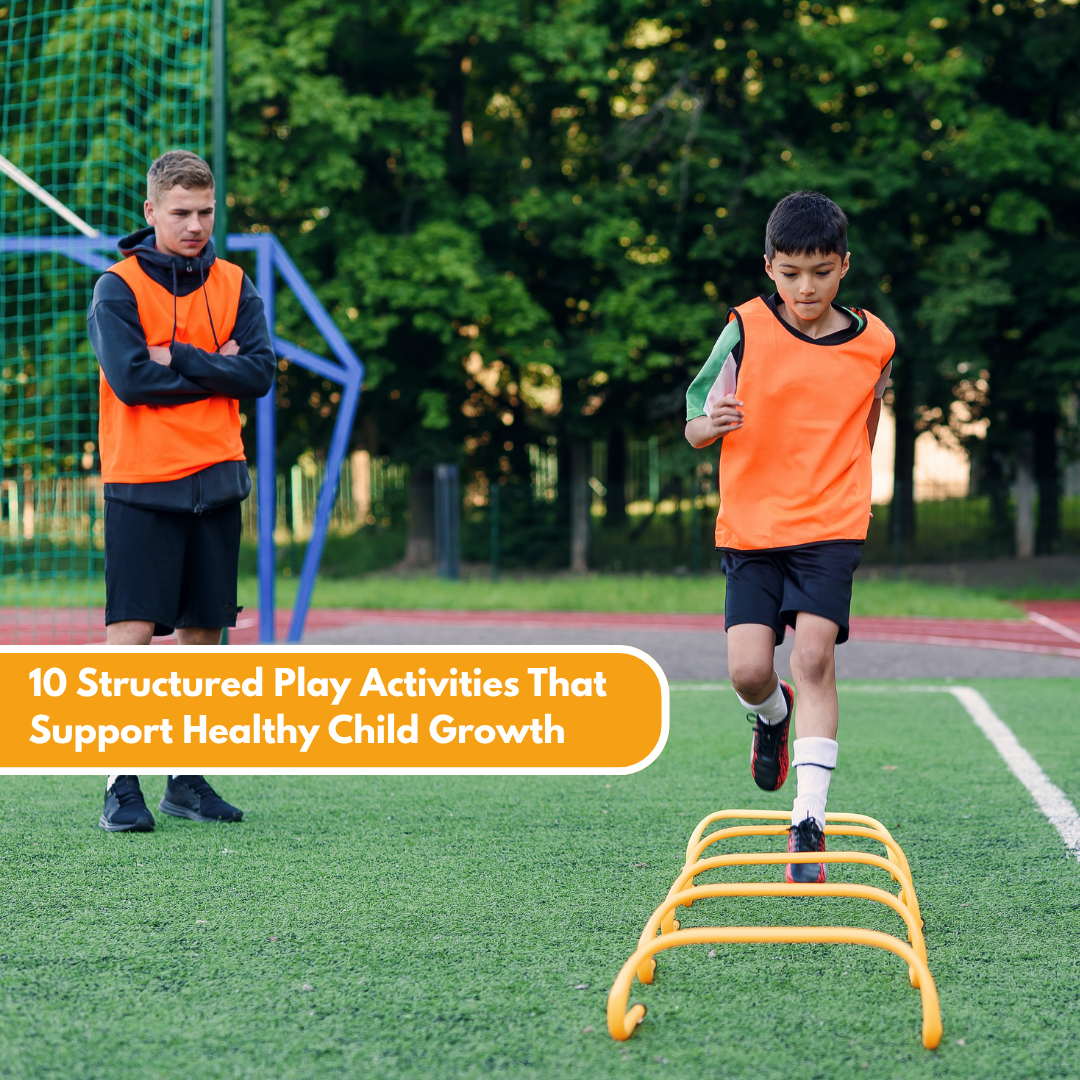
The right activities can make learning enjoyable while supporting multiple areas of development at the same time. These structured play activities encourage movement, creativity, communication, and confidence.
1. Obstacle Courses: Obstacle courses improve balance, coordination, and confidence while encouraging children to stay active through exciting movement challenges.
2. Role Play and Pretend Play: Pretend scenarios encourage creativity, communication, and emotional understanding while allowing children to explore different social situations.
3. Group Circle Games: Circle games teach listening, teamwork, patience, and social interaction in a fun and supportive group setting.
4. Sensory Play Activities: Sand, water, textures, and sensory materials stimulate curiosity while supporting cognitive and motor development.
5. Building Block Challenges: Building activities improve concentration, creativity, and problem-solving while strengthening fine motor skills.
6. Treasure Hunts: Treasure hunts combine movement, observation, and critical thinking while keeping children excited and engaged.
7. Dance and Movement Sessions: Dancing improves coordination, rhythm, fitness, and emotional expression through energetic movement.
8. Arts and Crafts Activities: Creative tasks encourage imagination, patience, and fine motor development while allowing children to express themselves freely.
9. Ball Games and Team Activities: Throwing, catching, and team games improve coordination, communication, and cooperation skills.
10. Puzzle and Matching Games: Puzzles improve concentration, memory, and logical thinking while encouraging children to solve problems independently.
While the right activities support development, the environment where children play is equally important.
Why Are Safe Play Environments Important for Children?
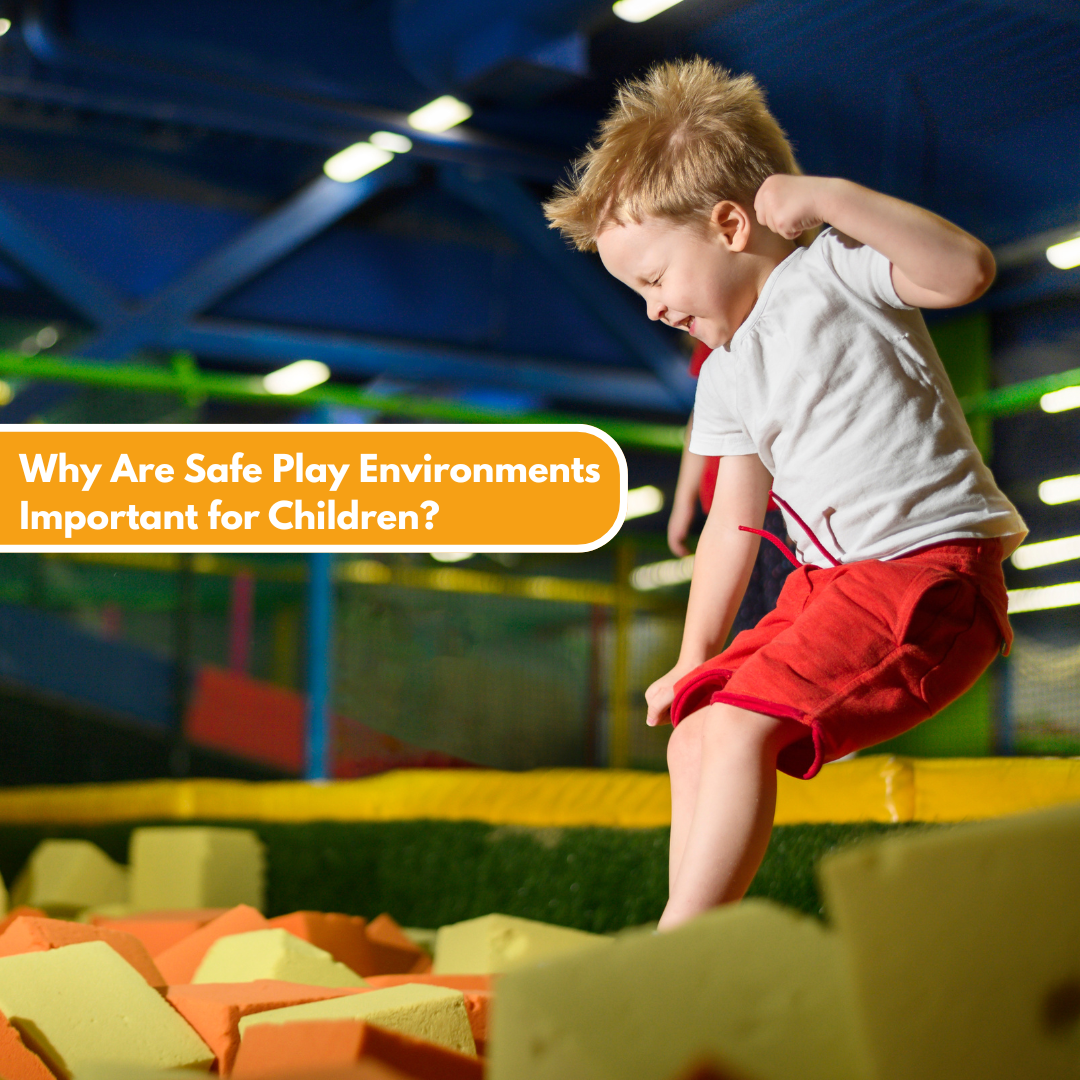
A safe environment allows children to explore confidently without unnecessary risks. When children feel secure, they participate more freely and enjoy activities more fully.
Creating a Secure Space for Exploration
Children learn more confidently when they feel physically and emotionally safe during activities. A secure environment encourages them to explore new challenges, develop independence, and build confidence without fear of making mistakes.
The Importance of Age-Appropriate Activities
Activities designed for specific age groups support healthy development without overwhelming children physically or emotionally.
How Indoor Play Centres Combine Safety and Fun?
Indoor play centres such as Wonderland Play Zone in the UK provide exciting spaces where children can enjoy structured play activities safely while developing important life skills through active experiences.
Giving Parents Peace of Mind During Playtime
Parents feel more relaxed when children play in supervised spaces designed with safety and child development in mind.
By combining safety, creativity, and active learning, structured play supports healthy development in meaningful ways.
Conclusion
Healthy childhood development depends on more than education alone. Children need movement, creativity, communication, emotional support, and opportunities to explore the world around them confidently. Structured play creates the perfect balance between fun and learning while supporting physical health, emotional resilience, social confidence, and cognitive growth.
From obstacle courses and role play to sensory activities and team games, many of the best play-based learning activities for children help develop valuable life skills in a natural and enjoyable way. These activities also strengthen family relationships, reduce excessive screen time, and encourage healthier daily routines that benefit children in the long term.
Places like Wonderland Play give children safe and engaging environments where learning through play feels exciting, active, and rewarding. When children are given opportunities to play with purpose, they gain experiences that shape healthier, happier, and more confident futures.
Frequently Asked Questions
-
Structured play activities are organised games or tasks with clear rules, goals, or instructions. They are usually guided by adults or designed around a specific learning outcome. Examples include obstacle courses, team games, arts and crafts, and problem-solving activities.
-
Structured play helps children develop physical, social, emotional, and cognitive skills. It encourages teamwork, communication, confidence, and discipline while supporting healthy growth. These activities also help children learn how to follow instructions and solve problems.
-
Structured play gives children engaging alternatives to phones, tablets, and television. Fun activities keep them physically and mentally active while encouraging real-world interaction. As children become more involved in play, their reliance on screens naturally decreases.
-
From babies to teenagers, children of nearly every age can benefit from structured play. Activities should be adapted to match a child's developmental stage and abilities. Age-appropriate play helps children learn new skills while staying engaged and motivated.
-
Yes, indoor play centres provide safe environments where children can stay active, socialise, and build confidence. Many centres offer activities that support physical coordination, creativity, and problem-solving skills. They also encourage interaction with other children in a supervised setting.
-
Children benefit most when structured play is included regularly throughout the week. Daily or several weekly sessions can support consistent physical activity and skill development. The ideal frequency depends on the child's age, interests, and overall routine.