
20 Fun & Effective Ways to Teach Children Emotional Regulation Through Play
Have you ever noticed how quickly a child’s emotions can change during play? One moment they are laughing, and the next they may feel frustrated, upset, or irritated. For many parents, these sudden emotional shifts can feel confusing. When children cannot explain what they feel, those emotions often appear as tantrums, withdrawal, or impulsive behaviour.
Emotional regulation is not something children automatically understand. They need opportunities to recognise feelings, express them safely, and learn how to respond calmly. One of the most effective ways to teach these skills is through play. Games, creative activities, fun after-school activities, and physical movement allow children to explore emotions in a relaxed and supportive environment. In spaces like Wonderland Play Centre for children, youngsters engage in thoughtfully designed activities and games that naturally support emotional development and self-regulation.
In this blog, you will discover practical play-based activities that help children understand and manage their emotions more effectively.
Importance of Emotional Regulation in Children
Emotional regulation shapes how children respond to the world around them. In a soft play centre, children experience safe and engaging environments that naturally support this development. As they begin to understand their emotions, they build stronger relationships, learn more effectively, and grow in confidence.
Here are the primary factors why this skill is important.
Builds self-control:
Emotional regulation teaches children to pause and think before reacting, helping them respond calmly instead of acting impulsively or expressing frustration through shouting or sudden outbursts.
Improves social skills:
When children understand and manage their emotions, they communicate more effectively, cooperate with others, and develop stronger and healthier friendships.
Supports learning and concentration:
Children who can regulate frustration or anxiety stay more focused during lessons and activities, which allows them to absorb information and participate confidently in learning environments.
Helps them handle challenges:
Emotional regulation helps children understand that mistakes and setbacks are part of learning, encouraging resilience and motivating them to keep trying rather than giving up.
Reduces behavioural problems:
Children who recognise and manage their emotions are less likely to display aggressive behaviour, frequent tantrums, or disruptive reactions in difficult situations.
Strengthens confidence:
Successfully managing emotions gives children a sense of control over their feelings, which builds self-belief and makes them feel more secure in their abilities.
Encourages healthy communication:
Emotional awareness helps children express their feelings using words, allowing them to explain what they feel rather than reacting through negative behaviour.
Supports mental wellbeing:
Learning emotional regulation from an early age helps children develop positive coping strategies that protect them from long-term stress, anxiety, and emotional overwhelm.
Encourages better decision-making:
When children understand their emotions, they are more likely to think clearly before reacting, which supports thoughtful and responsible choices.
Builds independence:
Emotional regulation helps children learn how to calm themselves and manage their feelings, gradually reducing their dependence on adults to solve emotional situations.
Once we understand why emotional regulation is important, the next step is helping children develop this skill. One of the most natural and effective ways to do this is through play.
How Can Play Teach Emotional Regulation to Children?
Play creates a relaxed and supportive environment where children can explore their emotions without fear of judgement or pressure. In a Soft Play Centre in Newton Abbot, this experience becomes even more engaging, as children interact with safe, stimulating spaces designed for movement and creativity. Through games, imaginative scenarios, and physical activities, children naturally practise handling excitement, frustration, disappointment, and joy. When children role-play, build, or participate in group games, they learn how to wait, cooperate, solve small conflicts, and express their feelings more clearly. Sensory activities such as sand play, playdough, or water play can also calm the nervous system and reduce stress. In many situations, children imitate the behaviour they observe from adults during play, which helps them learn healthy coping strategies and develop stronger emotional awareness.
Now that we understand how play supports emotional development, let us explore some practical activities that help children learn emotional regulation through play.
20 Effective Activities for Teaching Emotional Regulation Through Play
Play offers children a natural way to explore emotions without pressure. Through games and children's indoor activities, they practise patience, express feelings, and learn how to respond calmly to challenges. The following activities show how simple forms of play can support emotional development and help children regulate their emotions more effectively.
1. Play Emotion Charades
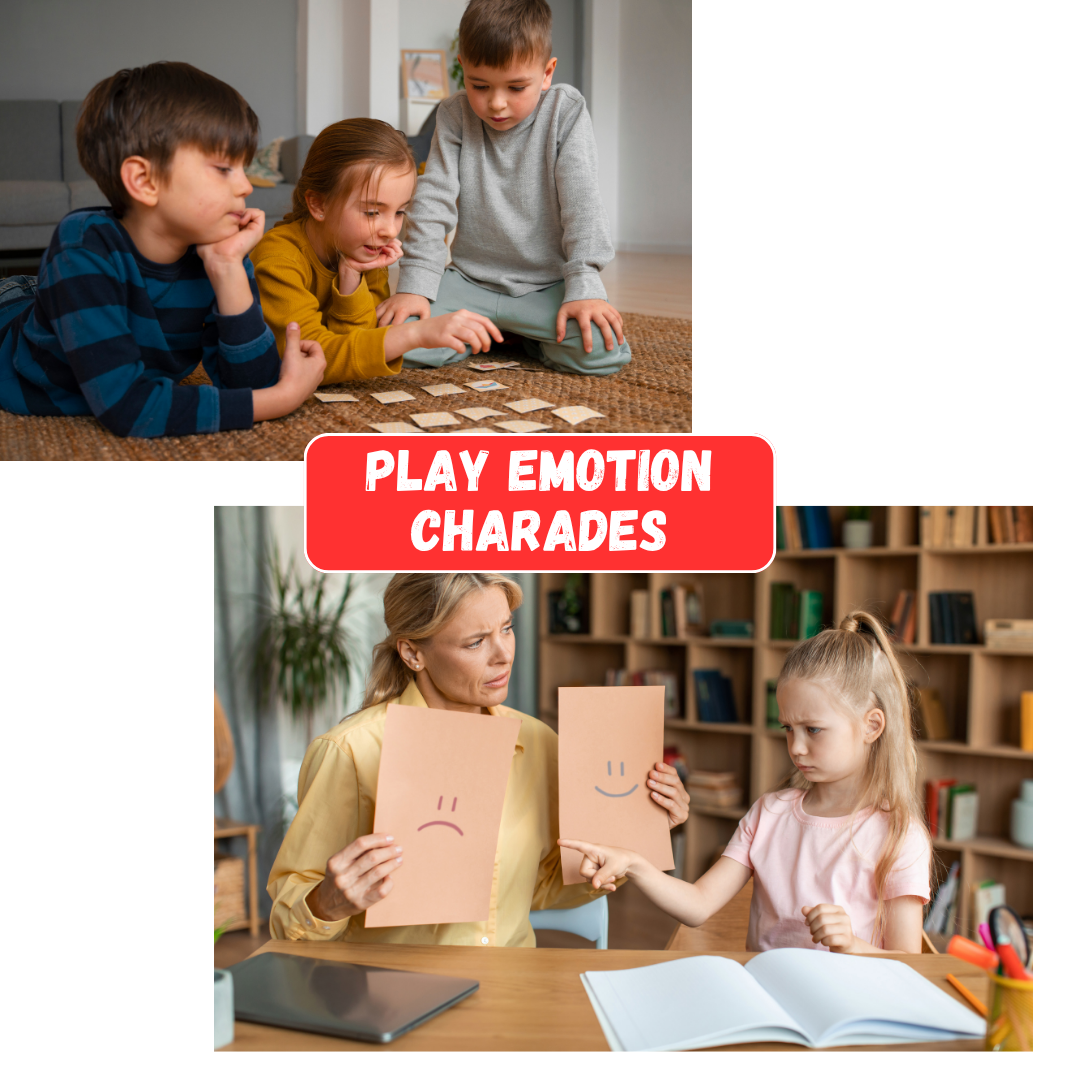
How to play: Write different emotions, such as happy, angry, sad, excited, or surprised, on small cards. Children pick a card and act out the emotion using facial expressions and body language, while others try to guess the feeling.
How it helps emotional regulation: This game teaches children to identify their own and other people's emotional expressions.
2. Puppets Shows
How to play: Use hand puppets or soft toys to create simple stories about everyday situations such as sharing toys, resolving disagreements, or helping a friend.
How it helps emotional regulation: Puppets create emotional distance. Children often feel more comfortable discussing feelings through characters. This helps them explore solutions to emotional situations and practise calm responses.
3. Imaginative Play
How to play: Encourage children to pretend they are shopkeepers, teachers, parents, or superheroes solving everyday problems.
How it helps emotional regulation: Role-play allows children to experience social situations safely. They practise empathy, communication, and problem-solving while learning how different emotions affect behaviour.
4. Draw How They Feel
How to play: Give children paper, crayons, or paints and ask them to draw how they feel today. They can use colours, shapes, or characters to represent emotions.
How it helps emotional regulation: Drawing allows children to express feelings without words. It helps them process emotions internally and opens opportunities for adults to discuss those feelings gently.
5. Simple Board Games
How to play: Play simple board games that require children to wait for their turn, follow rules, and accept the outcome of the game.
How it helps emotional regulation: Children learn patience, fairness, and self-control. They also practise managing disappointment and excitement in a controlled setting.
6. Active Obstacle Courses
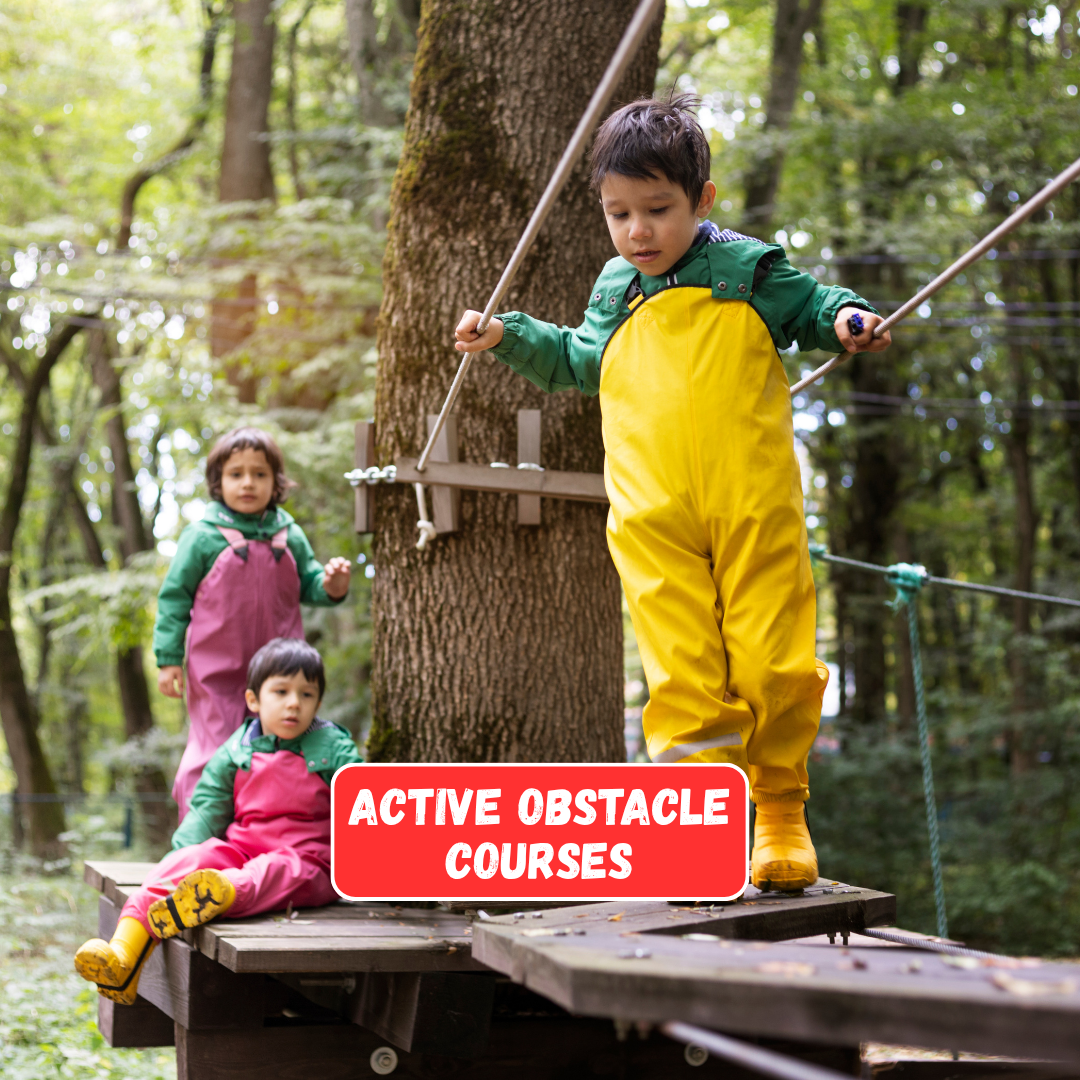
How to play: Create a simple obstacle course using cones, tunnels, balance beams, cushions, or small climbing structures. Children move through the course step by step.
How it helps emotional regulation: Obstacle courses encourage perseverance. Children learn to manage frustration when something feels difficult and develop confidence when they complete the challenge.
7. Play in Ball Pits
How to play: Allow children to jump, roll, and move around freely in a ball pit filled with soft plastic balls.
How it helps emotional regulation: The gentle pressure of the balls provides sensory stimulation that helps children relax. Sensory play like this can calm children who feel overstimulated or anxious.
8. Fun Ride-Ons
How to play: Children ride small ride-on vehicles around a designated play area, steering carefully and avoiding obstacles.
How it helps emotional regulation: Ride-ons give children a sense of independence and control. Managing speed and direction helps them practise patience and self-control.
9. Blow Bubbles
How to play: Give children bubble solution and ask them to blow bubbles slowly and gently.
How it helps emotional regulation: Blowing bubbles encourages slow breathing. Deep breathing naturally relaxes the body and helps children calm down when they feel upset or frustrated.
10. Tunnels and Crawling

How to play: Children crawl through play tunnels or under small structures as part of a play activity.
How it helps emotional regulation: Crawling requires controlled movement and concentration. This slows children down and helps them regulate their energy levels.
11. Freeze Dance
How to play: Encourage children to dance freely while playing music. When the music stops, they must freeze immediately.
How it helps emotional regulation: This activity strengthens impulse control. Children practise stopping their actions quickly and focusing their attention.
12. Playdough
How to play: Provide playdough for children to squeeze, roll, flatten, and shape into different forms.
How it helps emotional regulation: The repetitive hand movements release tension and stress. For children, this kind of sensory play can be quite soothing.
13. Rope Bridges
How to play: Children carefully walk across rope bridges or balance structures, focusing on their movement.
How it helps emotional regulation: Balancing requires patience, focus, and calmness. Managing small fears during the activity helps children develop emotional confidence.
14. Sand Play
How to play: Children dig, pour, build, and shape sand using small tools or their hands.
How it helps emotional regulation: The repetitive actions of sand play help calm the mind. It allows children to focus quietly while releasing tension.
15. Swings
How to play: Children sit on swings and move gently back and forth.
How it helps emotional regulation: The rhythmic motion provides sensory comfort and helps regulate the nervous system, making children feel calmer and more relaxed.
16. Mirror Games
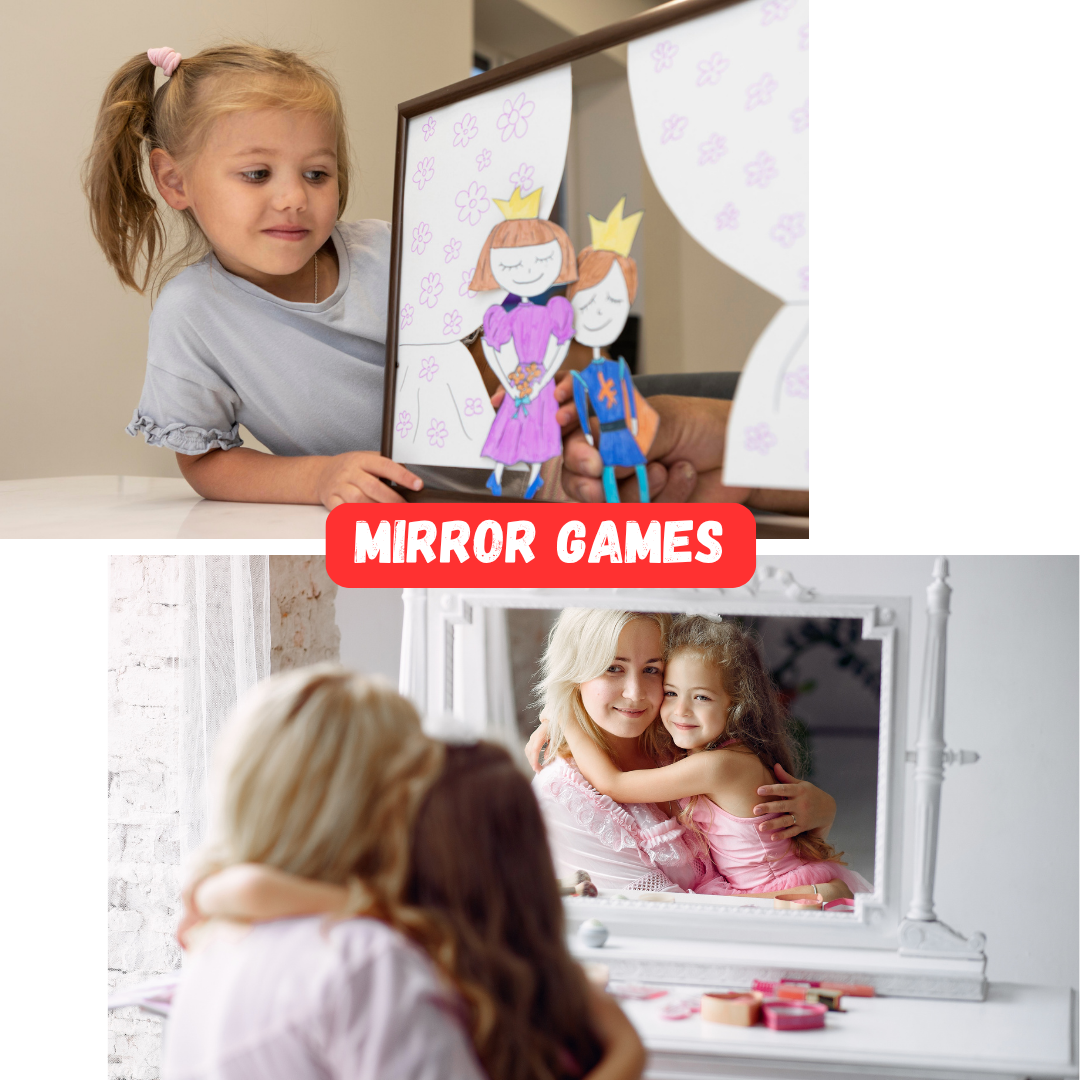
How to play: One child makes a facial expression or movement while another copies it like a mirror.
How it helps emotional regulation: This game strengthens emotional awareness and empathy by helping children recognise expressions and body language.
17. Slides
How to play: Children take turns climbing up and sliding down.
How it helps emotional regulation: Waiting for a turn teaches patience and respect for others while managing excitement.
18. Toy Animals
How to play: Use toy animals to create stories about different emotions and behaviours.
How it helps emotional regulation: Children often project their feelings onto the characters, making it easier to talk about fears, happiness, or frustration.
19. Group Playing Activities
How to play: Organise games that require teamwork, such as passing balls, building structures together, or solving simple challenges.
How it helps emotional regulation: Group play teaches cooperation, communication, and how to manage emotions when interacting with others.
20. Nature Play
How to play: Encourage children to explore nature by collecting leaves, stones, flowers, or small natural objects.
How it helps emotional regulation: Nature provides a calm and peaceful environment. Outdoor exploration helps children relax, focus, and regulate emotions naturally.
Conclusion
Teaching emotional regulation does not require complicated lessons. In fact, children learn these skills most effectively through play. Games, imaginative activities, and physical challenges allow them to experience emotions safely while practising patience, resilience, and self-control.
Activities such as role-play, obstacle courses, sensory play, and storytelling help children understand feelings and respond calmly to challenges. Over time, these experiences shape how children communicate, solve problems, and build relationships.
Soft play centers in Exeter provide the perfect setting for this development. By combining active play, creative spaces, and social interaction, children naturally build emotional awareness while having fun.
When parents and educators encourage playful learning, they give children more than entertainment. They give them lifelong emotional skills that support confidence, resilience, and happiness.
Frequently Asked Questions
-
Children begin developing emotional regulation during early childhood, often from toddler age. Simple activities like role-play, drawing, and guided play help them recognise and express feelings. With consistent support from parents and caregivers, these skills gradually improve as children grow.
-
Soft play equipment provides a safe environment where children can climb, crawl, jump, and explore freely. It reduces the risk of injury while encouraging physical activity. These play structures also help improve coordination, balance, and confidence.
-
Physical activities help children release excess energy and reduce stress. Movement-based play also improves mood, boosts confidence, and teaches perseverance when facing challenges. As children overcome small obstacles, they learn patience and resilience.
-
Indoor play centres offer structured environments where children can engage in active play and social interaction. Activities such as climbing, obstacle courses, and role-play areas support both physical development and social learning.
-
Parents can introduce simple games such as obstacle courses, storytelling, drawing, puzzles, or movement-based activities. Creating a routine for playtime also helps children stay engaged. Encouragement and participation from parents make these activities more enjoyable and effective.