
What Are the Best Confidence-Building Activities for Children?
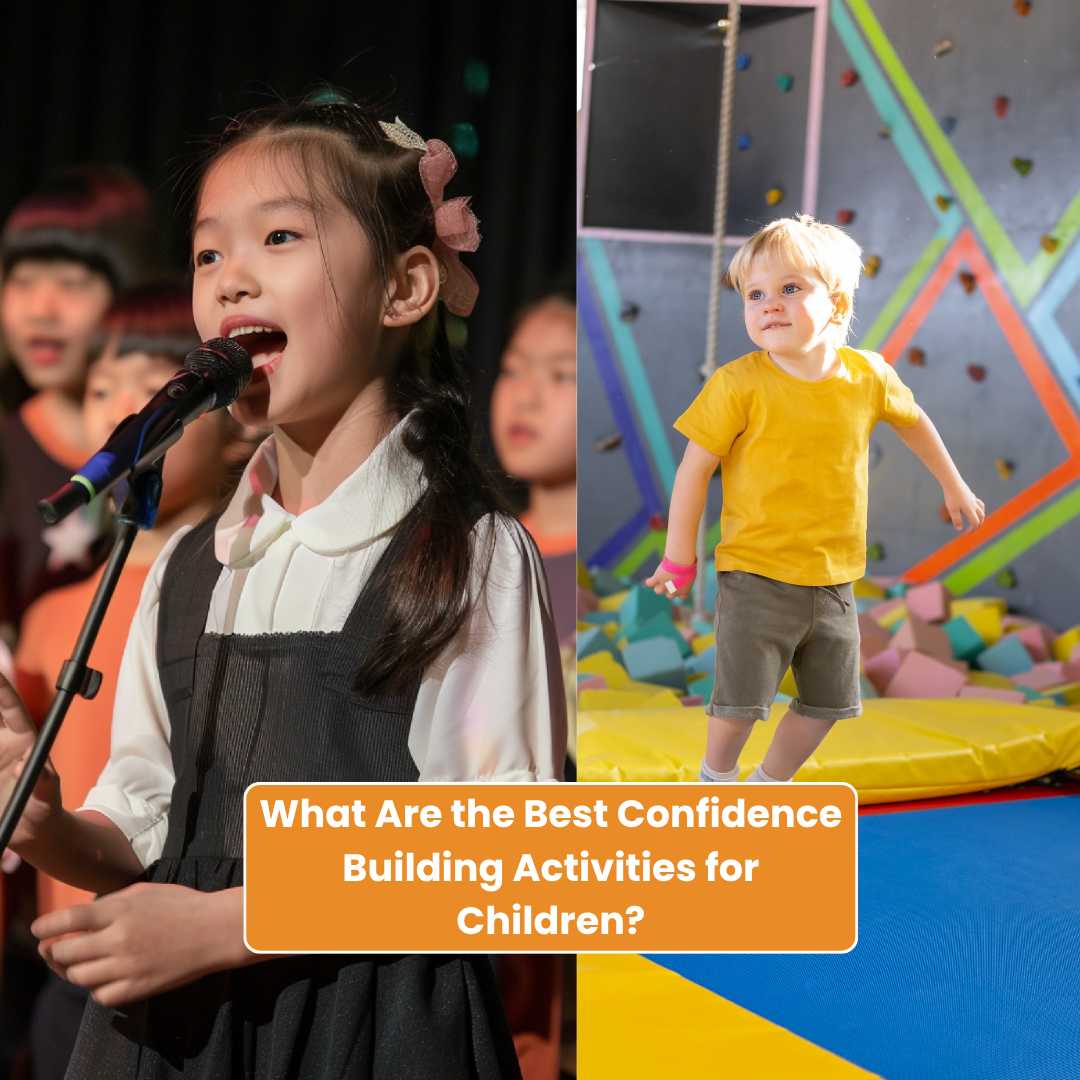
What helps a child believe in themselves? Often, it starts with small moments of success. When children try new activities, solve little challenges, or play with others, they slowly begin to trust their abilities.
Many children hesitate to step outside their comfort zone because they fear mistakes or judgement. With the right encouragement and opportunities to explore, they can build the confidence to try, learn, and grow.
Simple activities such as creative play, movement, and teamwork can make a powerful difference. In this guide, you will discover 10 fun activities that help children develop confidence naturally. Many of these experiences happen in playful environments like Soft play centre for children, where children climb, bounce, interact, and gain confidence while having fun. Let us explore how these activities can help your child feel more confident every day.
Signs Your Child Needs a Confidence Boost

Children do not always say they feel insecure. Instead, their behaviour often reveals how they see themselves. Recognising the signs early helps parents guide children towards activities that build self-belief and independence.
1. Gives Up Quickly: If a child stops trying as soon as something becomes difficult, it may show they doubt their ability to succeed.
2. Fear of Making Mistakes: A child may become upset or frustrated over small mistakes and avoid tasks where they think they might fail.
3. Reluctance to Speak in Groups: They may stay quiet in class, avoid answering questions, or hesitate to speak in front of others.
4. Compare Themselves to Others: Children with low confidence often say things like “I’m not as good as them” or “I can’t do it."
5. Avoids Social Interaction: They may struggle to make friends, prefer playing alone, or feel anxious in group situations.
6. Negative Self-Talk: Statements such as “I’m not good at anything” or “I always get it wrong” often reflect low self-belief.
7. Overly Sensitive to Criticism: Even gentle feedback may make them feel discouraged or embarrassed.
8. Body Language Shows Insecurity: Poor eye contact, slouched posture, or hesitation while speaking can indicate a lack of confidence.
9. Avoids Leadership Roles: The child hesitates to lead games, activities, or group tasks because they doubt their abilities.
10. Relies Too Much on Parents: They constantly ask parents to speak or act on their behalf instead of doing things independently.
11. Reluctant to Share Ideas: When a child hesitates to contribute thoughts, even when encouraged.
12. Afraid of Being Judged: They worry too much about what others might think of them.
13. Struggles to Make Decisions: Children with low confidence often hesitate to choose between options and rely on others to decide.
14. Hesitates to Ask Questions: They stay silent even when they do not understand something in class or during activities.
15. Overthink Simple Tasks: They take longer to start tasks because they worry about doing them incorrectly and think about them too much.
21 Amazingly Effective Confidence-Building Activities
Confidence grows when children feel capable, supported, and proud of their achievements. Fun children’s indoor play activities create safe opportunities for children to try, learn, and succeed without pressure. Below are engaging activities that encourage creativity, teamwork, and independence.
1. Creative Imaginative Play
Encourage children to pretend they are explorers, superheroes, or shopkeepers. They can create imaginary scenarios and act them out with friends or family.
Role-play allows children to practise communication, problem-solving, and leadership in a safe environment, building their self-belief and social confidence.
2. Trampoline Jumping
Children can jump, bounce, and experiment with fun tricks on a trampoline, either independently or with supervision. Play centres like Wonderland play zone provide safe, engaging trampoline sessions that help children develop coordination, bravery, and confidence while having fun.
Trampolining improves balance, coordination, and body awareness, and each new skill mastered boosts their sense of accomplishment and courage.
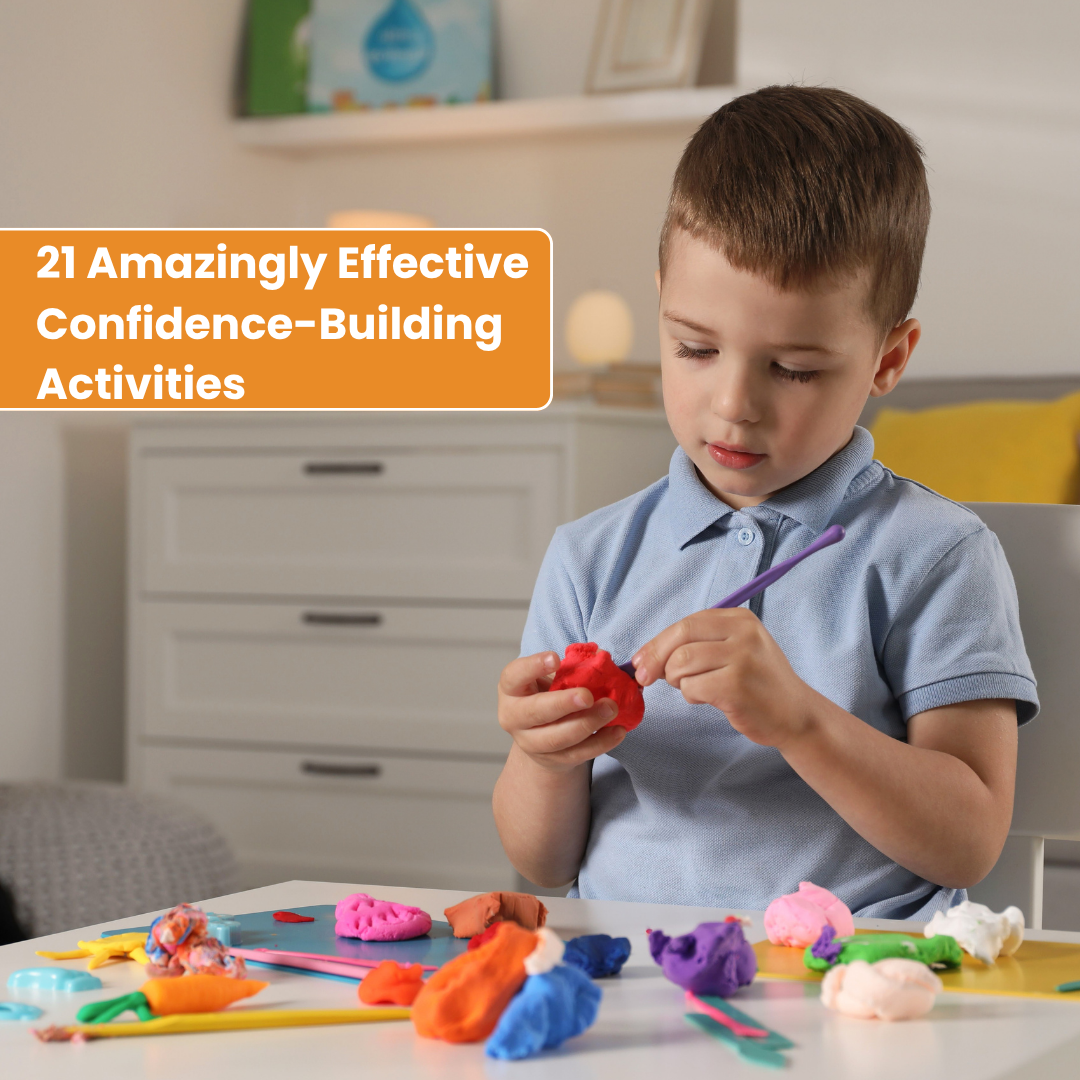
3. Clay or Playdough Modelling
Children can shape animals, characters, or objects using clay or playdough, experimenting with textures and colours.
Completing a creation gives children pride in their ideas, enhances fine motor skills, and encourages creativity, which reinforces self-worth.
4. Story Writing
Ask children to write short stories about their day, favourite characters, or imaginary adventures.
Writing allows children to organise thoughts, express emotions, and share ideas, helping them gain confidence in their creativity and communication skills.
5. Drama Workshops
Children can participate in acting exercises, skits, or improvisation games, practising movement, dialogue, and expression.
Performing in front of others, even in small groups, helps children overcome shyness and develop confidence in speaking and presenting.
6. Reading Aloud
Encourage children to read a book, poem, or story aloud to family or friends.
Reading aloud improves fluency, articulation, and self-assurance, while regular practice reduces fear of speaking in public.
7. Puzzles and Brain Teasers
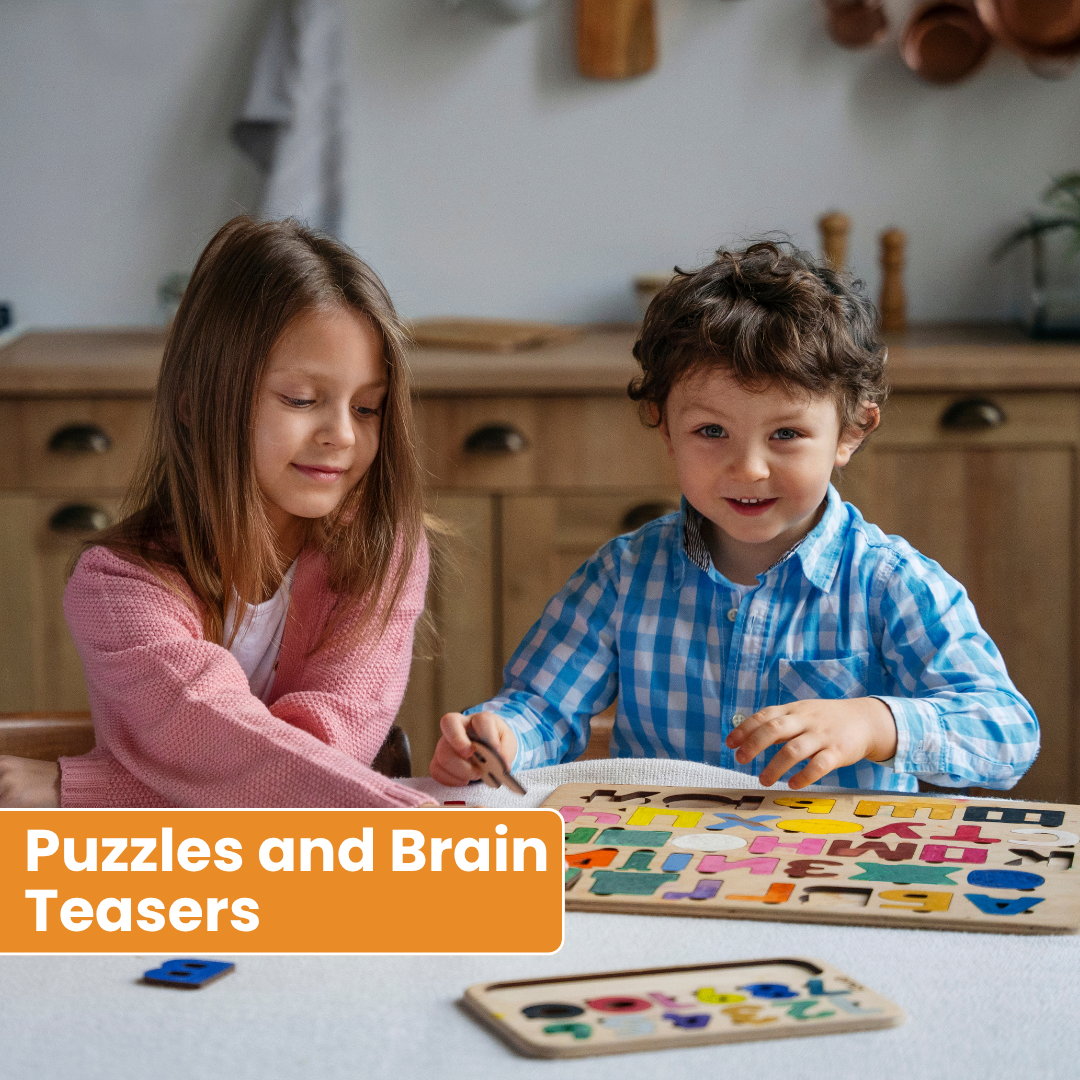
Provide age-appropriate puzzles, logic games, or riddles for children to solve.
Successfully completing puzzles boosts problem-solving confidence, patience, and perseverance, reinforcing belief in their abilities.
8. Outdoor Adventures
Take children to parks, gardens, or nature trails. Goal-setting, physical mastery, and teamwork are taught through team sports, including football, obstacle courses, martial arts, and geocaching (treasure seeking using GPS).
Exploring new environments sparks curiosity, independence, and self-confidence as children learn to navigate and discover on their own.
9. Helping with Small Responsibilities
Assign tasks such as feeding pets, watering plants, or tidying up their toys.
Completing responsibilities successfully encourages children to take initiative and builds a sense of capability and pride.
10. Drawing and Painting
Give children paper, paints, or crayons to create artwork freely, without strict rules.
Expressing themselves visually allows children to explore emotions, experiment with ideas, and feel proud of their creative achievements.
11. Building with Blocks
Children can construct towers, houses, or imaginative structures using LEGO, wooden blocks, or magnetic tiles.
Building projects enhances problem-solving skills and patience, giving children a tangible sense of accomplishment and confidence.
12. Crafting with Recycled Materials
Use cardboard, paper tubes, or old boxes to create models, decorations, or small toys.
Transforming everyday materials into something unique encourages innovation and builds pride in their creativity and resourcefulness.
13. Designing Paper Masks
Children can design and decorate masks for characters or imaginary creatures.
Wearing their creations in role play allows children to practise self-expression and experiment with confidence in a fun, safe way.
14. Making Friendship Bracelets
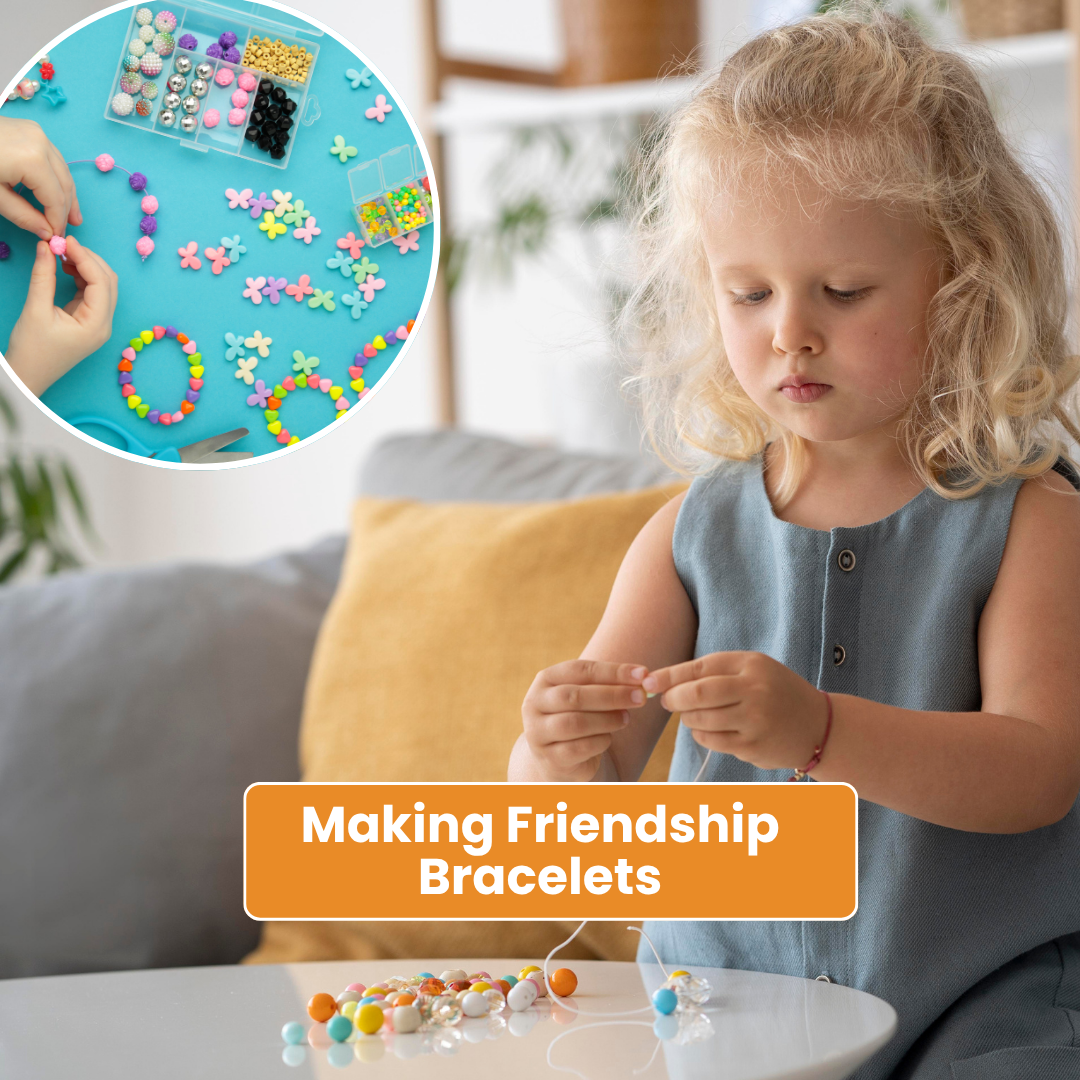
Children can create colourful bracelets using threads or beads to give to friends or family.
Crafting and giving something handmade helps children develop patience, social confidence, and pride in their work.
15. Origami Paper Folding
Teach children how to fold paper into shapes like animals, boats, or flowers.
Successfully completing origami projects teaches focus and persistence and gives children a tangible achievement they can be proud of.
16. Building a Cardboard House
Children can design, decorate, and assemble a small house or shop from cardboard boxes.
This activity encourages creativity, planning, and teamwork, giving children a sense of independence and accomplishment.
17. Skipping Rope
Children can practise skipping, aiming for longer streaks or learning new patterns.
Skipping rope improves coordination, stamina, and persistence, while reaching new milestones boosts confidence in physical skills.
18. Learning a New Skill
Children can practise balance, steering, and stopping while roller skating, starting with support or protective gear.
Mastering skating techniques teaches patience and perseverance and builds self-assurance in trying new activities.
19. Leading a Small Group Activity
Let children organise and lead a game or creative team activity for friends or siblings.
Leading builds decision-making skills, responsibility, and confidence in guiding others successfully.
20. Creative Hobbies
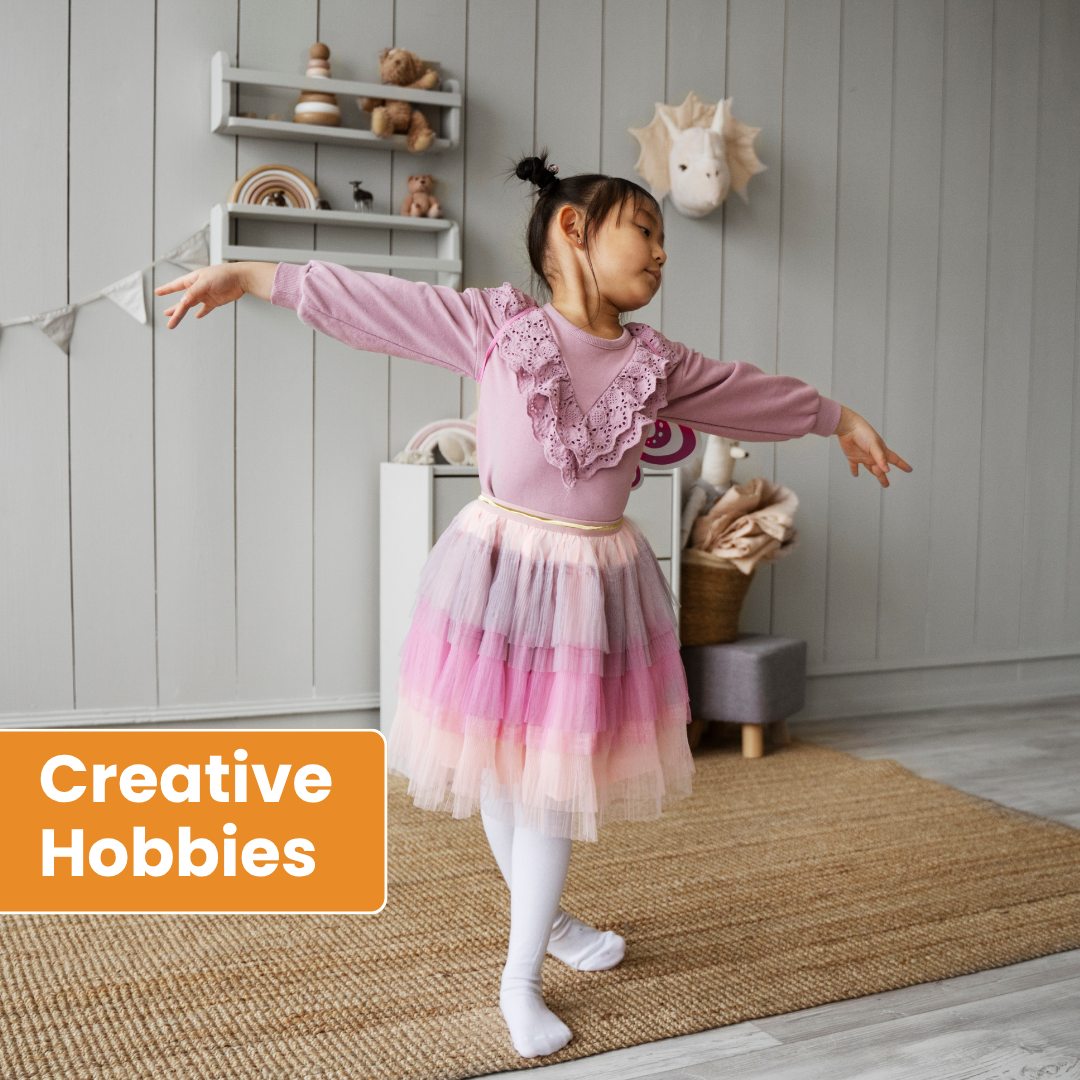
Encourage children to perform a favourite song and dance steps at home for family or friends.
Performing in a safe environment allows children to overcome stage fright, take pride in their talent, and build self-confidence.
21. Managing Pocket Money
Give children a small weekly allowance and encourage them to plan how to save or spend it wisely.
Handling money teaches decision-making, responsibility, and independence, helping children gain confidence in everyday choices.
How Soft Play Centres Help Build Confidence in Children?
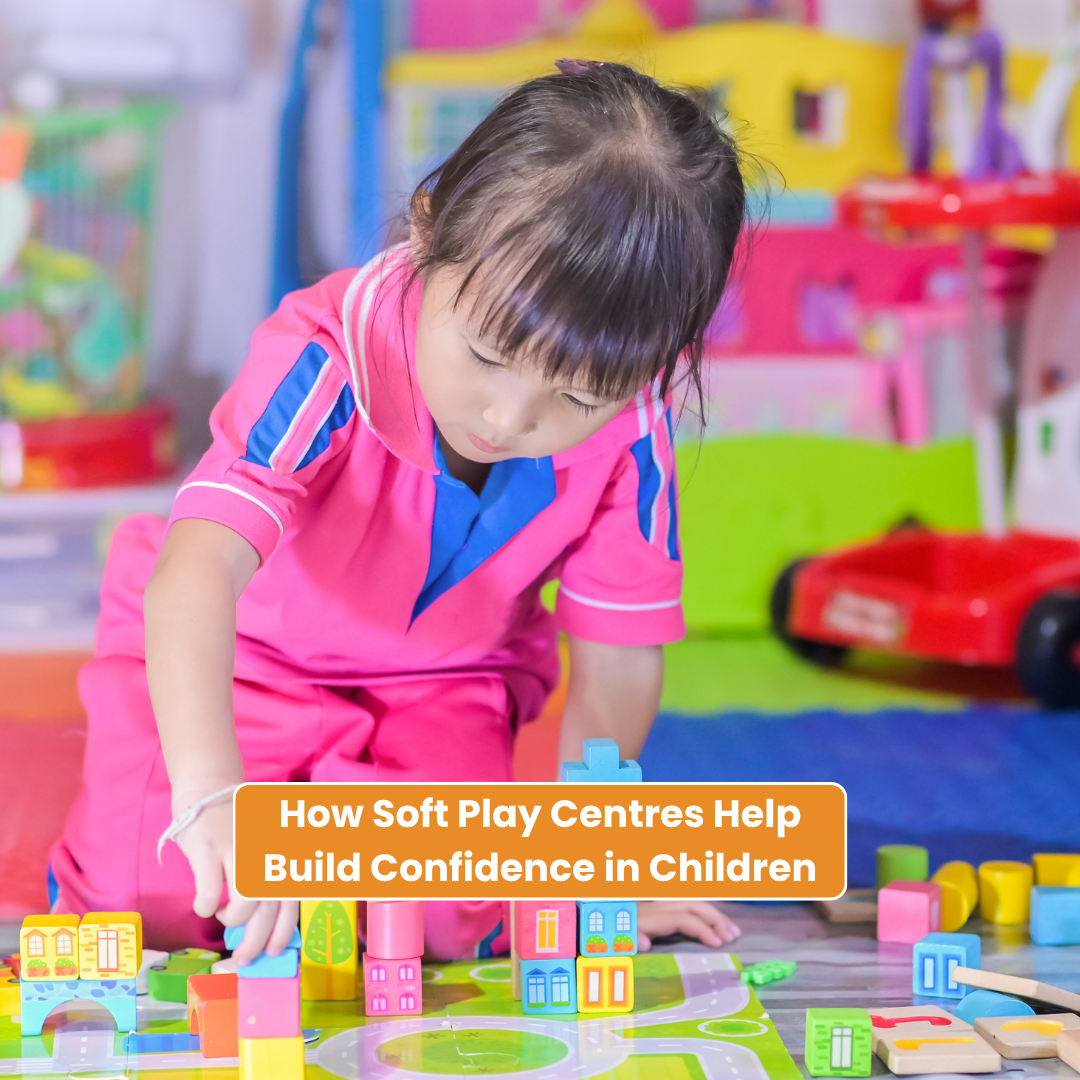
Soft play centre in Exeter for children create a lively environment where children explore, move freely, and try new challenges without fear. Bright climbing frames, tunnels, slides, ball pits, and trampolines encourage children to test their abilities in a playful setting. As they climb, crawl, jump, and balance, they begin to realise what they are capable of achieving.
Unlike structured activities where children may worry about getting things wrong, soft play encourages exploration and curiosity. Each small success helps children feel proud of their efforts and more willing to try something new.
Here are several ways soft play centres help children build confidence.
Encourages Safe Exploration
Builds Confidence Through Small Achievements
Improves Social Interaction
Strengthens Physical Skills
Encourages Independence
Supports Imaginative Play
Helps Children Overcome Hesitation
Creates Positive Play Experiences
Places like the Soft play centre in Newton Abbot for children provide a welcoming environment where children can climb, bounce, explore, and interact with others. These playful experiences do more than entertain. They help children develop confidence, independence, and the courage to try new challenges every day.
Conclusion
Confidence grows gradually through experiences that allow children to explore, create, and succeed. Small victories, supportive environments, and fun activities all play a role in shaping how children see themselves.
Recognising early signs of low confidence allows parents to guide children towards positive experiences that strengthen self-belief. Creative play, physical activities, storytelling, and teamwork all encourage children to trust their abilities.
Spaces designed for active play and imagination, such as Wonderland Play, offer children the chance to learn through fun while building social and emotional skills.
When children feel safe to try, fail, and try again, they begin to shine in ways that last far beyond childhood.
Frequently Asked Questions
-
Yes. Indoor play environments like Wonderland Play provide safe spaces where children can explore, interact with peers, and try new activities that gradually build confidence.
-
Children can begin confidence-building activities as early as toddlerhood. Simple play, social interaction, and exploration help young children develop self-belief from an early age.
-
Parents can encourage active play by limiting screen time, introducing fun physical games, visiting parks or play centres, and participating in activities with their children. Creating opportunities for movement helps children stay energetic and engaged.
-
Children benefit from at least one to two hours of active play each day. Physical activities such as climbing, jumping, and running help them stay healthy while improving coordination and energy levels.
-
Parents can encourage confidence by praising effort, allowing children to try new activities, supporting creative play, and celebrating small achievements. Consistent encouragement helps children feel capable and valued.