
What Is the Role of Movement in Healthy Childhood Development?
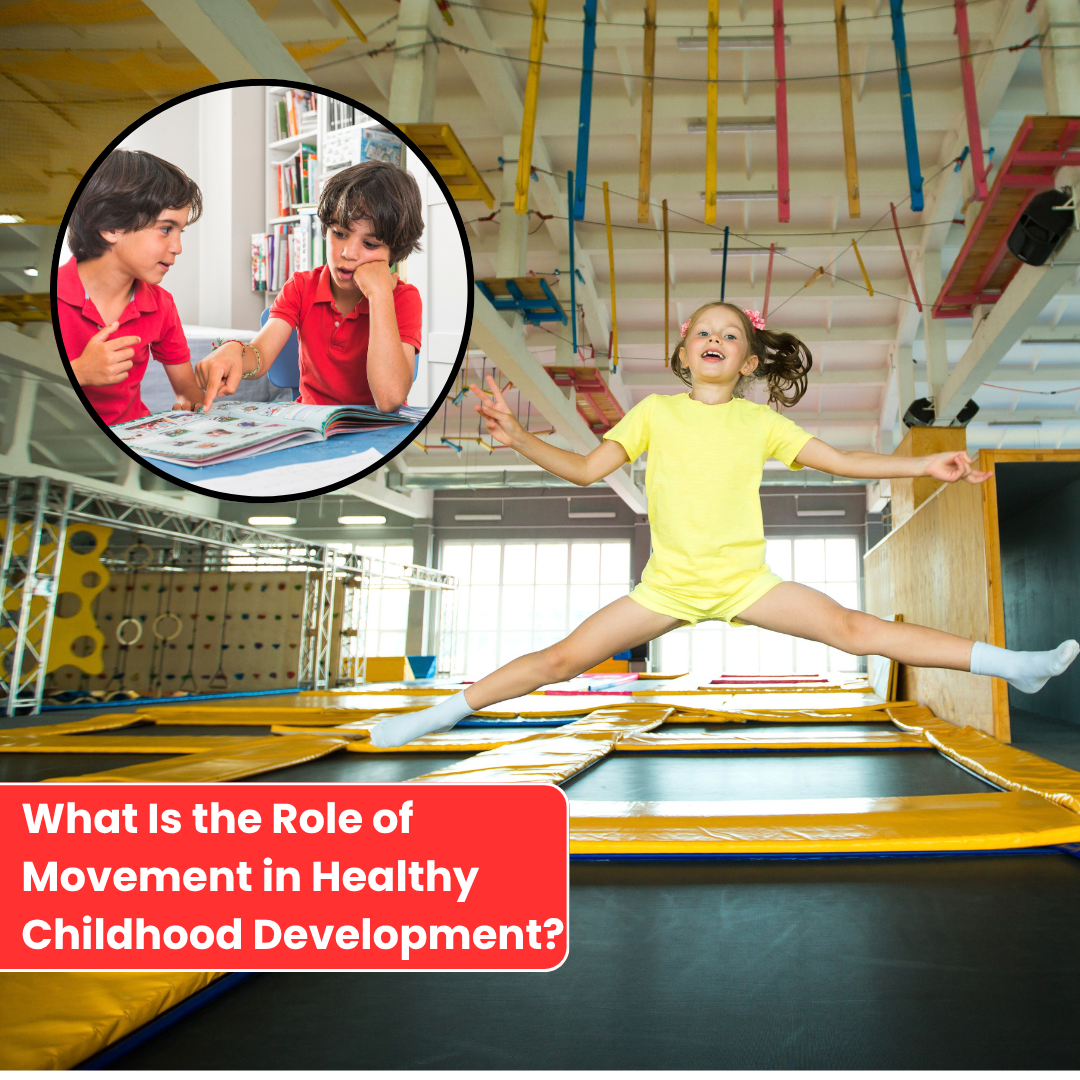
Watch a two-year-old find a cardboard box. Within seconds, they're inside it, on top of it, then pushing it across the floor. Nobody told them to. That wriggly energy isn't a behaviour problem. It's how children learn.
The role of movement in healthy childhood development goes well beyond burning off energy. Running, climbing and crawling shape balance, confidence, friendships and even how a child works through a problem. If you've ever wondered whether your little one moves enough or what a good playschool should offer, you'll find plain answers here.
Table of Contents
We'll cover what movement does, which skills it builds, how soft play fits in, and simple ways to add more of it at home.
Movement gives young children the practice they need to build strong bodies, steady balance, and growing confidence. It also feeds learning, because every climb, jump, or wobble teaches the brain something about space, effort, and problem-solving.
The Role of Movement in Healthy Childhood Development
Young children don't learn by sitting still and listening. They learn by doing. Every crawl, jump and wobbly balance teaches them how far things are, how heavy they feel and what their own arms and legs can manage. That's why the Early Years Foundation Stage (EYFS) in England treats physical development as a prime area of learning. The UK Chief Medical Officers also suggest that under-fives who can walk should be active for about three hours a day, spread across the day.
Movement Builds Strength, Balance and Coordination
Indoor play activities for toddlers, such as climbing, build arm and leg strength. Stepping along a low beam teaches balance. Put those together in a scramble over cushions, and the child is coordinating several movements at once, which is harder than it looks.
Physical Activity Feeds the Brain
A child squeezing through a tunnel is judging size, planning a route, and solving a problem. There's no worksheet in sight, yet the thinking is real.
Movement Grows Confidence and Independence
Try, wobble, try again. That loop teaches children that effort pays off. A three-year-old who finally conquers the big slide often heads for the next challenge with a bit more swagger.
What Skills Do Children Develop Through Active Play?
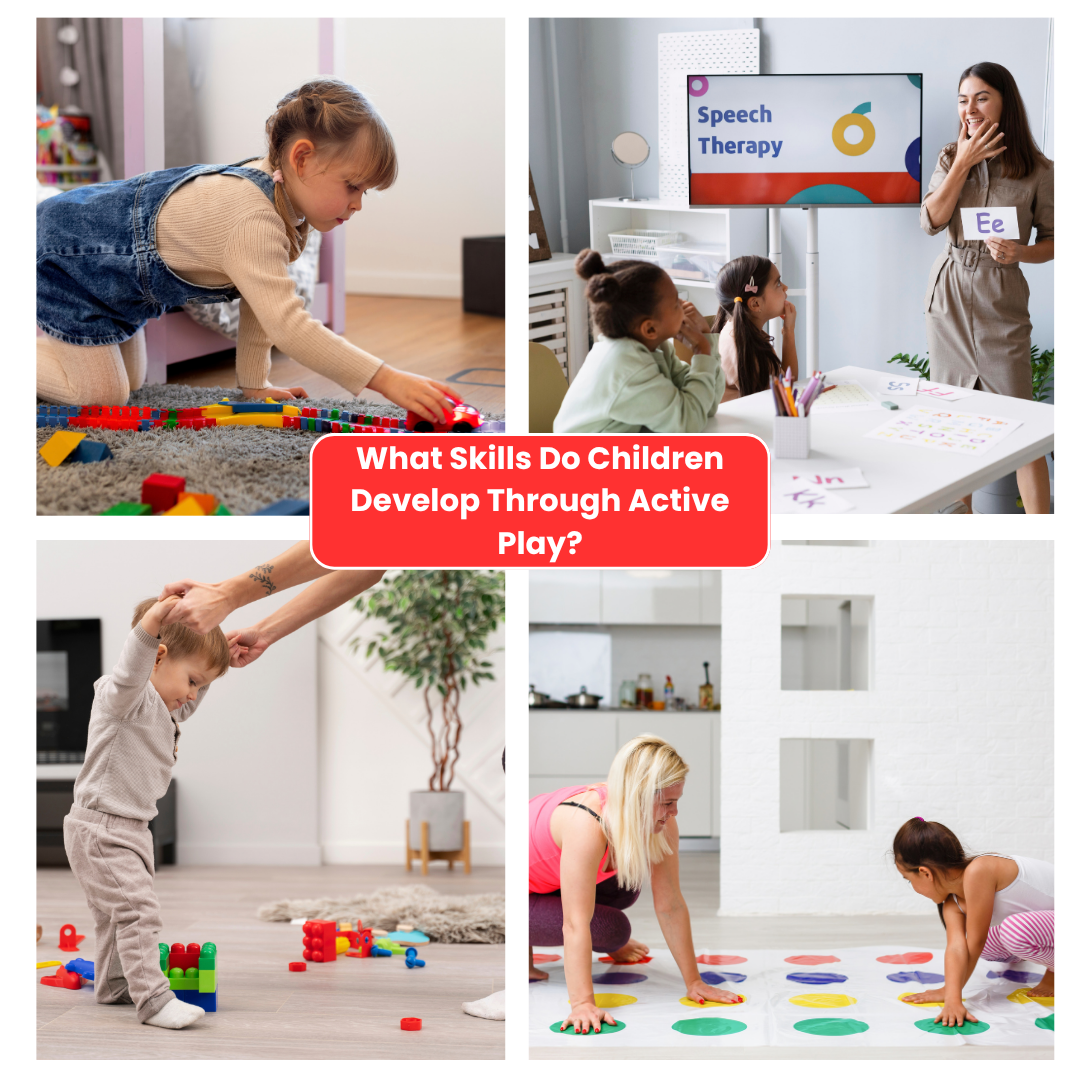
Active play builds more than muscle. Because children use movement for almost everything, the skills spill into other areas too. So here's what tends to develop at Wonderland Play Zone and how it shows up in a busy playroom.
Gross Motor Skills
These are the big movements: running, jumping, climbing, crawling, and throwing. Children who practise them early tend to move with more control, which makes sitting, writing and joining games easier later on.
Fine Motor Skills and Body Control
Big movements prepare small ones. Reaching, gripping and pushing strengthen shoulders and core, giving little hands a steady base for pencils and scissors. Parents who want to carry that progress home can try a few fine motor skills activities that build on the same strength through everyday play with beads, clay and building blocks.
Spatial Awareness
Judging distance, speed and direction takes practice. Weaving round other children or ducking under a bar teaches a child where their body ends and the world begins.
Social and Communication Skills
Chasing games, tunnel queues and waiting for a turn on the slide all teach children to share space and follow simple rules. Nobody needs a lecture on cooperation when there's only one hoop.
How Does Soft Play Support a Child's Movement?
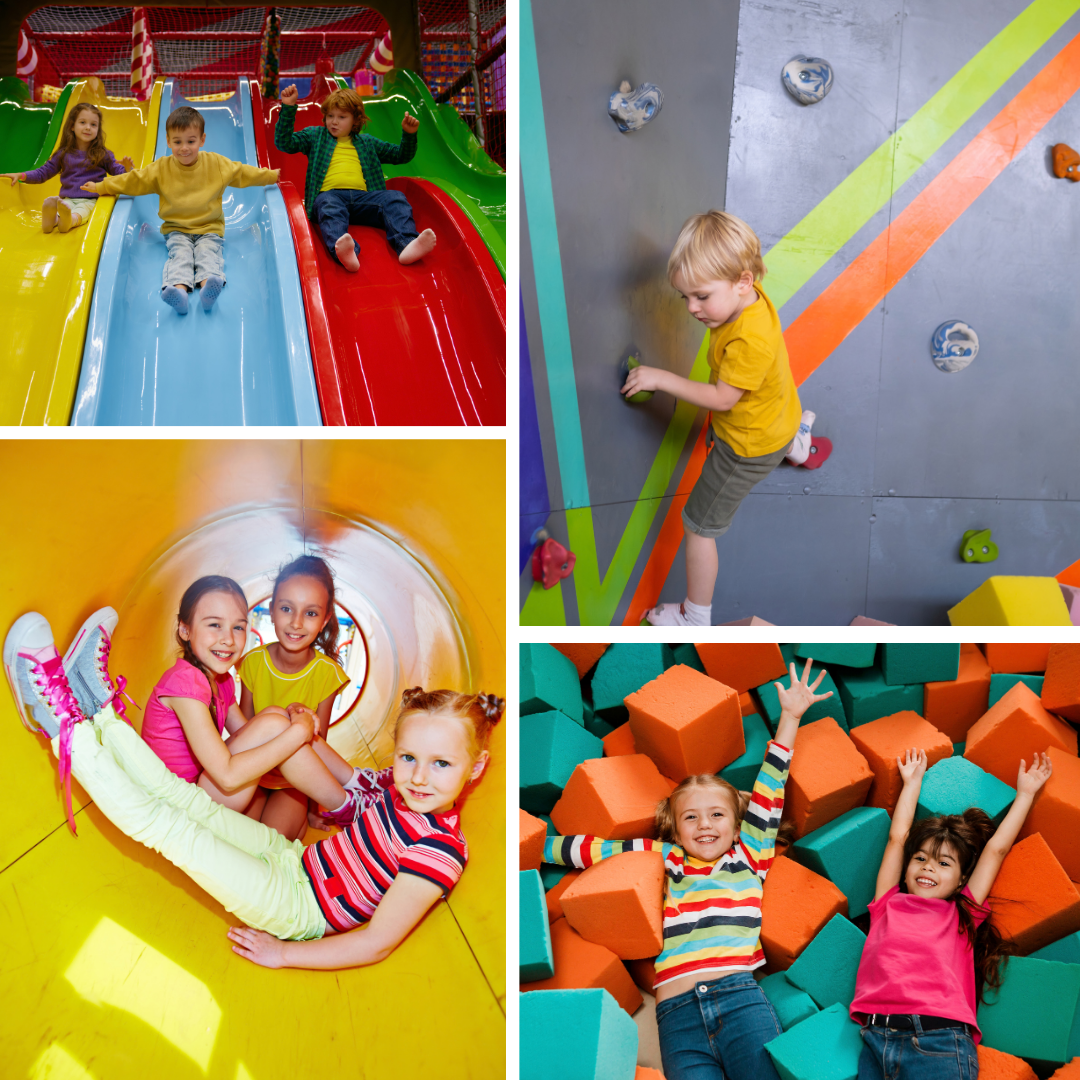
Soft play often gets written off as a way to tire children out. Watch closely, and you'll see something else. Each structure asks a child to make choices, take small risks and try again. Padded surfaces and equipment sized for little ones mean they can keep trying without fear of a hard fall.
A soft play zone for toddlers encourages children to move through climbing, crawling, balancing, sliding and navigating different structures. These activities give them chances to practise gross motor skills, coordination, spatial awareness and confidence, while adults keep a watchful eye nearby.
Climbing and Crawling Use the Whole Body
Tunnels and climbing frames make arms, legs and core work together. Crawling through, then hauling up, is a full-body workout that nobody calls one.
Balancing and Navigating Build Body Awareness
Wobbly bridges and stepping pads ask children to shift their weight and steady themselves. That's body awareness in action.
Sliding Makes Repetition Fun
Slides are popular for a reason. Children want to go again and again, and repetition is how skills settle in. Add a pretend pirate ship, and imagination joins the game.
A Safer Space to Try New Things
Soft surfaces and age-suited equipment at the best soft play zone in Exeter make it easier to test new skills. Adults still need to supervise, and good venues check equipment quality, age zones and safety rules. It's fair to ask to see them.
How Can Play Schools Encourage More Movement Every Day?
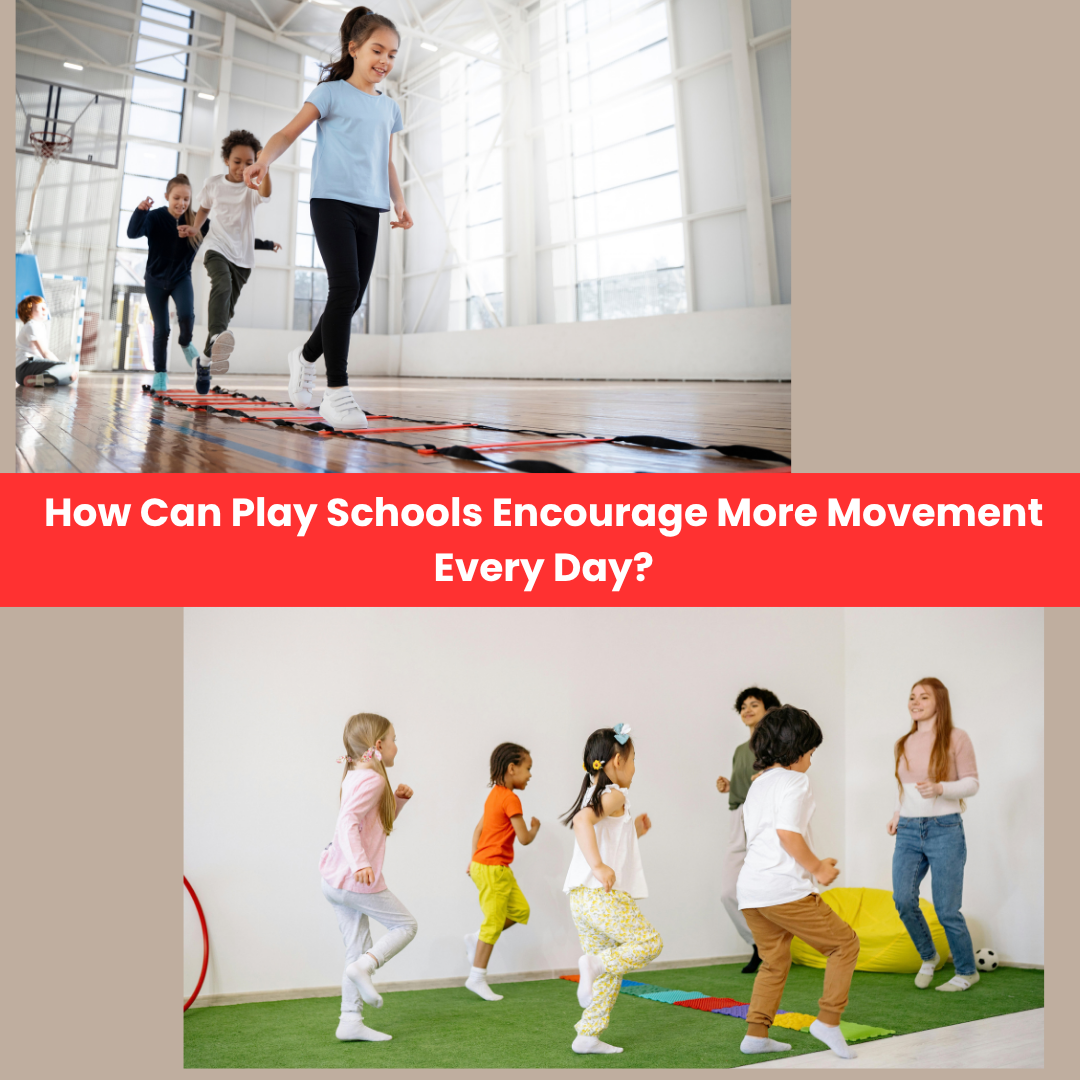
A best soft play zone in Newton Abbot doesn't treat movement like a timetabled PE lesson. It weaves it through the day. Children who've just sat through a story usually need a stretch, and sharp educators spot that before the fidgeting starts.
Build Movement Into the Routine
Action songs between activities, a quick dance after a snack, and a bear crawl to the coat pegs. Two minutes here and there add up quickly.
Mix Free Play With Guided Play
Adult-led games teach new skills. Free play lets children choose how to move and what to try. A good day has room for both.
Offer Different Kinds of Movement
Variety keeps children curious and works different muscles. Look for:
Running and jumping games
Balance walks along lines or low beams
Climbing and crawling courses
Dance and music
Outdoor play, including the drizzly days (waterproofs and puddles are underrated)
How Can Parents Support Healthy Movement at Home?
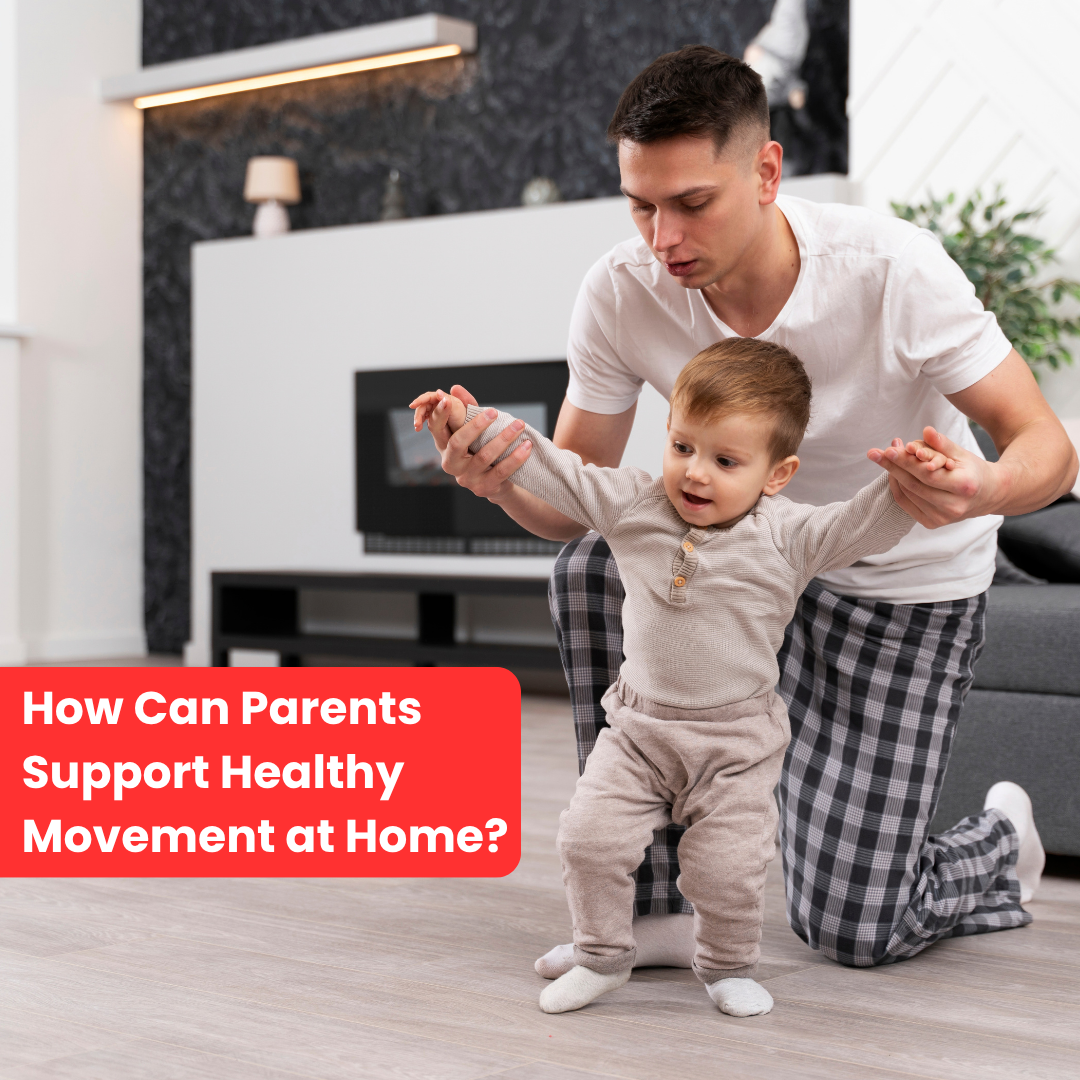
You don't need equipment or even a garden. Small habits do most of the work.
Make Everyday Life More Active: Walk to nursery, race to the lamp post, dance while the pasta boils. Skip the word "exercise", and it just feels like play.
Leave Room for Unstructured Play: Give them a pile of cushions and step back. Children invent better games when adults aren't running them.
Balance Screens With Active Play: The World Health Organisation suggests no more than an hour of sedentary screen time a day for two to four-year-olds, and less is better. Nobody's aiming for zero. A regular screen-free stretch, ideally with some running about, is a realistic goal.
You can use an inground trampoline for your child's fun and movement, but be present with them and guide them on a trampoline.
Key Points
Young children learn through their bodies, so movement is part of learning, not a break from it.
Active play builds strength, balance, coordination, spatial awareness and social skills.
Soft play lets children practise climbing, crawling and balancing in a padded, supervised space.
The best playschools weave movement through the whole day, indoors and out.
At home, short bursts of active play and a sensible screen balance go a long way.
Conclusion
The role of movement in healthy childhood development is easy to state and easy to overlook. Children aren't just burning energy. They're working out how their bodies fit into the world, building confidence one wobble at a time. A well-planned playschool can make that happen naturally, every single day.
Here's something to try tonight. Put ten minutes aside, get down on the floor and let your child lead the game. Watch what they climb, balance on or jump over. You'll learn plenty about where they're heading next.
Thinking about what a movement-friendly playschool looks like in practice? Wonderland Play would be happy to show you around so you can see how children play, climb and explore for themselves.
Frequently Asked Questions
-
Movement lets children build physical skills, learn about space and develop confidence. Early childhood is a period of fast growth, and children learn best through doing. Climbing, jumping and running also give the brain practice at planning and problem-solving, so movement feeds both body and mind.
-
Regular activity builds strength, balance, coordination and stamina. It also supports sleep, mood and social skills, since many active games involve other children. Preschoolers who move often get more chances to practise new skills, which tends to make them braver and more independent.
-
Most children in this age range are learning to run smoothly, jump with two feet, climb, throw and catch a large ball, and pedal a trike. Balancing on one foot for a moment usually follows. Every child develops at their own pace. If you're worried, speak to your health visitor or GP.
-
Active play lets children test ideas physically. They judge distances, plan routes and try again when something fails. That builds problem-solving and focus. Physical confidence also makes children readier to join group activities, which opens the door to language, friendships and early learning.
-
Soft play gives children padded, age-suited spaces to climb, crawl, balance and slide. Each activity practises coordination and spatial awareness. Because the environment feels safer, children often try new challenges sooner. Supervision and well-maintained equipment matter, so choose venues that take safety seriously.