
15 DIY Backyard Playground Ideas for Kids for Peak Inspiration
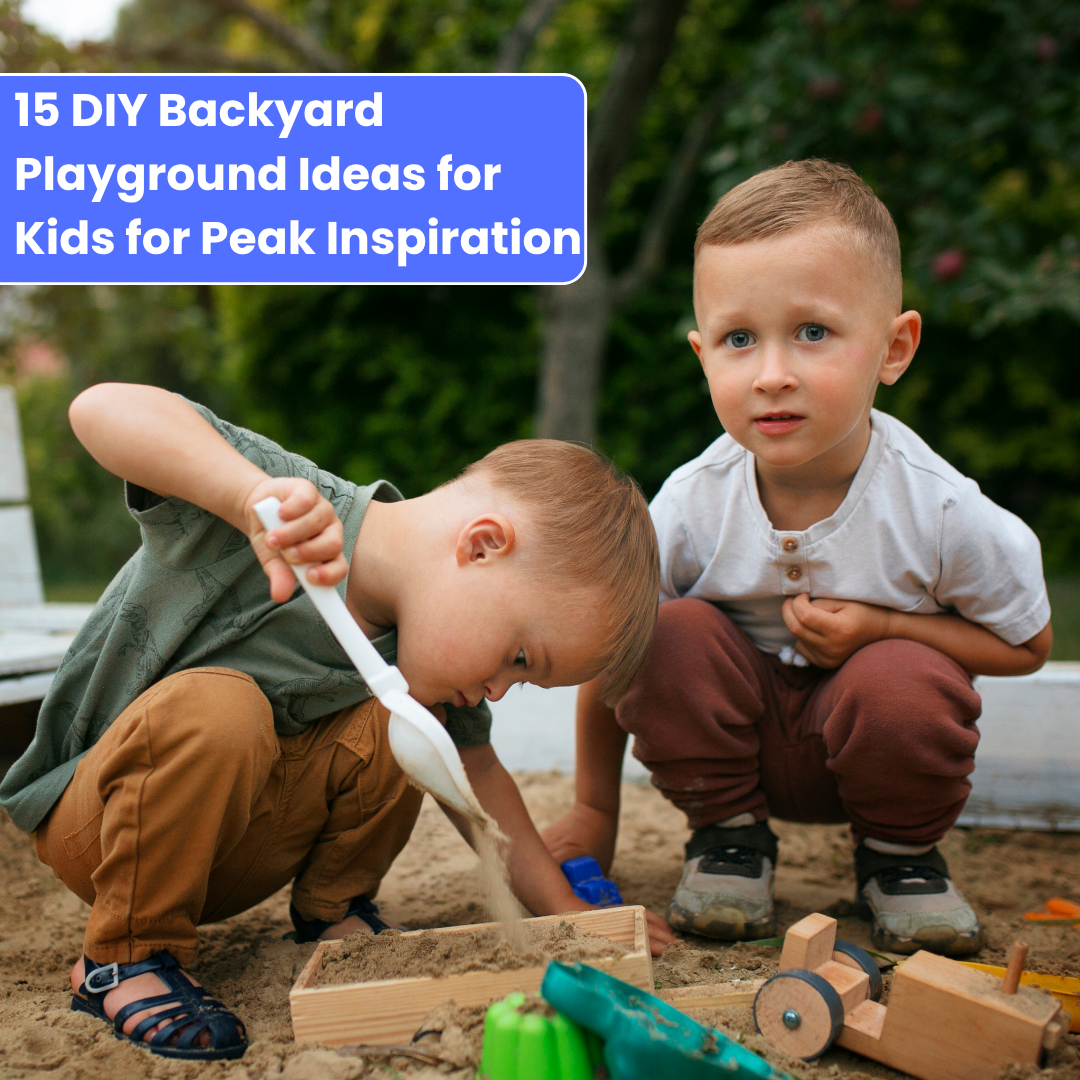
Ask any parent what stops their kids from going outside. Screens top the list. It's usually the garden itself. Too small. Too dull. Not set up for play. That's where DIY backyard playground ideas for kids come in. You don't need a huge budget. You don't need a builder either. A few simple features can turn a patch of grass into somewhere your children want to be. Built with safety in mind, these ideas support movement, imagination and real outdoor fun.
Big garden or small yard, there's something here that will fit. And we'll show you how soft play can pick up where the garden leaves off. In this guide, you'll find plenty of easy DIY ideas. Most need no special tools and no big budget to get started.
Why Create a DIY Backyard Playground for Kids?
Kids spend less time outdoors than they used to. Most parents already know this. A backyard play area won't fix it on its own. But it removes a lot of the friction. If the garden is fun, kids go out without being asked twice.
There's more to it than fresh air, though. Climbing, balancing and jumping build coordination. Sitting indoors simply can't do that. A mud kitchen or play corner gives kids the freedom to invent their own games. That matters more for development than most people realise.
The best part is flexibility. A DIY setup or indoor play activities for kids can grow with your child. It can shift to suit a smaller garden. It can change completely as interests move from sandpits to football goals.
15 DIY Backyard Playground Ideas for Kids
None of these needs a tradesperson. None needs a huge budget. Some can be built in an afternoon with off-the-shelf materials. Others are more of a weekend job. Start with whatever suits your space and your kids' ages, then build from there.
1. DIY Wooden Climbing Frame
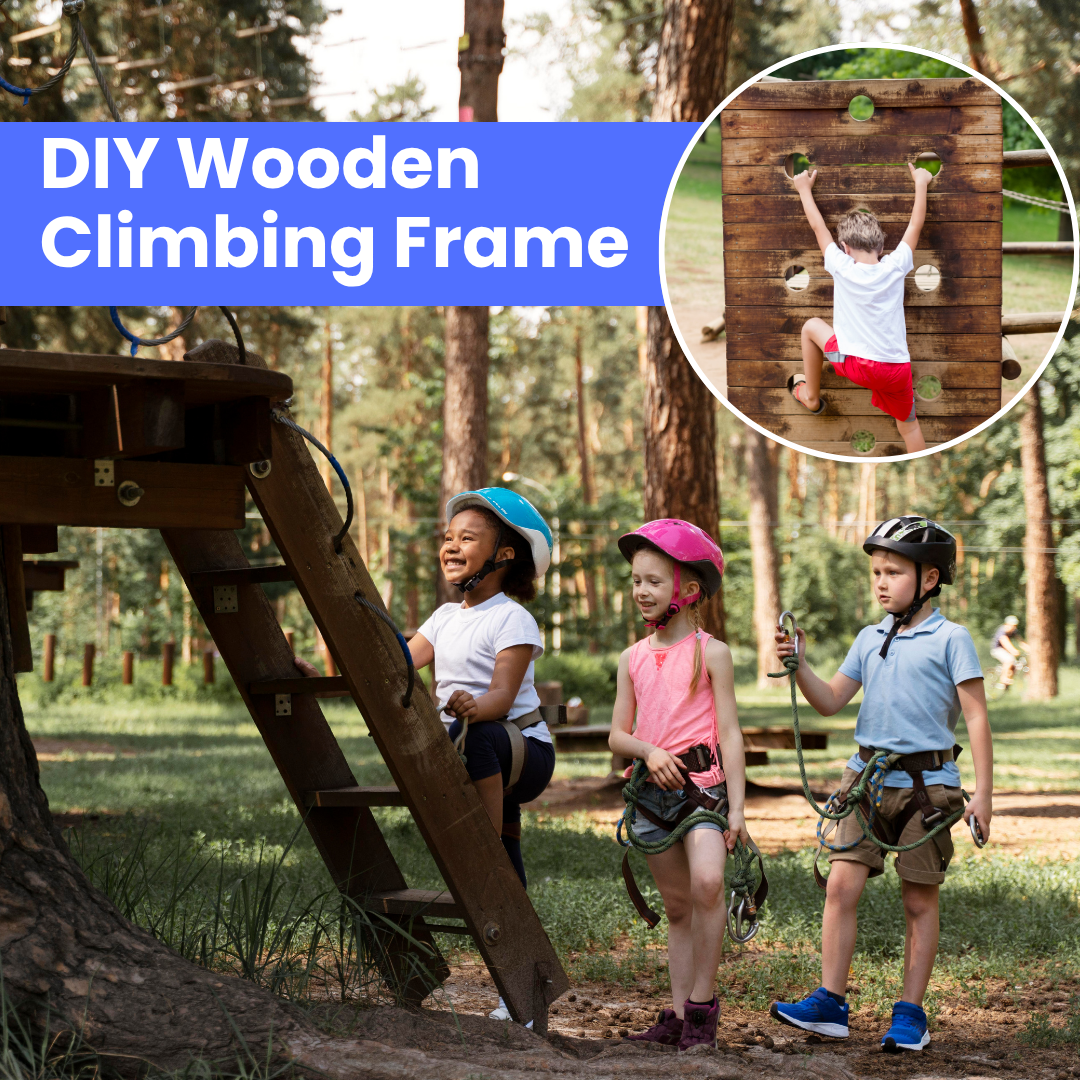
A simple A-frame or ladder-style structure gives kids a real physical challenge. It won't take over the whole garden either. Build it from treated timber, and it will teach balance and upper-body strength. Sand every edge smooth. Anchor the frame firmly into the ground. Keep the climbing height sensible for your child's age. A toddler doesn't need the same frame as a seven-year-old.
2. Backyard Sandpit
A sandpit sounds basic. But it earns its keep. Digging, pouring and building with sand supports sensory development. It keeps younger kids busy for long stretches too. Use food-safe or play-grade sand. Line the pit so weeds can't push through. Fit a cover so cats and rain don't turn it into a mess overnight.
3. DIY Mud Kitchen
Old pots, pans, wooden spoons and a few plant pots are really all you need. A mud kitchen invites pretend cooking and endless "recipes" made from leaves and water. It's messy, yes. That's rather the point. Open-ended play like this builds creativity that shop-bought toys often can't match.
4. Homemade Outdoor Obstacle Course
Grab some cones, hoops, an old tunnel and a few stepping stones. Set them out as a course. Move the pieces around, and you get a brand new game each time. Change the layout by age. Younger kids need bigger gaps and lower obstacles. Older kids want more speed and a bit of competition.
5. DIY Tyre Climbing Area
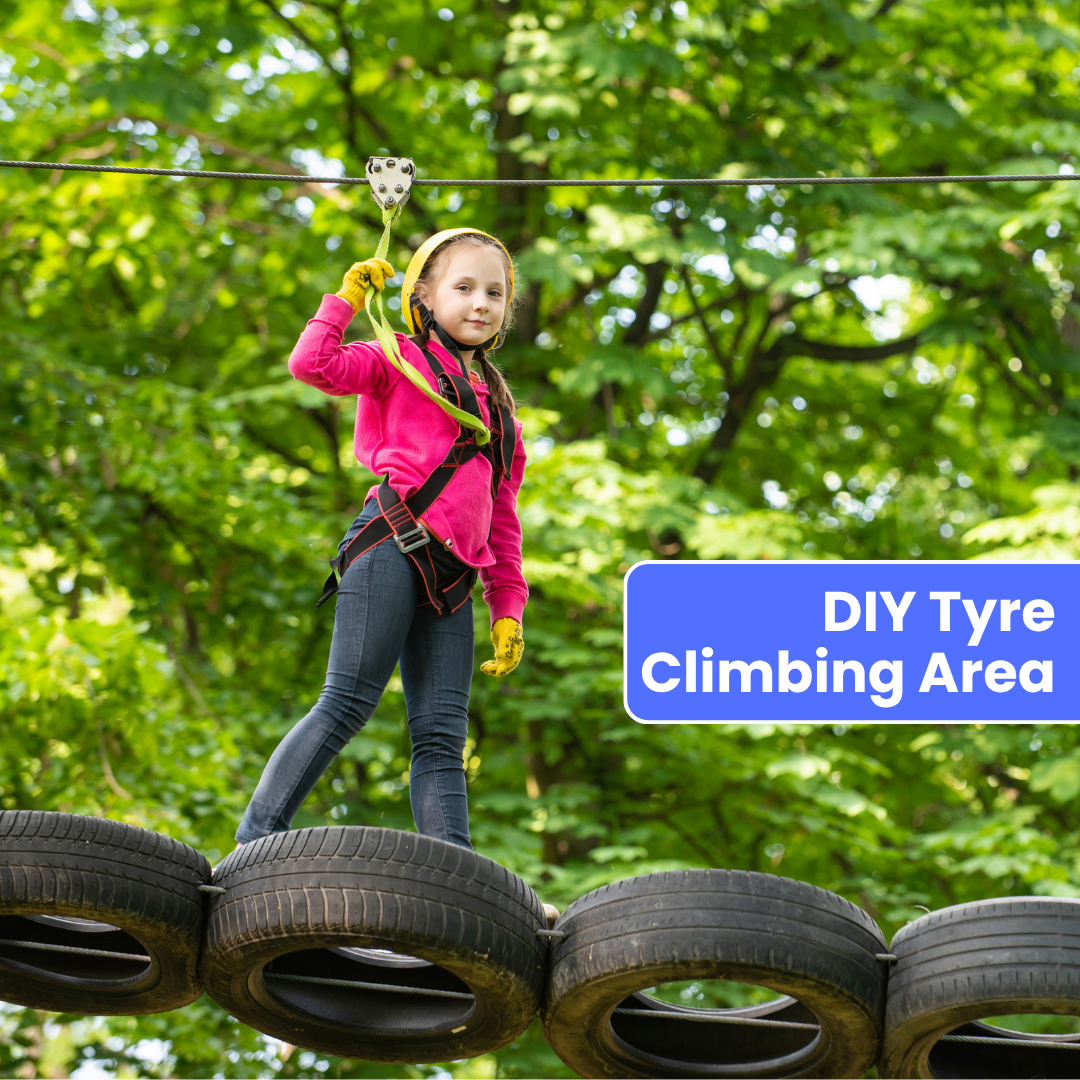
Old car tyres, half-buried or stacked and bolted together, make a great climbing feature. They're cheap, often free, and forgiving if a child slips. There's one rule that matters most: tyres must be fixed firmly in place before any child climbs on them. Never leave them loose or unstacked.
6. DIY Balance Beam
A length of timber, sanded and set low to the ground, teaches balance without much risk. Keep it close to grass rather than a hard surface. Resist the urge to raise it too high. A few inches off the ground is plenty for building confidence.
7. Outdoor Chalk Wall
Take a section of fence or an old board and paint it with chalkboard paint. Now kids have somewhere to draw and scribble. No mess indoors. It's cheap, easy to wipe clean, and it helps with early writing once kids start forming letters.
8. DIY Water Play Station
A washing-up bowl, some guttering and a few cups make a great water station on a warm day. Kids learn about pouring and filling almost without knowing it. Water play always needs an adult close by. Even a shallow tray needs a watchful eye.
9. DIY Outdoor Reading Corner
Not every corner of the garden needs to be about movement. A shaded nook with a waterproof cushion or two, tucked under a tree, gives kids somewhere to slow down with a book. It's a nice change of pace from the busier zones. It's also one of the cheapest ideas on this list.
10. Homemade Climbing Wall
Take a wall or a sturdy timber board. Fit it with bolt-on climbing holds. This gives older kids a bigger challenge. Take safety seriously here. Use proper climbing bolts, not homemade fixings. Add soft matting underneath too. If you’re too busy to set one up yourself, you can always visit a local soft play for a fun soft play session, where the equipment and safety are carefully taken care of for you.
11. DIY Stepping Stone Path
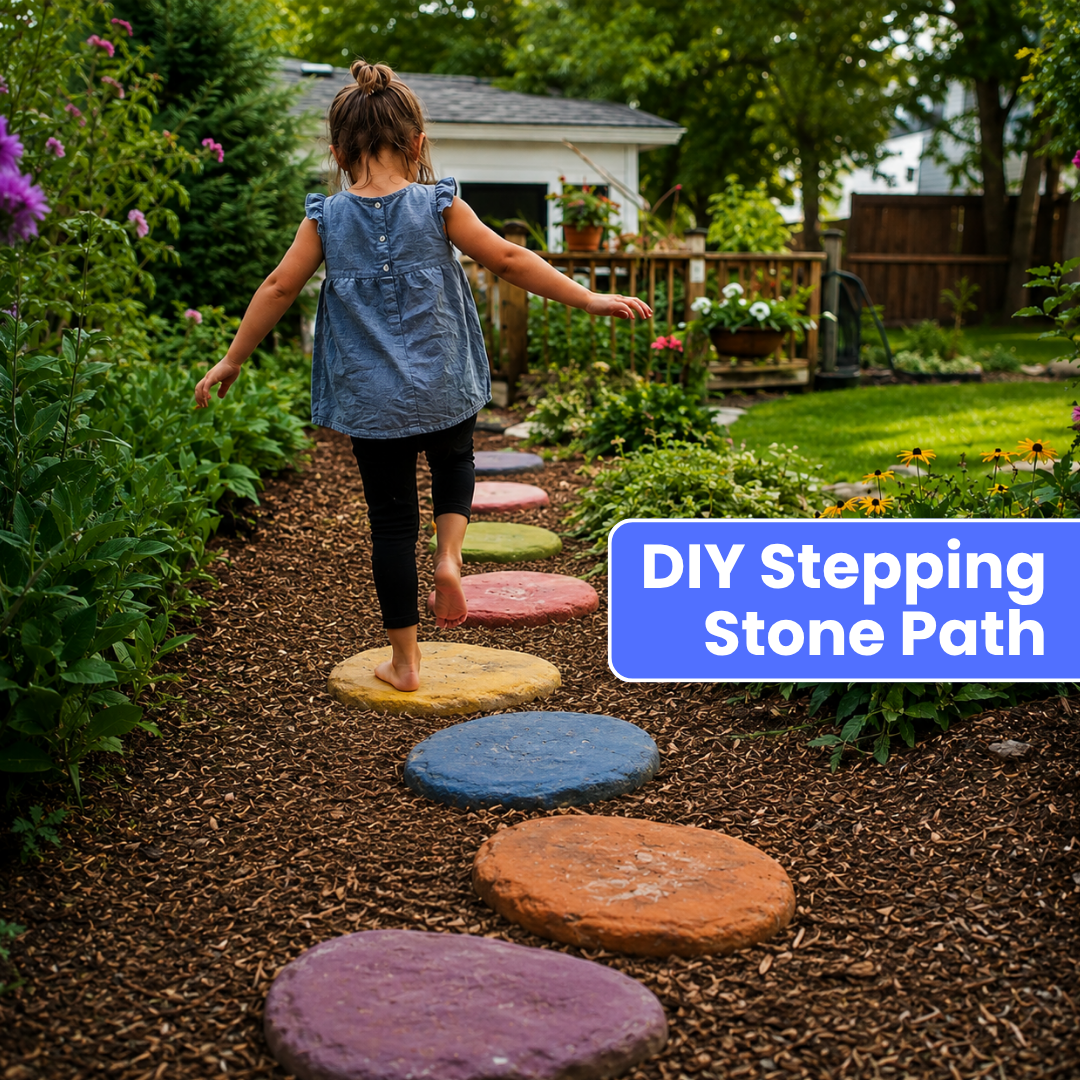
Lay out a winding path made from concrete slabs, painted tree stumps or stepping discs. It gets kids jumping and balancing. There's usually a lot of giggling too, especially when someone nearly falls off. Push each stone firmly into the ground. Nothing should wobble underfoot.
12. DIY Rope Swing
Few things beat a rope swing hung from a strong branch. It needs checking often, though. Knots loosen. Ropes fray. Branches can weaken over a season. Test the fixing point's strength before you fit it. Then recheck it every few weeks.
13. DIY Pretend-play House
An old wooden pallet, a playhouse kit, or even a big cardboard box with a coat of paint can become a shop, a café or a school. It all depends on your child's imagination. This kind of pretend play does more for language and social skills than most parents realise.
14. DIY Nature Exploration Area
Logs, stones, a small planting bed and a few bug-friendly plants create a spot for real outdoor discovery. Let kids turn over logs to find woodlice. Let them watch bees on the lavender. This kind of play builds a love of nature that's hard to teach any other way.
If you're looking for more ways to keep children active outdoors, explore our guide to fun activities in Newton Abbot, Devon. It includes plenty of ideas to help kids stay busy, active and entertained throughout the holidays.
15. DIY Mini Sports Zone
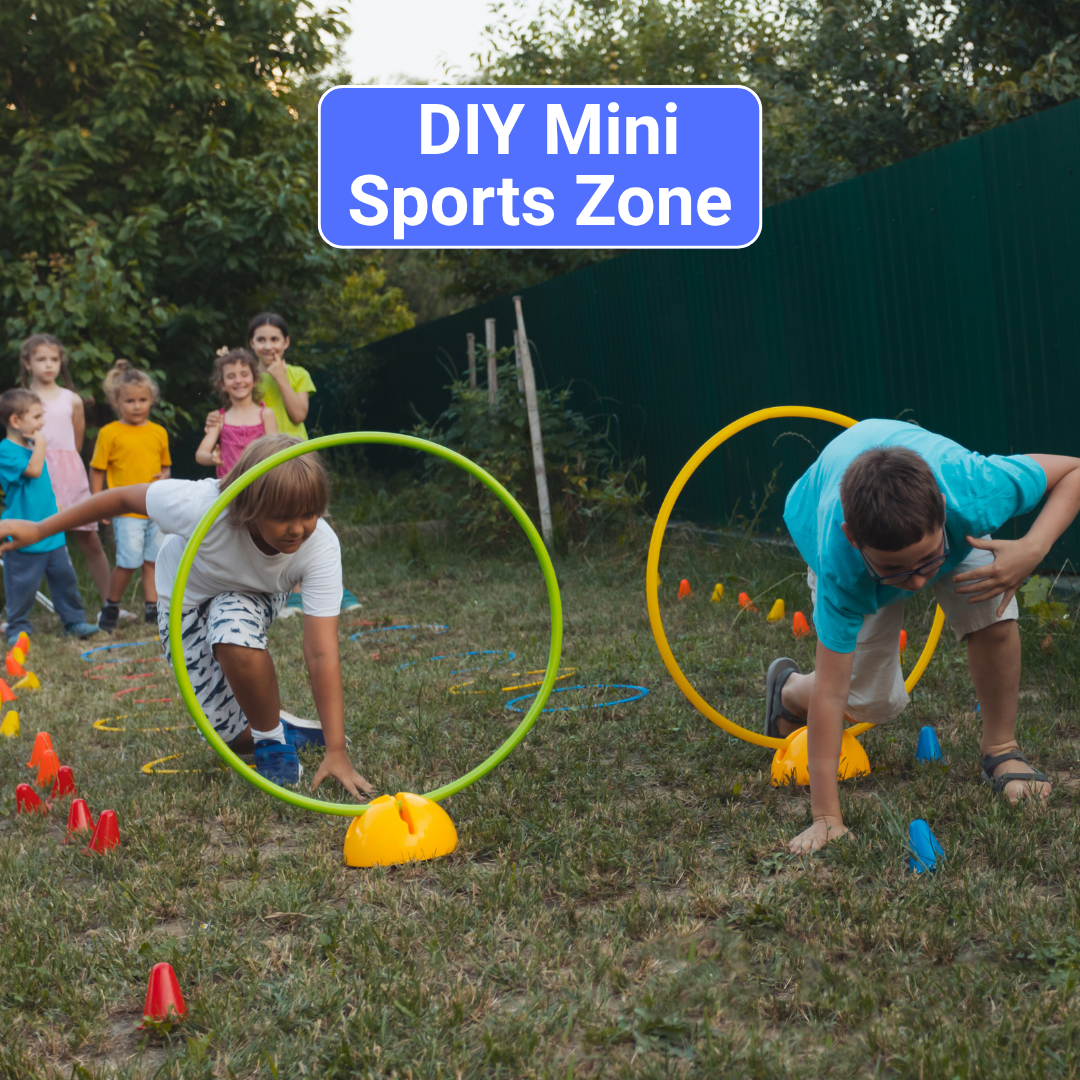
A small football goal, a basketball hoop on the fence, or a simple target board gives older kids a place to burn off energy with friends. It's one of the easiest wins on this list. Kids who love a bit of competition will thank you for it.
You could also look out for special play events for children, which can give them even more chances to get active, try new games, and enjoy some friendly competition. These events are a great way to add variety and make playtime feel even more exciting.
How Can Soft Play School Activities Complement Backyard Play?
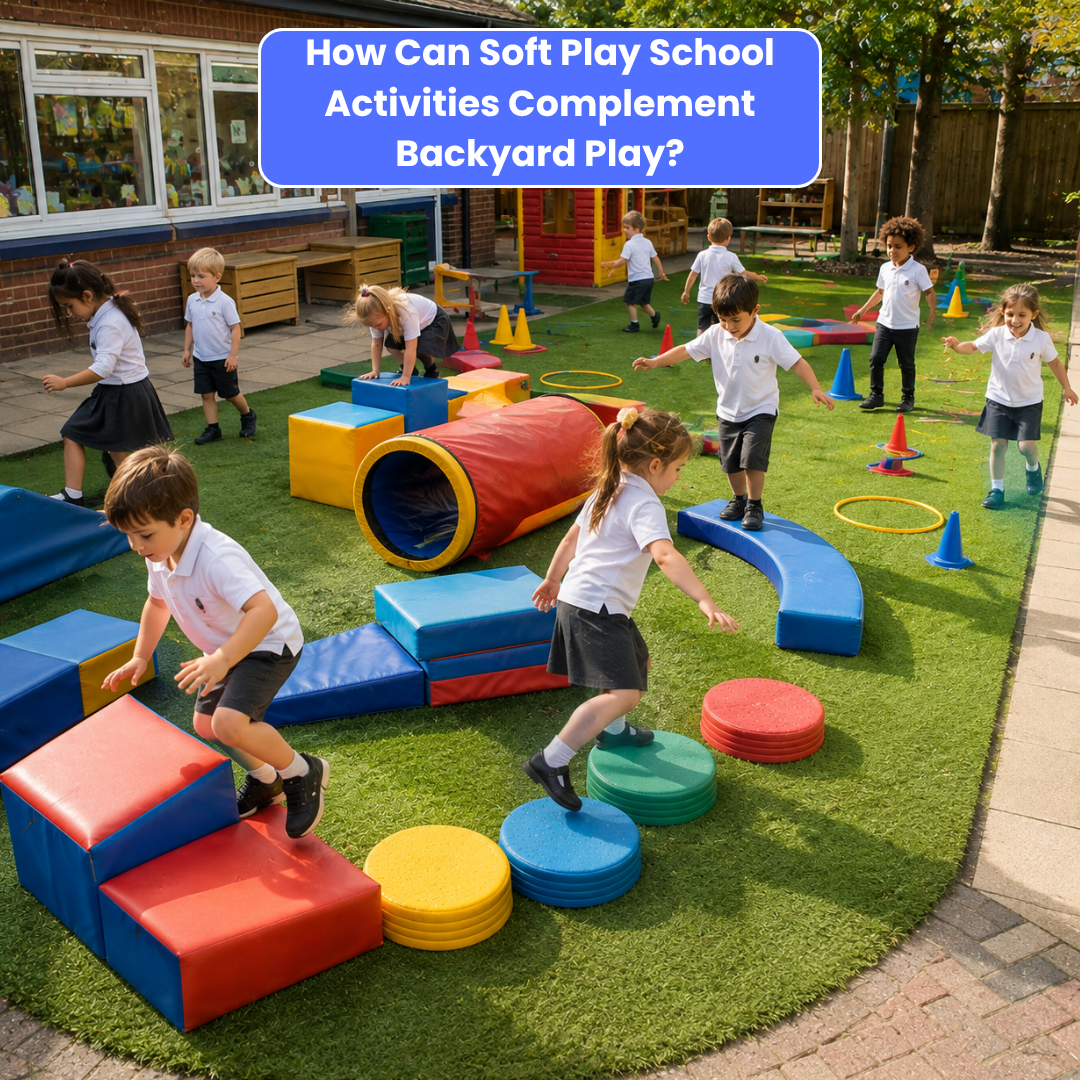
A DIY garden setup is great on a dry Saturday. But British weather doesn't always play fair. That's where soft play earns its place. It sits alongside outdoor play. It doesn't replace it.
Sessions at Soft play zone in Exeter aim for the same things as a good backyard. Think movement, balance and coordination. But it all happens in a padded, safe space. The risk of a hard fall is much lower. That padding matters for toddlers still finding their feet. They can climb and jump with less worry than they might on a wooden frame or a tyre stack.
There's a social side too. Soft play brings kids together with other children they don't usually see. That builds confidence in a way solo garden play often can't. A shy child on a busy soft play floor will often open up after a session or two. It just takes being around other kids for a bit.
Think of soft play as a second option, not a swap for the garden. It's handy on rainy half-terms. It's handy for younger kids who need extra padding. And it's handy when you fancy a change of scene without giving up safety. At Soft play zone in Newton Abbot, our soft play sessions are built around these same goals. Movement. Coordination. Confidence. All for younger children, all in a supervised space.
Conclusion
Fifteen DIY backyard playground ideas are a lot to take in. But you don't need all of them. Pick two or three that suit your garden and your kids' ages. Build them well. Add more over time as budget and interest allow. A mud kitchen and a stepping stone path might be enough to start with. A climbing frame can wait until next summer.
What matters most is a safe space, right for their age and genuinely fun to use. Not how many features it has. On the days when the garden's soaked through and nobody wants to go near it, soft play offers a warm, padded backup. It still gives kids the same kind of growth.
Looking for more ways to keep kids active, creative and engaged? Explore our soft play school activities at Wonderland Play and give your child a fun environment built around play and development.
Frequently Asked Questions
-
There isn't one single "best" idea. It depends on your child's age and how much space you have. Obstacle courses, climbing frames and pretend-play areas tend to be the most popular picks. They suit a wide age range. They also grow easily as kids do.
-
Use what you already have. Old tyres, pallets and spare bits of wood can become climbing features, play houses or balance beams for very little cost. Put safety first, not looks. A rough structure that's fixed down well beats a smart one that isn't.
-
A soft landing surface matters more than most people think. Put rubber mulch, safety matting or a thick layer of bark chips under any climbing or swinging kit. It cuts the risk of a fall causing harm.
-
Fix every structure down well. Use tough, splinter-free wood. Add the right surface under anything with height. Check the kit often for wear. None of this replaces an adult watching, especially for kids under five.
-
Yes, in most cases. Outdoor play builds physical coordination. It encourages pretend play and social skills too. It also gives kids a break from screens. How much a child gains depends on how varied and age-appropriate the play space is.