
How Emotional Development in Early Childhood Shapes a Child's Future?
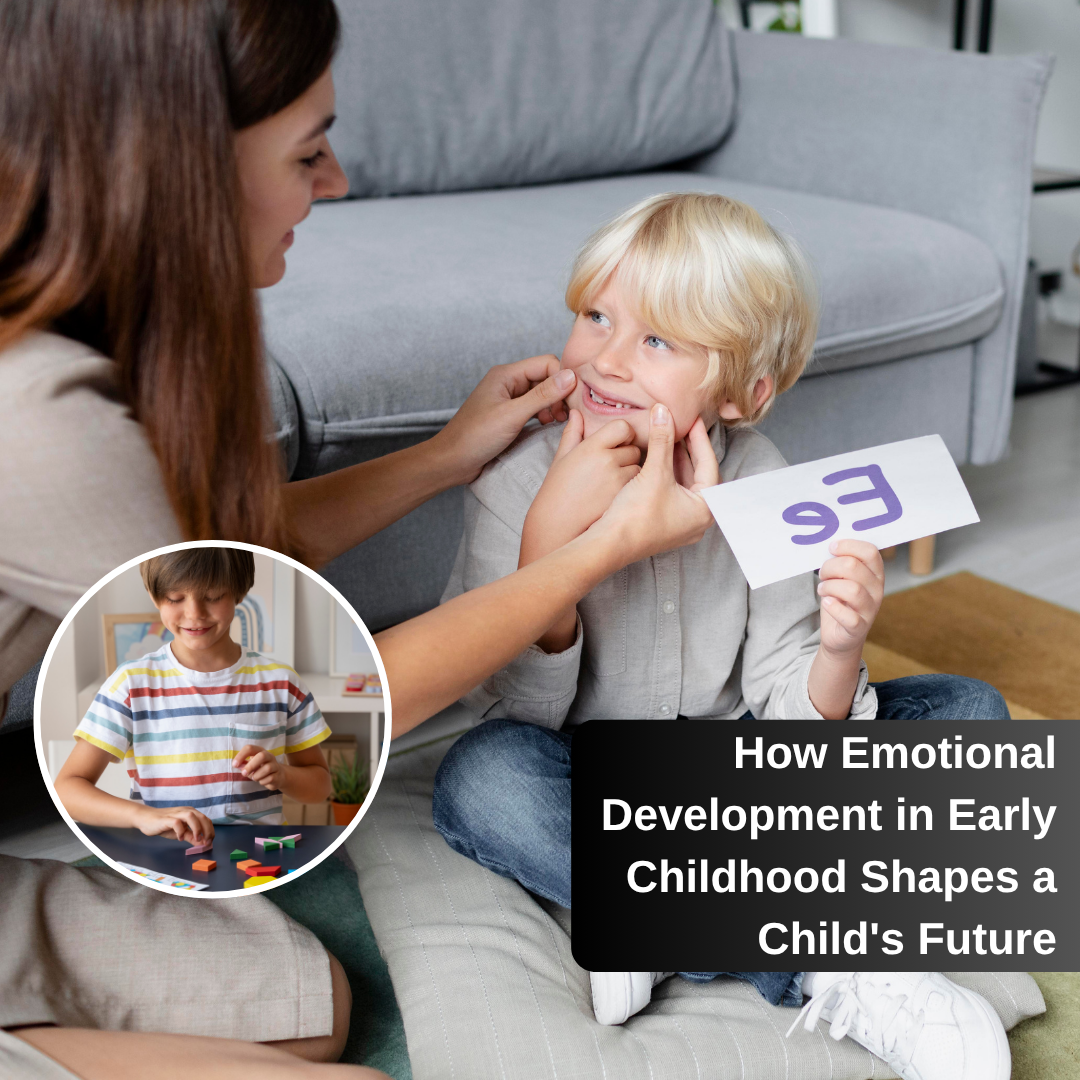
A toddler throws herself on the floor in frustration because her banana has split in two. To her exhausted parent, it feels like the end of the world. But these everyday dramas are a vital part of childhood development, teaching kids to value their emotions and act them out in healthy ways.
This is the key to emotional development in early childhood. It is not about expecting children to stay calm all the time or never feel frustrated. It is about gently helping them recognise their feelings, find the right words and discover ways to manage big emotions. With encouragement, play and plenty of patience, children gradually learn that every feeling is okay—even if throwing a biscuit across the room is not.
Table of Contents
At soft play, children learn vital social and emotional skills through play and exploration, learning to share, take turns, solve problems and celebrate their successes.
In this article, you will learn about the importance of emotional development, including how children's emotional intelligence grows throughout toddler and preschool years, as well as practical suggestions for fostering confidence, healthy emotional expression, managing difficult feelings and building relationships.
What is Emotional Development in Early Childhood?
Emotional development in childhood is a broad term encompassing how young children learn to identify, express and regulate their emotions. It also includes developing empathy skills and the ability to build relationships. While it is a lifelong process, emotional development begins in early childhood and lays the foundation for future emotional growth.
Emotional development is most basic at the most basic levels – toddlers tend to react to situations primarily with anger or frustration. Older children, however, particularly those aged 5 or older, have the emotional maturity and language skills to begin communicating feelings, not just expressing them.
Recognising and Naming Emotions
Before regulating emotions, children must first be able to identify and name them. Once they can label a feeling – happy, sad, angry, worried – they can begin to understand how to deal with it.
From Tantrums to Communication
Over the course of early childhood, it is common for children to move from having tantrums to using communication to express feelings. A toddler might throw a tantrum when they cannot reach an object or when a toy is taken from them – but a slightly older child might simply say “mine” or reach out for help instead.
Why Parents Need Activities That Are Safe, Fun and Weather-proof?
Be Prepared for Unpredictable Weather
Devon's weather can change quickly, so it's helpful to have a mix of indoor and outdoor activities planned.
Choose Flexible Holiday Activities
Look for toddler-friendly options that don't require advance booking or a big budget.
Keep Your Toddler Active and Entertained
Short, engaging activities are ideal for burning off energy and preventing boredom during the school holidays.
Enjoy the Best of Exeter
From an Indoor play Area for Kids to exploring local parks and attractions, there are plenty of fun options for young children.
Parent-recommended Ideas
These activities are inspired by local parents and carers who know what works best for keeping toddlers happy and active during the holidays.
Why Does Emotional Development Matter So Much?
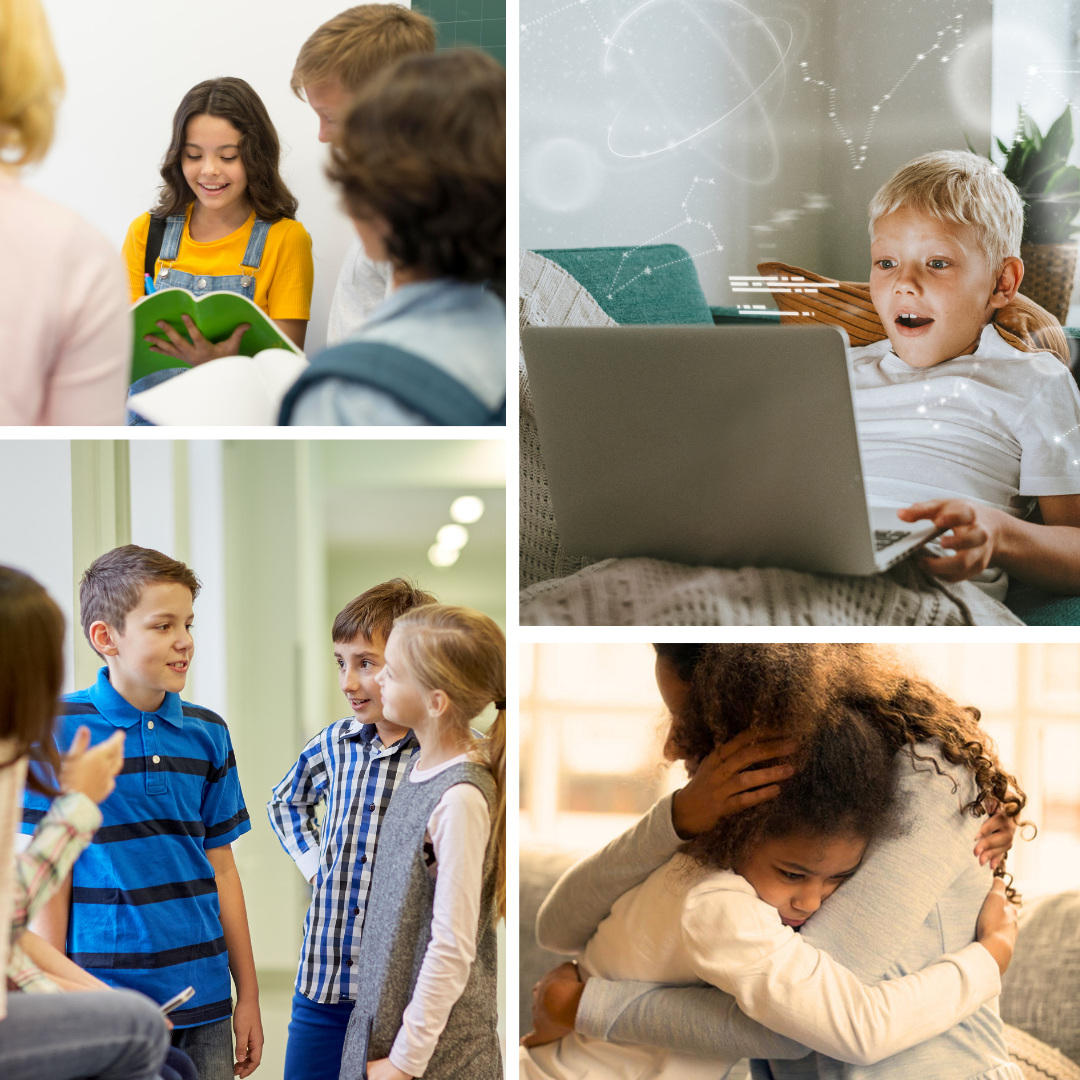
Why is Emotional Development Important?
It Helps Children Communicate Clearly
Children learn to recognise and express what they need and want.
This makes it easier for them to ask for help and communicate with others.
It Supports Healthy Relationships
Children who understand their own emotions can find it easier to understand other people's feelings.
This can help them build friendships and develop positive relationships.
It Helps Children Manage Difficult Emotions
Children gradually learn how to cope with disappointment, frustration and anger.
These skills can help them handle everyday challenges more confidently.
It Develops Empathy
Recognising their own emotions can help children understand how others may be feeling.
This encourages kindness, sharing and consideration for others.
It Prepares Children for Future Challenges
Emotional skills can support children as they navigate school, friendships and new experiences.
Over time, these skills can also help them communicate and handle challenges in their personal and professional lives.
It is an Important Part of Overall Development
Emotional development is not a solution to every challenge a child may face.
However, it gives children useful skills and strategies for dealing with everyday situations.
How Early Emotional Skills Shape a Child’s Future?
Emotional development is important at any age, but early childhood experiences can have the longest-lasting effects. While toddlers do not understand much beyond the immediate present, they are nevertheless learning all the time – about the world around them and about themselves. Here is a list of benefits from early emotional development:
Naming Emotions → Clearer Communication
Children who can name their feelings may find it easier to explain what they need and communicate with others.
Managing Frustration → Better Self-regulation
Learning to handle frustration can help children stay calmer and manage pressure as they grow.
Showing Empathy → Stronger Friendships
Understanding other people's feelings can help children build kind, respectful and healthy relationships.
Working Through Small Problems → Greater Resilience
Solving everyday challenges can teach children to cope with setbacks and keep trying.
Trying New Things Confidently → More Independence
Feeling confident about new experiences can encourage children to explore, make choices and become more independent.
Sharing and Cooperating → Stronger Social Skills
Learning to share, take turns and work with others helps children develop positive social skills.
For example, a child who learns to regulate frustration and disappointment at an early age will be better equipped to overcome obstacles later in life. Similarly, a child who learns patience and persistence through soft play in Newton Abbot may find it easier to manage these emotions and challenges as they grow into adulthood.
School-readiness is another area in which early emotional development can pay off. The ability to follow instructions, share, wait their turn, or not panic when their parent leaves them at nursery are all emotional skills.
The Key Emotional Skills Children Need to Build
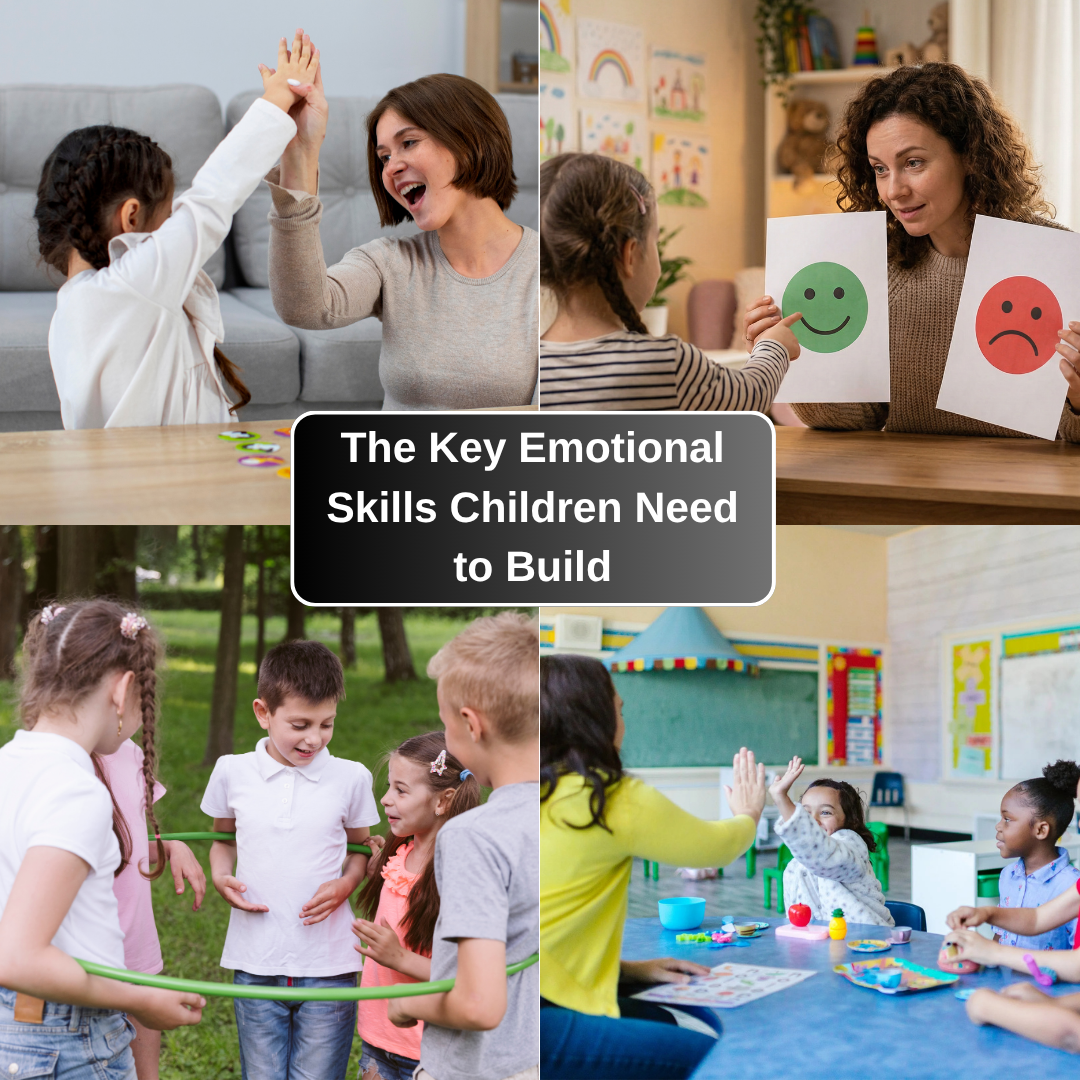
There are 5 main emotional skills that children – and indeed adults – need to build on during their formative years.
Self-awareness
Recognising one’s own emotions. Seems simple – but most adults would find it hard to explain exactly how they are feeling in any given moment.
Self-regulation
Learning to control one’s emotions and actions – particularly in response to a stimulus. It involves being able to calm yourself down after getting upset, preferably without shouting or hurting someone.
Empathy
Becoming aware of – and understanding – the emotions of others. Children who display empathy are likely to comfort upset people or offer help when someone needs it.
Social Awareness
Understanding and interpreting the feelings of others.
Relationship Skills
These include sharing, taking turns, playing cooperatively and solving conflicts without help. The ability to build healthy relationships is vital to a happy and fulfilling life.
Each of these skills develops at a different rate in different children. Some kids may be ready to share and take turns at 3 while others struggle until they are 5 or older.
How Parents Can Support Emotional Development at Home?
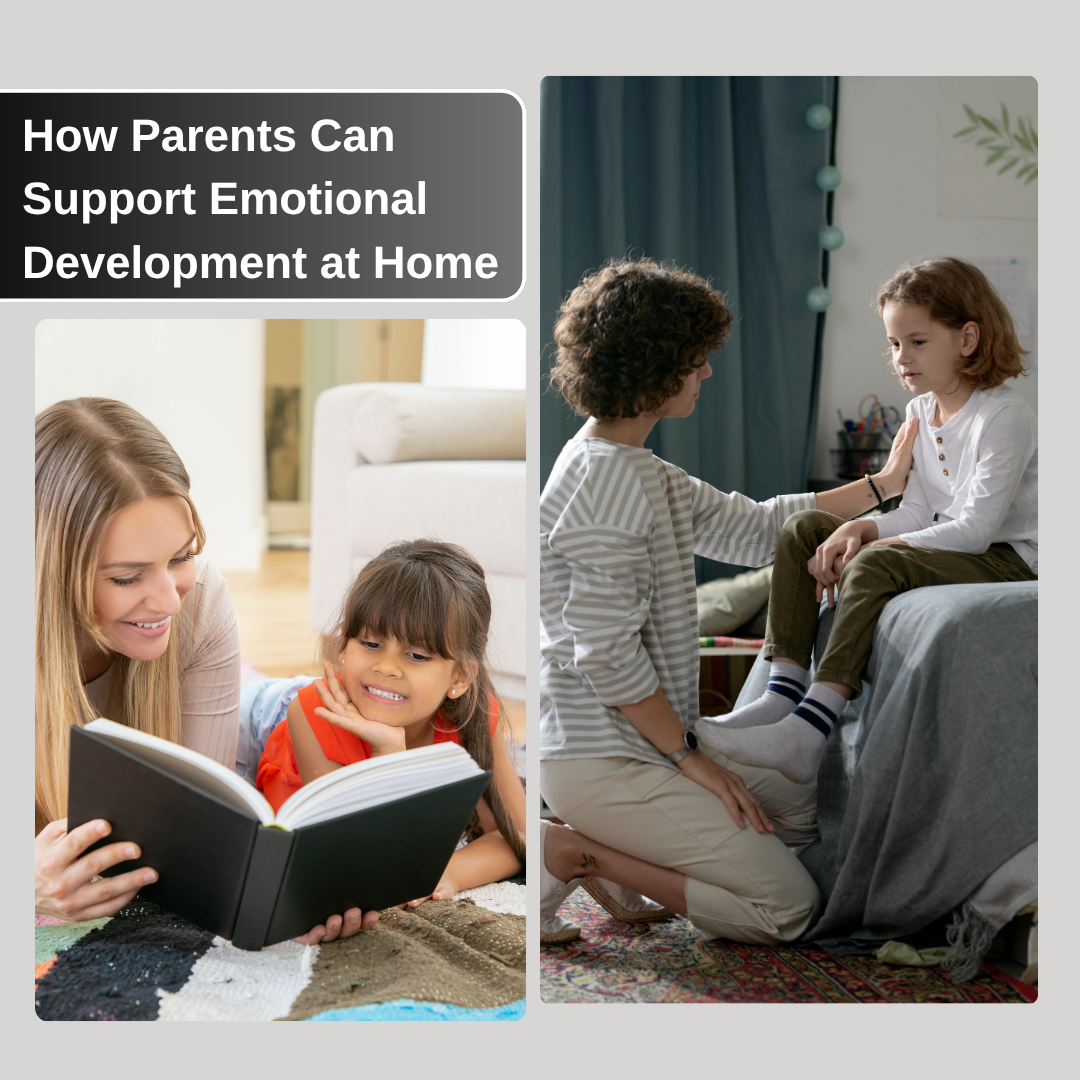
Most of the skills listed above can be nurtured within the family environment. Parents do not need to do anything particularly specialised or out-of-the-ordinary in order to support their child’s emotional development.
Talking About Emotions
Instead of dismissing or ignoring emotions, try to talk through them with your child. You might say things like "You seem frustrated because the tower of blocks is falling down." This helps them to develop an emotional vocabulary and enables them to understand their emotions.
Listening to Your Child
Sometimes children just need someone to listen to them. Listen to what they say, as well as to what they feel.
Showing and Talking Through Your Own Emotions
Children will often imitate the behaviour of those around them, including you. By talking through the emotions you are feeling, you can model healthy ways of dealing with them to your child.
Keeping Routines as Predictable as Possible
Having predictable routines helps a child to feel safe and secure. It also means they are better placed to learn something new because they are not having to think too hard about working out what is going on.
Giving Them Options
Wherever possible, give children a choice – it enables them to feel slightly more in control of their environment.
Reading Stories and Talking Through the Feelings of the Characters
This is a great way to help a child learn how to interpret the emotions of others.
None of the suggestions above need to be done in any particularly formal way they should be things that you enjoy doing with your child. Emotional development should be a gradual process of learning and growing – not an intense lesson at the dinner table.
Learning Through Play
Children also develop emotional skills through everyday interactions and play. Playing with others gives them opportunities to practise sharing, taking turns, expressing feelings and handling small disagreements. These simple experiences can gradually help children understand themselves and respond to others more confidently.
How Soft Play Helps With Emotional Development?
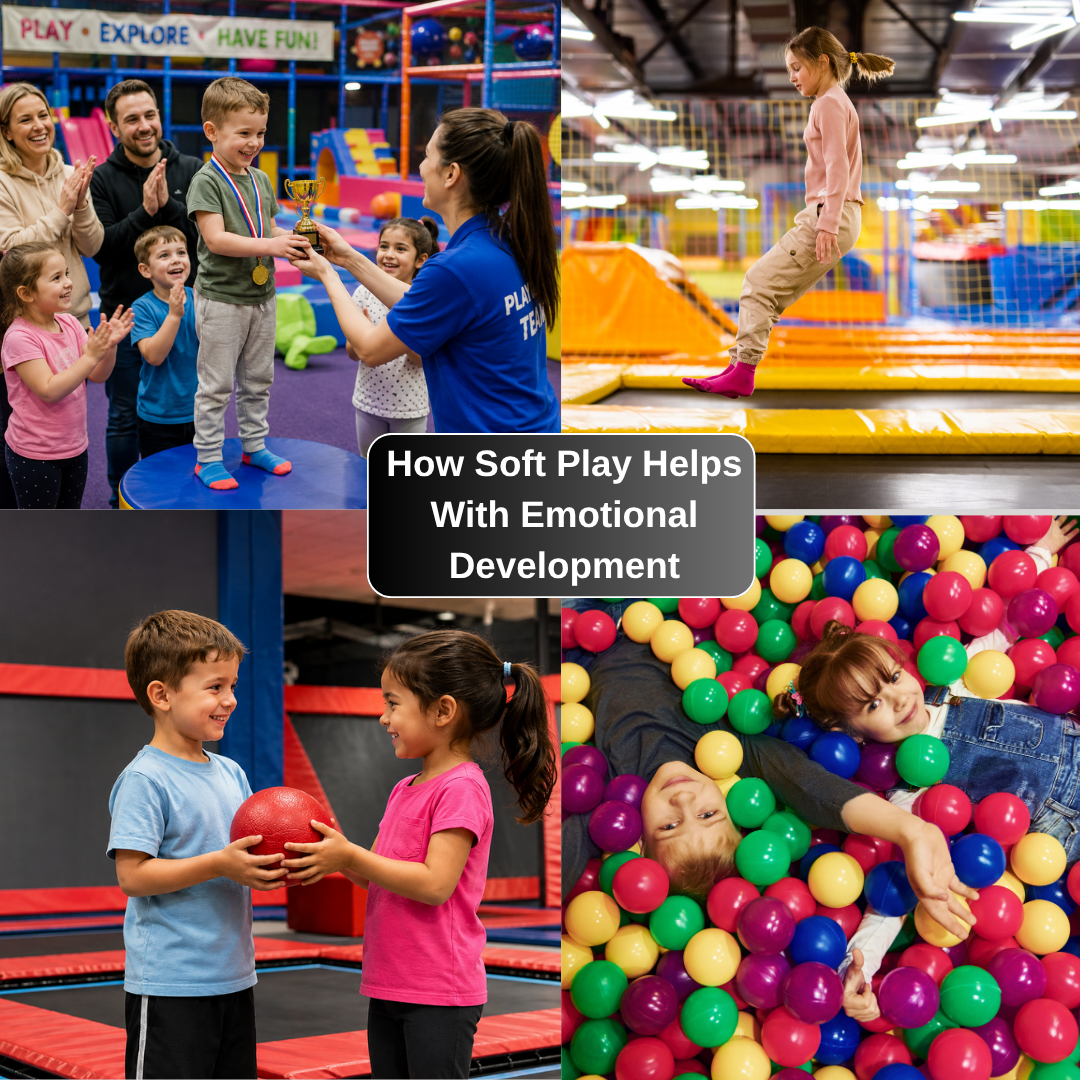
Any parent who has spent a morning in a soft play centre in Exeter can tell you that these places are rarely silent and never tidy. What they may not realise is that such an environment can have a surprisingly beneficial effect on a child's emotional development.
The value of soft play comes from the fact that many of the rules and expectations that a child has to deal with in everyday life are suspended within a soft play centre, creating an environment in which they can develop their social and emotional skills without being overwhelmed by the pressure of other people's expectations.
A Gentle Approach to Physical Activity
Strong emotions can build up in a child well before they can be expressed verbally and need an outlet. A child who has had a difficult day or a stressful couple of hours needs somewhere to safely release this energy.
Burning Off Negative Feelings
Activities like climbing frames and ball pits act as an effective release for a child's frustration and dissatisfaction, allowing them to leave the session calmer and more composed than when they arrived.
Parents across the country can testify to the fact that a child who has had a difficult morning in a play centre is often significantly less likely to protest at bedtime than they otherwise would be.
Developing Confidence Through Achievement
The satisfaction that a child gains from managing a skill that they previously found difficult can be very valuable in building up their self-confidence. This feeling of accomplishment can have a significant impact on a child's willingness to participate in future activities that they find challenging. This could be as simple as getting through their first day at nursery or learning to eat a new food.
Learning the Practical Side of Getting on With Others
In many ways, kids indoor play sessions can be seen as a controlled environment for a child to practise getting on with other people.
Learning Social Rules Without Being Taught Them Directly
While there may not be any set etiquette for making way on the slide, children nevertheless have to learn ways of interacting with each other if they want to make the best use of the equipment.
The Importance of Sharing Equipment With Strangers
For a young child, working out who gets to go down the slide first can be a surprisingly complex matter. It is often more difficult when they are dealing with a stranger, rather than their own sibling, meaning they have to develop a broader social awareness if they want to achieve their goal.
Reading Other Children's Cues in the Moment
A child who has been bumped off the slide by another child has to quickly assess the situation and decide what to do next. Do they ask for a teacher's help or try working it out for themselves? Do they even mind what has happened? The same thought process will take place when they encounter a similar problem in a school setting a few years later.
Why This Matters More Than It Might Seem
While it may sound like I'm overestimating the role of a soft play centre in a child's life, it is these kinds of activities that provide children across the UK with the opportunity to build up the social and emotional skills I have listed above, without any structured direction or teaching.
Soft play centres can often seem like a distraction for children, filling up their day with fun before they know it's bedtime. However, they can simultaneously be seen as an opportunity to learn vital social skills and emotional regulation methods that can stay with them for years. Parents may find that the value of a soft play centre can be hidden within these everyday interactions.
Signs of Healthy Emotional Development
Most parents want a “checklist” of emotional development to refer to and work against. Unfortunately, the process is not as simple as that – there are no hard and fast rules, and every child develops at their own pace. That said, healthy emotional development usually looks something like this:
Developmental Milestones
A child can begin to name emotions, even if they are simple ones
Ask for help when they need it (rather than simply demanding)
Learn to calm themselves down, if not immediately, then with a little help over time
Show empathy and care for other people
Learn to take turns and share
Develop some resilience and recover from disappointment
Healthy emotional development is not about preventing sadness, anger or frustration in early childhood. It is about equipping a child with the coping mechanisms and skills that will see them through their future challenges.
Points to Remember
Emotional development in childhood runs from infancy into late childhood.
Children learn to identify and express their emotions.
They will also learn to regulate emotions, particularly frustration.
Play can contribute to emotional development.
Supportive adults can encourage emotional development in children.
Developing early emotional skills can have huge benefits later in life.
Conclusion
Raising an emotionally healthy child was never about preventing tears. It was about teaching them to understand and better manage their emotions, as well as helping them bounce back to their happy selves more quickly than before each time they fall.
Because what children learn about handling their emotions and feeling better in different situations stays with them for life, influencing the way they deal with troubles both big and small all their lives.
Looking for a comprehensive way to support your child's self-confidence, as well as their social and emotional development through play? There are several activities at Wonderland Play that encourage children to have fun and engage in active play while strengthening their emotional, social, and physical development.
Frequently Asked Questions
-
It is how young children learn to identify, understand and regulate their emotions. It occurs from a very early age and lasts throughout childhood and into early adulthood.
-
Emotional development can impact many areas of a child’s life – it makes them more likely to communicate effectively, build relationships and manage disappointments.
-
From birth, babies begin to learn about emotions through their interactions with others. They then continue to learn and develop these skills from their parents and other carers.
-
They can talk through emotions with children and learn to talk about them. Parents can also serve as role models by managing their emotions in healthy ways.
-
Yes, play can help children to understand and regulate emotions, as well as develop social skills.