
7 Proven Benefits of Physical Play for Children’s Growth and Confidence
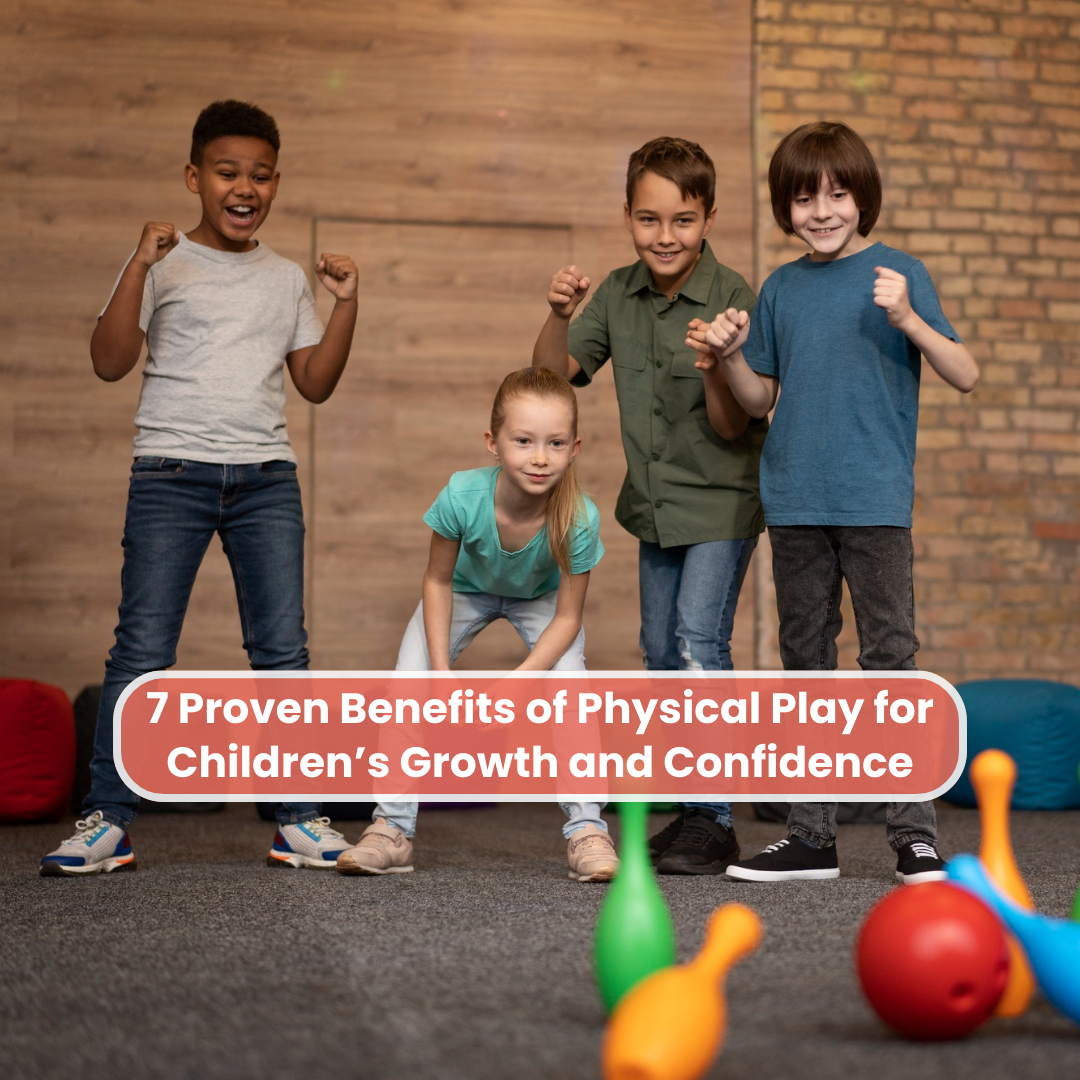
When screen time is high and moments of physical play and outdoor time are even less than an hour, parents can feel tense and frustrated. You want your child to be active, confident, and healthy, not just technology savvy. That’s where understanding the benefits of physical play becomes reassuring for every parent.
Physical play does far more than burn energy. It supports strength, focus, emotional balance, and social confidence, all through movement that feels natural and enjoyable to children. Still, many parents ask the same question: where does safe, purposeful play fit into modern family life?
This blog breaks it down clearly. You’ll learn what physical play really means, why it matters so deeply for growing bodies and minds, and how the right kids soft play centre in Exeter helps children develop skills they carry well beyond childhood. If you’re looking for clarity, not guesswork, you’re in the right place.
What Is Physical Play?
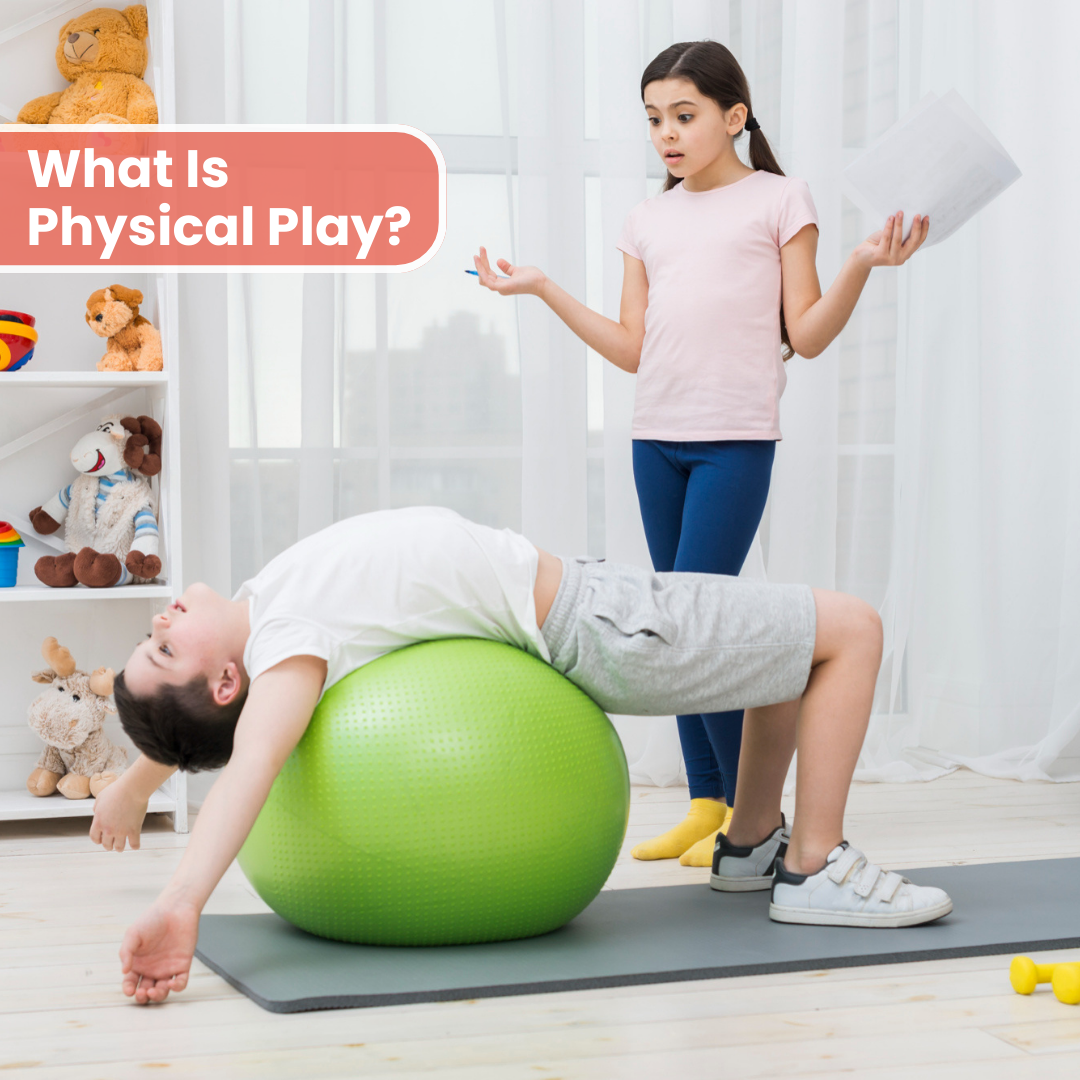
Physical play often gets dismissed as noise, mess, or children simply letting off steam. In reality, however, it is one of the most organised ways children learn about their bodies and the world around them. When movement has purpose, it quietly supports healthy growth without feeling like effort.
Physical play includes activities that get children moving with intention, not instructions shouted from the sidelines.
Jumping, climbing, crawling, balancing, and pushing.
Using their body to explore space and solve simple challenges.
Repeating movements that build strength and control over time.
This kind of play feels natural to children because it matches how their bodies are designed to move.
With that clarity in place, the next step is to understand how physical play shapes health, skills, and behaviour in real, measurable ways. That is where the true benefits begin to stand out.
The Proven Benefits of Physical Play for Children
Across play spaces, schools, and child development settings, one pattern stays consistent. Children who move regularly grow stronger, steadier, and more settled. These outcomes are observed daily, supported by research, and reinforced through real play environments where movement feels natural rather than forced.
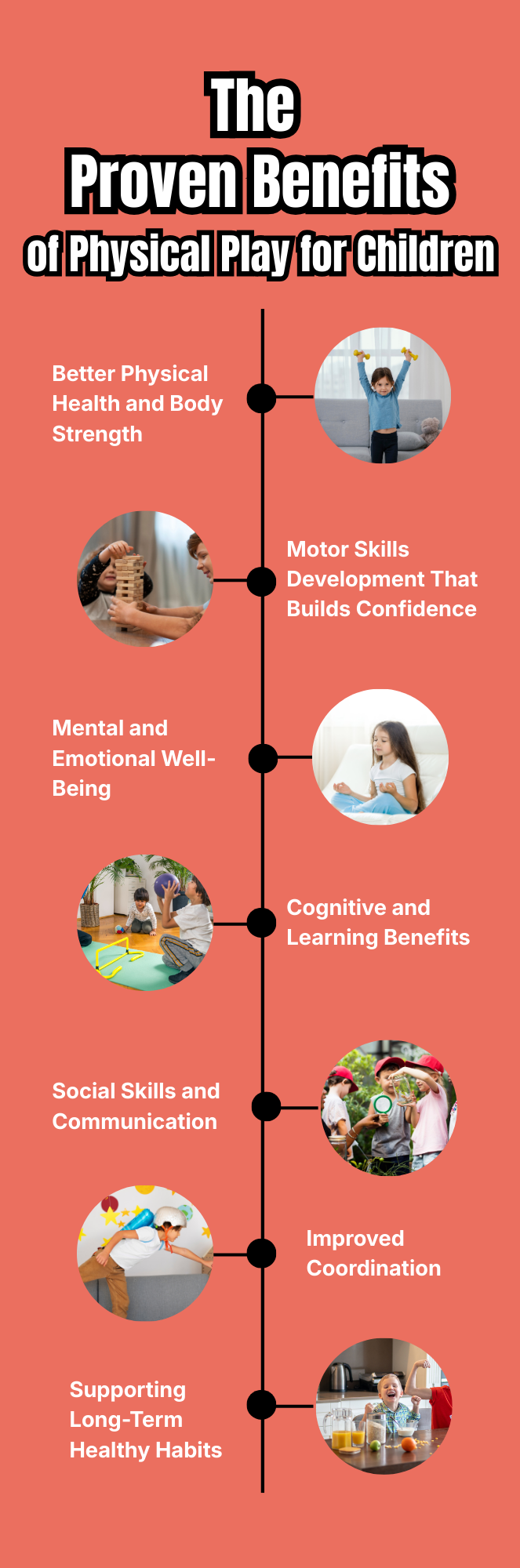
1. Better Physical Health and Body Strength
Physical play supports healthy growth without pressure or rules around fitness.
Children maintain a balanced body weight through natural movement.
Active play at the children soft play zone in Newton Abbot strengthens the heart and lungs without strain.
Bones grow stronger through jumping, climbing, and landing.
Muscles develop tone through repeated, everyday movement.
These are long-term benefits of physical play that support health quietly, without turning activity into a task.
2. Motor Skills Development That Builds Confidence
Motor skills develop best when children repeat movements that feel enjoyable.
Gross motor skills improve through jumping, climbing, and balancing.
Fine motor skills develop through gripping, pulling, and controlled movement.
Repetition helps children refine control without realising they are practising.
It’s common to see a child who once hesitated on steps begin climbing with ease after regular play.
3. Mental and Emotional Well-Being
Movement helps children manage their energy and emotions more effectively.
Physical activity releases built-up restlessness.
Regular movement supports calmer behaviour and a better mood.
Children often feel more confident after mastering new actions.
Many parents notice a calmer, more settled child after an active play session.
4. Cognitive and Learning Benefits
Physical play supports how children think, not just how they move.
Movement improves focus and attention.
Active play strengthens memory and problem-solving.
Sensory input helps children process information more clearly.
These skills form a strong base for learning, both inside and outside the classroom.
5. Social Skills and Communication
Play environments naturally encourage social learning.
Children practise turn-taking and cooperation.
They read social cues through shared activities.
Communication improves through interaction, not instruction.
Friendships often form naturally when children play side by side.
6. Improved Coordination
Physical play helps children understand how their body moves in space.
Eye-hand coordination develops through climbing and catching.
Balance improves through dynamic movement.
Both sides of the body work together naturally.
Mind and body connect through repeated movement patterns.
These benefits of physical play support smoother, more confident movement over time.
7. Supporting Long-Term Healthy Habits
Early movement habits often last well beyond childhood.
Children gain confidence in being active.
Play reduces dependence on screens over time.
Understanding these benefits leads to an important question: where can children experience this kind of play safely and consistently? That’s where the right play environment makes all the difference.
How Wonderland Play Supports Physical Play?
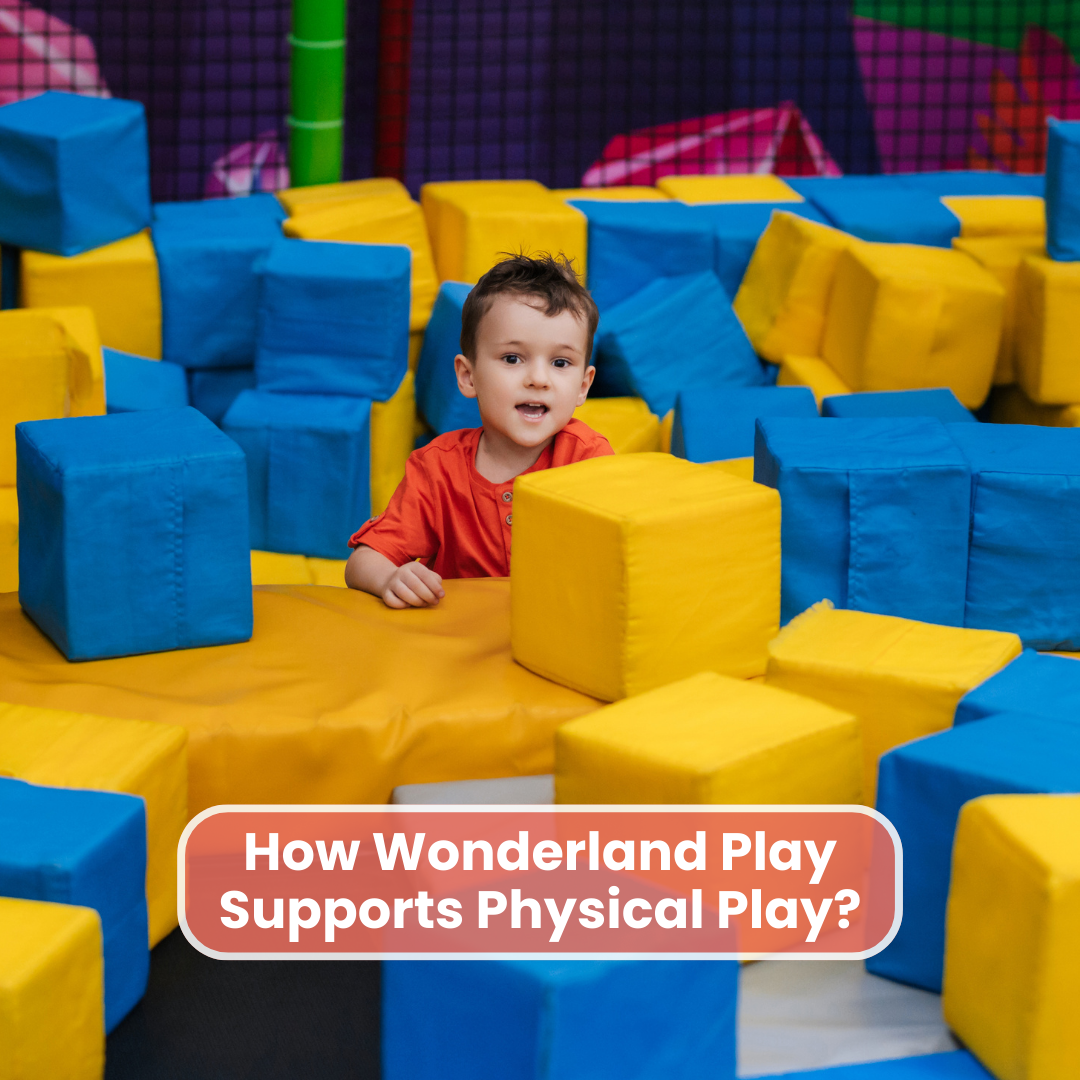
Parents often ask where physical play can happen safely, without chaos or pressure. Wonderland play a best play centre in the UK for kids answers that need with clarity and care, shaped by years of hands-on experience with how children actually move, learn, and grow.
With over ten years of working closely with children, Wonderland Play understands how bodies develop through movement.
Structure does not limit play. It gives children confidence to try, repeat, and improve. Children move with purpose when the space supports them.
Wonderland Play has trained supervision to ensure safe exploration. Separate zones match strength and coordination levels. Younger children play without pressure from older ones.
Many parents spot changes quickly, without being told what to look for.
As the blog moves toward its close, the next step is simple. Understanding how to support physical play at home helps children carry these benefits beyond the play space and into daily life.
Simple Ways to Encourage Healthy Physical Play
Understanding physical play is helpful, but daily action makes the real difference. These practical steps work in real homes, busy schedules, and everyday routines, without turning movement into another task on your list.
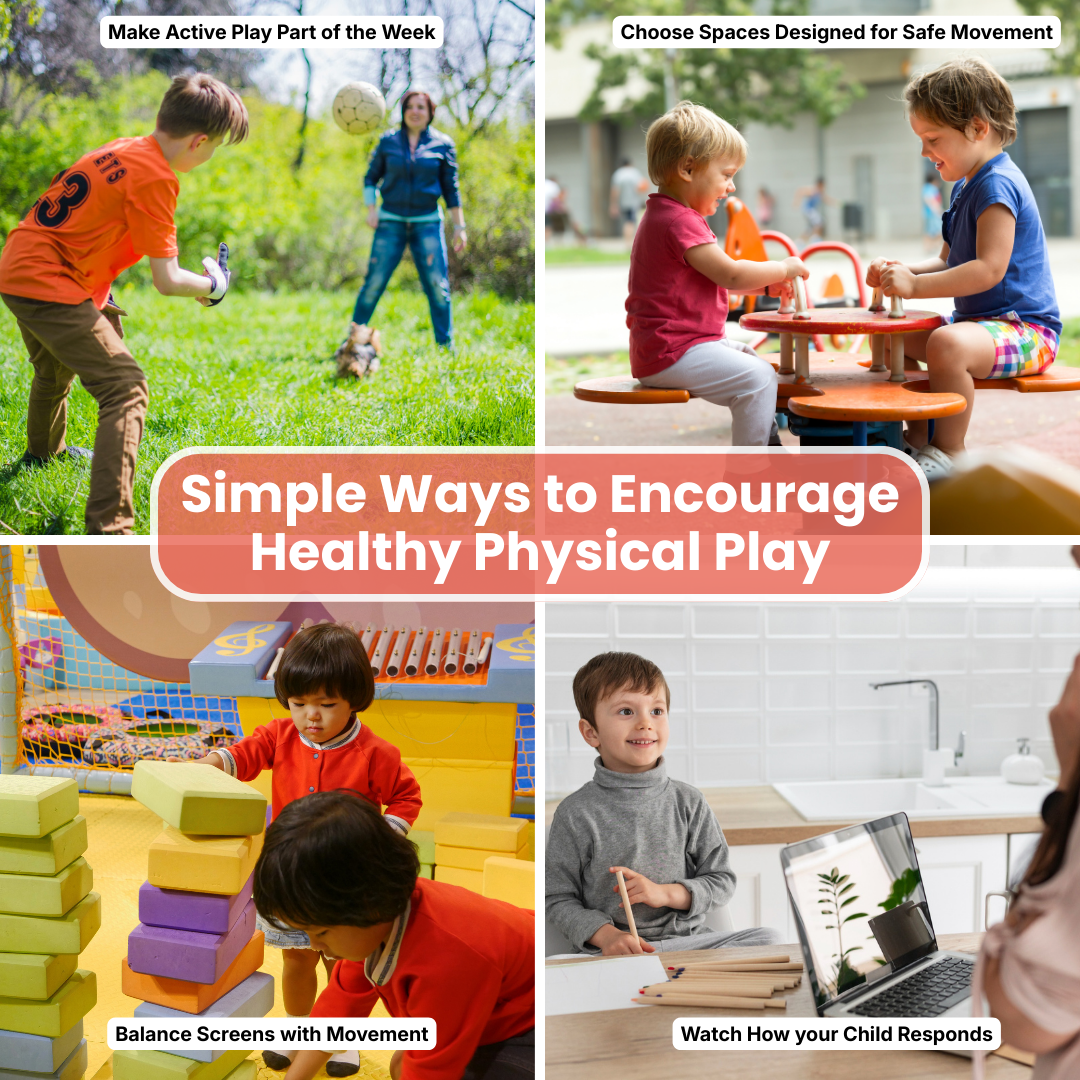
Make Active Play Part of the Week
Children respond best to consistency, not long sessions.
Set fixed times for active play during the week.
Short, regular Soft play activities for children work better than occasional long sessions.
Treat movement like a normal part of the day, not a reward.
Choose Spaces Designed for Safe Movement
Look for structured play areas with clear zones.
Prioritise safety, supervision, and age-appropriate equipment.
Safe spaces allow children to explore without constant correction.
Balance Screens with Movement
Offset screen time with planned physical play.
Encourage movement after long periods of sitting.
Active indoor play zones help children reset both their bodies and focus.
Offer Variety in Play
Mix climbing, jumping, balancing, and crawling.
Avoid repeating only one type of activity.
Variety supports the full benefits of physical play over time.
Watch How your Child Responds
Notice changes in mood, focus, or confidence.
Watch how they approach new movements.
Adjust play based on what supports them best.
These small choices add up, and the environment continues to support children as they grow.
Conclusion
If you’ve been worrying about screen time, low activity, or missed play opportunities, you’re not alone. Many parents face the same questions, and this blog has shown why movement remains one of the strongest foundations for a healthy childhood. From physical strength and coordination to focus, confidence, and social growth, the benefits of physical play support children well beyond the early years.
What makes the difference is consistency and the right environment. When children move regularly in spaces designed for safety and structure, progress becomes visible, not forced. Over time, children carry these habits into daily life, choosing movement more naturally and growing more confident in their own bodies.
Wonderland Play offers parents a place to see these changes unfold through thoughtful, active play rather than theory alone. If you’re curious, visit, explore the space, and ask questions. Sometimes, the clearest reassurance comes from watching your child move, play, and thrive.
Frequently Asked Questions
-
Physical play supports healthy body growth, better balance, stronger muscles, and improved focus. It also helps children manage emotions, build confidence, and develop social skills through active interaction.
-
Physical activities include jumping, climbing, running, balancing, crawling, and structured soft play. These movements keep children active while helping them explore their physical abilities safely.
-
Children develop motor skills, coordination, strength, and body control through movement. Physical activity also supports communication, problem-solving, and cooperation with other children.
-
Physical play is movement-based activity that supports a child’s physical, mental, and emotional growth. It helps children understand their body, build confidence, and develop essential life skills.
-
In early years, physical play focuses on basic movements like crawling, climbing, and balancing. These activities lay the foundation for strong motor skills, coordination, and healthy development as children grow.