
What Are the Best Activities for Fine Motor Skills?
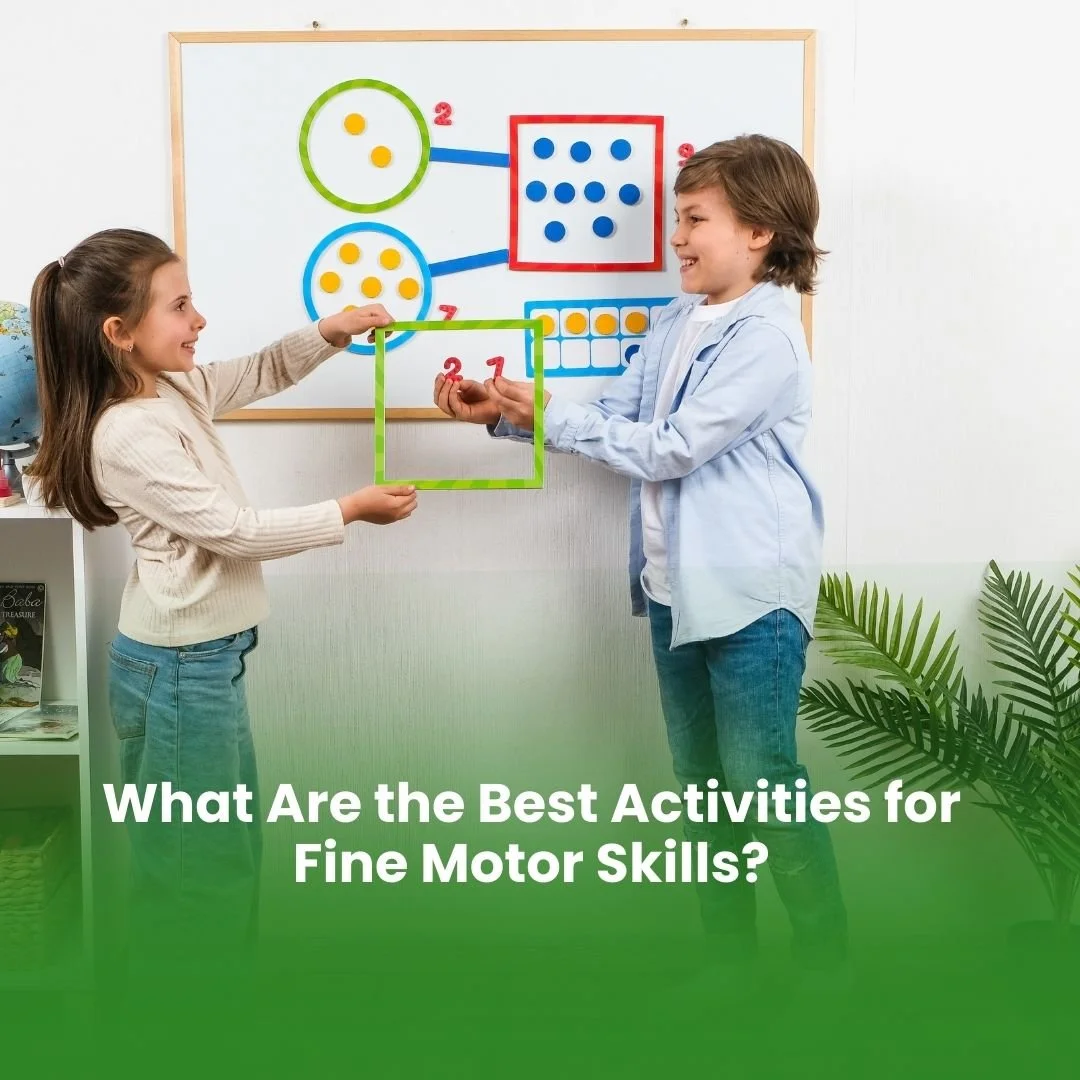
A small spoon in a tiny hand can feel like a quiet celebration; that first clean bite brings a smile, a sense of relief, and the reassuring thought when a parent recognises: they’re getting there. But on other days, the same task may feel harder for tiny shining stars. The spoon slips, food spills, patience thins, and doubt quietly follows. Should this be easier by now? Am I missing something? These everyday moments are exactly where activities for fine motor skills begin to matter, not as exercises, but as part of real life.
Table of Contents
Many parents want to help but feel caught between too much advice and too little clarity. Fine motor development often gets rushed or misunderstood, even though it shapes how children eat, draw, dress, and learn. With over a decade of hands-on experience, Wonderland Play soft play centre has seen how the right activities, introduced calmly and consistently, turn effort into confidence. This guide explains what truly supports fine motor growth, helping you move forward with clarity, patience, and trust.
What Are Fine Motor Skills?
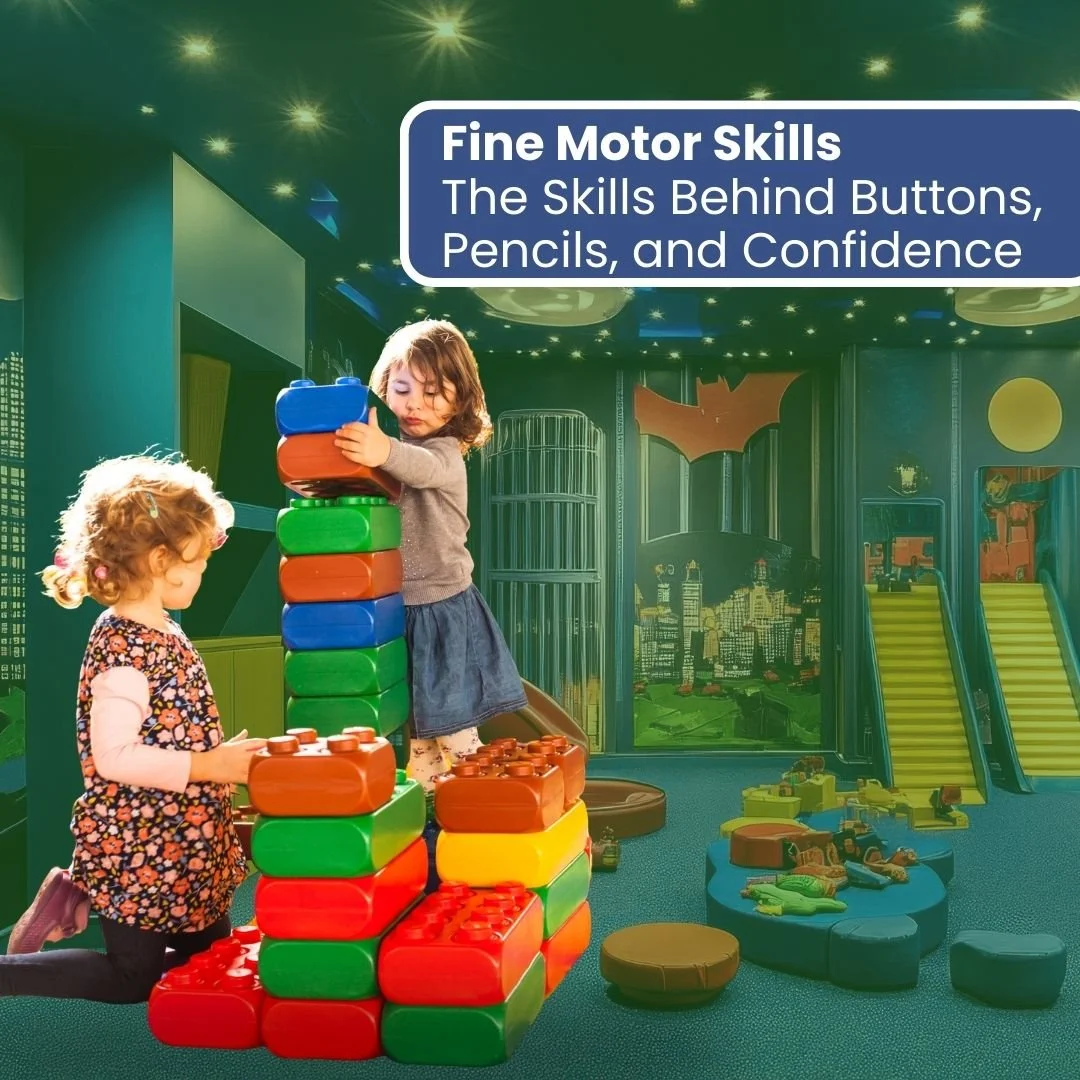
Fine motor skills show up quietly in a child’s day. You notice them when a crayon stays within the page, a zip moves up without help, or a spoon reaches the mouth with control. These small actions rely on strength, timing, and practice, not chance.
Fine motor skills refer to how children use the small muscles in their hands, fingers, and wrists. These movements work best when the eyes and hands cooperate smoothly. A steady grip, controlled pressure, and accurate movement allow children to handle objects without strain.
In real life, this looks like holding a pencil without fatigue, turning pages one at a time, or opening a lunchbox independently. Each action trains coordination and control together.
Importance of Fine Motor Development
• Academic Foundation: Supports writing stamina, letter formation, and early maths work.
• Independence and Self-Care: Helps with buttons, zips, grooming, and meal routines.
• Brain Development: Indoor kids' activities strengthen neural pathways and problem-solving ability.
• Emotional Confidence: Encourages pride, participation, and self-belief.
Now that the role of fine motor skills is clear, the next step is understanding which activities for fine motor skills actually strengthen these abilities in a practical, child-friendly way.
Foundational Activities for Fine Motor Skills
Fine motor skills grow best through play that feels natural and repeatable. Children learn faster when everyday activities feel enjoyable and fun and not like a task. That is why activities for fine motor skills work most effectively when they appear again and again in simple, playful ways. Repetition builds strength, while play keeps interest steady.
Below are proven activities used by child development professionals and play specialists. Each one targets a specific hand movement that supports daily tasks and school readiness.
5 Creative and Play-Based Activities
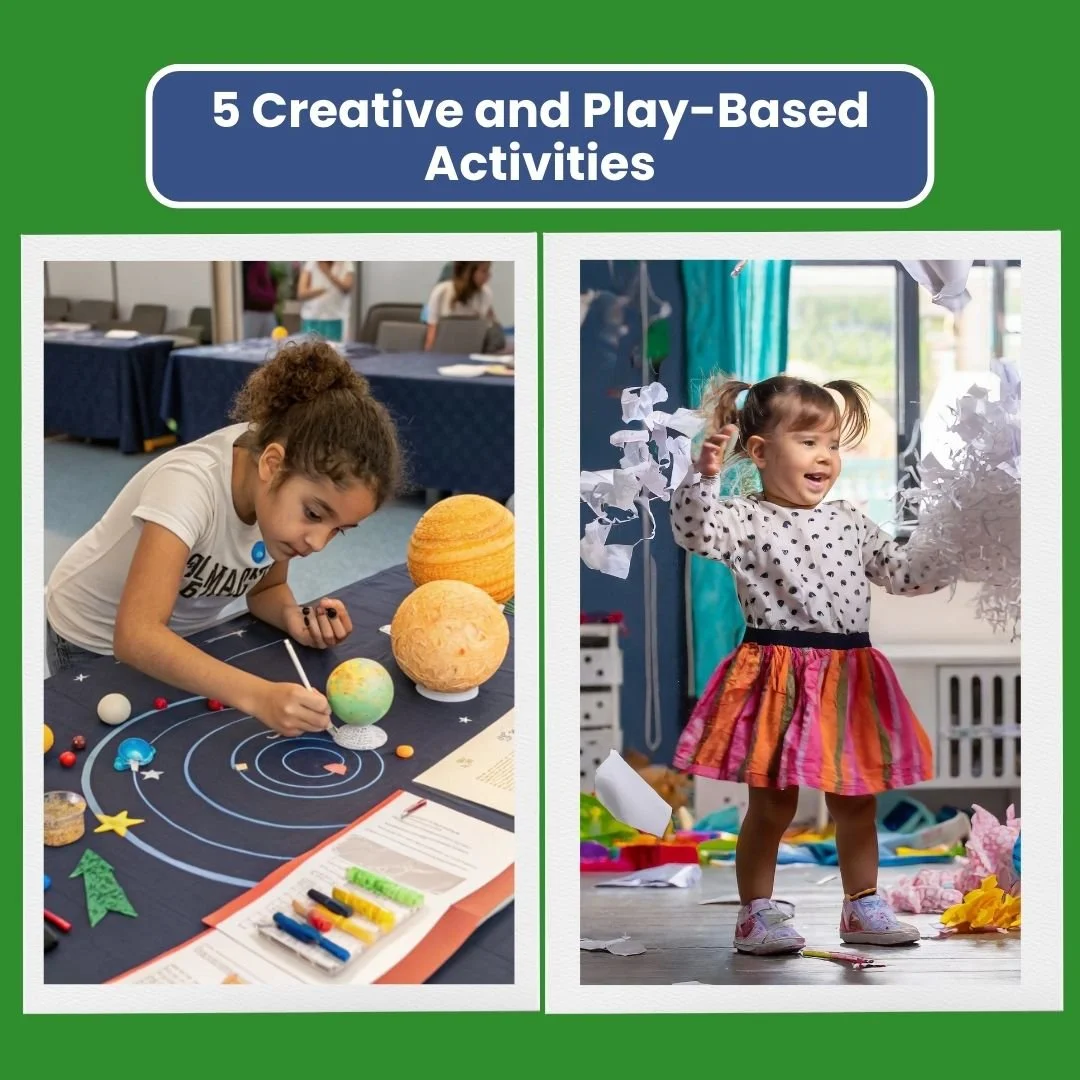
Creative play allows children to use their fingers freely. These movements improve strength, control, and coordination without pressure.
1. Playdough and Clay
Rolling, pinching, and shaping dough strengthens finger muscles and improves grip control. Ask your child to roll small balls or flatten shapes. This builds the same muscles used for holding pencils later.
2. Stickers and Peeling Games
Peeling stickers demands finger precision, and placing them improves control and accuracy. This activity directly trains the pincer grip used for writing and buttoning clothes.
3. Drawing and Painting
Using crayons, brushes, or fingers helps children practise pressure control. Thick crayons suit younger hands, while brushes improve wrist movement. These actions support smoother writing later on. Well-designed soft play centre in Exeter support this by offering child-height art stations, wide drawing surfaces, and age-appropriate tools that fit small hands.
4. Simple Crafts
Tearing paper, sticking pieces, or building with recycled items improves hand coordination. Each tear or placement trains control and direction.
5. Squeezing Activities
Spray bottles, sponges, and paint squeezers strengthen hand muscles. These tools improve grip strength and endurance needed for longer tasks.
5 Everyday Tasks That Build Skills
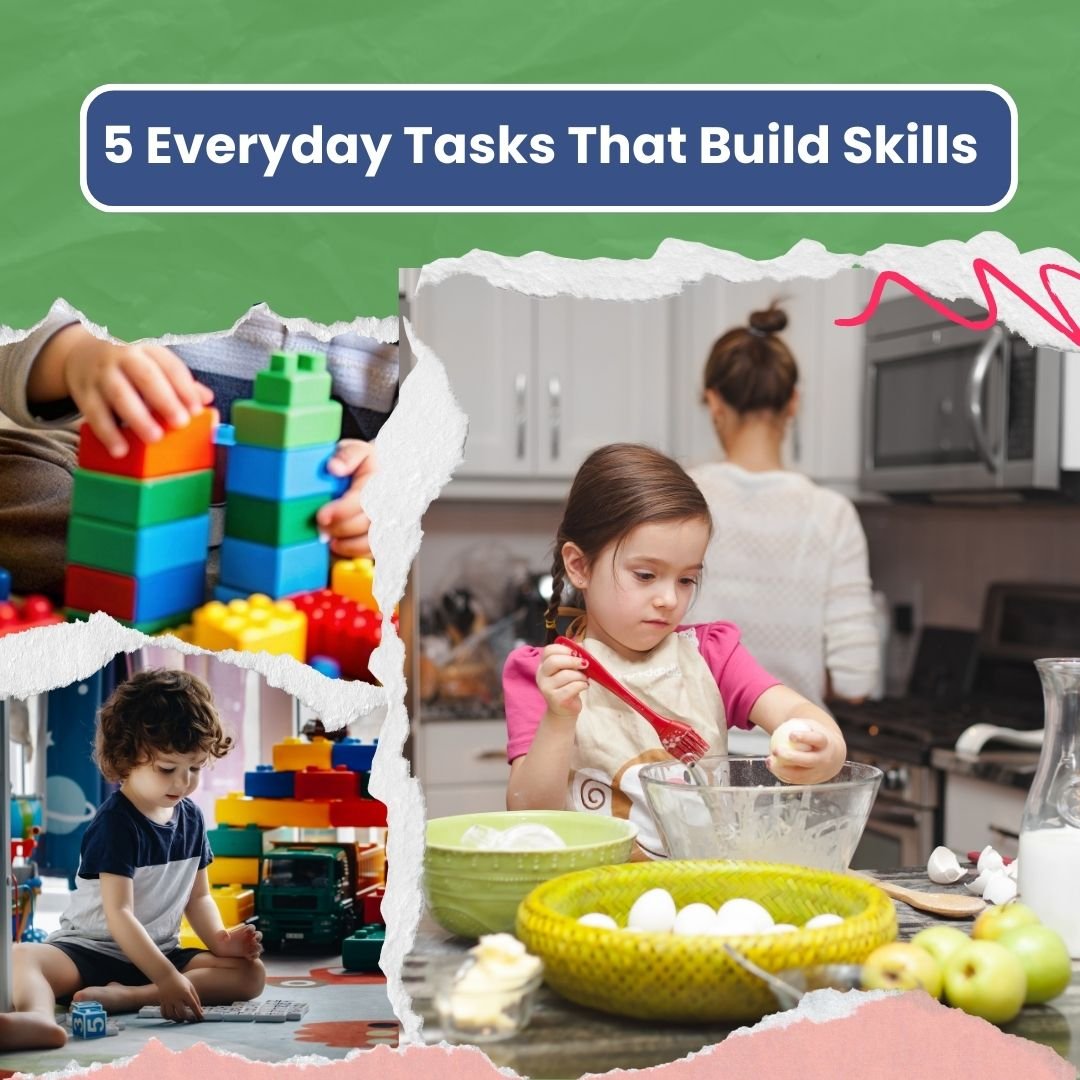
Daily routines offer powerful activities for fine motor skills when children participate instead of watching.
6. Threading and Lacing
Stringing beads, pasta, or cereal improves hand-eye coordination. Start with large items and move to smaller ones as control improves.
7. Puzzles and Shape Sorters
Handling puzzle pieces builds finger strength and problem-solving skills. Turning pieces to fit shapes also improves wrist movement. Soft Play Centre in Newton Abbot supports this by providing large, durable puzzles placed at child-friendly heights, so children can focus on movement without strain. Floor puzzles and wall-mounted activity panels encourage different hand positions, which improve wrist flexibility and control.
8. Building Toys
Blocks, magnetic tiles, and construction sets encourage precise placement. These tasks train control, balance, and planning.
9. Coin Posting Games
Dropping coins into slots strengthens finger accuracy. Sorting coins by size adds focus and control to the activity.
10. Kitchen Helpers
Stirring batter, pouring water, or using cookie cutters develops coordination. Supervised kitchen tasks build confidence and hand strength together.
4 Tool and Hand Strength Activities
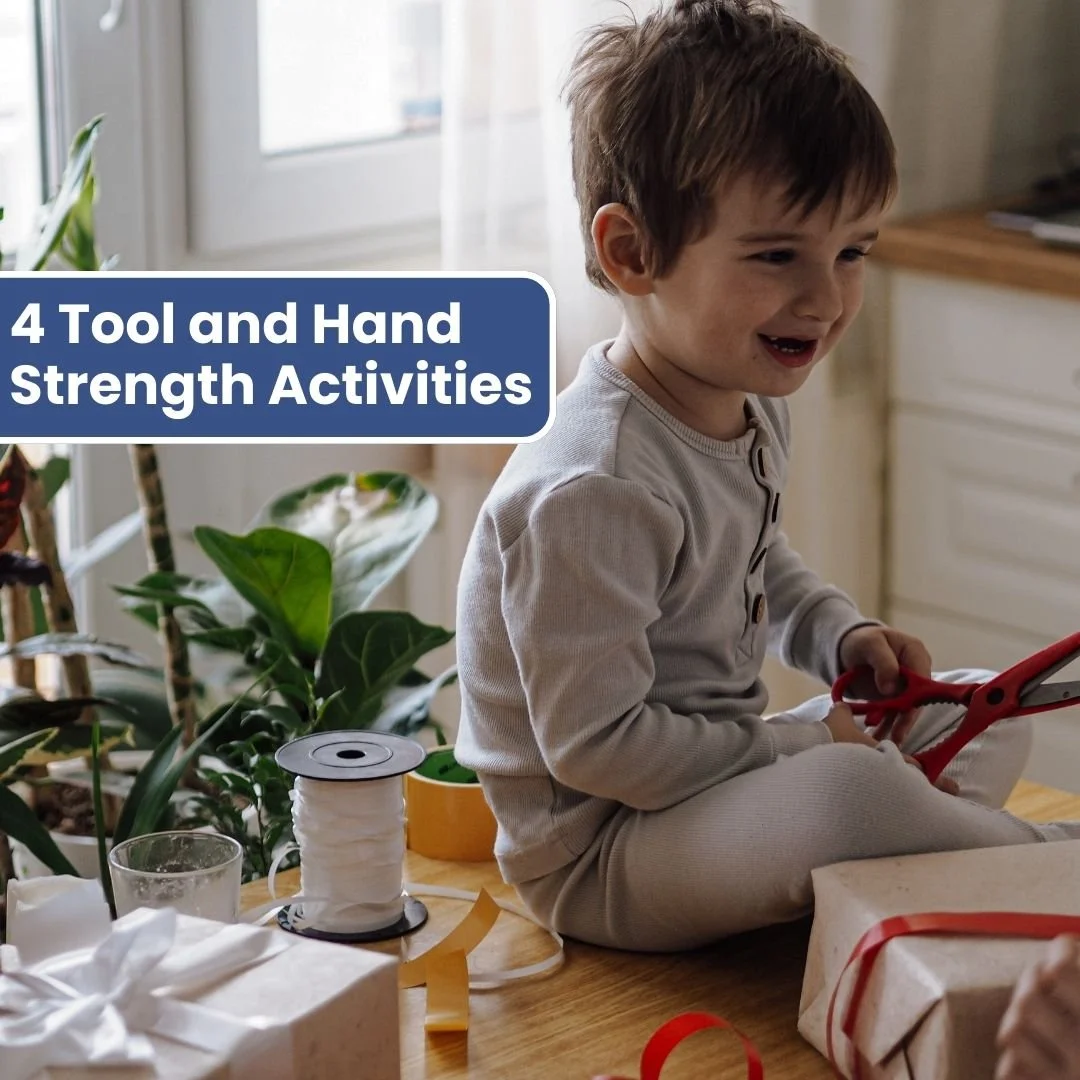
Tools help children practise controlled force. These activities prepare hands for classroom demands.
11. Scissor Practice
Cutting paper, dough, or straws improves grip stability. Start with straight cuts before moving to curves.
12. Tweezers and Tongs
Picking up small items builds finger strength and precision. Move objects between bowls to practise control.
13. Hole Punch Play
Pressing a hole punch strengthens the whole hand. It also trains timing and grip pressure.
14. Peg and Clip Games
Clipping pegs onto containers or cards builds thumb strength. This movement supports pencil control and button fastening.
Quick Practice Checklist
• Keep sessions short
• Remove pressure
• Let children choose
• Repeat activities often
When children enjoy these activities for fine motor skills, progress becomes steady and visible. In the next section, we will look at what happens when fine motor development needs extra support and how early action makes a lasting difference.
What Happens When Fine Motor Skills Are Weak?

Fine motor difficulties are not something that appear overnight. They usually show up in small, repeated moments that parents notice but often ignore or misunderstand as a phase. Spotting these signs early helps families respond with the right activities for fine motor skills, before frustration sets in.
Learning Challenges
Children with weak fine motor control often struggle with everyday learning tasks. Handwriting may look uneven, writing takes longer, and using tools like scissors or pencils feels tiring. These challenges affect both speed and accuracy in schoolwork.
Loss of Independence
Lack of fine motor skills makes simple routines difficult. Children may avoid feeding themselves, dressing, or managing fasteners. When tasks feel hard, they step back instead of practising, which slows progress further.
Emotional and Social Impact
When children find the same task difficult again and again, they get frustrated. Some children avoid group activities that involve drawing or building. Over time, this can reduce confidence and participation.
Associated Developmental Concerns
Ongoing fine motor delays sometimes link with conditions such as dyspraxia, ADHD, or autism. Oral-motor coordination can also be affected, influencing eating and speech clarity.
The good news is that early, play-led support makes a clear difference. In the next section, we explain why parents trust Wonderland Play to support fine motor development through purposeful play environments.
Why Do Parents Trust Wonderland Play?

Parents often ask where children can practise activities for fine motor skills without turning play into training. Wonderland Play answers this through environments designed with intent, shaped by years of observing how children actually move, grip, and learn during play.
Sensory Exploration Zones
These spaces introduce fine motor learning through touch and movement. Messy play stations, textured sensory bins, and moulding areas encourage children to squeeze, pinch, scoop, and shape. Each action strengthens hand muscles and improves control, while varied textures help children adjust pressure naturally.
Physical Play That Supports Hand Control
Strong hands need a stable body. Grasp-friendly equipment, wall climbing panels, and trampolines support posture, balance, and coordination. When children stabilise their bodies, their hands work with better accuracy and control during detailed tasks.
Creative and Skill-Based Zones
Art walls, chalkboards, mud kitchens, and gardening spaces allow repeated hand movements with purpose. Weaving and lacing stations guide finger coordination step by step, helping children refine grip and direction through play they choose themselves.
The Power of Unstructured Play
Unstructured play gives children room to adjust, retry, and improve. They self-correct without pressure, stay motivated longer, and build skills at a steady pace.
This approach explains why play-based environments support children’s growth and fine motor growth effectively.
Strong Hands Today, Confident Children Tomorrow
Fine motor development shapes much more than neat handwriting or tidy drawings. As we have seen, it influences how children eat, dress, learn, and feel about themselves each day. When hands grow stronger and movements become controlled, confidence follows naturally. The right activities for fine motor skills do not rely on screens, drills, or worksheets. They grow through simple play, daily routines, and spaces designed to support movement and choice.
Just as important, the environment matters. Purposeful play zones allow children to practise skills repeatedly without pressure, helping progress feel steady and natural. Wonderland Play brings this understanding together through experience-led design that supports learning through play, not instruction.
If you are looking for ways to support your child’s fine motor growth with clarity and confidence, exploring the right play environment can make a real difference. Visit Wonderland Play or speak with our team to see how thoughtful play spaces help children build skills that last well beyond childhood.
Frequently Asked Questions
-
Activities that involve grasping, squeezing, pinching, and controlled movement work best. Playdough shaping, drawing, cutting with scissors, threading beads, puzzles, and everyday tasks like stirring or buttoning help children build strength and coordination through regular play.
-
The six key fine motor skills are hand strength, pincer grasp, hand-eye coordination, wrist stability, bilateral coordination, and finger isolation. Together, these skills support writing, self-care tasks, and precise hand movements.
-
Poor fine motor skills can develop due to limited hand-use activities, low muscle strength, delayed coordination, or reduced practice during early years. In some cases, developmental differences can also affect fine motor control.
-
Yes, many children with ADHD find fine motor tasks challenging. Difficulties with focus, impulse control, and coordination can affect handwriting, tool use, and task completion, especially during structured activities.
-
Toys that require building, sorting, and manipulating small parts work well. Blocks, puzzles, peg boards, lacing toys, magnetic tiles, and playdough sets support fine motor development while keeping play engaging and hands-on.