
What Are the Best Play-Based Learning Activities for Children?
You can see it the moment your child starts bouncing off the sofa, full of energy, curiosity, and nowhere meaningful to channel it. As a parent or caregiver, you’re not just looking to keep them busy; you want that time to count. But here’s the real question: are all games truly helping them grow, or just passing the time? This is where play-based learning activities quietly change everything, turning everyday play into moments of thinking, exploring, and building skills without pressure.
The challenge, however, is finding the right space where this kind of play happens naturally. Not every play area supports development in a thoughtful way. That’s why structured environments like soft play centres make a noticeable difference. Spaces such as Wonderland Play zone are designed with purpose, where children move freely, interact confidently, and learn through play that actually feels like play.
What Does Play-Based Learning Really Mean?
Play-based learning activities simply mean children learn while they play, not through pressure but through curiosity and movement. When children feel relaxed and involved, they absorb more without even realising it.
Learning through doing: Children explore, test, and figure things out on their own. For example, stacking blocks teaches balance and problem-solving step by step.
Natural skill building: In group play, children learn sharing, counting turns, and communication without formal teaching.
This approach keeps learning active and real, which leads us to the types of activities that make the biggest difference.
Key Benefits of Play-Based Learning Activities
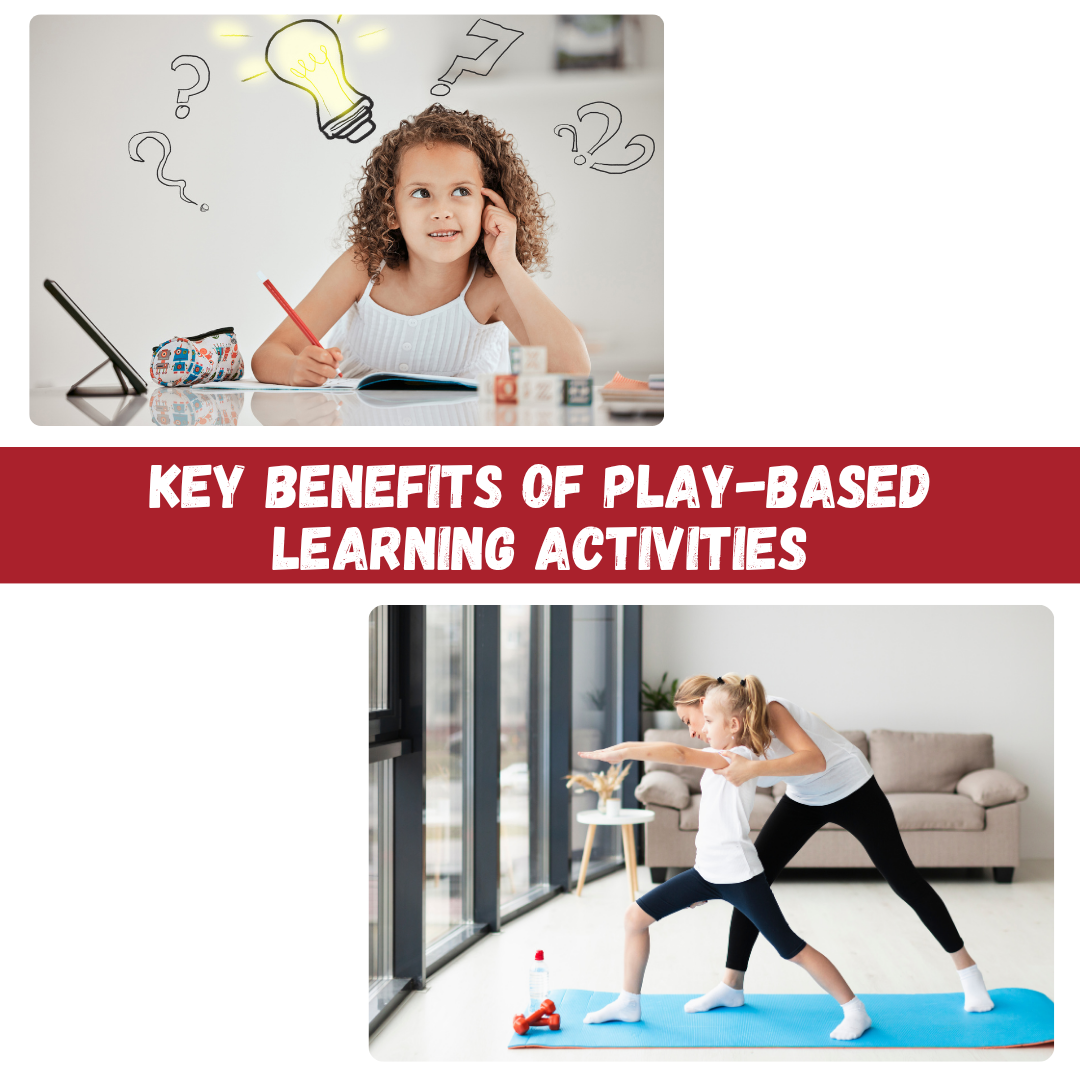
When children play with purpose, you start to notice small but important changes in how they think, speak, and respond. These benefits build gradually but stay long-term.
1. Builds Strong Thinking Skills
As they play, kids learn how to solve issues. For example, stacking blocks or figuring out how to climb safely teaches balance, judgement, and decision-making step by step.
2. Boosts Language and Communication
During play, children naturally pick up new words and learn how to express what they need. Simple group games often improve how they speak, listen, and respond to others.
3. Supports Social and Emotional Growth
Play introduces sharing, waiting for turns, and handling small disagreements. Over time, children learn to manage reactions in a calm and safe way.
4. Improves Physical Development
Active play builds strength and coordination through jumping and climbing. At the same time, activities like drawing or sorting shapes improve hand control and focus.
5. Encourages Creativity and Imagination
Role-play and storytelling help children think beyond instructions. They create their own ideas, which strengthens confidence and flexible thinking.
6. Keeps Children Motivated to Learn
Since play feels natural, children stay involved for longer. They learn without pressure, which makes the process more effective and consistent.
Overall, play-based learning activities support complete development, not just academics. Now, let’s look at which activities actually deliver these results in everyday play.
12 Fun Play-Based Learning Activities for Children
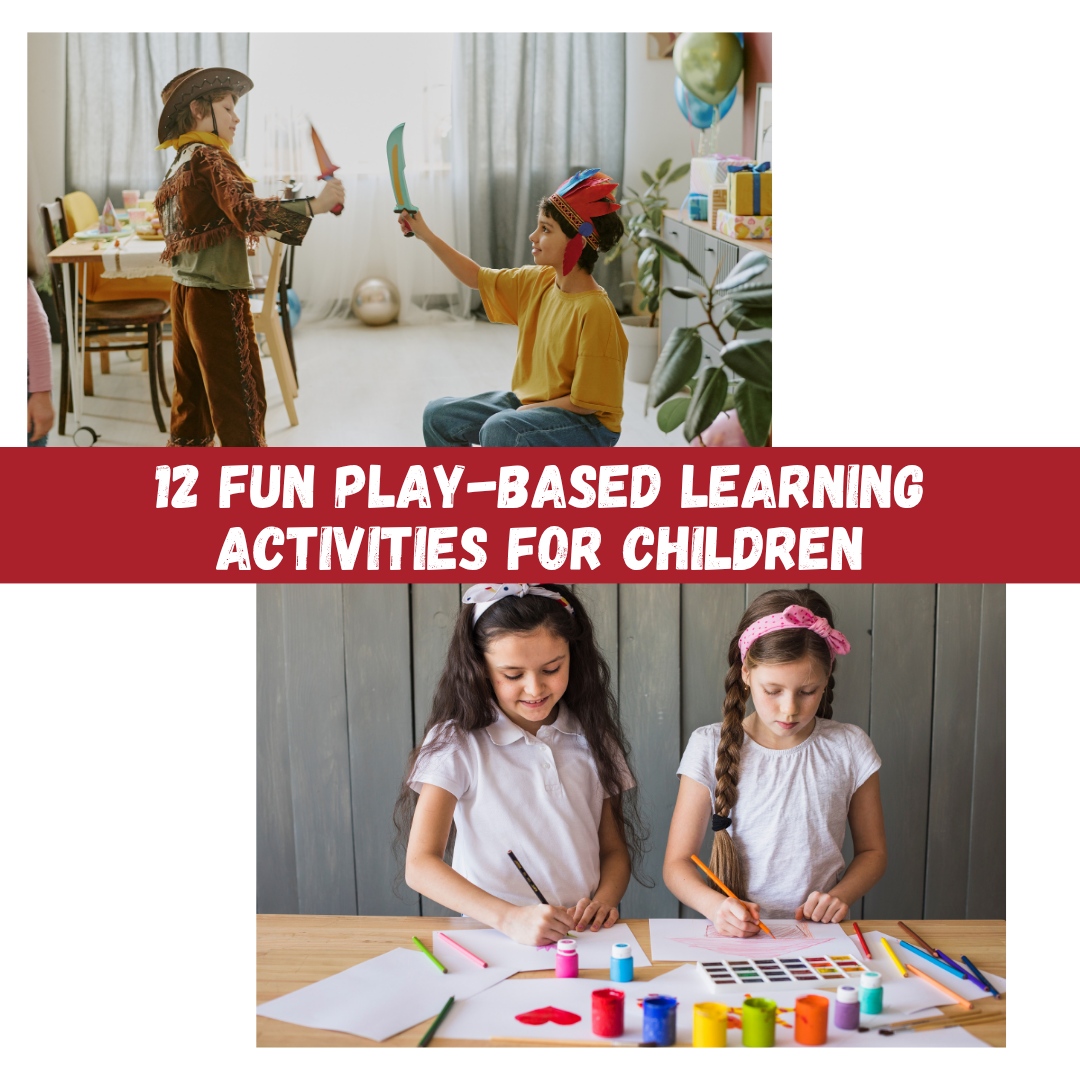
The right activities don’t just keep children busy; they guide how they think, move, and interact. Here are play-based learning indoor play activities for children that actually support real development.
1. Sensory Play That Sparks Curiosity
Using sand, water, rice, or playdough helps children explore textures and changes. They learn cause and effect by pouring, mixing, and shaping.
Tip: Start simple, give them space, and let them explore without correcting every move.
2. Soft Play for Movement and Confidence
Climbing frames, slides, and tunnels improve balance and body control. Children learn how to move safely while building confidence with each step.
In places like soft play centres, setups are designed to guide movement naturally, which makes these play-based learning activities more effective.
3. Dramatic and Role Play
Pretend kitchens, shops, or superhero games help children understand everyday roles. They copy what they see and learn how to respond in different situations.
Tip: Join briefly and then step back. Children build better ideas when they lead.
4. Dolls and Character Play
Children learn to communicate their emotions and comprehend connections through doll play. They act out situations, which improves empathy and communication.
You’ll often notice them repeating real conversations; that’s learning in action.
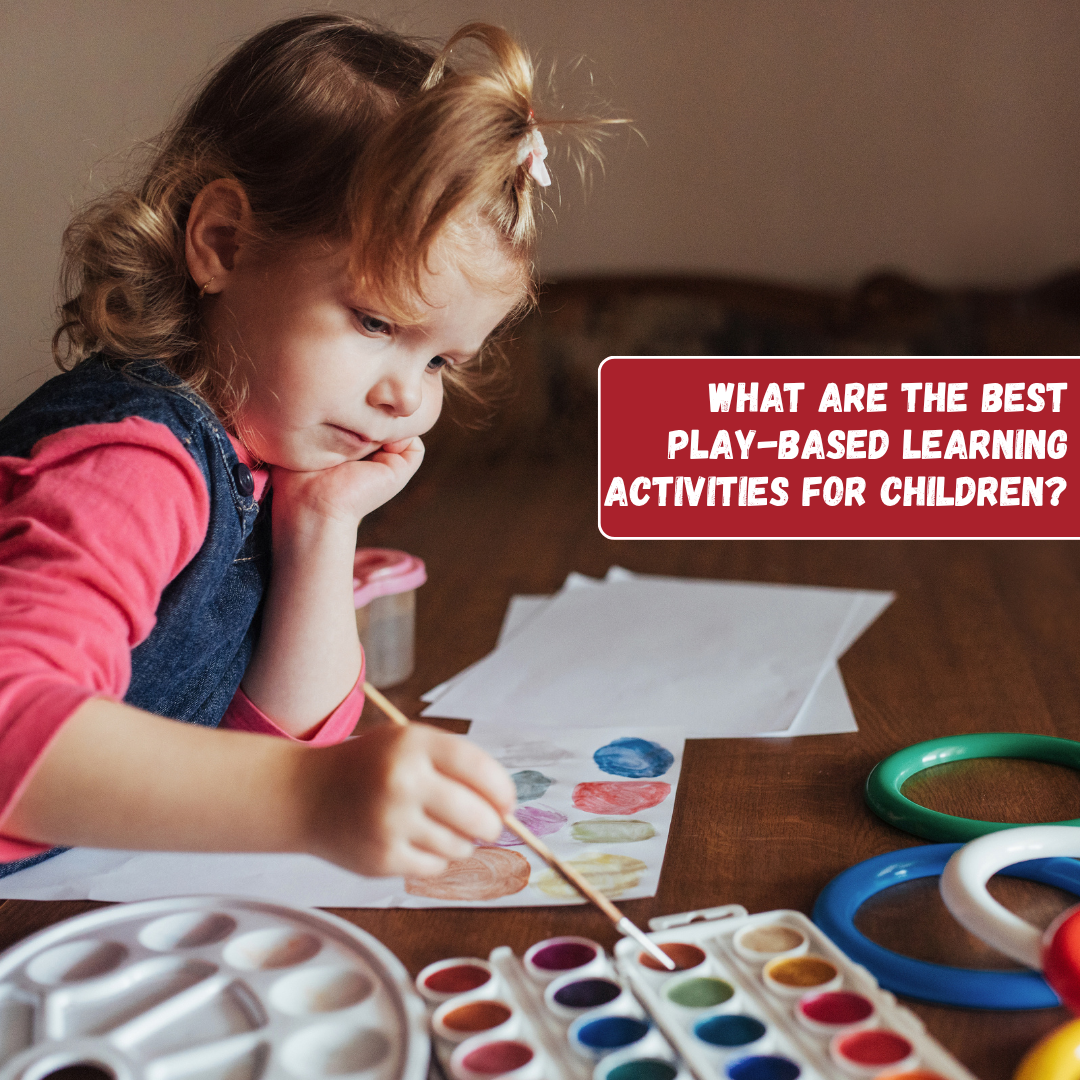
5. Drawing, Painting, and Colouring
Creative activities improve hand control and focus. Children also use colours and shapes to express what they can’t always say clearly.
Tip: Focus on the process, not the final result.
6. Shape Sorters and Matching Games
These activities build early logic and pattern recognition. Children learn to compare, sort, and make quick decisions.
It’s a simple way to strengthen memory and thinking without pressure.
7. Puzzles That Challenge the Mind
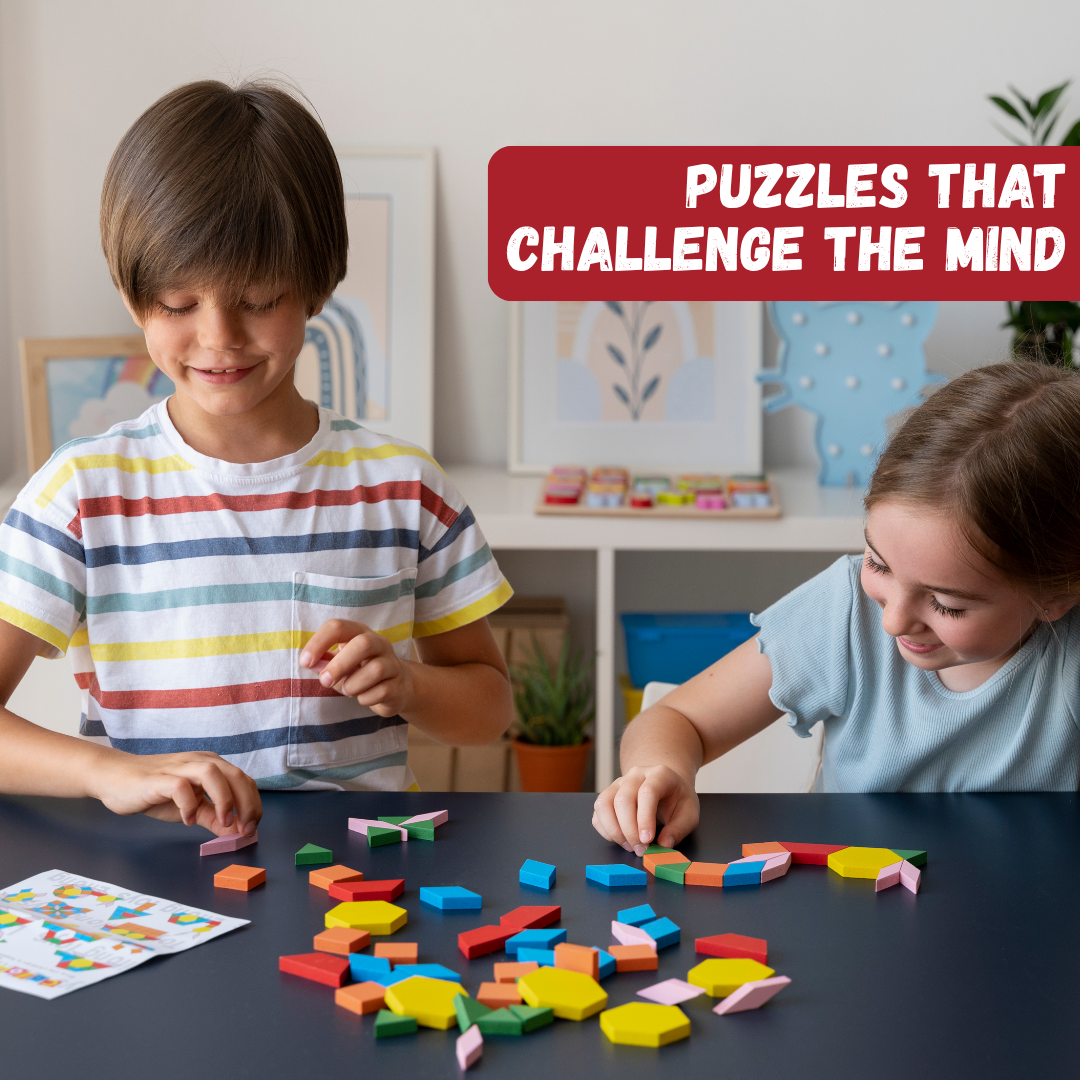
Puzzles teach patience and problem-solving step by step. Children learn to focus and try different approaches until it works.
Start with fewer pieces and increase gradually.
8. Performing Arts and Music Play
Singing, dancing, and rhythm games improve coordination and confidence. Children also learn timing, listening, and expression.
Even simple clapping games can make a difference.
9. Physical Play That Uses Energy Positively
Activities like jumping, climbing, obstacle courses, or scavenger hunts help children use their energy in a controlled way.
They build strength while learning limits and coordination.
10. Board Games for Social Learning
Board games teach rules, patience, and teamwork. Children learn to wait, take turns, and accept outcomes.
Keep games short and age-appropriate for better engagement.
11. STEAM-Based Play Activities
Simple building tasks or experiments introduce basic science and problem-solving. Children learn by testing ideas and seeing results.
Tip: Use everyday items to keep it practical and easy.
12. Narrative and Story-Based Play
Creating and acting out stories improves imagination and language skills. Children learn how to structure thoughts and express ideas clearly.
This also strengthens listening and memory.
These play-based learning activities can easily be done at home, but they become far more engaging and effective in a structured setting where space, design, and guidance all work together. That’s where the right environment starts to make a real difference.
Why Soft Play Centres Are Ideal for Play-Based Learning Activities?
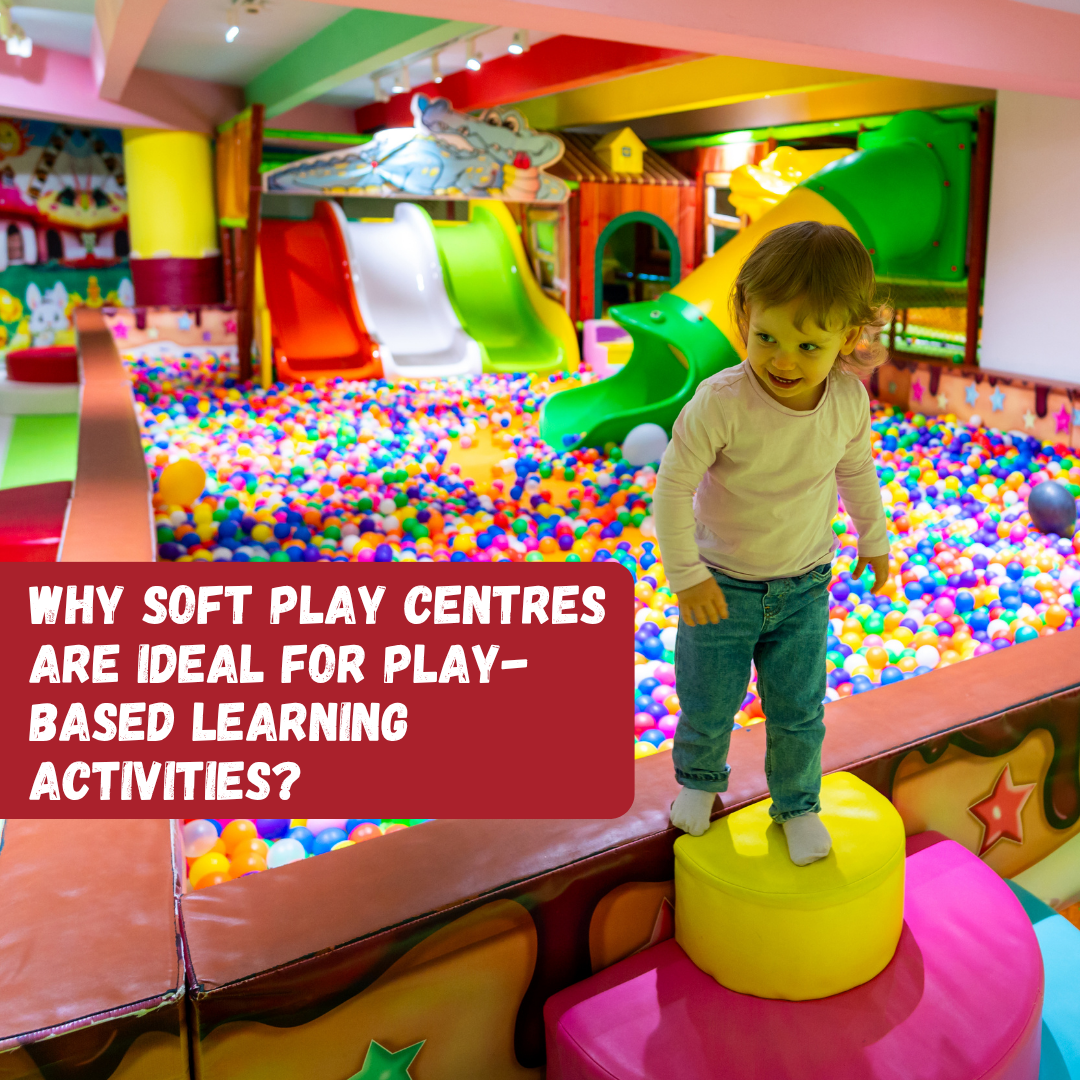
The space where children play shapes how they learn. A well-planned environment doesn’t just keep them active; it guides behaviour, movement, and interaction in a natural way.
1. Safe and Structured Environment
Soft play centres in Exeter are built to let children explore freely without unnecessary risk. Padded surfaces and secure layouts allow them to try, fall, and try again safely.
This freedom helps children stay confident while engaging in play-based learning activities.
2. Purposeful Play Zones
Each section is designed with a clear role: climbing, sliding, balancing, or problem-solving. These setups quietly support physical and cognitive growth.
Tip: Choose spaces where equipment matches your child’s age and ability.
3. Social Interaction Opportunities
Children naturally observe and learn from others in shared spaces. They pick up turn-taking, communication, and cooperation without direct instruction.
This makes group-based, play-based learning activities more effective.
4. Trained Staff Support
Experienced staff understand how children behave in active environments. They guide gently, manage situations, and ensure safe play without interrupting learning.
This adds a layer of trust for parents and carers.
5. Balanced Mix of Fun and Learning
Children stay engaged because the environment feels fun, not forced. At the same time, every activity supports key skills like coordination, focus, and interaction.
That balance keeps learning consistent and natural.
Why Wonderland Play Stands Out?
Wonderland Play is a soft play centre in Newton Abbot, which brings all these elements together in one place. The space is thoughtfully designed, and the staff are trained to handle different behaviours with care.
Here, play-based learning activities don’t feel structured; they happen naturally through well-guided play.
Choosing the right environment makes a clear difference in how children experience play and learning.
Conclusion
You don’t need a perfect routine or complex plans to support your child’s growth. What matters more is choosing the right environment where learning happens through everyday play. When children feel comfortable and engaged, they naturally pick up skills without being pushed.
At its core, play-based learning activities work because they match how children actually learn, through movement, interaction, and curiosity. And when the space is designed well, the results become visible in how children think, communicate, and respond.
That’s where Wonderland Play fits in as a trusted choice. It’s a place where children enjoy their time, parents feel at ease, and learning happens quietly through well-guided play.
If you’re looking to make playtime more meaningful, it’s worth stepping into a space where you can see the difference for yourself.
Frequently Asked Questions
-
Examples include sensory play (sand or water), role play, puzzles, soft play, drawing, and simple building tasks. These activities help children learn problem-solving, communication, and coordination through active play.
-
Play and learn activities include storytelling, board games, music play, obstacle courses, and matching games. They combine fun with skill-building like memory, language, and teamwork.
-
Climbing and obstacle play, board games, puzzles, creative art, and simple science experiments work well. These activities improve thinking skills, physical strength, and social interaction.
-
Sensory play, drawing, pretend play, sorting games, and physical play like jumping are age-appropriate. They support motor skills, creativity, and early problem-solving.
-
Communication, problem-solving, decision-making, emotional control, social skills, creativity, and independence are key. These skills develop naturally through consistent play-based learning activities.