
How Everyday Play Can Help Your Child Talk More Openly?
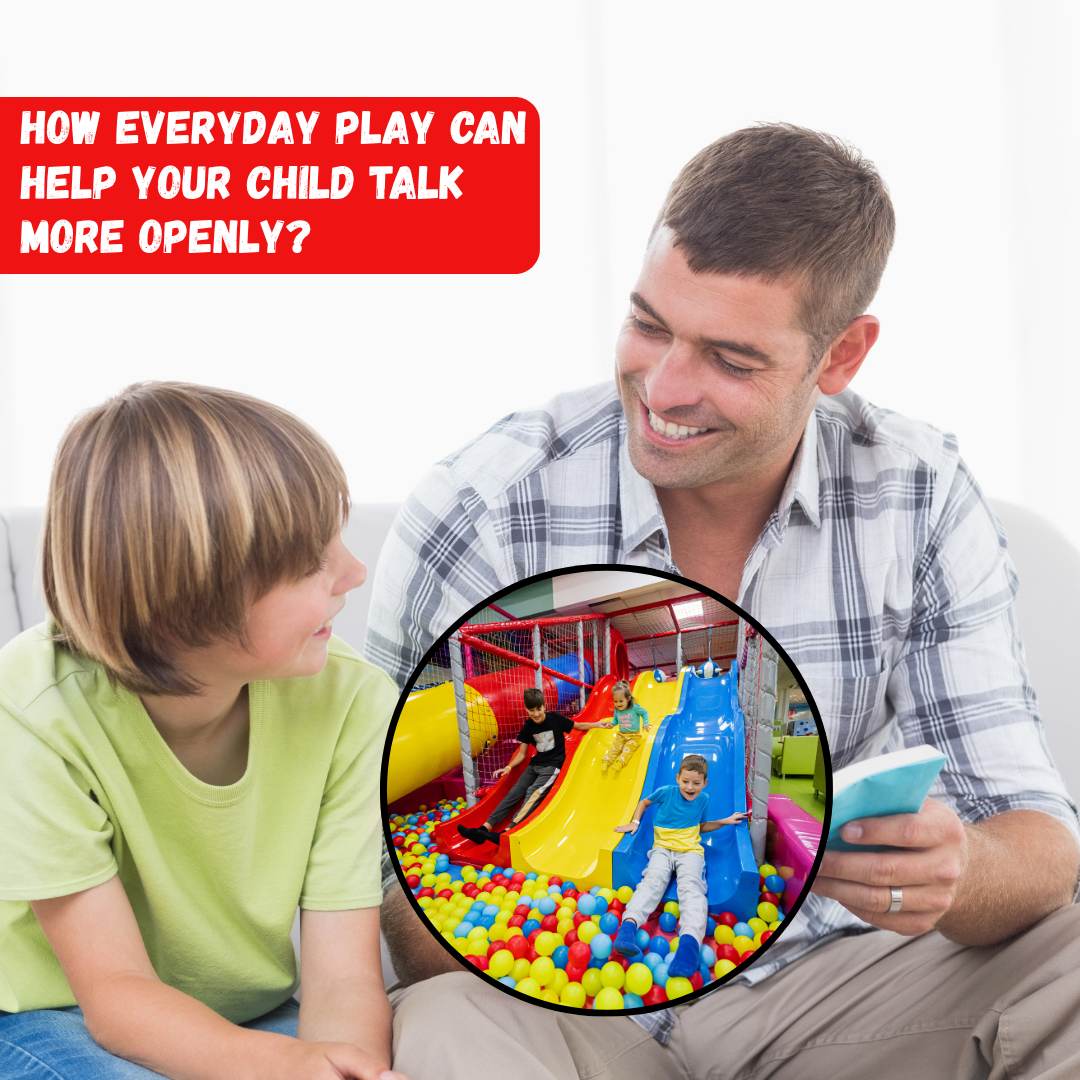
Many parents ask their child about their day and receive nothing more than a shrug or a one-word response. You are not alone. Many parents find it difficult to create meaningful conversations, especially with busy routines, school pressures, and constant screen time getting in the way.
The issue is not that children do not want to talk. They simply need the right environment to feel comfortable enough to open up. In more structured settings, conversations can feel forced or overwhelming, which often holds them back.
Soft play zones for children offer a simple yet effective solution. They provide a relaxed, engaging space where children feel at ease and conversations happen naturally. In this blog, you will explore how soft play centres help build open communication with your children and how these moments can strengthen your bond in a meaningful way.
7 Reasons Strong Parent-Child Bonds Start With Talking
Open communication does more than fill everyday conversations. It actively shapes how children feel, think, and connect with the world around them. When you create space for regular, meaningful conversations, you help your child feel heard, understood, and valued. Over time, these children’s indoor play activities build a strong emotional foundation and strengthen your relationship in a natural way.
Here’s how communication makes a real difference:
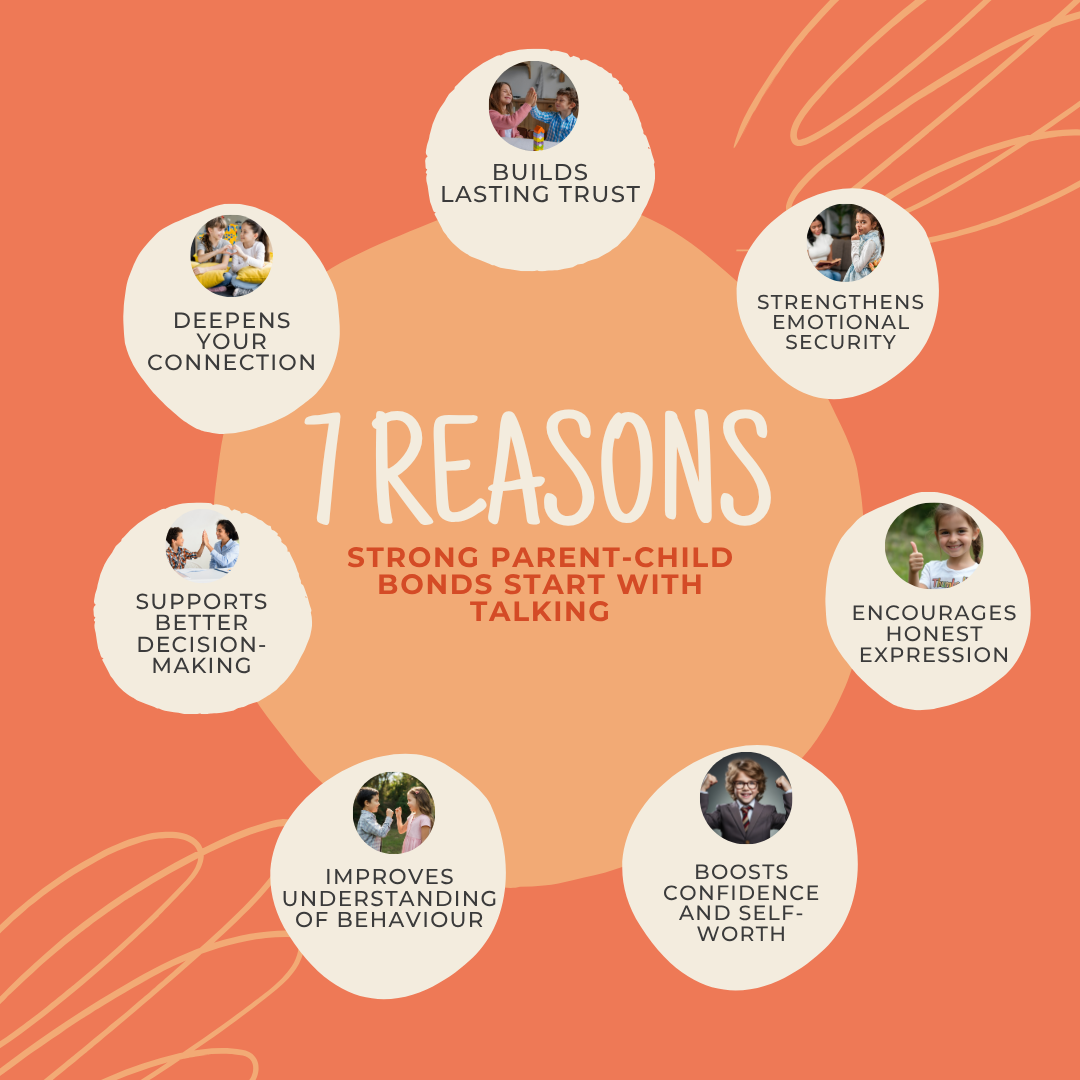
1. Builds Lasting Trust
When you listen without judgment, your child learns to trust you. They feel safe sharing their thoughts without fear, which strengthens your bond over time.
2. Strengthens Emotional Security
When you acknowledge your child’s feelings, you help them feel supported and accepted. This builds emotional stability and a sense of belonging.
3. Encourages Honest Expression
When you create an open environment, your child feels comfortable sharing thoughts, feelings, and concerns without hesitation.
4. Boosts Confidence and Self-worth
When you truly listen, you show your child that their voice matters. This builds confidence and helps them value their own opinions.
5. Improves Understanding of Behaviour
When you communicate regularly, you gain deeper insight into your child’s emotions and actions. This helps you respond with clarity and patience.
6. Supports Better Decision-making
When you guide conversations instead of controlling them, your child learns to think through situations and make better choices.
7. Deepens your Connection
When you engage in consistent conversations, you build closeness and trust. Even small moments of talking create a stronger, lasting relationship.
While communication is essential for building a strong relationship, the way it happens makes all the difference.
Why Playtime Is the Easiest Way to Get Your Child Talking?
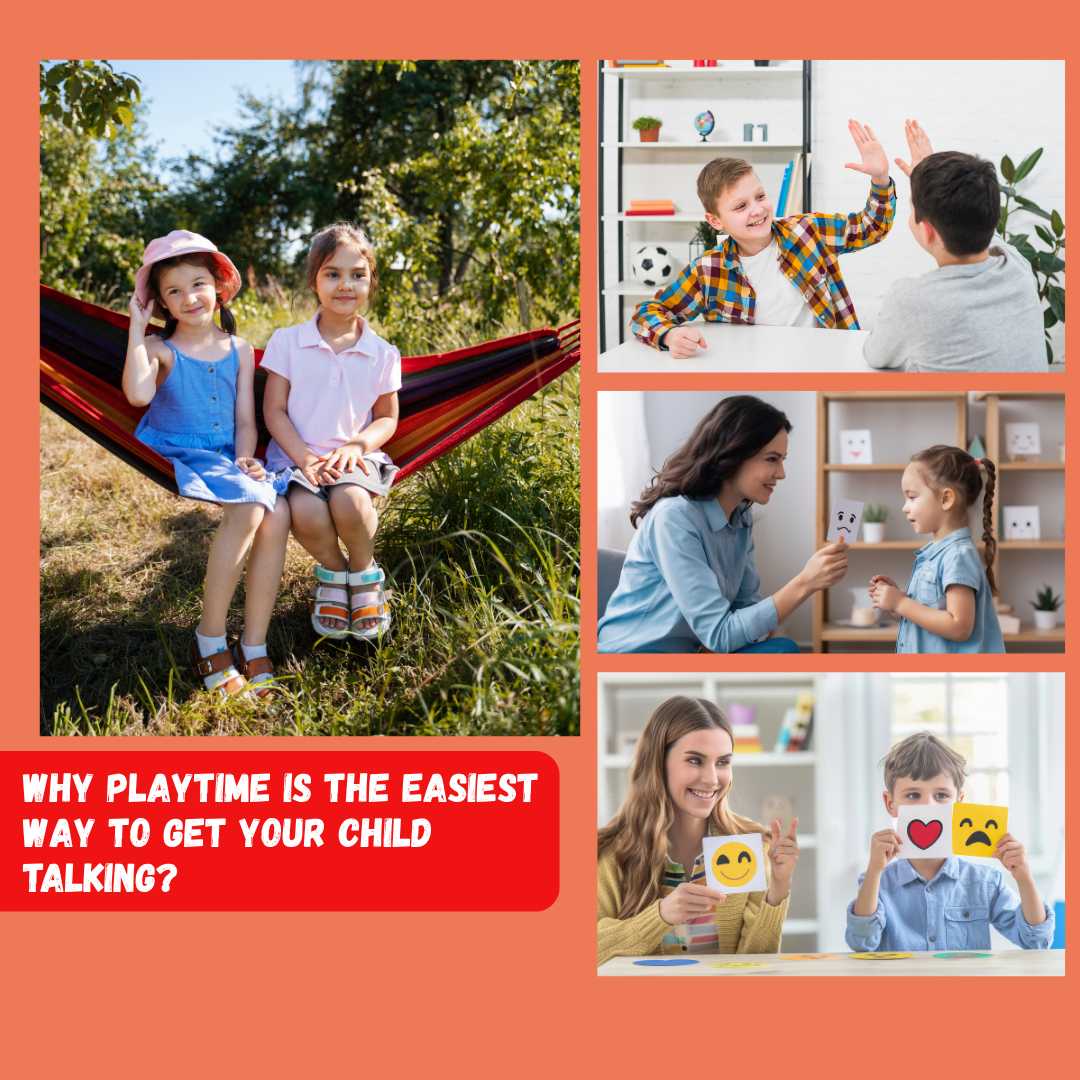
Feels natural and pressure-free: Play removes the formality of direct questions, allowing children to communicate without feeling put on the spot.
Creates a relaxed environment: When children feel at ease, they are more open to sharing thoughts and experiences.
Encourages spontaneous expression: Conversations happen naturally during activities, without planning or prompting.
Reduces fear of judgment: Children feel less observed and more comfortable expressing themselves honestly.
Supports emotional expression: Through play, children show feelings they may struggle to explain in words.
Keeps them engaged and responsive: Active involvement makes them more likely to talk and interact.
Makes communication feel enjoyable: Talking becomes part of the fun, rather than something they have to do.
When children feel comfortable expressing themselves, the right environment like Wonderland play zone helps turn it into open communication.
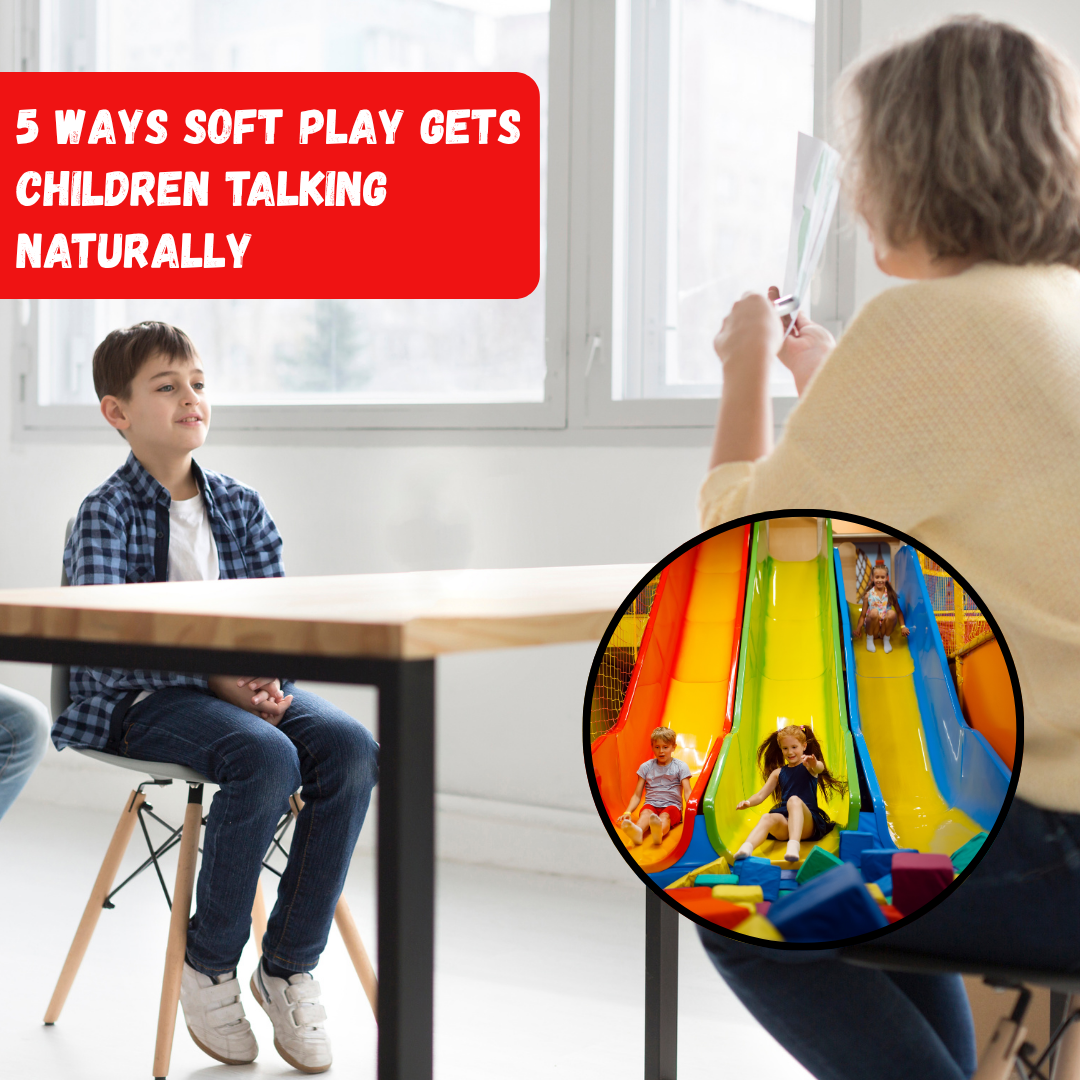
5 Ways Soft Play Gets Children Talking Naturally
Soft play zones in Exeter provide the perfect setting for connection. They combine fun, movement, and shared experiences, which naturally encourage interaction without making it feel like a task. Let’s explore how these spaces actively support better communication.
1. Strengthens Through Shared Time
Spending uninterrupted time together in a playful setting helps parents and children bond without distractions.
Shared activities create positive emotional connections, making children feel more secure while opening up.
When children associate parents with fun and presence, they communicate more freely and frequently.
2. Creates Natural Opportunities to Talk
Play-based activities spark conversations organically, without the need for formal discussions.
Simple moments like waiting for a turn or exploring become easy conversation starters.
Children feel more comfortable talking when communication happens alongside activity rather than face-to-face pressure.
3. Children Express More Through Actions
Soft Play zone in Newton Abbot allows children to communicate feelings through behaviour, imagination, and movement.
Parents can observe patterns, emotions, and interests that children may not verbalise directly.
These actions help parents understand their child better and respond in ways that encourage further communication.
4. Social Interaction Builds Confidence to Speak
Interacting with other children boosts confidence in expressing thoughts and feelings.
As children practise communication in a group, they become more comfortable speaking at home.
Increased confidence reduces hesitation, making conversations with parents more open and natural.
5. Encourages Listening on Both Sides
Play involves turn-taking, cooperation, and shared decision-making, all of which require listening.
Parents become more attentive to their child’s cues, both verbal and non-verbal.
Children feel valued when heard, which motivates them to share more openly and honestly.
Together, these elements turn play centres into more than just activity spaces. They become environments where communication grows naturally, helping families connect in a way that feels easy, genuine, and lasting. These everyday moments of connections may seem small, but their impact lasts far beyond the soft play zones or soft play area of a trampoline park.
Long-Term Benefits of Play-Based Communication
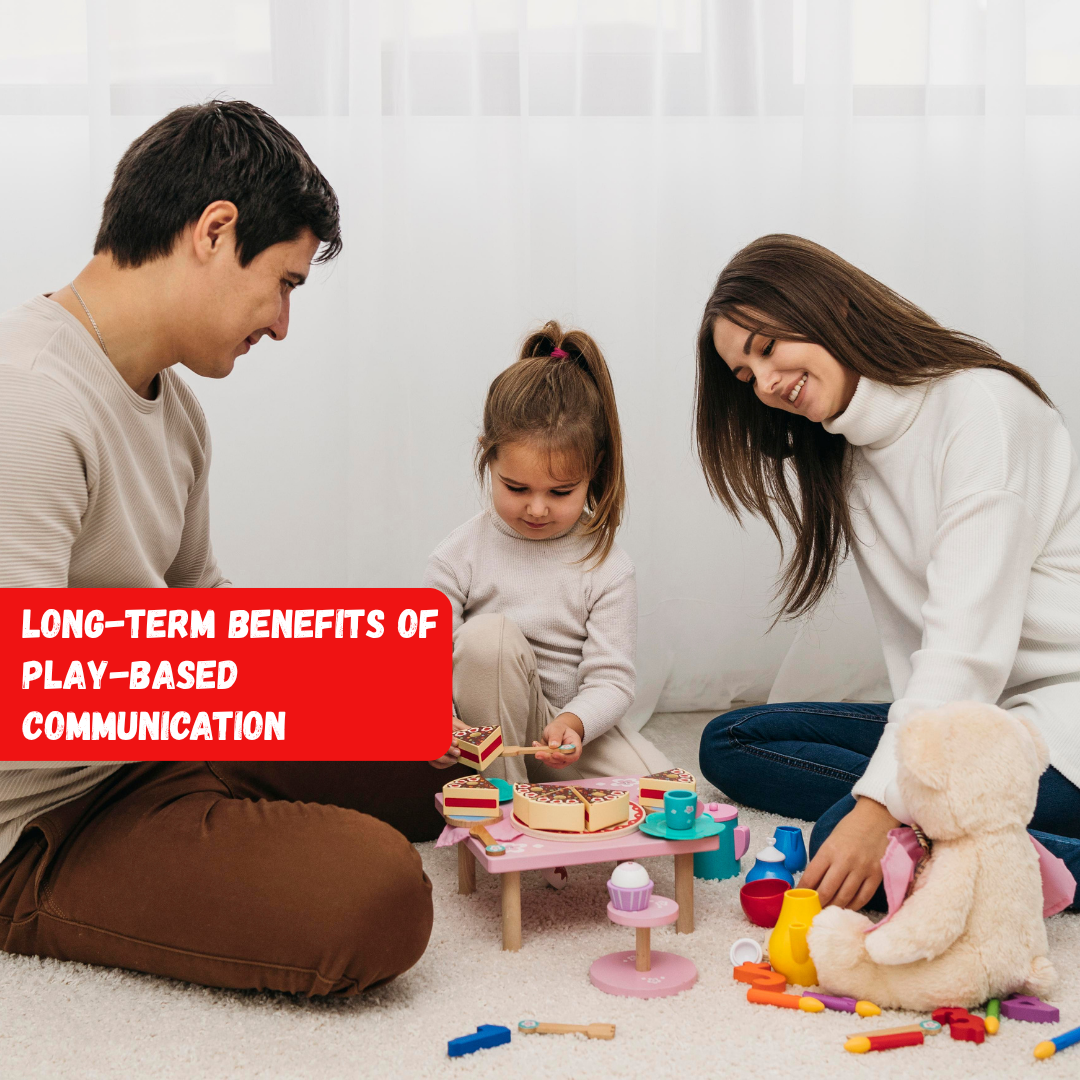
When communication becomes a regular part of your shared experiences, the benefits extend far beyond the soft play area and continue to shape your child’s development over time.
Builds strong emotional intelligence: Children learn to recognise, understand, and express their emotions more effectively.
Boosts confidence and self-expression: Regular communication helps children feel secure in sharing their thoughts and opinions.
Improves social skills: Children become better at interacting, sharing, and communicating with others in different settings.
Encourages openness as they grow: Children who communicate early are more likely to continue sharing their thoughts in later years.
Strengthens parent-child understanding: Parents gain deeper insight into their child’s behaviour, emotions, and needs.
Creates a stronger, trusting relationship: Consistent communication builds a lasting bond based on trust and mutual respect.
All these benefits clearly show that communication built through play creates a strong foundation for a lasting parent-child relationship.
Conclusion
Cafes with Soft play centres offer far more than physical activity. They create an environment where communication flows naturally, without pressure or expectation. From shared laughter to quiet post-play conversations, every moment becomes an opportunity to connect.
By removing barriers, encouraging expression, and building trust, these spaces help parents and children develop a stronger, more open relationship. The conversations may begin with play, but their impact lasts far beyond it.
When you choose to be present, engage actively, and follow your child’s lead, you turn simple playtime with ball pits, slides, and trampolines for children into meaningful communication that shapes your relationship for years to come.
Frequently Asked Questions
-
Regular visits, even once a week or fortnight, can make a noticeable difference. Consistency helps children build confidence, social skills, and routine. However, even occasional visits still offer meaningful developmental benefits.
-
Yes, soft play provides a safe and low-pressure environment where children can engage at their own pace. Gradual interaction with others helps build confidence. Over time, shy children feel more comfortable expressing themselves.
-
Play centres cater to different age groups with varied activities suited to their needs. Younger children develop basic expressions, while older ones improve social interaction. Each stage supports communication in a natural way.
-
Yes, themed play areas and role play zones inspire children to create stories and explore ideas. This kind of imaginative play helps develop creative thinking. Additionally, it gives kids the freedom to express themselves.
-
Engaging activities naturally capture a child’s interest for longer periods. As children stay involved in play, they practise concentration without feeling forced. This gradually improves their attention span in everyday tasks.