
What Are the Best Sensory Play Activities for Preschoolers?
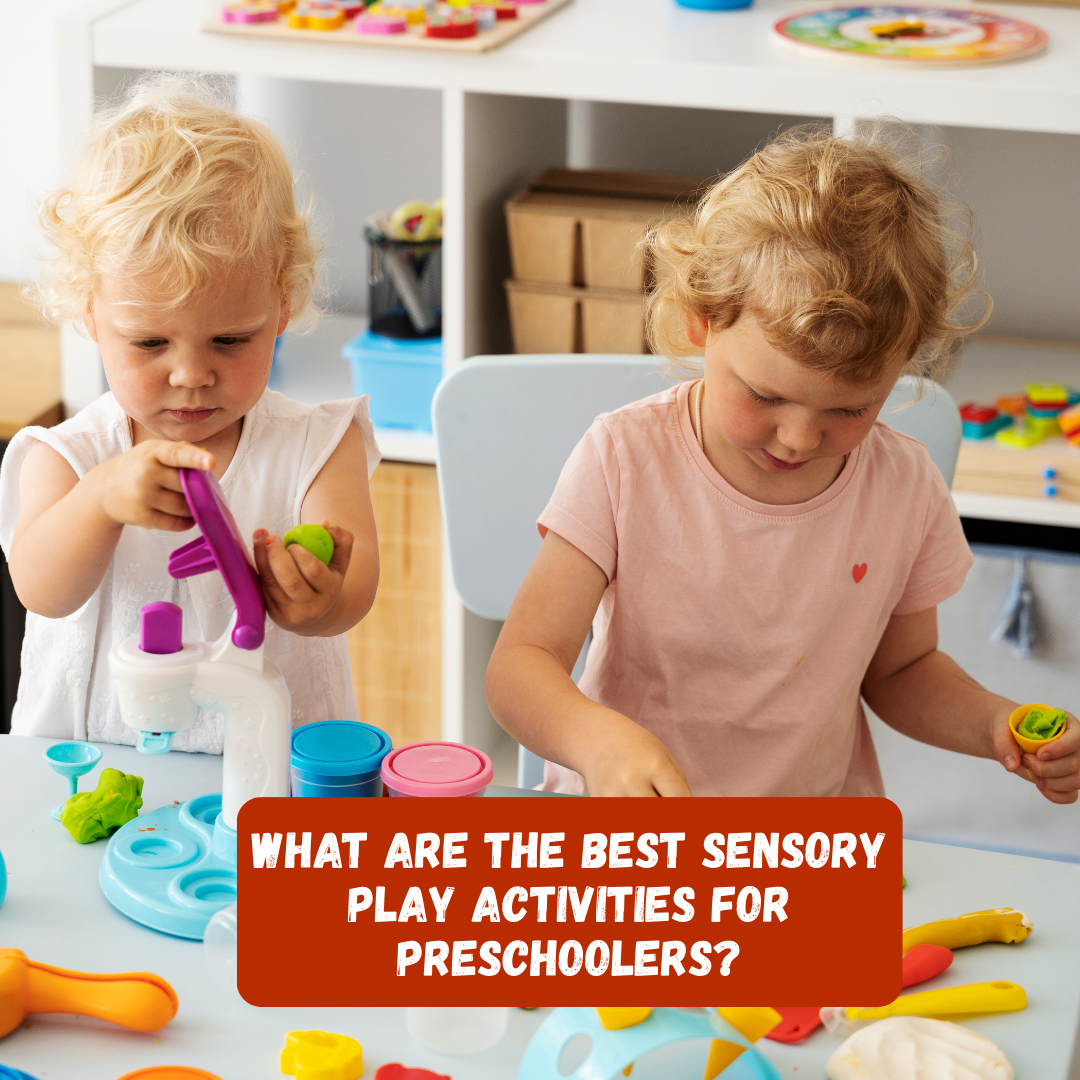
If you care for a child aged two to five, you have likely noticed how quickly curiosity turns into movement. Children at this stage want to touch, explore, and ask questions about everything around them. The right sensory play activities for preschoolers guide that natural curiosity into meaningful learning that supports thinking, coordination, and emotional growth.
However, many parents and early-years educators struggle to choose activities that genuinely support development rather than simply keep children busy.
Young children learn best when they can touch, move, listen, and explore their surroundings in a playful and safe environment.
That is where thoughtfully designed play spaces make a difference. Places such as soft play centre for toddlers create structured environments where children can climb, bounce, and explore textures while building important sensory skills through play.
Before exploring the activities themselves, it helps to understand why sensory play matters so much for preschool development.
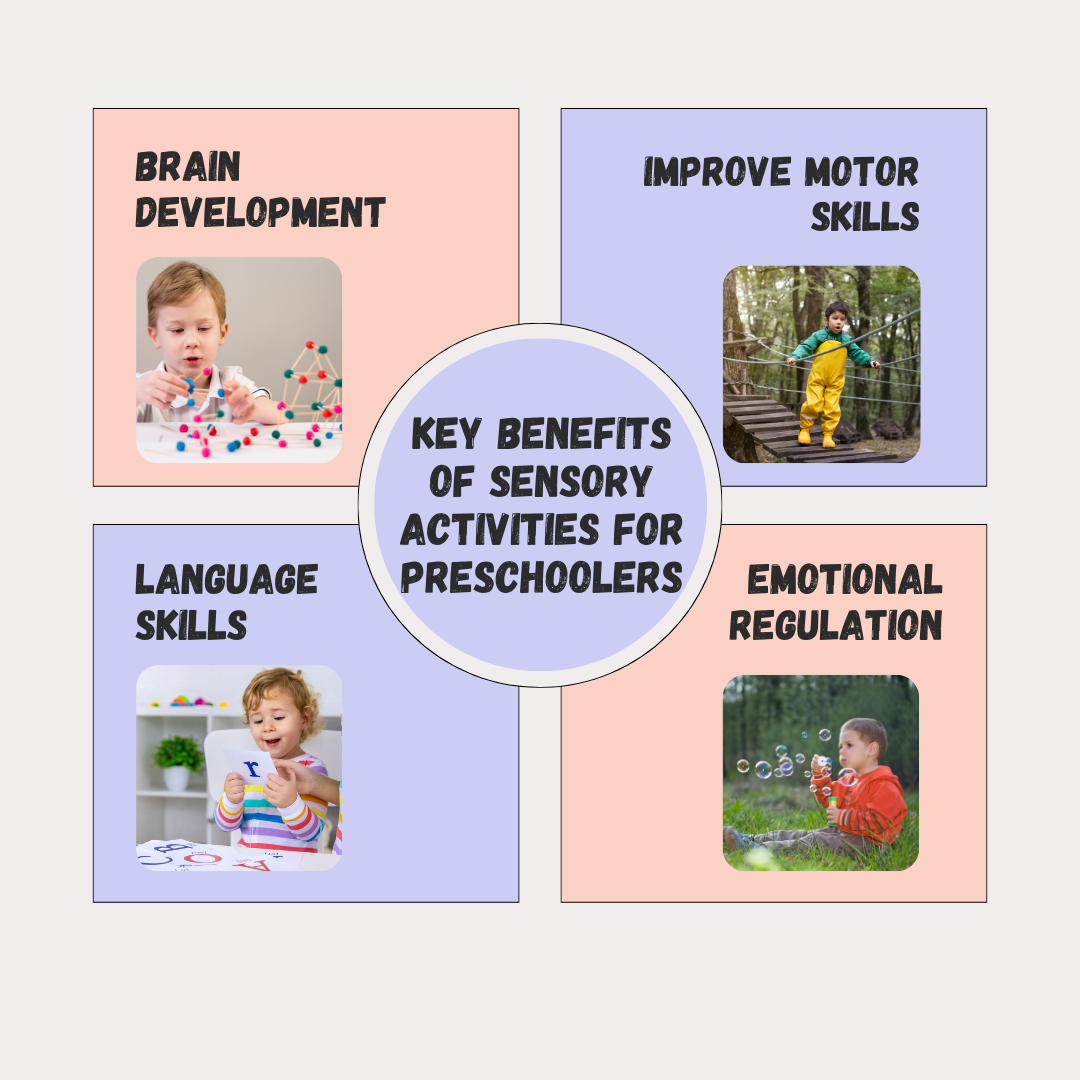
Key Benefits of Sensory Activities for Preschoolers
Before choosing games, it is important to understand why sensory play activities for preschoolers matter so much. These experiences strengthen how children think, move, communicate, and manage emotions during their most important learning years.
To understand this better, it helps to look at the key areas of development that sensory play supports. The following benefits show how simple play experiences can make a real difference in a child’s early growth.
1. Brain Development
Hands-on sensory play builds strong brain connections. Activities like squeezing playdough or watching coloured water swirl stimulate curiosity and help the brain process information through multiple senses.
2. Improve Motor Skills
Many sensory activities naturally improve body coordination.
Pouring, scooping, and sorting strengthen fine motor control.
Jumping, climbing, and balancing develop stronger gross motor skills.
3. Language Skills
When playing, kids explain what they see and feel. Talking about textures, colours, and shapes expands vocabulary and communication.
4. Emotional Regulation
Certain sensory activities help children calm down and focus. Repetitive actions like pouring sand or watching bubbles encourage relaxation and self-control. Wonderland Play Centre enhances this experience by offering thoughtfully designed sensory zones. From textured surfaces and ball pits to interactive walls and calming corners, these spaces give children safe, hands-on opportunities to explore at their own pace.
5. Problem Solving and Curiosity
Children test ideas while exploring sensory materials. Mixing colours, testing balance, or fitting objects together encourages early problem-solving.
Understanding these benefits makes it easier to choose sensory play activities for preschoolers that truly support development. Next, let’s explore some of the most effective sensory activities children enjoy.
30 Best Sensory Play Activities for Preschoolers
Children understand the world through their senses. The right sensory play activities for preschoolers allow them to touch, listen, observe, move, and experiment while building real skills through play.
Below are practical activities parents and early-years educators commonly use to support sensory development.
Tactile Activities (Touch and Texture Exploration)
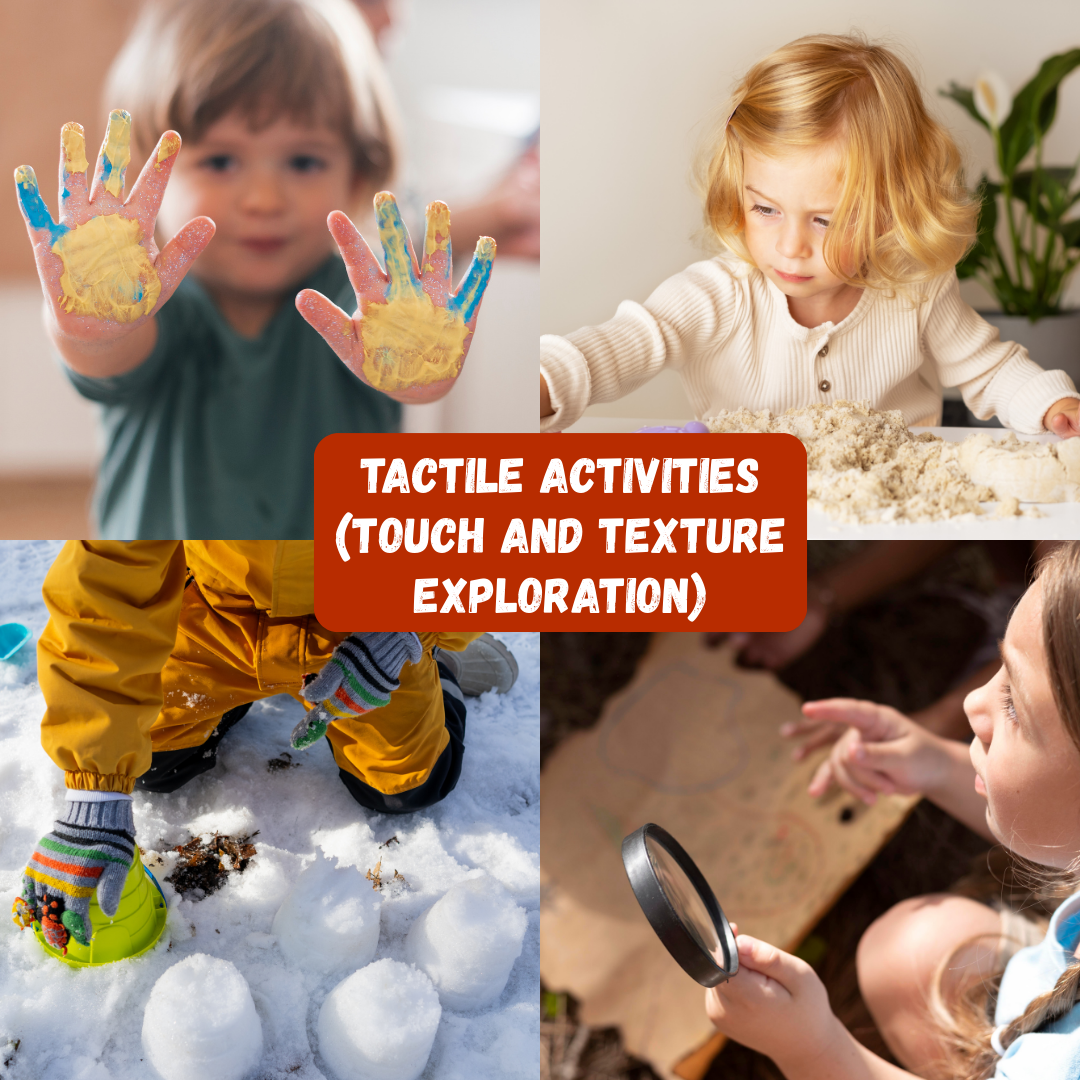
Tactile play helps children explore textures, pressure, and temperature. These activities strengthen hand coordination and improve fine motor control.
1. DIY Sensory Bin
Fill a container with rice, pasta, beans, or sand. Add scoops and small toys so children can dig, pour, and sort while strengthening finger control.
2. Play-Doh Creations
Hand strength is developed through rolling, pressing, and shaping dough or slime. Children also practise creativity while forming simple shapes and objects.
3. Slimy Eyes Sensory Bag
Seal gel and plastic eyes inside a zip bag. Children press and move the shapes around, exploring slippery textures without creating a mess.
4. Soapy Sensory Jars
Add water, soap, and glitter to a clear jar. Shaking and swirling the jar helps children observe movement and texture at the same time.
5. Goopy Mixture Experiment
Mix cornflour and water to create a thick liquid. Children notice how the texture changes when squeezed or stirred.
6. Texture Collage
Provide paper, fabric, cotton, foil, and leaves. Children glue materials to create art while learning how different surfaces feel.
7. Texture Scavenger Hunt
Ask children to find objects that feel rough, soft, or smooth. This simple activity builds awareness of textures in everyday surroundings.
8. Coloured Spaghetti Exploration
Dyed spaghetti strands create a slippery texture that children enjoy handling. It encourages sensory curiosity and creative play.
9. Finger Painting
Painting with their hands allows children to feel colours and shapes directly. It also strengthens finger movement and creativity.
10. Iced Toys Discovery
Freeze small toys inside ice cubes. As the ice melts, children observe the temperature and slowly reveal the hidden objects.
11. Sand Table or Tray
Scooping, digging, and drawing in sand improves hand control and focus during play.
Auditory Activities (Listening and Sound Awareness)
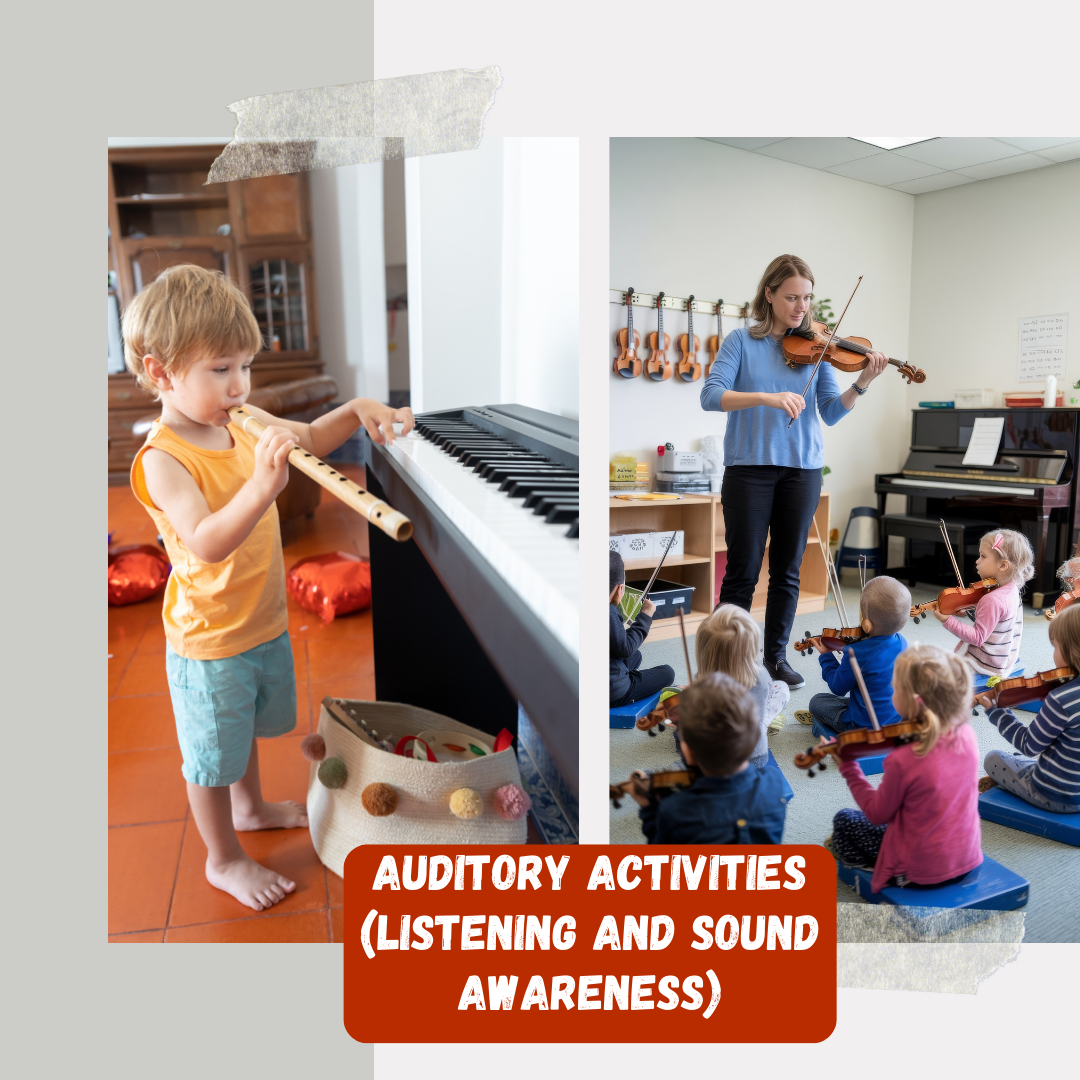
Sound-based activities sharpen listening skills and help children recognise patterns in everyday noises.
12. Sound Tubes
Fill tubes with rice, beads, or small stones. Children shake them and notice how each material creates a different sound.
13. Outdoor Sound Walk
Ask children to pay close attention as you go outside. Birds, cars, wind, and footsteps all become learning moments.
14. Sound Matching Challenge
Hide small objects inside containers and shake them. Children guess the sound and match similar pairs.
15. Simple Musical Instruments
Drums, tambourines, and xylophones allow children to experiment with rhythm while improving attention and coordination.
Visual Activities (Sight and Colour Exploration)
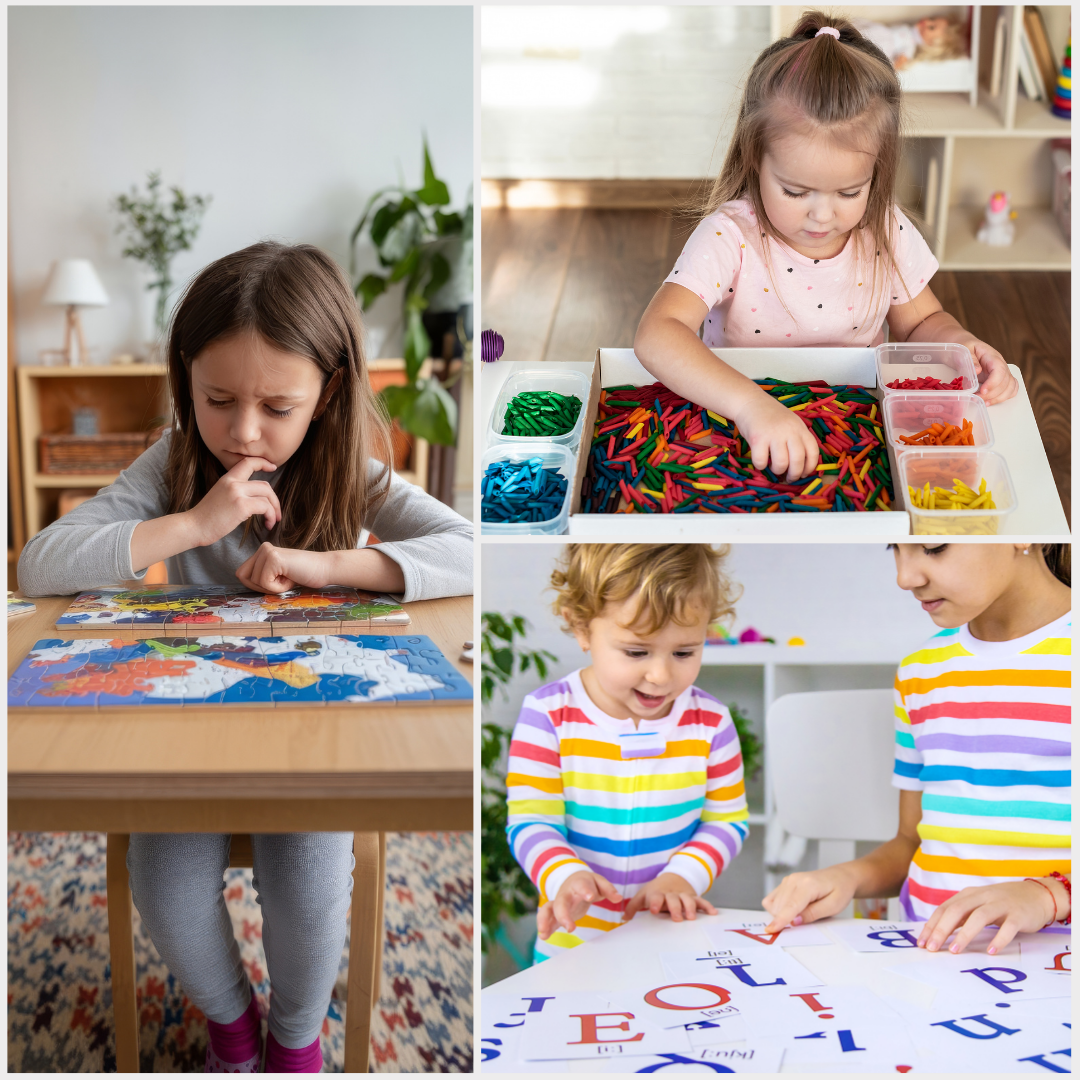
Visual sensory activities improve observation skills and help children recognise colours, patterns, and movement. A well-designed Toddlers play centre in Exeter takes this a step further by creating an immersive visual environment. Bright, engaging layouts, interactive displays, and thoughtfully arranged play zones allow children to explore visually stimulating elements in a safe and playful setting.
16. ABC Sensory Table
Fill a table with alphabet toys or letters hidden in sand or rice. Children search for and identify each letter while playing.
17. Picture Puzzles
Simple puzzles encourage children to study shapes and complete images step by step.
18. Calming Bottles
Bottles filled with glitter and coloured liquid move slowly when shaken. Children focus on the motion, which improves concentration.
19. Colour Sorting
Provide coloured objects and containers. Children sort them into groups, strengthening visual recognition.
20. Shadow Play
Use a torch and simple objects to create shadows on the wall. Children observe how shapes change with light.
Olfactory Activities (Smell Exploration)
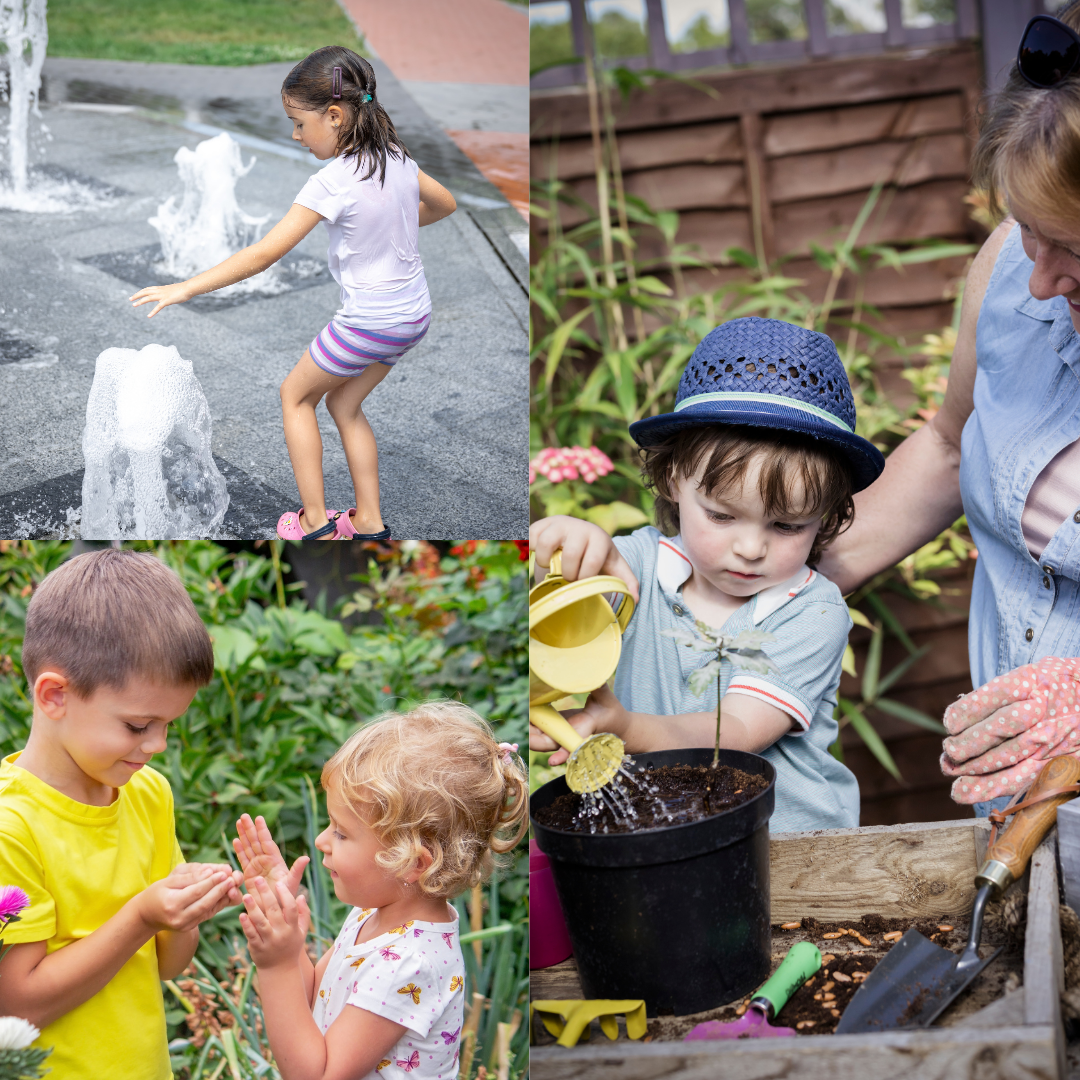
Smell activities introduce children to scent recognition, which often connects strongly to memory and awareness.
21. Smell Matching Game
Place different scents like vanilla, lemon, or mint inside small jars. Children smell and match similar scents.
22. Scented Water Play
Add mild natural scents to water tubs. Children explore smell while pouring and mixing.
23. Simple Gardening Projects
Herbs such as mint or basil help children experience natural scents while learning basic plant care.
Gustatory Activities (Taste Exploration)
Taste activities allow children to explore flavours and textures safely while learning about food.
24. Taste Test Challenge
Offer small pieces of fruit or vegetables and ask children to describe sweet, sour, or crunchy tastes.
25. Playing with Food
Soft foods like mashed potatoes or yoghurt help children explore texture and flavour together.
26. Edible Sensory Play
Using safe ingredients like jelly, oats, or fruit allows children to explore taste with supervision.
Adult guidance remains important to ensure safety and healthy food choices.
Vestibular Activities (Balance and Movement)
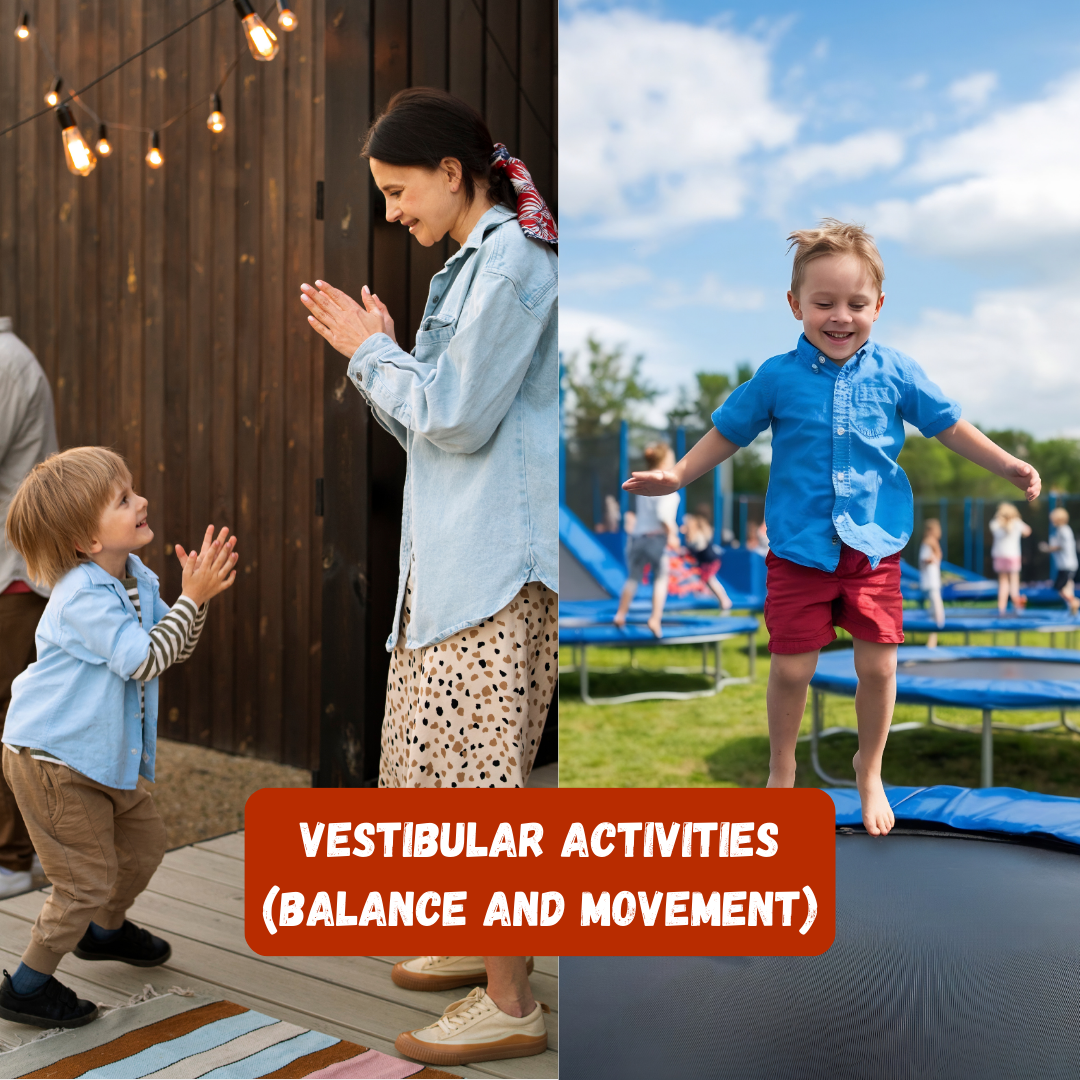
Movement-based play supports balance, body awareness, and coordination. Experts often highlight these activities as essential for early physical development.
27. Dance and Movement Games
Music encourages children to move freely while improving rhythm and balance.
28. Bouncing Activities
Controlled bouncing strengthens muscles and supports coordination.
29. Balance Beams
Walking along low beams teaches children how to control body movement.
30. Animal Walks
Crawling like a bear or hopping like a frog builds strength while keeping play fun.
These sensory play activities for preschoolers show how simple play can strengthen learning and development. While many of these ideas work well at home or in classrooms, purpose-built play environments can offer even richer sensory experiences.
Next, let’s look at how soft play centres support sensory learning in ways that everyday spaces often cannot.
How Do Soft Play Centres Support Sensory Activities for Preschoolers?
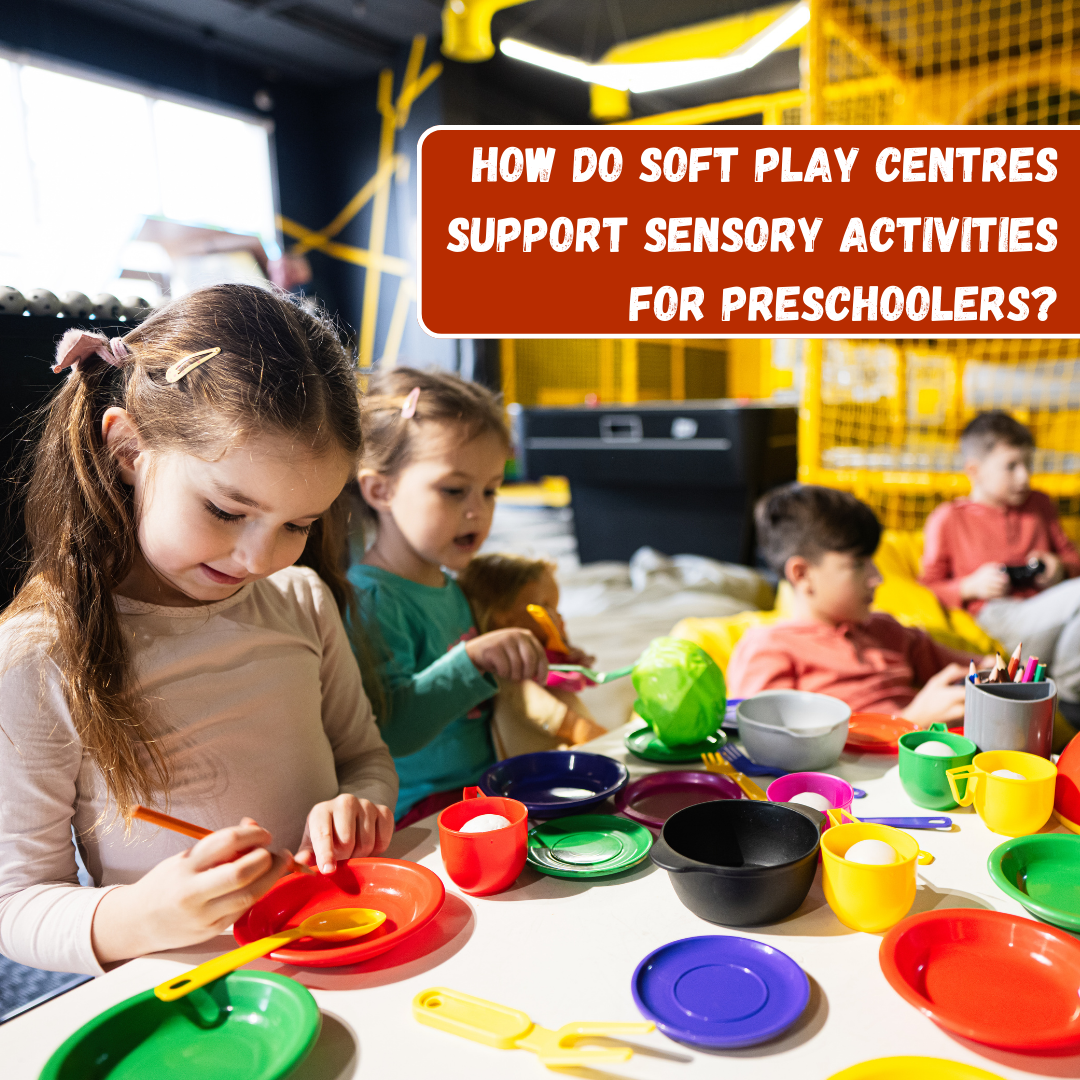
Many sensory play activities for preschoolers work well at home, yet dedicated play environments often offer richer learning opportunities. Larger spaces, varied equipment, and safe layouts allow children to explore movement, textures, and sounds more freely while developing important sensory skills.
Places like thev play centre for toddlers in Newton Abbotcombine thoughtful design with trained supervision, helping children explore sensory play in ways that feel natural, safe, and engaging.
1. Tactile Stimulation
Soft play areas introduce children to different textures in a safe setting.
Soft mats, padded walls, and textured surfaces invite children to crawl, touch, and explore comfortably.
Interactive panels and play equipment encourage hands-on discovery, which strengthens touch awareness and hand coordination.
2. Vestibular Development
Movement equipment supports balance and body control.
Slides, climbing frames, and bouncing zones help children practise balance while moving in different directions.
Regular movement play improves coordination and helps preschoolers gain confidence in how their bodies move.
3. Proprioceptive Input
Children learn about body position and strength through active play.
Activities such as pushing soft blocks, climbing structures, or jumping on padded surfaces provide gentle resistance.
These movements help children understand how their bodies move and build stronger muscle control.
4. Visual and Auditory Engagement
Well-designed play spaces stimulate both sight and sound.
Bright colours, playful shapes, and interactive lights attract attention and encourage exploration.
Background sounds, laughter, and simple interactive games help children recognise patterns and respond to different noises.
5. Sensory Regulation
Active play also helps children manage energy and focus better.
Climbing, crawling, and sliding allow children to release energy in a healthy way.
After active play, many children feel calmer and more ready to concentrate on quieter activities.
Soft play environments bring many of these experiences together in one place. At Wonderland Play, carefully designed play zones, safe equipment for preschool children, and trained staff create a supportive setting where children explore sensory play activities for preschoolers with confidence.
With the right environment and guidance, sensory play becomes more than entertainment. It turns into a valuable learning experience that supports early development.
Conclusion
As we have seen throughout this guide, the right sensory play activities for preschoolers do much more than entertain young children. They support brain development, improve coordination, encourage communication, and help children understand their emotions through everyday play.
Simple activities such as touching different textures, listening to sounds, exploring colours, or practising balance allow children to learn naturally. When these experiences combine movement, curiosity, and interaction, children gain confidence while strengthening essential developmental skills.
However, the environment where children play also makes a noticeable difference. Spaces designed for exploration allow children to move freely, interact with others, and experience multiple senses at once. This is why places like Wonderland Play create valuable opportunities for children to enjoy safe, engaging, and well-structured sensory play activities for preschoolers.
If you want to see how active play can support your child’s growth, consider planning a visit to Wonderland Play. Let your child climb, explore, bounce, and discover new experiences while building important skills through joyful play.
Frequently Asked Questions
-
Indoor sensory play can include activities such as sensory bins, play dough modelling, colour sorting, finger painting, and simple sound games. These activities help children explore textures, colours, and sounds while improving coordination and focus.
-
Children aged 3–5 enjoy activities like sand play, water pouring games, texture scavenger hunts, simple puzzles, and balance activities. These experiences help strengthen motor skills, curiosity, and early problem-solving abilities.
-
For five-year-olds, activities such as shadow play, gardening, smell-matching games, obstacle courses, and creative art projects encourage observation, coordination, and creative thinking.
-
Seven-year-olds benefit from more structured sensory play, such as DIY science experiments, cooking activities, musical rhythm games, nature exploration, and balance challenges that support concentration and body awareness.
-
At home, parents can try sensory bins, edible sensory play, play dough shaping, coloured spaghetti exploration, or simple water play. These easy activities support learning through touch, movement, and creativity using everyday materials.