
7 Proven Benefits of Soft Play Centres for Children with Special Needs
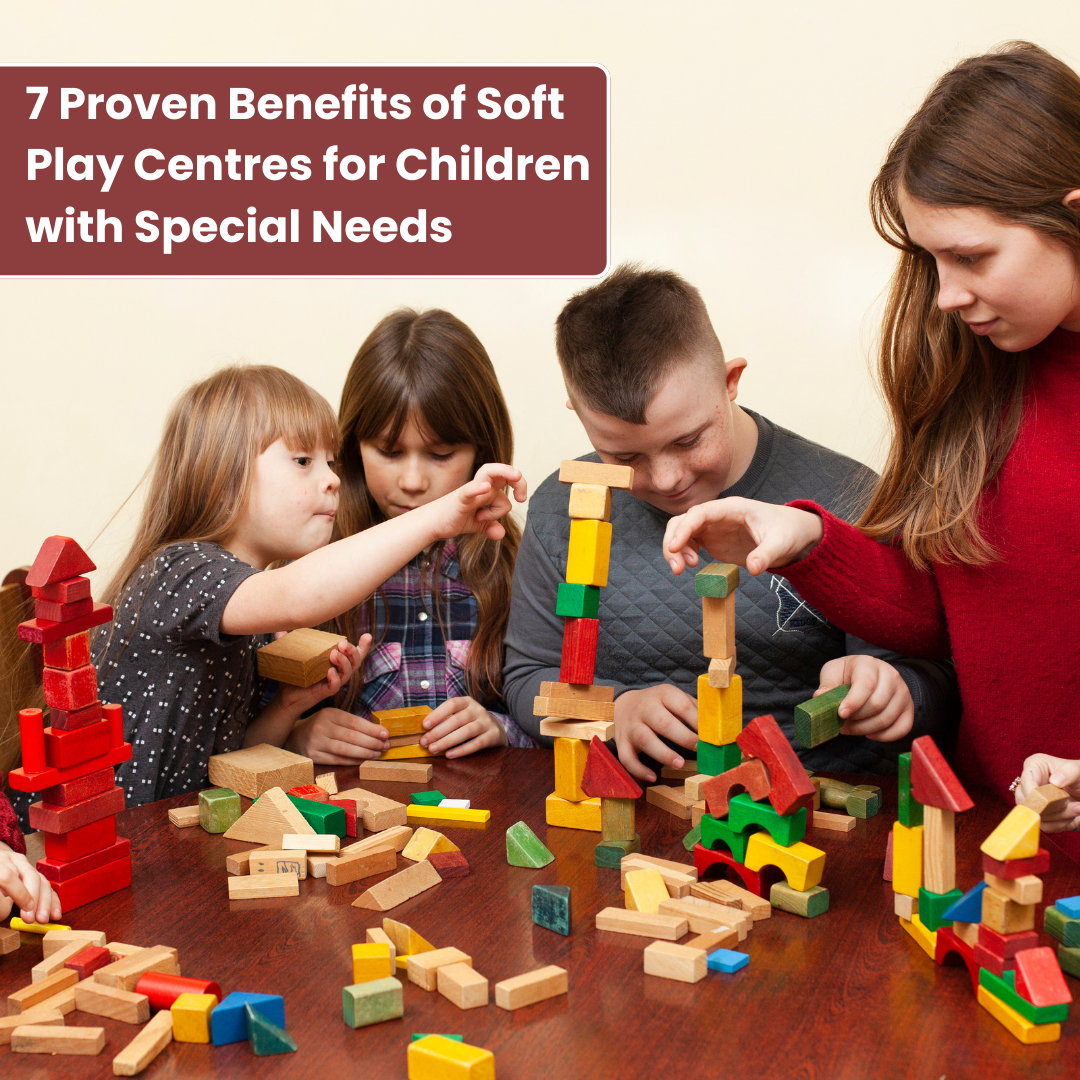
Every child matters; every wobble, giggle, pause, and small win matters too. Children with special needs are no less capable than anyone else. They simply experience the world differently, and they deserve spaces that value their abilities, nurture their growth, and love them just the way they are. As a parent, have you ever stood at an indoor play venue wondering, is this too loud? Too busy? Will my child cope here? Finding a safe, understanding soft play centre can feel far harder than it should.
Many families struggle with limited indoor options, fear of sensory overload, or the quiet worry of being misunderstood. That’s where a structured indoor soft play centre makes a real difference.
Designed thoughtfully, it offers benefits without any mess, motivation without pressure, and freedom without any judgement. In this blog, we’ll walk you through how soft play center support physical growth, emotional balance, and social confidence for children with special needs. We’ll also share why calm, experience-led spaces like Wonderland Play Centre for Children feel less like play centres and more like places that truly understand children, just as a mother instinctively understands her child.
Understanding Children with Special Needs
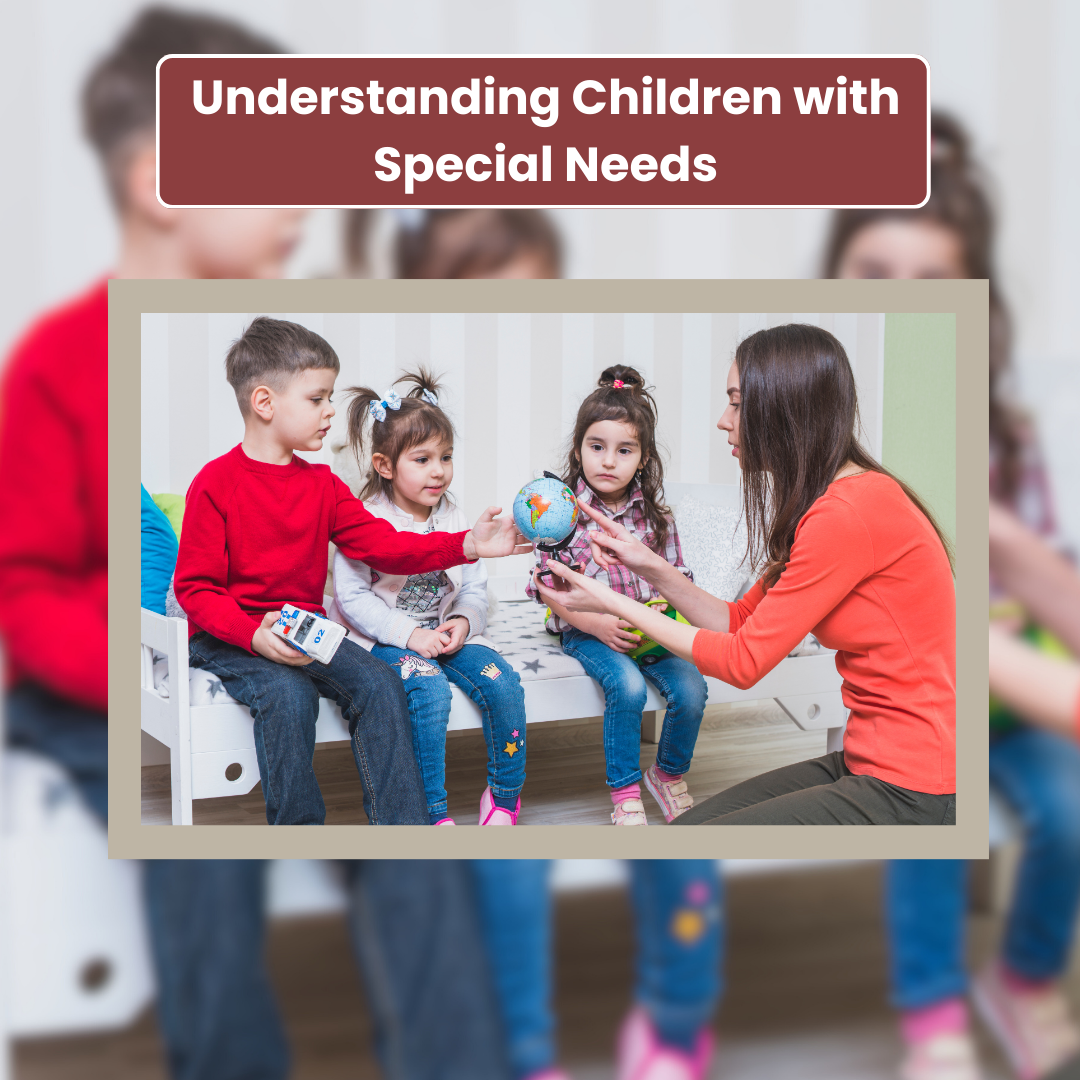
Children with special needs experience the world through their own rhythm. Some process sounds, movement, or emotions more deeply, while others need extra time to respond or settle. Strengths and challenges often sit side by side, and they change with environment and support. Needing guidance does not reduce potential; it simply means the right setting matters. When play spaces respect these differences, children feel safe enough to try, pause, and grow.
With this understanding in mind, let’s explore how a thoughtfully designed soft play environment supports these needs in practical, meaningful ways.
Benefits of Soft Play Centres for Children with Special Needs
Just like not every youngster will fit into the same outfit, similarly, not all play environments suit every child. Loud, open, unpredictable spaces often overwhelm children with special needs. A well-designed soft play centre, however, works differently. It follows structure, respects pace, and supports learning through movement without pressure. Below is a clear breakdown of why the best indoor fun activities for children work so well, based on real-world observation and childcare practice.
1. A Controlled and Safe Environment
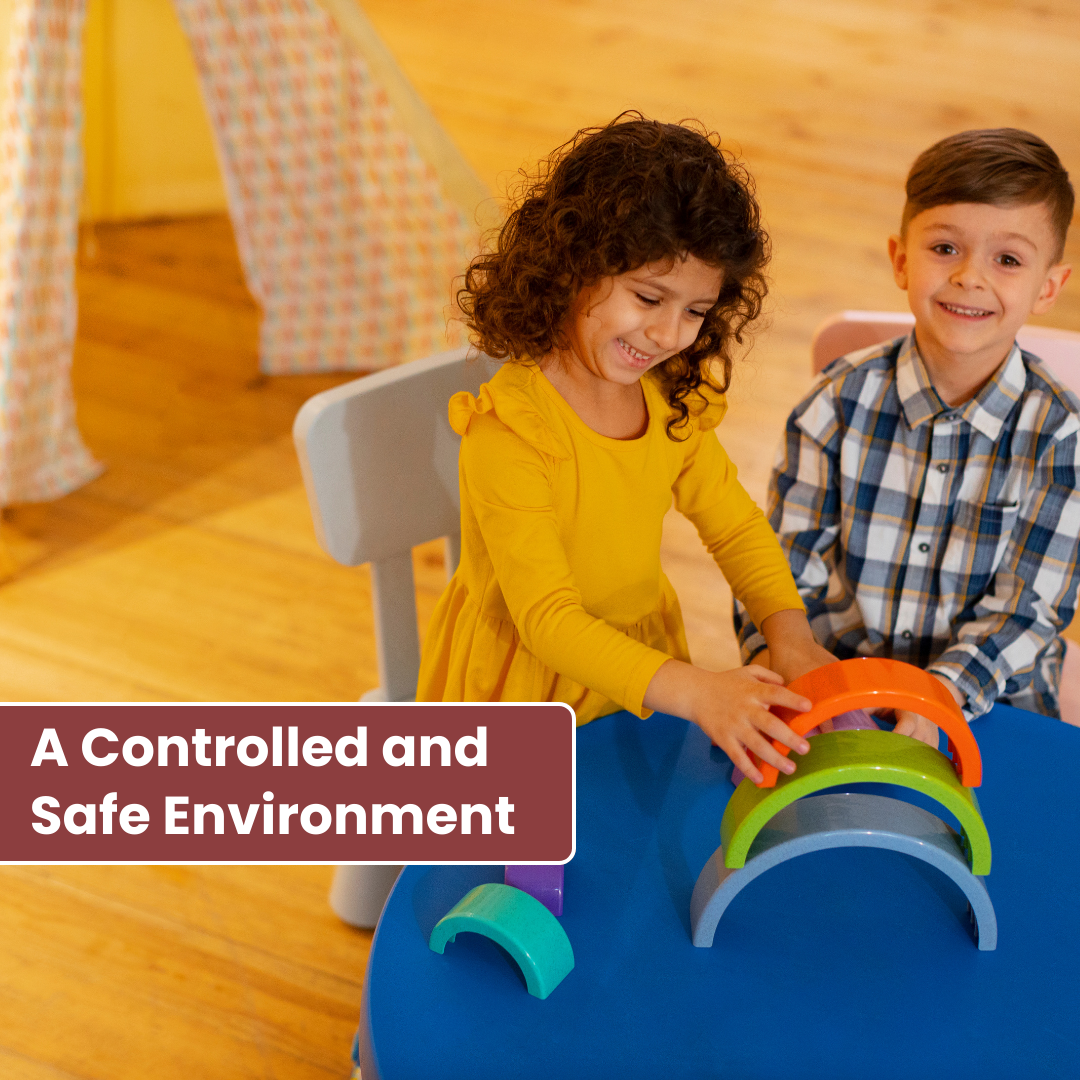
Children feel secure when they know they are safe and there is no pressure for the best performance. Soft play spaces use predictable layouts that help reduce confusion and stress.
Soft flooring and padded equipment lower the risk of injury.
Clearly defined zones help children understand where to climb, crawl, or rest.
Consistent layouts support children who rely on routine.
Practical tip: Visit at quieter hours so your child can explore the space calmly before it gets busier.
2. Sensory Integration
Sensory input should support learning, skill development, and right growth. A thoughtfully planned soft play center balances colour, texture, and movement.
Gentle textures and muted tones help children stay focused.
Movement like rocking, sliding, or crawling supports sensory processing.
Clear spacing prevents visual and sensory overload.
What works: Short play sessions with breaks help children reset and stay comfortable.
3. Physical Motor Skills Development
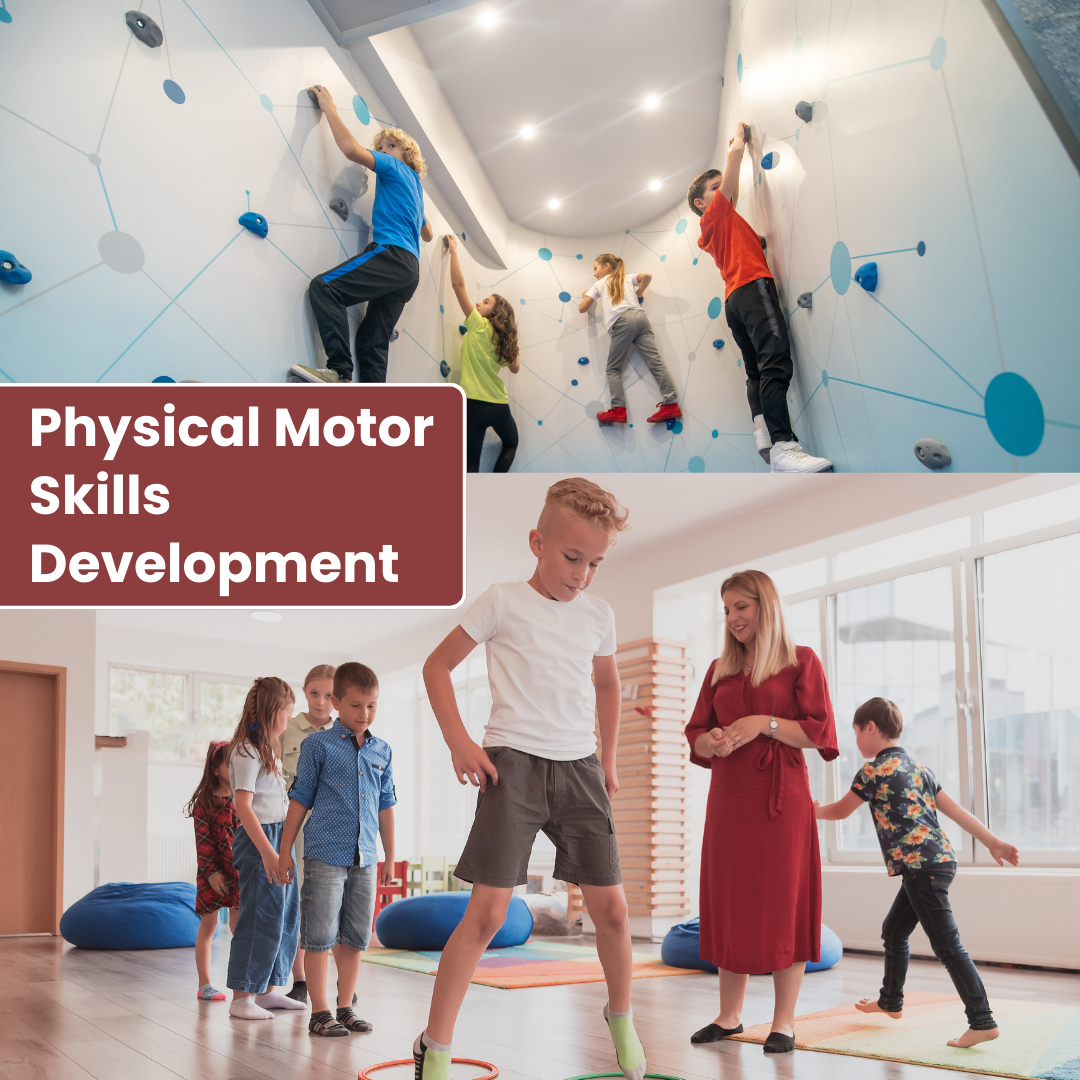
Soft play encourages natural movement in a low-pressure setting. Children build strength while playing at their own pace.
Crawling improves coordination.
Climbing builds muscle control.
Balancing supports posture and body awareness.
Here, movement builds confidence. Children try, pause, and try again without feeling rushed.
4. Cognitive and Social Development
Play helps children understand how the world responds to them. Cause-and-effect learning happens quietly and naturally.
Pressing, pulling, or pushing teaches problem-solving.
Shared spaces introduce turn-taking.
Watching others play builds understanding before participation.
Observation is part of learning. Children do not need to join in immediately to benefit.
5. Emotional Regulation and Reduced Anxiety
Movement helps children release tension and helps them to feel free. Familiar play patterns offer emotional comfort.
Repetitive actions calm the nervous system.
Quiet corners allow self-regulation.
Predictable play builds emotional safety.
Many parents notice their child appears calmer after a structured play session.
6. Inclusive Play and Social Acceptance
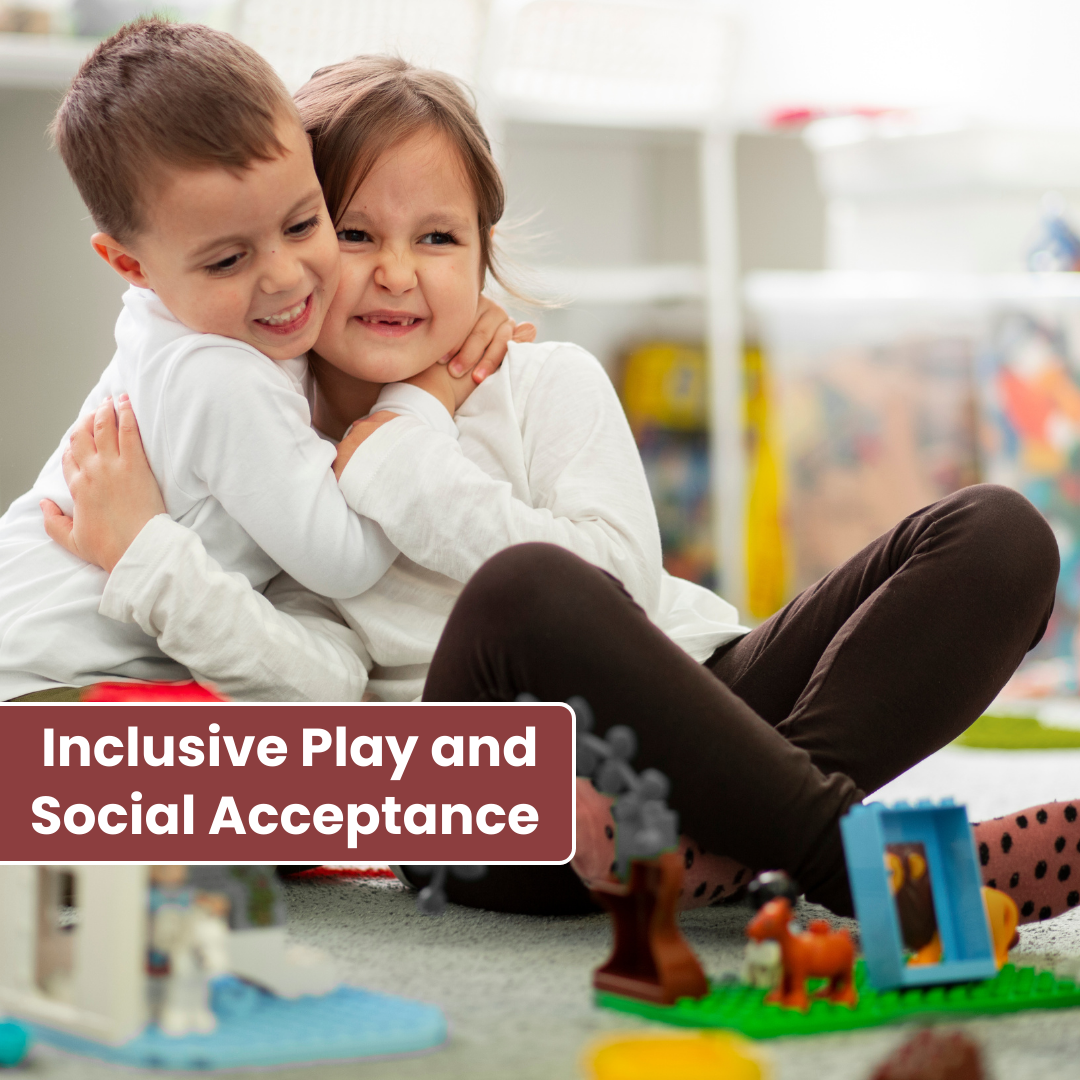
Inclusive play teaches respect without explanation. Children learn simply by sharing space, communicating, and bonding with each other without feeling judged.
Mixed-ability play encourages patience.
With fun at the trampoline park in Plymouth, differences become normal, not noticeable.
Confidence grows through acceptance.
This environment helps children feel included without being singled out.
7. Communication and Expression
Play allows children to express themselves without words. This matters deeply for children who communicate differently.
Gestures and movement with the playground trampoline replace verbal pressure.
Confidence grows through free expression.
Play becomes a shared language.
Children often communicate more freely when expectations feel light and natural.
These benefits show why a soft play center supports development in ways many other play spaces cannot. Next, let’s look at why parents across the UK place their trust in Wonderland Play and how experience and thoughtful design make all the difference.
Why Do Parents Trust Wonderland Play?
Parents do not choose a play space lightly, especially when their child has additional needs. They look for consistency, calm design, and people who genuinely understand children. That is where Soft Play centre in Exeter for children’s fun has earned trust over time, through experience rather than promises.

1. Over 10 Years of Hands-On Soft Play Experience
Wonderland Play brings over a decade of practical experience in running a structured soft play centre.
The team has observed thousands of children at play.
Designs come from real behaviour patterns, not theory books.
Layouts adapt to how children actually move, pause, and return.
This experience helps the space work naturally for children with different needs.
2. Designed for Calm, Not Chaos
Every area follows a clear purpose. Nothing feels random or rushed.
Zones are clearly marked for climbing, crawling, and quiet play.
Colours stay balanced and easy on the eyes.
Lighting feels soft and steady throughout the space.
Parents often notice their child settles faster because the environment feels predictable.
3. A Truly Inclusive Soft Play Centre
Inclusion here means respect, not just labels.
Children play at their own pace without pressure.
No child gets defined by ability or behaviour.
Families feel welcome, not watched.
This approach of the Best Soft Play centre in Newton Abbot allows children to explore confidently while parents relax.
4. Trained, Attentive, and Empathetic Staff
Staff presence matters just as much as equipment.
Team members understand different sensory and behavioural needs.
Support stays available without constant interference.
Parents receive reassurance, not judgement.
A helpful tip for parents is to speak with staff before play starts. This small step often improves the experience.
5. Trusted by Parents, Schools, and Nurseries Across the UK
Families return because experiences remain reliable.
Schools value structured visits that support learning through movement.
Nurseries choose spaces that match routine-based play.
This consistency builds confidence for both children and carers.
6. Real-Life Observations from the Play Floor
Progress often shows in small, steady ways.
A child who once watched now steps onto the equipment.
Repeated visits improve balance and confidence.
Familiar layouts reduce hesitation over time.
These changes may seem subtle, but parents notice them clearly.
7. A Reliable Resource
Wonderland Play supports families beyond playtime.
Parents learn how structured play supports development.
Staff share simple guidance based on experience.
The soft play centre becomes part of a routine, not a one-off visit.
Families return because the space grows with their child.
This trust-led approach explains why many parents feel comfortable choosing Wonderland Play.
Conclusion
Choosing the right play environment matters, especially for children with special needs. A well-designed soft play centre offers structure without restriction, movement without pressure, and stimulation without overwhelm. As we’ve seen, soft play supports physical development, emotional balance, communication, and confidence, all while respecting that every child plays in their own way. There is no single pace, and that is perfectly fine.
What matters most is safety, consistency, and understanding. That’s why many families, schools, and nurseries across the UK turn to Wonderland Play to see these benefits in action. Visiting, observing, and asking questions helps parents feel informed and confident. Sometimes, seeing your child settle, explore, and enjoy play calmly is the reassurance you’ve been looking for.
Frequently Asked Questions
-
Indoor play offers a safe, predictable environment where children can stay active regardless of weather. It supports physical movement, problem-solving, and social interaction while reducing risks linked to uneven surfaces or crowded outdoor spaces. For many children, indoor play also feels calmer and easier to manage.
-
Activities that involve gentle movement and repetition work best. Soft play, climbing on padded equipment, crawling tunnels, sensory corners, and quiet role-play zones help regulate emotions. These activities allow children to engage without noise pressure or sudden changes.
-
The main pros include safety, structure, and consistency, which help children feel secure. Indoor play also allows focused supervision and controlled sensory input. The only limitation is reduced exposure to fresh air, which can be balanced by combining indoor and outdoor play when suitable.
-
Indoor play is often better for children who struggle with noise, crowds, or unpredictable settings. It provides routine, clear boundaries, and fewer sensory triggers. For children with special needs, this structure helps them engage more confidently and for longer periods.
-
Indoor play supports motor skills, emotional regulation, and communication in a controlled setting. A well-designed soft play center allows children to explore at their own pace, feel safe, and build confidence without pressure or judgement.