
Does Soft Play Help Children Sleep Better?
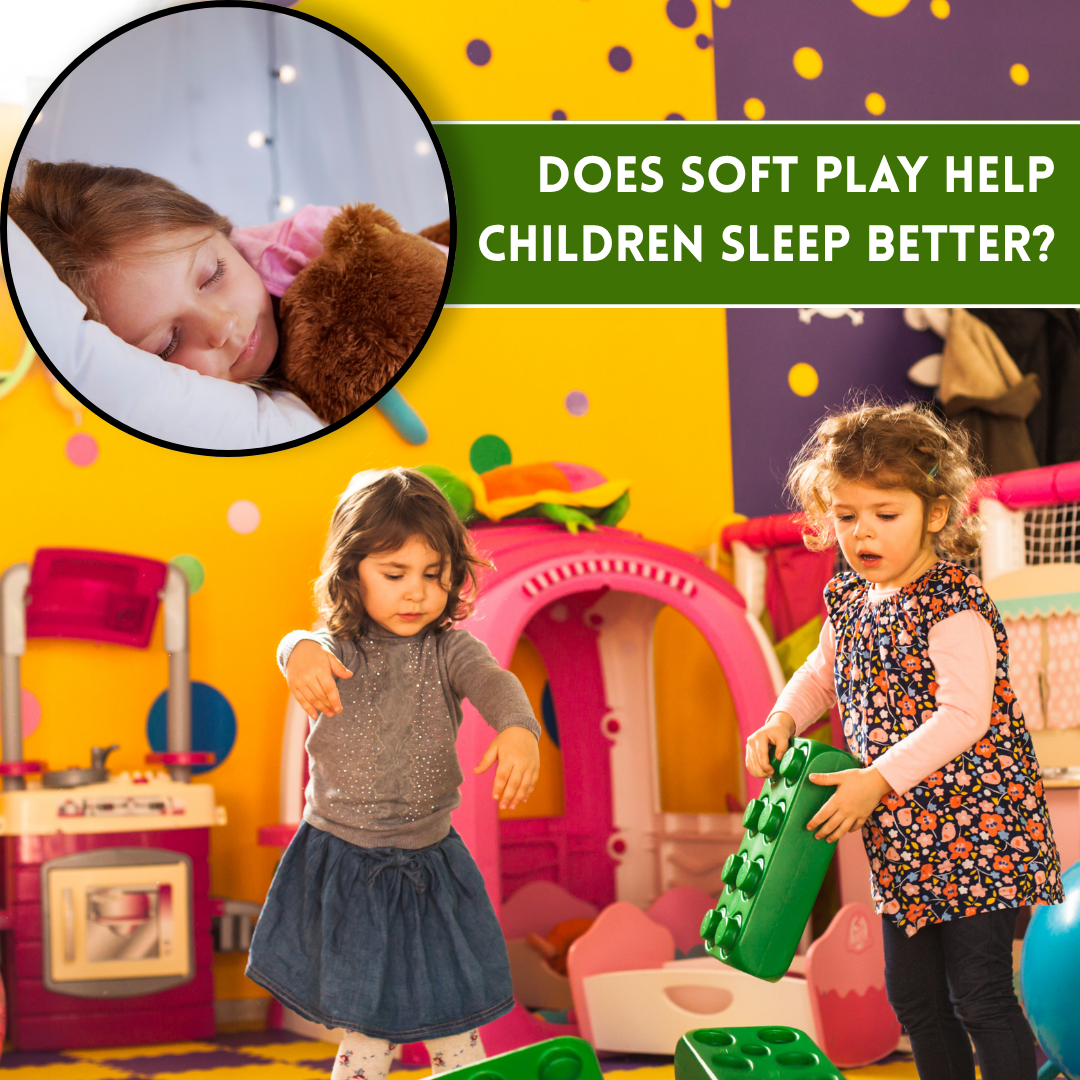
Yes – when parents engage in soft play appropriately (i.e., at the right time of day and age-appropriately), it will significantly help their appropriately (i.e., at the right time of day and age-appropriately), it will significantly help your child fall asleep more quickly and stay asleep longer by expending physical energy and encouraging sensory regulation and routine formation. Done right (no evenings!), soft play with gross motor play, social time, and sensory input will very likely support faster falling asleep and better-quality sleep for little ones ages 1-8.
Does soft play help children sleep is an often pressing question for a lot of parents – particularly at those times when bedtime seems particularly unreliable. Soft play includes cushioned climbing frames, slides, ball pits and open space to move – a safe, interactive environment for young children to refine coordination, expel energy and practise social skills.
How Physical Play Affects Sleep?
Being active contributes to the sleep drive at homeostatic levels, and exposure to daylight or regular schedules helps to fortify your body clock. For children, this can translate into being put to sleep sooner and sleeping more efficiently if playtime is a regular part of their day and happens at the right time.
What Makes Soft Play Different?
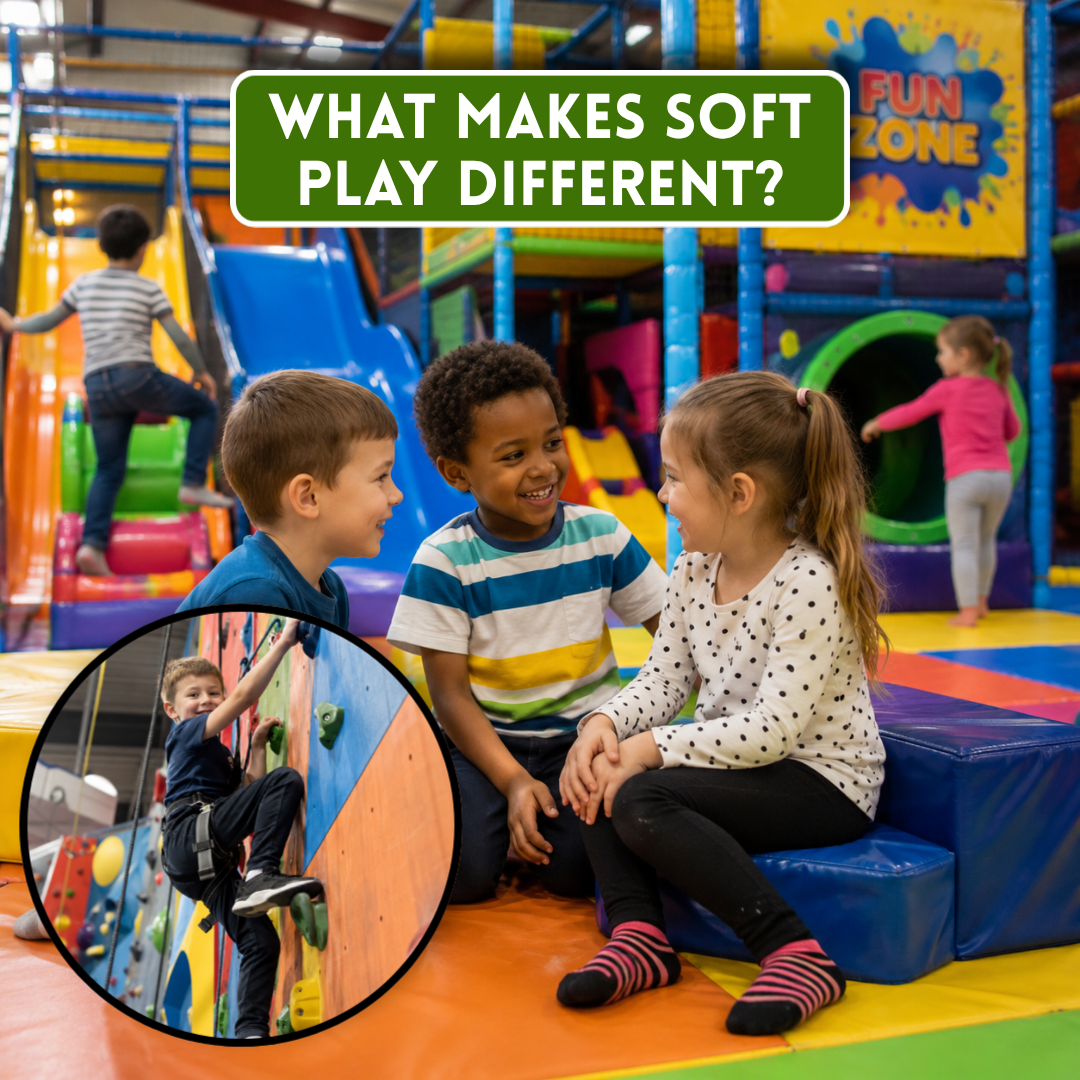
Soft Play is more than just playing; every movement the children make, such as climbing, sliding, and crawling, creates a learning opportunity.
Padded Environment
Soft play zones consist of soft surfaces and soft playing equipment for minimising injuries. Thus, children can play without worrying about getting injured, as well as parents knowing that everything is safe for their children.
Climbing Exercises
Climbing is composed of several actions like climbing frames, as well as climbing stairs, climbing slides and climbing ramps. Climbing strengthens muscles and builds up children.
Crawling
Crawling, on the contrary, is a useful skill, and it also helps in developing motor skills in babies. By crawling, babies learn about their bodies while they strengthen their upper torsos.
Balance
Balance means the ability to stay stable while in a standing position. Balance exercises may involve some kind of walking over soft surfaces or balance beams.
Vestibular Stimulation
When we complicate movement, we get vestibular stimulation to improve the coordination and balance of the person.
Social Skills
It is also a great source for children to make new friends. During the process of playing, children gain skills in sharing, taking turns, teamwork and communication.
When imaginative play and play with peers are combined, children learn many things in an interesting way.
Evidence And Expert Insights
Studies indicate that physical activity and daytime playtime can enhance both the quality and quantity of kids' sleep! Not only that, but programs where play is also coupled with teaching parents about sleep can boost sleep habits in both infants and toddlers.
Practical takeaway: you're most likely to benefit from some brisk-to-intense play at an earlier point in the day, but keep that bouncing around after bedtime at bay!
Timing And Session Lengths By Age
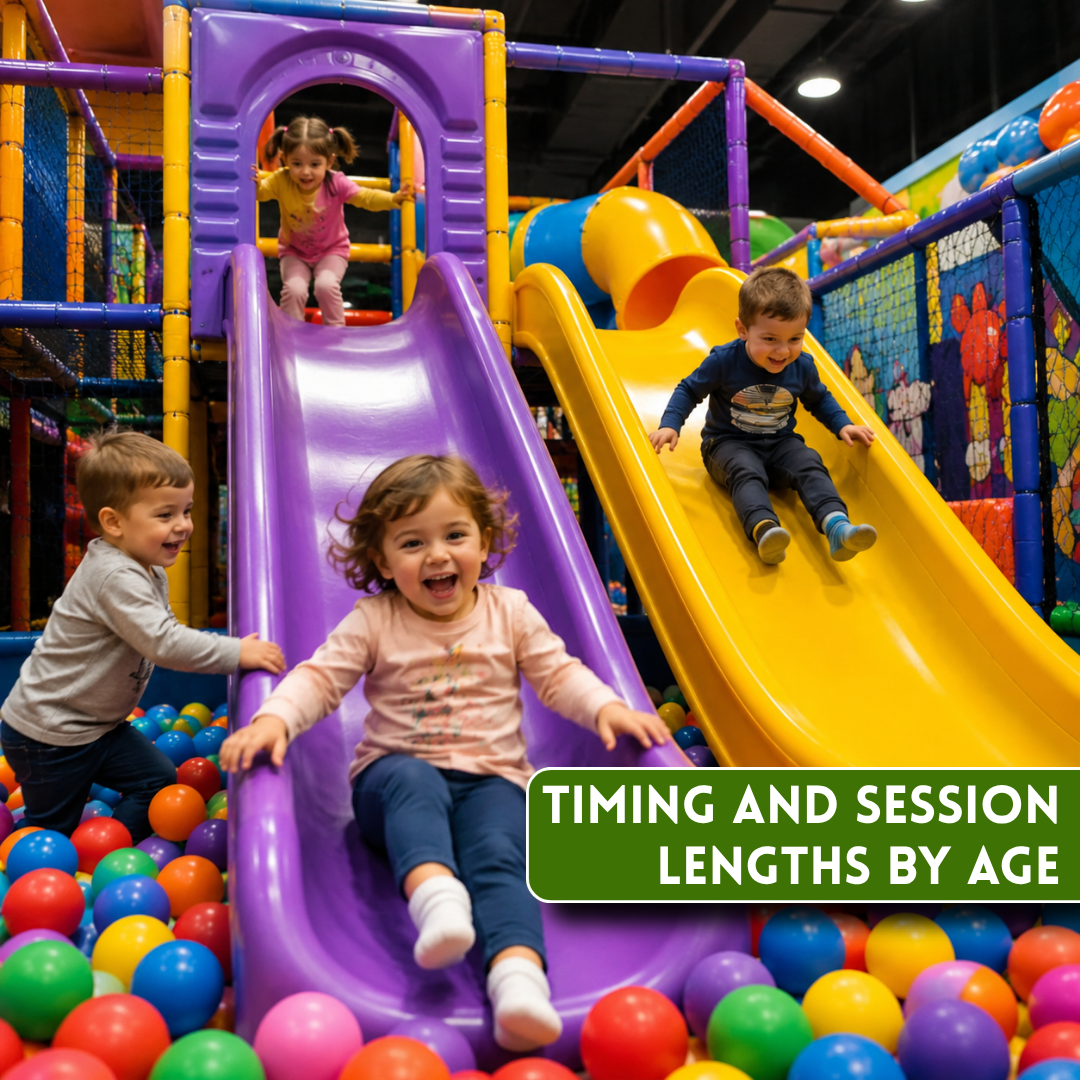
The perfect length for a soft play session really does depend on how old and energetic your child is.
Kids aged 1-3: The recommended duration for younger toddlers is generally between 20 and 40 minutes. A session would be ideally run in the late morning or early afternoon, keeping it calm for little ones and ensuring it’s not too close to bedtime.
Kids aged 3-5: A more energetic play session is usually enjoyed between 30 and 60 minutes, ideally early morning, early afternoon or later afternoon, followed by a period of calmer activities such as reading or drawing to bring the energy levels down before sleep.
Kids aged 6-8: They can enjoy longer sessions of 45-75 minutes depending on how energetic and spirited they tend to be, and any afternoon or early evening sessions are possible.
General Advice - Plan active play earlier in the day and avoid vigorous play within 60–90 minutes of bedtime to help most children settle and sleep more easily.
Which Children Benefit Most?
Soft Play Can Be Especially Beneficial For:
Energetic toddlers
Preschool children
Children who dislike naps
Children developing motor skills
Children needing more physical activity during winter
How To Help Your Child Relax After Play?
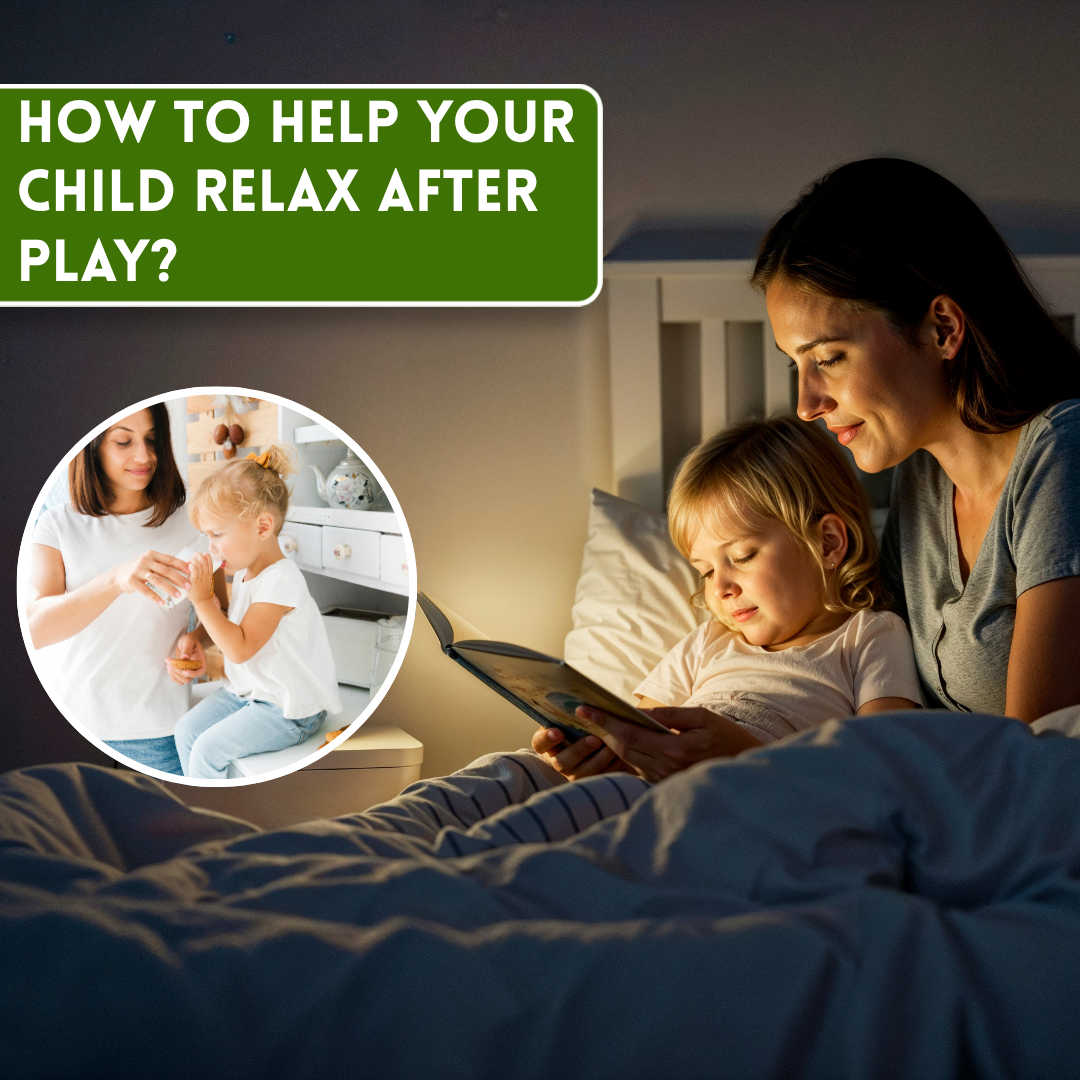
A Simple 30-Minute Bedtime Routine For A Happy Child:
1. Water Break - Hydrate! Offer a big glass of water after the play frenzy.
2. Power Snack - Yoghurt, a banana, or some wholegrain crackers will do. No sugary stuff that might interfere with sleep, though!
3. Warm Water Wonder - Bathtime. The warm water will relax those little muscles and send a sleep signal.
4. Bedtime Book - Cuddle up with a favourite book or two for 10 to 15 minutes of peaceful reading.
5. Soft Light - Dim the lights and avoid screens. Let the natural sleep hormones do their work.
6. Off to Sleep - Stick to the same bedtime every night to build that crucial routine and ensure sweet dreams.
This will help set your child's internal clock and distinguish day from night.
When Soft Play May Affect Sleep?
On your night after those super high-intensity late-night workouts, your adrenaline can throw off your melatonin, so you might have a really tough time getting to sleep. In addition to getting your nighttime sleep disrupted due to anxiety during your intense workouts at nighttime, you can also develop a later bedtime. This happens to be the same case when it comes to power naps taken late at night as well.
Local UK Considerations And Recommended Centres
And if you decide to take your little one to a soft play, these are some of the things to consider when picking a really great one:
Dedicated toddler sessions: Make your little one's experience calmer and safer with their very own soft play sessions – far less of a chaotic stampede from older, boisterous children.
Clean equipment: Play spaces that are clearly regularly cleaned and kept well-maintained and hygienic for happy and safe kids.
Trained staff: People who know what they are doing, someone who can look after the play area, help families and quickly deal with anything that comes their way.
Age-zoned play areas: Different zones specifically for children of different ages mean there's no one struggling with a tiny climbing frame or one not brave enough to tackle a towering climbing wall.
Book Online: That'll make sure you get the slots you want to ensure no tears when you arrive.
Midweek Sessions: If it's a quieter day, you'll have space for your children to explore. This is especially good for little ones who are a bit reserved or easily over-stimulated, and it's just nice to have more space for little ones to have fun.
Watch out for Soft Play Zone in Exeter and Newton Abbot; they have kids play activities and a timetable so you can book in suitable age group sessions to prevent them from getting over-stimulated.
By visiting age-specific play sessions at Wonderland Play Zone in Exeter or Newton Abbot, UK, children will be getting the opportunity to burn some energy and not get too wound up just before bedtime.
Signs Your Child Had The Right Amount Of Play
You can try to encourage kids to exercise and play as much as you'd like, but sometimes they can reach a saturation point of play time. Generally, if the children have had sufficient time at the soft play centre and have completed their scheduled play session, they'll demonstrate these indicators:
Kids are generally more easily settled at bedtime.
Will generally be sleeping within 20-30 minutes
Will generally be relaxed and not jumping around like they have had too much caffeine
Will be hungry and eat everything, as well as taking plenty of water, and will usually go down easily
Will sleep right through and wake feeling rested
Will have lots of energy the next day but not appear too tired
If your child is hyper and struggling to wind down or becoming fussy/irritable after playing on soft play, perhaps it was a little too long, or they visited the Soft Play Centre in Exeter UK or the Soft Play Centre in Newton Abbot UK, a little too late in the evening.
Conclusion
While soft play can be a useful addition to a parent's sleep repertoire, there's a right way and a wrong way to approach it – and time of day matters. Get the time of day right, book appropriate age zones and then transition with a relaxing evening routine, and you can enhance your little one's sleep. Go book a time slot at one of the awesome RunSoft play centres here in Exeter or Newton Abbot, and give your kids a fun and supervised opportunity to explore their environment age-appropriately, with structured sessions, as either toddler clubs or an off-peak stay & play, helping them sleep more. Watch for any nap or bedtime changes or more night waking, and adjust how often you play or how long your sessions are. If you have any special needs or considerations for your little one, please check in with therapists who might have ideas to modify your soft play experience. With planning, the experience transforms into a highly effective sleep promoter.
For details on session times, age-zoned sessions and personalised advice on how best to use play to boost your child's sleep, get in touch with Wonderland Play. Book a visit to Soft Play Centre in Newton Abbot or Wonderland Play Zone in Exeter and talk to the team about tailoring playtime to promote sleep for your child.
Frequently Asked Questions
-
Ideally, give little ones 60–90 minutes after a full-on blast about for a good wind-down.
-
Both! Outdoor play gets daylight in there (excellent for the body clock), whereas soft play offers a secure and contained environment to burn off energy and explore different equipment.
-
A lot of kids who have sensory processing challenges find that the predictable, weighted, and bouncy movements of soft play help them get their regulatory input, but scale the type and level of intensity up or down to what works best, and chat to an occupational therapist if you have any concerns.
-
A small high-protein snack like yoghurt or a banana with peanut butter and water – anything too sugary should be kept for daytime to avoid impacting sleep.
-
If they are ready for their regular nap, then yes! But be mindful of late naps that may mean you have to delay bedtime a bit too long.