
How Does Soft Play Centre for Kids Build Emotional Intelligence?
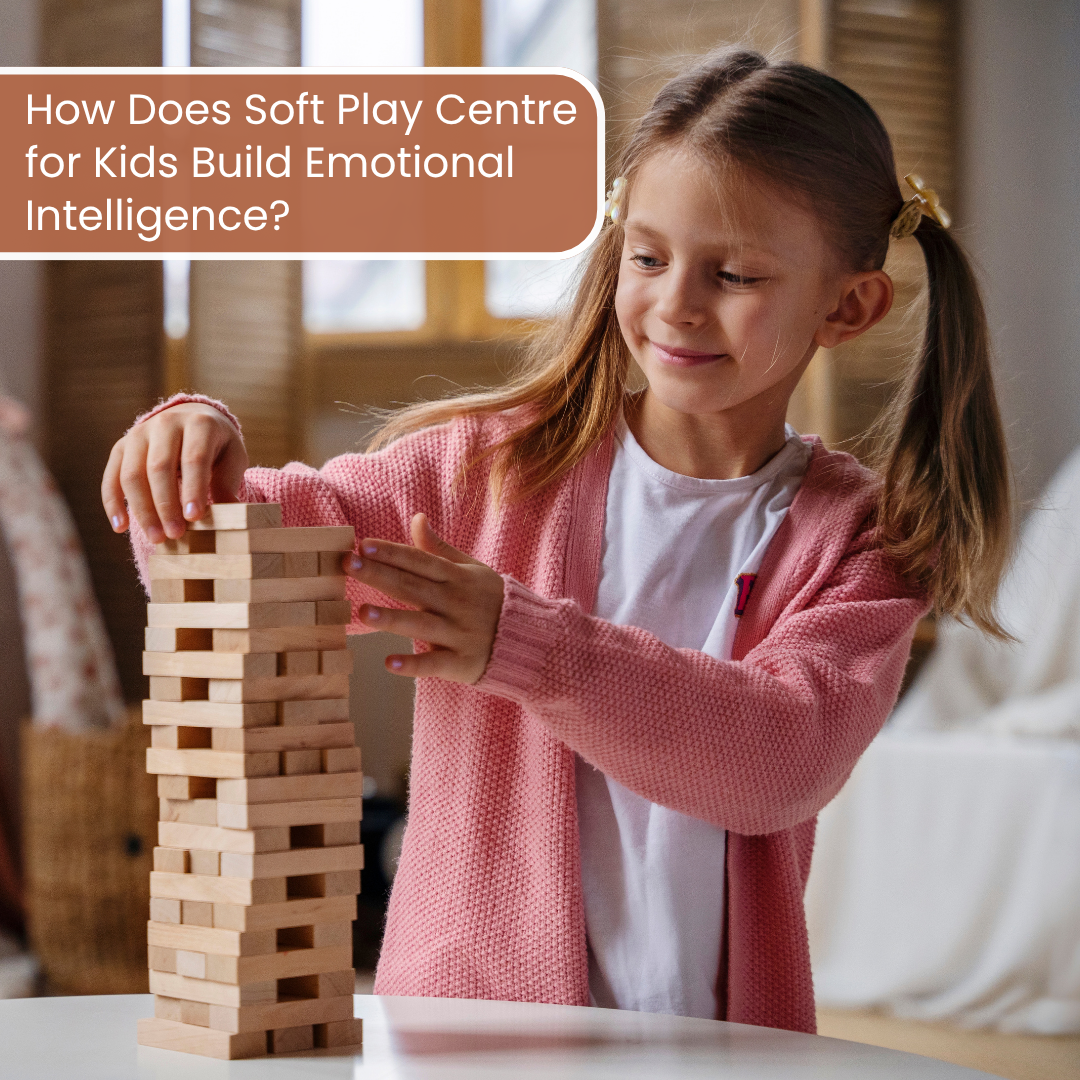
It's not just another place to wear the kids out indoors; a soft play centre for kidsis actually the perfect place for little ones to develop some important emotional skills. They can have a go at sharing, turn-taking, solving mini crises, and dealing with meltdowns – all in a safe, structured environment! For 2- to 5-year-olds and parents with shy little ones, or those trying to juggle work and play time, soft play makes early childhood development fun and accessible.
Table of Contents
You're witnessing social and emotional learning in real time, helping your toddler and preschooler build confidence through shared fun – from taking turns on the slides to figuring out how to soothe a crying buddy who's taken a bump.
Here's how kids' soft play areas support this growth, with concrete examples and insight from experts. And tips to spot the best places for your little ones.
What Is Emotional Intelligence in Early Childhood?
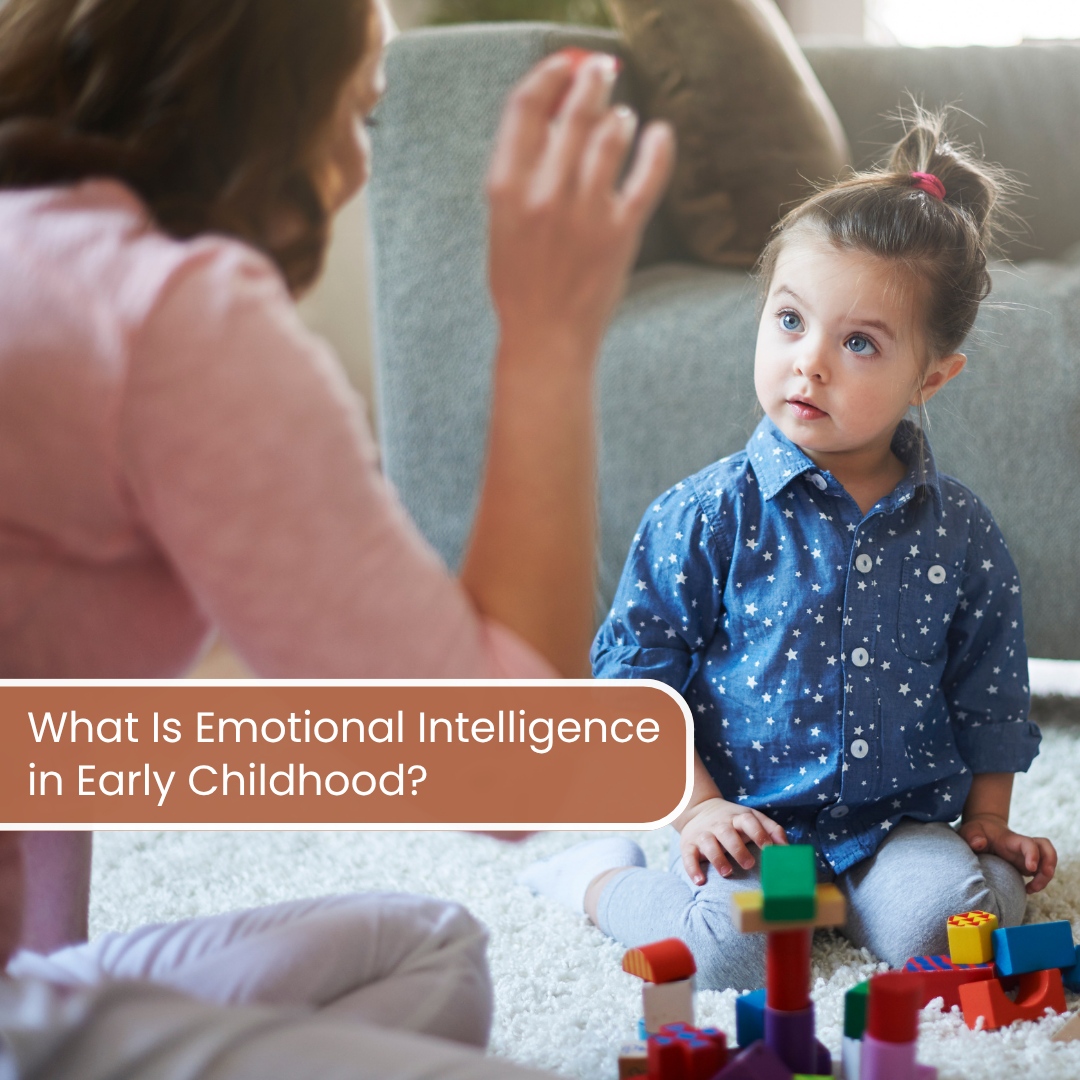
Emotional intelligence – ever heard of it? It means knowing what your emotions are, handling them, and acting kindly towards others. Little kids already possess it, albeit in basic form – learning how to name emotions, soothe themselves when things go wrong, and understand that their playmates also want things.
The key parts of emotional intelligence at this age include:
Self-awareness – recognising when they are feeling happy or frustrated, for example.
Self-regulation – being able to calm down after experiencing something frustrating such as being told they can't go down the slide just yet.
Self-regulation – the ability to identify if someone else is upset.
Empathic social skills – managing to work, communicate, negotiate and solve little squabbles together.
Motivation – being able to persevere when presented with a difficulty, for example, going over an obstacle.
How Soft Play Supports Emotional Development?
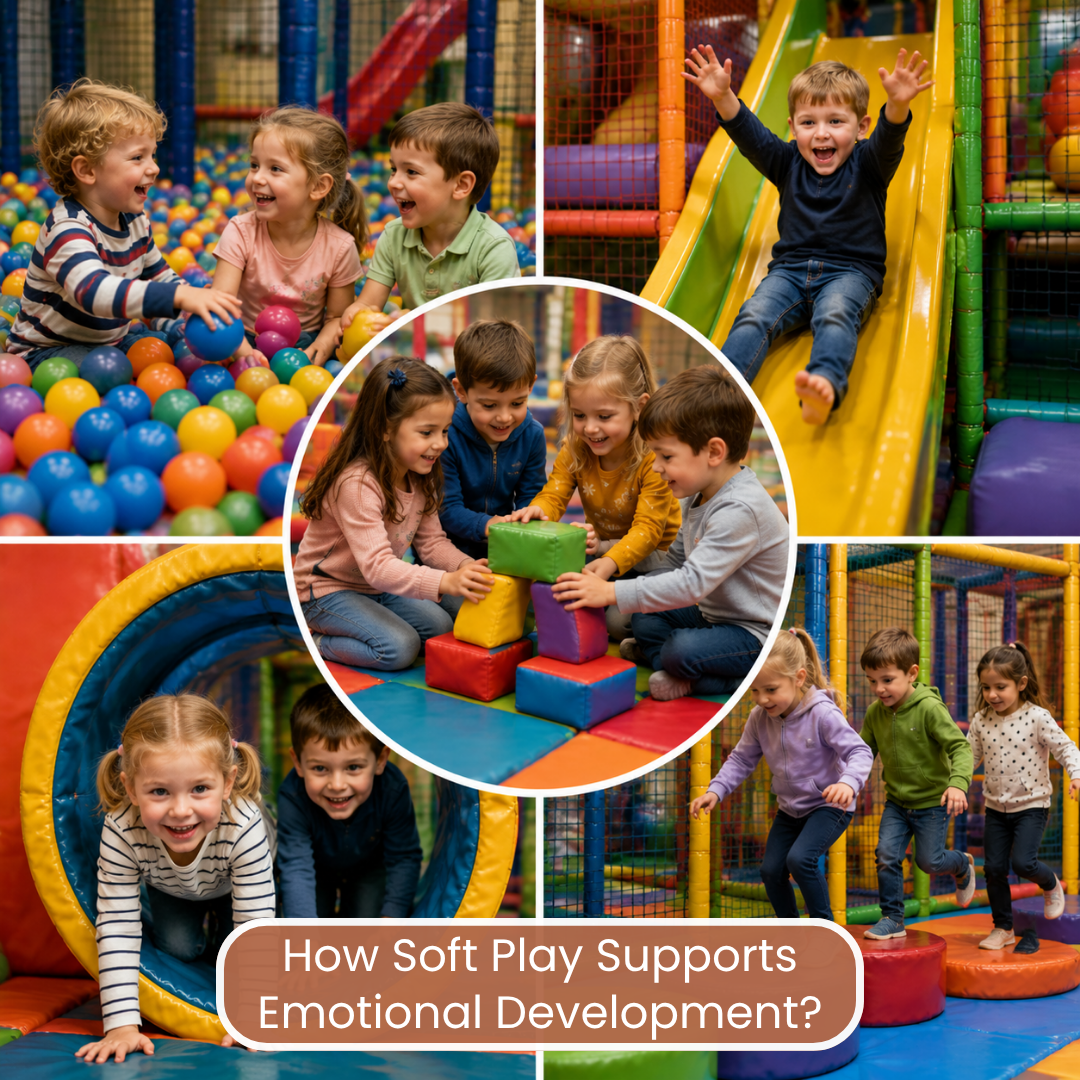
Each visit to soft play involves kids wading through dozens of micro-social situations – the queue for the slide, a ball pit sharing, a disagreement about who's next – all within an environment of soft walls, no major physical risks, and maximal emotional exposure. Ninety per cent of the brain is formed in the first five years of life, so early experiences are crucial ( UNICEF).
Structured Freedom Encourages Self-Regulation
You don't face an array of fixed classroom rules; soft play has its own limitations of the natural world, but it does give kids structure, like slide and tunnel manners, to practise control over impulsive behaviour without direct adult guidance.
Peer Interaction Builds Empathy
Children of various ages and temperaments from all walks of life intermingle. This continuous exposure to many children helps to practice reading body language and expressions to develop empathy skills.
Physical Play Reduces Cortisol and Supports Mood Regulation
Physical play can help reduce the stress hormone. In young kids, play, and physical play especially, helps to manage levels of stress.
One 2021 analysis found in Frontiers in Psychology that the ability to use unstructured play time aids kids in developing skills for managing stress and emotions in early development, which is exactly what children learn through good children's play and soft play centres.
Key Skills Children Build Through Kids Play Activities
Well-designed kids play activities within a soft play setting do far more than entertain — they create repeated, low-risk opportunities for children to practise emotional and social skills.
| Skill | How Soft Play Builds It | Real-World Benefit |
|---|---|---|
| Turn-taking | Queuing for slides, ball pits | Reduces tantrums, prepares for nursery/school |
| Conflict resolution | Sharing toys, negotiating space | Stronger friendships |
| Risk assessment | Navigating climbing frames safely | Confidence and independence |
Centres that rotate their kids' play activities regularly — introducing new sensory zones, themed soft play sets, or seasonal trails — help maintain a child's curiosity while continuing to challenge their social and emotional skills.
Soft Play vs Traditional Playgrounds: A Comparison
| Feature | Soft Play Centre | Traditional Playground |
|---|---|---|
| Weather dependency | Indoor, weather-proof | Outdoor, weather-dependent |
| Age zoning | Often segmented by age | Rarely segmented |
| Supervision | Staffed and monitored | Usually unsupervised |
| Safety surfacing | Fully padded throughout | Variable (bark, rubber matting) |
| Social density | High, frequent peer contact | Lower, more spread out |
| Sensory variety | Slides, ball pits, tunnels, sensory zones | Swings, slides, climbing frames |
Soft Play for Shy or Anxious Children
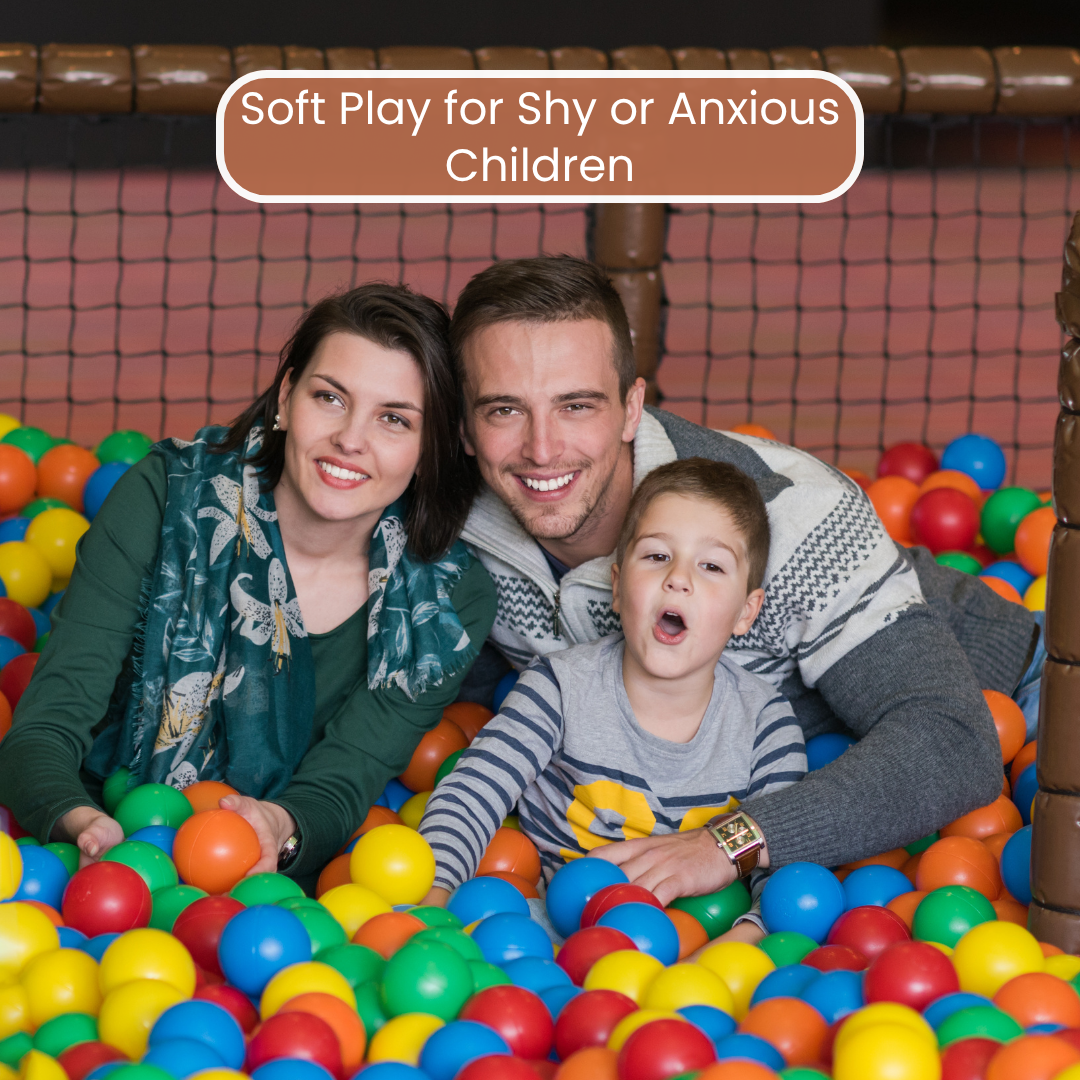
When parents consider soft play, they often fret about whether the busy environment might be overwhelming rather than a help to shy children. Often the opposite is true. Soft play environments, if they are managed correctly, can be really great for children who find new situations tricky.
Here is how and why it is great for shy and anxious children:
And why it's a good option for the shy and nervous among them:
Being able to just hang out in a comfortable little nook of the play area and have the option not to join the other kids when they don't feel like it yet.
With parallel play, little ones in new surroundings can still have a go at interacting without feeling pressured to engage. This develops into playing together eventually.
Repeated visits to soft play will help them feel more familiar with the setting.
Soft play areas are typically smaller than outdoor playgrounds, with tunnels and small ‘dens’ where children can take time out and feel safe.
Expert insight: The ‘early years advice’ would suggest short visits, just for 30 to 45 minutes, would be better for an anxious child to visit regularly rather than one longer session where they are at risk of sensory overload.
Working & Single Parents Guide
It is not just a play paradise but actually life-saving & time-saving for a working or single parent.
Efficiency: It covers physical, mental & social aspects.
Reduced parental guilt: Parents now don't need to feel guilty, isolated or unsafe.
Most UK-based centres are supervised, and some are covered with CCTV.
Visiting during off-peak times - some weekday slots can even cater specifically to working or single parents.
Why Wonderland Play Zone is Good for Your Child?
A family day out often requires good, clean indoor play facilities. They might look for an environment with age-specific play areas, trained, responsible staff and safe and exciting activities for children. This can be hard to find until you find somewhere like Wonderland Play Zone near Devon, and when they did, they knew it was a good find.
The Wonderland Play Zone offers our local families that…
A specific zone for toddlers (2–3-year-olds), completely separate to the main soft play area.
Staff who prompt and guide children to share and take turns.
A chill zone cafe for working parents and parents who are raising children on their own, where they can grab a coffee, catch up on work or simply catch a break.
Kids play zone ideas updated regularly, meaning we keep it interesting.
A haven for shy kids, with low sensory spaces and little pockets of quiet to retreat into.
Considering between a soft play centre Exeter UK or a soft play centre Newton Abbot UK? Here are some considerations:
Dedicated zones for children by age group (for instance, you'll find zones catering to age 2-3 years, then age 3-5 years) – to minimise collisions between children
Dedicated cleaning processes and policies in place (for example, have procedures been adhered to since COVID?) Quantity of adult supervision of children
Quantity of children’s activities offered (like sensory play, ball pits, chill-out spaces and play structures)
Safety standards, regulations and insurance.
Many parents who have experienced soft play centre Exeter share that the areas divided by age zones will help minimise quarrels and disputes between young kids.
For parents looking for a soft play centre Newton Abbot , Wonderland Play Zone provides the best alternative to playing outdoors during those cold or wet months we get on a pretty regular basis over here.
Frequently Asked Questions
-
Most of the UK’s soft play sites accept babies from about 6 months. Toddlers between 12 months and 3 years old will have more development in terms of use of equipment.
-
Once or twice a week is normally enough for our little ones to start developing their social skills and confidence in the space without causing a lot of overstimulation,' said early-years practitioners.
-
Yes. Practising turns, small delays or sharing can develop the child’s self-control and reduce tantrum behaviour over the months.
-
For shy and anxious kids, soft play can be very suitable. As kids can also engage in parallel play (where children play independently alongside others without direct interaction), this is usually less intimidating than some more structured activities.
-
In the UK, soft play is a type of indoor playground which provides a weather-resistant and (often) age-divided space. A traditional playground is an external area of unsegmented facilities which depends on the weather.
-
Through social play with other children, our children learn negotiation skills, share things, take turns and practise language through their activities in the soft play area.