
Soft Play Tips to Keep Your Child Safe in a Kids Play Zone
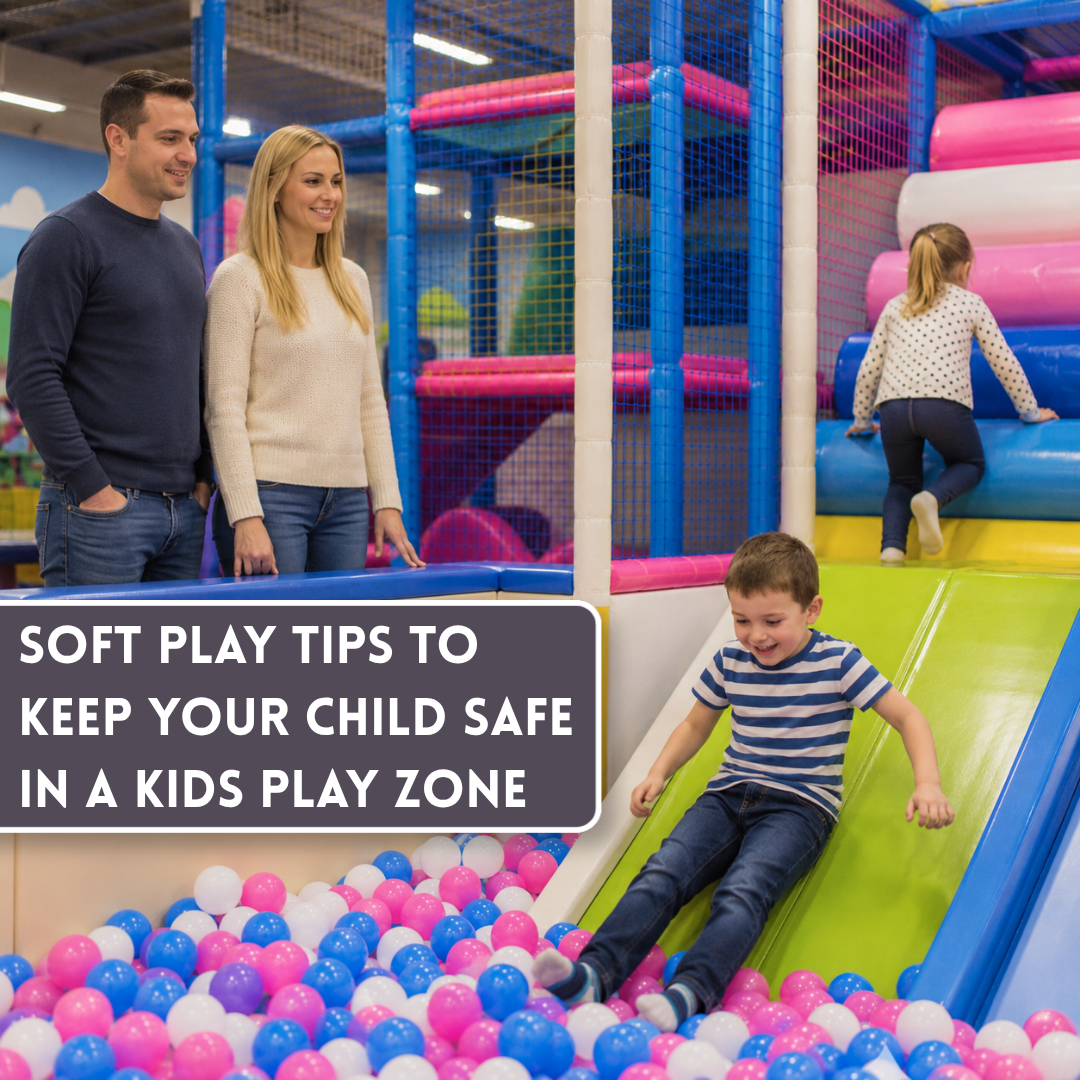
A typical Sunday morning at soft play is usually full of smiles, laughter, and excitement, and a lot more cheerful things going on. Little ones sliding between slides, parents catching a breath with a coffee, and children happily enjoying and playing in a safe and supervised place. It is the kind of place where kids can enjoy the play area, move around and play while parents stay close by and enjoy a special moment to chill out.
It's a familiar scene for a lot of parents. To make every visit even more enjoyable, a few simple soft play tips can help ensure everyone has a safe, happy, and stress-free experience.
The key is not to worry about every little movement, but to know the play zone comfortably to let your child enjoy it confidently. This article brings together what is essential, like what to check before your child starts climbing, and how UK soft play centres are governed so you know what safe is believed to look like.
What Should You Check as a Parent?
A good centre normally makes the important things easy to spot, so you should be able to see clear signs about age or height limits, often shown in colours or simple labels. That helps you know straight away which areas are right for your child.
It also helps to notice the people working there. A well-run centre should have staff who are actually watching the play area, not just standing behind the counter. You can usually tell quite quickly whether the space is being actively looked after.
The condition of the equipment says a lot too. Foam pits and ball pools should look fresh and clean, not dusty or musty. Padding should feel soft and secure, not flat, split or worn down. And while it may not be the first thing on your mind, it is sensible to glance at the fire exits and first aid point as well. A safe centre will usually make those details easy to find. All these little things make indoor play sessions for children more enjoyable.
If anything looks a bit unusual, say something. And while most staff will appreciate hearing about any problems in advance so they can sort them out and chill a bit, there are certainly ways to encourage kids to get the most from the play area with their safety in mind.
What a Well-Run Soft Play Centre Looks Like?
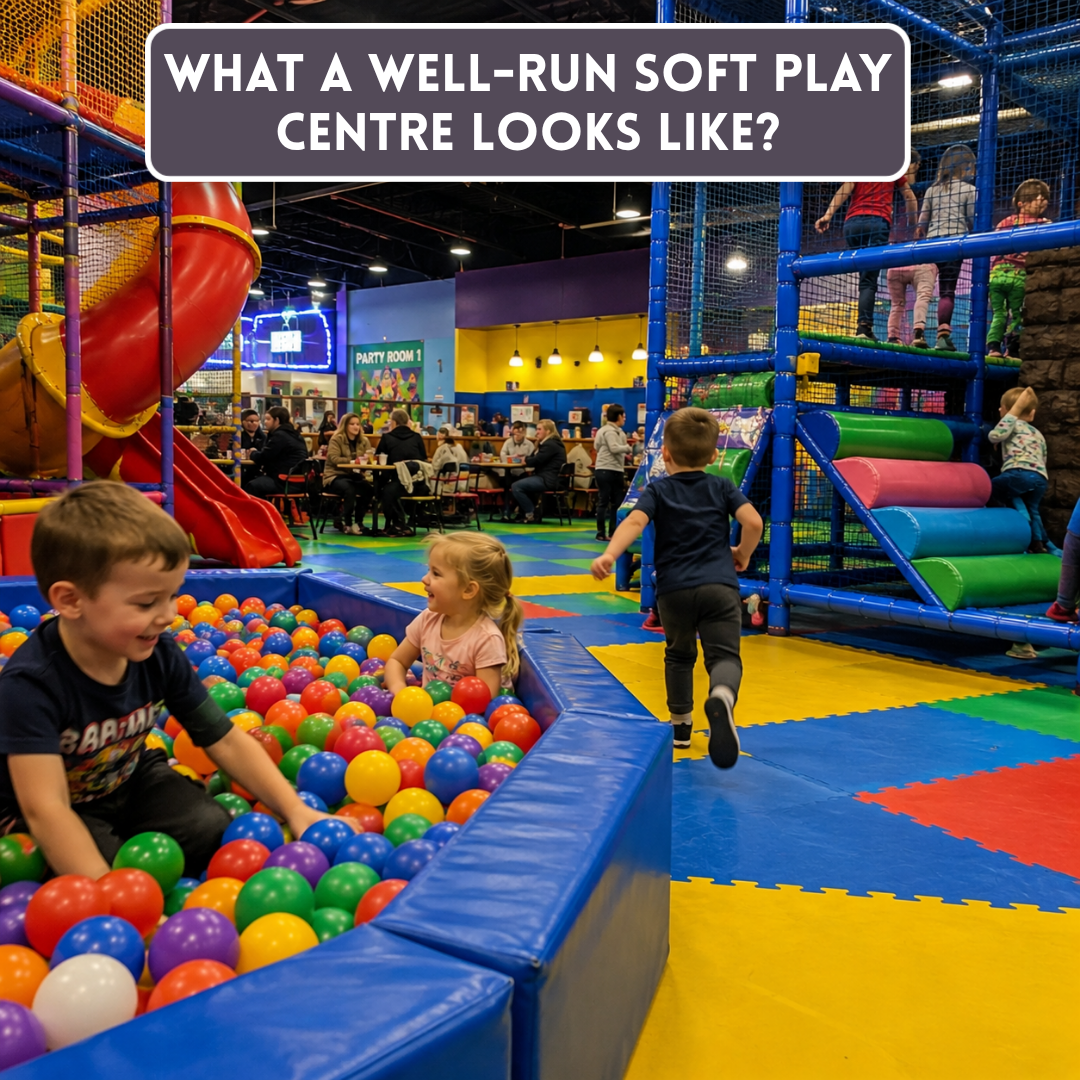
The better soft play centres usually have a few things that quietly make all the difference.
You can tell almost right away when a place has thought about younger children, because there will often be a separate toddler zone where the smallest ones can explore without being overwhelmed by the bigger kids racing around. It gives parents a bit more breathing room too, which never hurts when you are trying to enjoy a coffee while keeping half an eye on the action.
Small details matter as well. Slip-resistant flooring near entrances and exits might not sound exciting, but it is one of those practical touches that helps the whole space feel more settled and well looked after.
You might like to adopt a socks-only or grip socks-only rule. It's another small way to keep the space cleaner and provide your little ones with that extra bit of grip as they go whizzing around.
And perhaps the clearest sign of a good centre is the staff presence — not people hovering awkwardly, but team members who are moving through the space, noticing what is happening and quietly keeping things running smoothly. That is the kind of place parents tend to trust. A well-managed soft play like Wonderland Play Exeter follows all these things very easily and turns every visit into a wonderful memory for your little one.
Age-Appropriate Play Zones
Most UK Centres Now Split Play Frames by Age or Height:
Under 2s / toddler zone — softer, lower structures, gentler slides, often with a separate entrance so bigger kids can't wander in.
2–5 years — slightly taller frames, ball pools, small slides.
5 and over — the full-height frames, longer slides, rope bridges and bigger drops.
Instead of looking at the height limit, pick the right soft play zone that is suited to your child's age and confidence. Selecting the right play space helps to develop balance and confidence, and they can build coordination in their own time. Find out how physical play helps with confidence for children and development.
Footwear, Clothing and Jewellery Rules
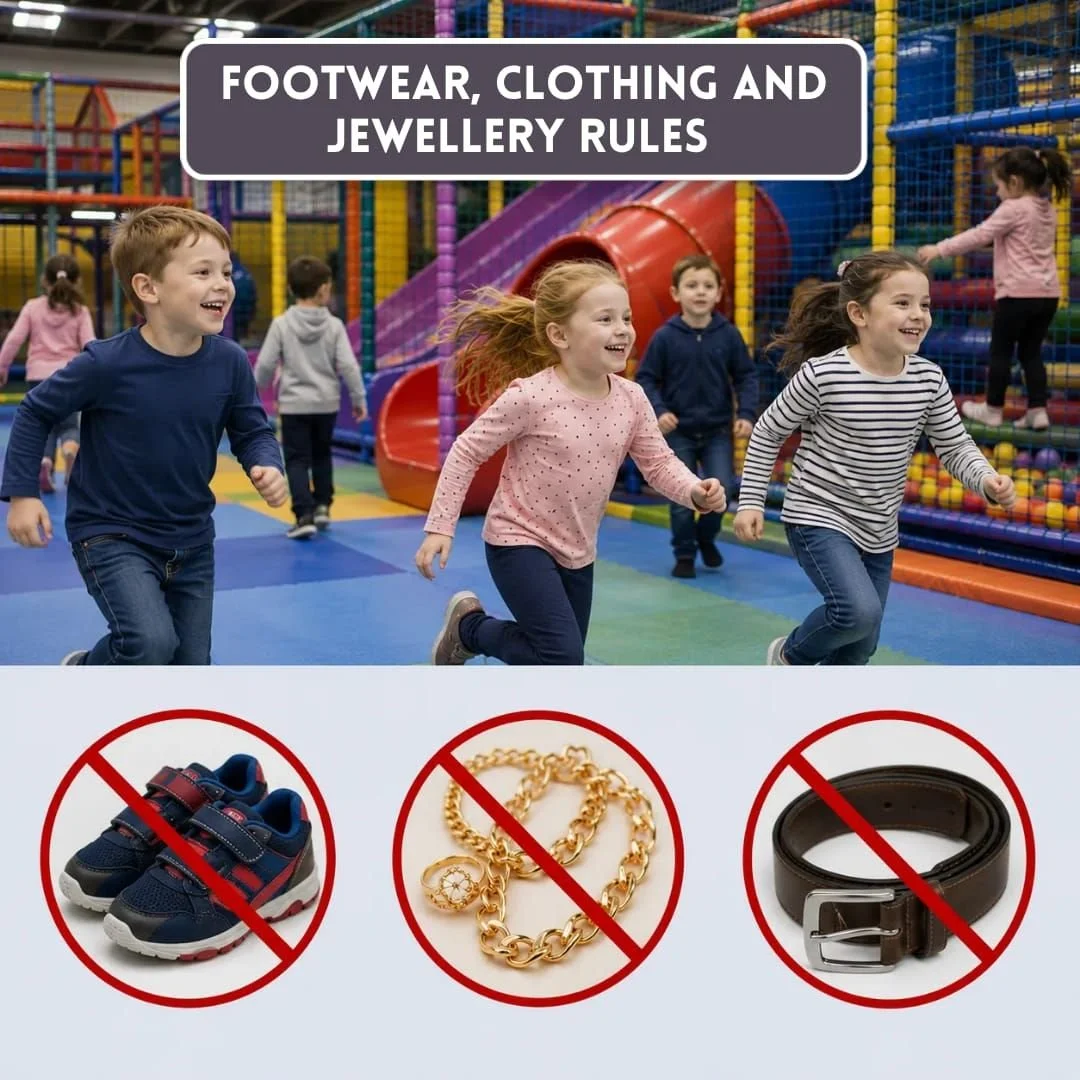
These few tips will make the visit more enjoyable for your child:
Use grip socks if the centre sells or requires them.
Take off your child's shoes, belts, and anything with buckles or zips that could hitch netting.
Take off your child’s necklaces, bracelets and dangling earrings.
Tie back your child's long hair.
Make sure your child wear a glass with straps on a fast slide.
Double-check your child's pockets. Remove anything in their pockets — phones, hair clips, coins have all ended up lodged in ball pools.
Supervision: How Closely Should You Watch?
This is where most soft play safety tips articles get vague. Here's the practical version.
For children under about four, you should be within arm's reach or close enough to intervene at a slide exit or drop within a couple of seconds.
For older, more confident children, you can supervise from the perimeter — but that means actually watching, not sitting with your back to the frame.
A Few Habits That Help:
Position yourself near exits, not entrances. That's where collisions happen.
Do a headcount every few minutes, especially in multi-level frames where children can be out of sight for a while.
Agree a meeting point with children old enough to understand it, in case you get separated in a busy session.
Don't rely on staff as your only supervision. Centre staff are there to manage the facility and step in for serious issues, not to watch your specific child.
Hygiene and Illness
For an enjoyable day at soft play, make sure you check these points:
Don’t send your child to a play zone if they are not feeling well.
Don’t forget to clean or disinfect hands before consuming anything after a playtime.
A well-maintained centre like Wonderland Play Newton Abbot always cleans the ball pits and other shared areas regularly, but a clean facility isn't just the centre's responsibility – families play a role too. It will make soft play day safer and more fun.
Food, Drink and Allergies
Many centres implement a food-free policy, primarily for hygiene reasons and also to prevent choking hazards on soft, uneven surfaces.
If your child has a food allergy, it's worth asking staff at the café counter about allergen information before ordering, as required under UK food information regulations. Bring any prescribed allergy medication with you rather than assuming the centre will have equivalent supplies.
Soft Play Safety Checklist Table
| Before You Arrive | On Arrival | During the Session |
|---|---|---|
| Check age/height limits online if listed | Look for clean, undamaged equipment | Supervise near exits, not just entrances |
| Pack grip socks if you have them | Confirm zone separation by age | Count heads regularly |
| Remove jewellery before leaving home | Note the first aid point | Reinforce slide and ball pool rules with your child |
| Check illness guidance (48-hour rule) | Ask about allergen info if eating there | Step in early on rough play, don't wait for a collision |
Conclusion
None of these soft play safety tips is difficult, and that is exactly what makes them useful. A quick look around when you arrive, choosing the right area for your child’s age and staying nearby where slides and exits meet can make the whole visit feel easier and more relaxed. Small things like that help you enjoy the space with more confidence, while your child gets on with the part they care about most — running, climbing and having fun. Soft play spaces like Wonderland Play provide an enjoyable visit every time by following all the safety tips.
Let soft play be fun, not a source of anxiety. If you keep a few things in mind, it won’t take you long to get your own groove and simply enjoy watching your child explore and experience a visit to soft play without that underlying stress about all that could potentially occur. That is normally what makes the experience better for all.
Frequently Asked Questions
-
Children generally need to be 6 months or older and often have specific play areas for toddlers and babies, so check what each centre has before you go – there are also sections for older kids.
-
There isn’t one specific soft play law, but centres still have to meet general health and safety rules. Equipment is also usually built to recognised safety standards.
-
Yes, many centres have baby areas designed for very young children. These are usually separate from the main play space and have softer, lower equipment.
-
The more engaged your child is, the more enjoyable they will find the process. Invite your child to explore new play spaces, engage in creative and imaginative games, and invite some playmates over to join in. Encourage child-led play and play exploration. You can help sustain engagement by keeping up the pace and allowing some breaks in between the high-energy play activities.
-
Most places ask children to wear socks because sometimes they need grips, too, as a health and safety measure.