
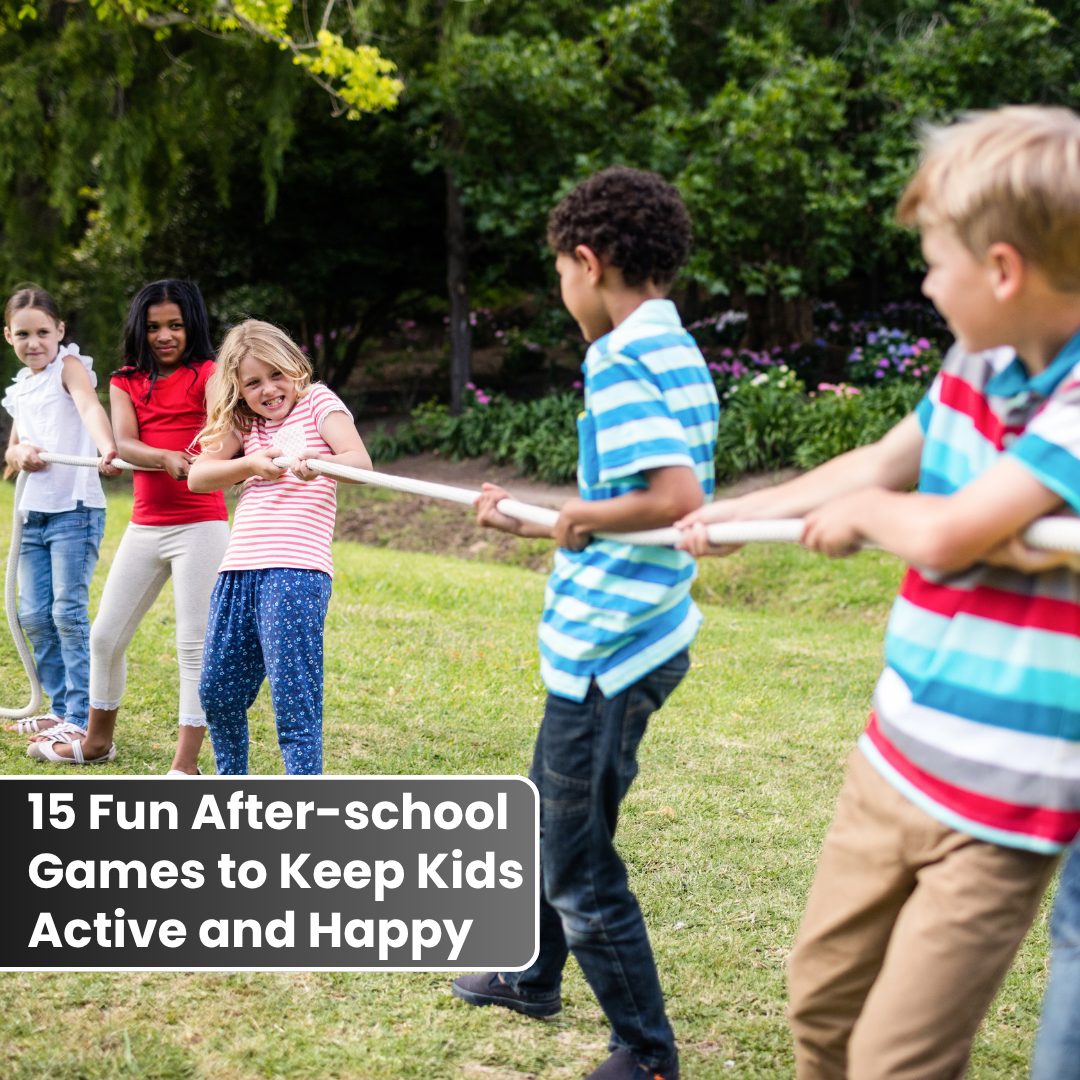
15 Fun After-school Games to Keep Kids Active and Happy
Your child has just walked through the door, school bag slung over one shoulder, and within minutes they're sitting in front of a screen. Sound familiar?
After a long day of sitting still and concentrating, most children need to move, not scroll. That's where after-school games come in. They give kids a proper outlet for all that pent-up energy, without needing expensive kit or a trip anywhere special.
This guide walks through 15 tried-and-tested after-school play ideas, grouped by what you actually need on the day, whether that's five minutes before dinner or a full hour to burn off steam.
Why After-school Games Matter?
Children spend most of the school day sitting down. By home time, they've often been asked to focus, stay quiet, and follow instructions for six hours straight. Play is the natural reset button.
Games help children shift gear. A round of freeze dance or a quick obstacle course lets them shake off the school-day stiffness and come back to themselves before homework or dinner. For families with space, even a small Soft Play Zone for Kids in the living room or playroom can serve the same purpose – a safe, cushioned area where they can climb, crawl and let off steam without the risk of bumps and bruises.
There's a physical health angle too. After-school play is one of the easiest ways to chip away at that target without it feeling like exercise. Beyond fitness, games build things you can't teach from a worksheet: negotiating turns, thinking on their feet, and laughing when they lose. A good game, or a well-used soft play zone, does more work than most parents give it credit for.
15 Fun After-school Games for Kids
These games work at home, in the garden, or in an Indoor Play Activity Are when the weather turns. Grab whichever fits your afternoon.
1. Treasure Hunt
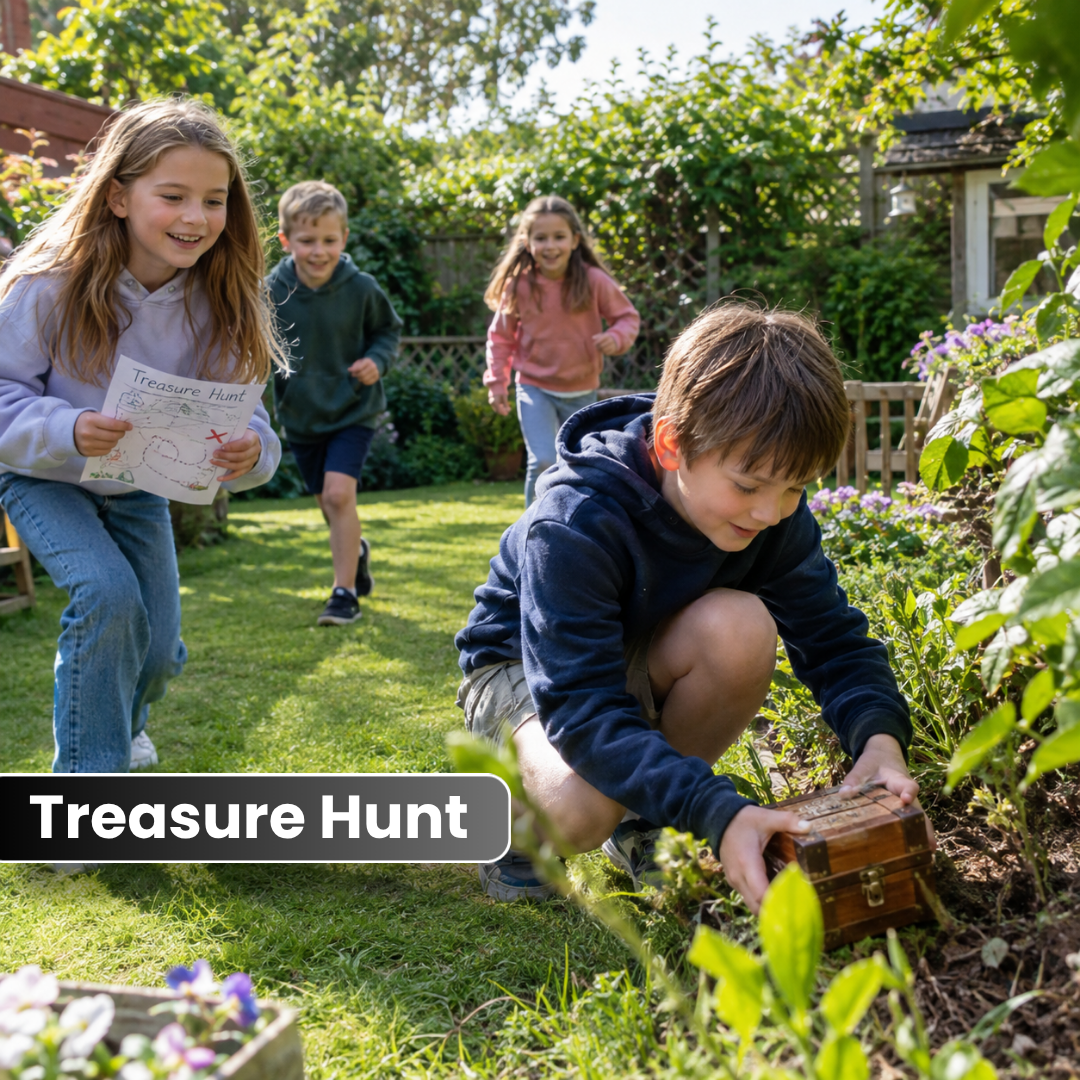
Hide a handful of small objects or written clues around the house or garden. Children search, follow leads, and piece together where the "treasure" is hidden.
It's brilliant for problem-solving, and you can scale the difficulty up or down depending on age. Younger children do well with simple picture clues, older ones enjoy riddles.
2. Obstacle Course
Cushions to crawl over, a hula hoop to jump through, a tunnel made from chairs and a blanket – that's all you need. Time each run, or just let them go round and round until they're worn out.
This one's a firm favourite because it never really gets old. Change the layout each week, and it feels brand new.
3. Freeze Dance
Put on a playlist and let them dance. When the music stops, everyone freezes mid-move. The last one to freeze or anyone who wobbles is out.
It sounds simple. It is simple. But there's something about the sudden silence that gets even reluctant dancers giggling.
4. Simon Says
The classic. "Simon says, touch your toes. Simon says, "Jump twice." Anyone who moves without hearing "Simon says" first is out.
It's a good one for mixed-age groups, since younger siblings can join in without feeling left out.
5. Balloon Volleyball
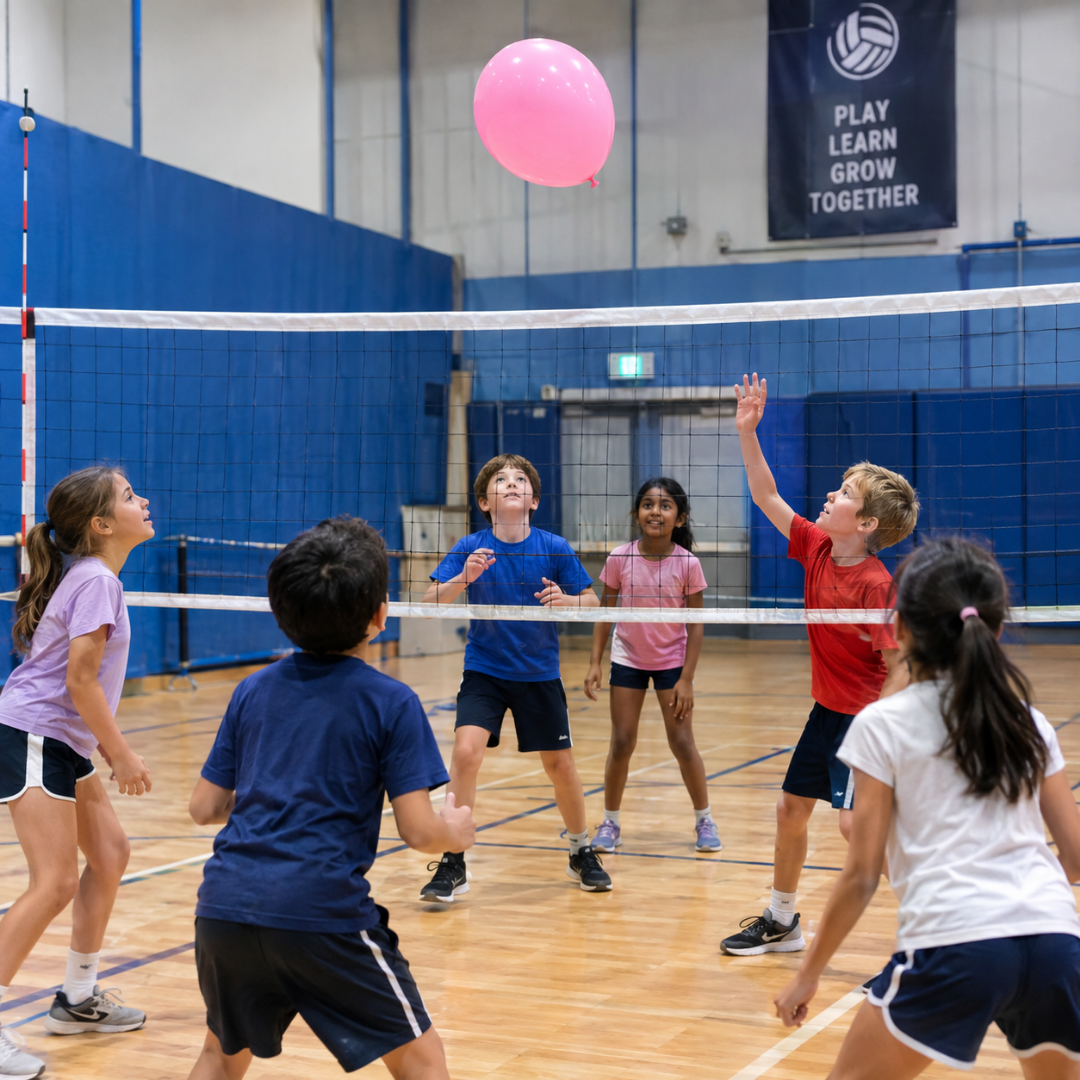
String up a line of wool between two chairs, or just agree on an invisible net. Bat a balloon back and forth without letting it touch the floor.
Balloons move slowly enough that even quite young children can join, and there's no risk of a stray ball knocking anything off a shelf.
6. Animal Charades
Whisper an animal into each child's ear and get them to act it out while everyone else guesses. No talking allowed, just movement and sound effects.
It sounds basic, but watching a six-year-old commit fully to being an elephant is genuinely one of the funnier five minutes you'll have all week.
7. Musical Statues
A close cousin of freeze dance, but with a twist: once the music stops, nobody can move a muscle, not even a wobble or a giggle. Anyone caught moving sits out.
8. Follow the Leader
One child leads with a sequence of silly movements – hopping, arm waving, and walking backwards – and everyone else copies. Swap leaders every couple of minutes so nobody hogs the spotlight.
This one quietly builds confidence in shyer children, since they get a turn to lead without it feeling forced.
9. Indoor Bowling
Line up empty plastic bottles and roll a soft ball at them. Rearrange the "pins" for different challenges, or turn it into teams for a bit of friendly competition.
10. Colour Hunt
Call out a colour, "red!" and everyone races to touch something in that shade before you count to ten. Rotate who gets to call the colour.
11. Pillowcase Sack Race
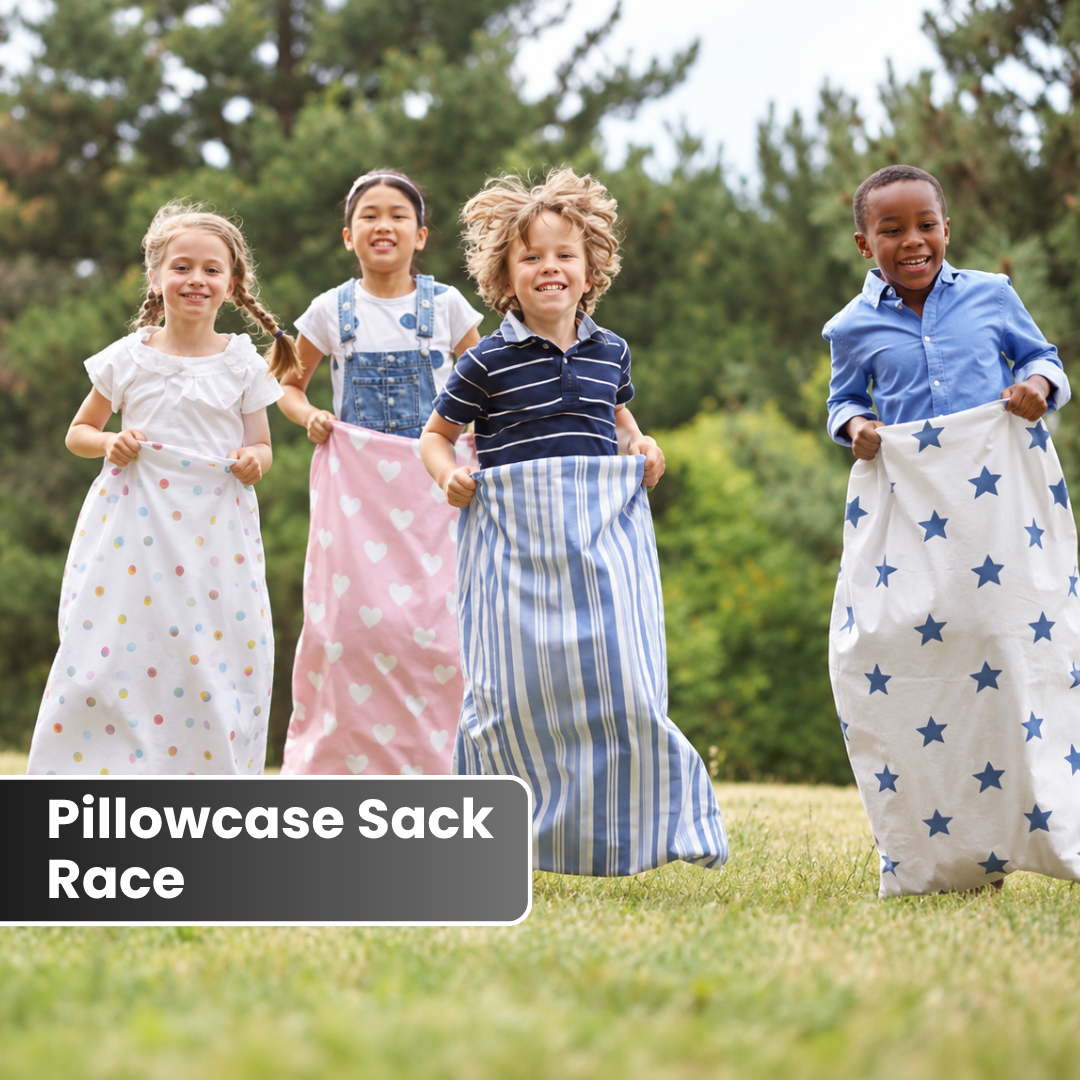
Old pillowcases work just as well as proper sacks. Mark a start and finish line, and let them hop their way down the garden or hallway.
12. Red Light, Green Light
One person calls "green light" to set everyone moving and "red light" to stop them dead. Anyone still moving on "red" goes back to the start.
It's deceptively good for teaching self-control, which is no small thing after a day of school rules.
13. Building Challenge
Hand over a box of blocks, Lego, or even cardboard boxes, and set a task: build the tallest tower, the longest bridge, or something that can hold a toy car. Give them a time limit to keep it snappy.
14. Mini Sports Challenge
Set up a few simple stations around the room or garden: throwing beanbags into a bucket, jumping between hoops, and balancing a book on their head while walking. Rotate through each one.
15. Soft Play Adventure
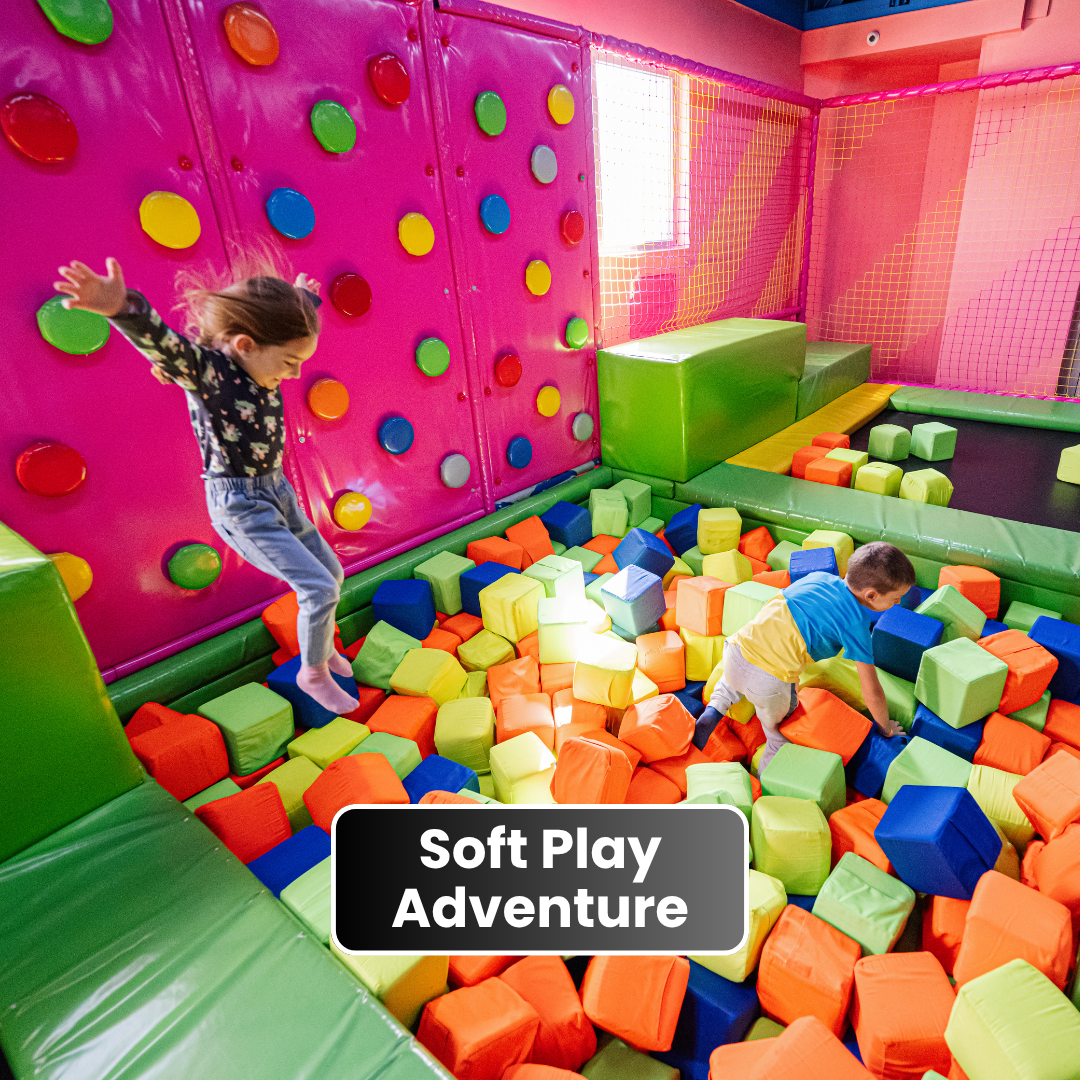
Slides, climbing frames, ball pits, and tunnels – a proper play session at Soft Play Zone in Exeter gives children the chance to explore, climb, and burn off energy in a way that's genuinely hard to replicate at home. It also throws them together with other children, which adds a social layer the home-based games can't quite match.
For more creative inspiration, check out our guide on 15 Backyard Playground Ideas. You’ll find practical and fun ideas to help you create an engaging backyard play area that encourages active play, creativity, and outdoor fun.
How to Choose the Right Game for Your Child?
Not every game suits every afternoon. A few things worth thinking about:
Age and ability. Simon Says works for a three-year-old and a nine-year-old alike. A sack race needs a bit more coordination.
Space available. A tiny flat rules out an obstacle course but leaves plenty of room for charades or a colour hunt.
Energy levels. If your child is already wired, go straight for something high-energy. If they're flagging, a quieter creative game might suit them better.
Group size. Some games, like follow the leader, work brilliantly with siblings or friends but feel flat played solo.
Let them choose sometimes. Handing over the decision, even occasionally, makes children far more invested in the game itself.
The best after-school play is one that matches a child's age, energy, and the space you've got available, while still encouraging movement and imagination.
Make After-School Play More Exciting at Soft Play
Some afternoons, home just doesn't have the space, or the weather has other ideas, which, let's be honest, happens a lot in the UK.
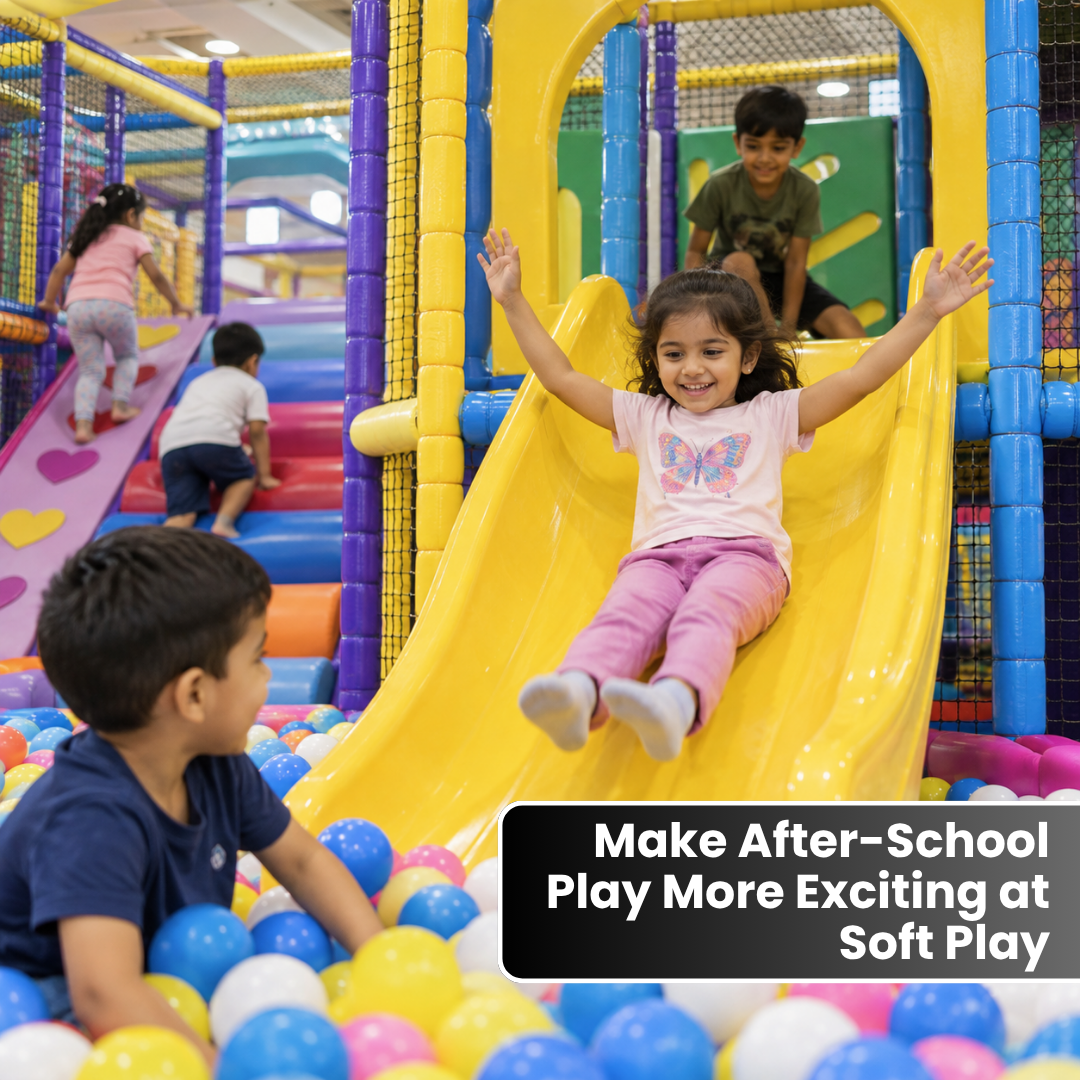
That's where an indoor soft play centre earns its keep. Climbing frames, slides and ball pits give children room to properly run around, whatever the forecast says outside. It's also a change of scene, which matters more than parents sometimes realise; the same four walls every afternoon can get a bit stale for everyone involved.
Soft play sessions at the Soft Play Zone in Newton Abbot naturally combine several of the games above. A treasure hunt works brilliantly through a soft-play maze. An obstacle course is basically what soft play equipment was built for in the first place. And because other children are usually around, games like follow the leader or animal charades often start up on their own.
Points to Remember
Children need movement after a day of sitting still at school, and games are the easiest way to provide it.
These 15 games cover everything from quiet, five-minute options to full-on energy burners.
Matching the game to your child's age, mood, and the space available makes for a smoother afternoon.
Indoor soft play or trampolining is a solid backup for rainy days or when home just doesn't have the room.
None of this needs to cost money or take much planning. A few cushions and a bit of imagination go a long way.
Conclusion
After-school time doesn't need a schedule, a shopping list, or a screen. A handful of these games, kept somewhere in the back of your mind for the trickier afternoons, can turn that post-school slump into the best part of the day. Some days it'll be five minutes of Simon Says before dinner. Other days, it'll be a full hour of climbing and sliding somewhere with a bit more room. Either way, your child gets what they actually need after school: a proper chance to move.
Looking for more space to run, climb and explore?
When the weather won't cooperate, or the living room just isn't cutting it, an indoor soft play centre like Wonderland Play gives children the room to burn off energy properly — rain or shine.
Frequently Asked Questions
-
Balloon volleyball, indoor bowling, treasure hunts, building challenges and musical statues all work well indoors. Most need little more than everyday household items to set up.
-
Start winding down at a similar time each evening, moving from active play to quiet play and then into bedtime activities like a story or gentle chat. Keep screens and exciting games out of the last half hour, and offer small choices to reduce pushback.
-
Games support physical activity, coordination and confidence, while also encouraging creativity, communication and teamwork. They're also a gentle way to cut down on screen time without a battle.
-
Yes. Age-appropriate soft play gives children a safe environment to climb, crawl, slide and interact with other children, which makes it a good after-school option, particularly on wet or cold days.
-
There's no fixed rule. It depends on the child's age, energy levels and the family's routine. The main thing is making sure playtime feels enjoyable rather than another task on the list.