
20 Natural Energy Boosting Activities to Keep Your Kids Calm and Active
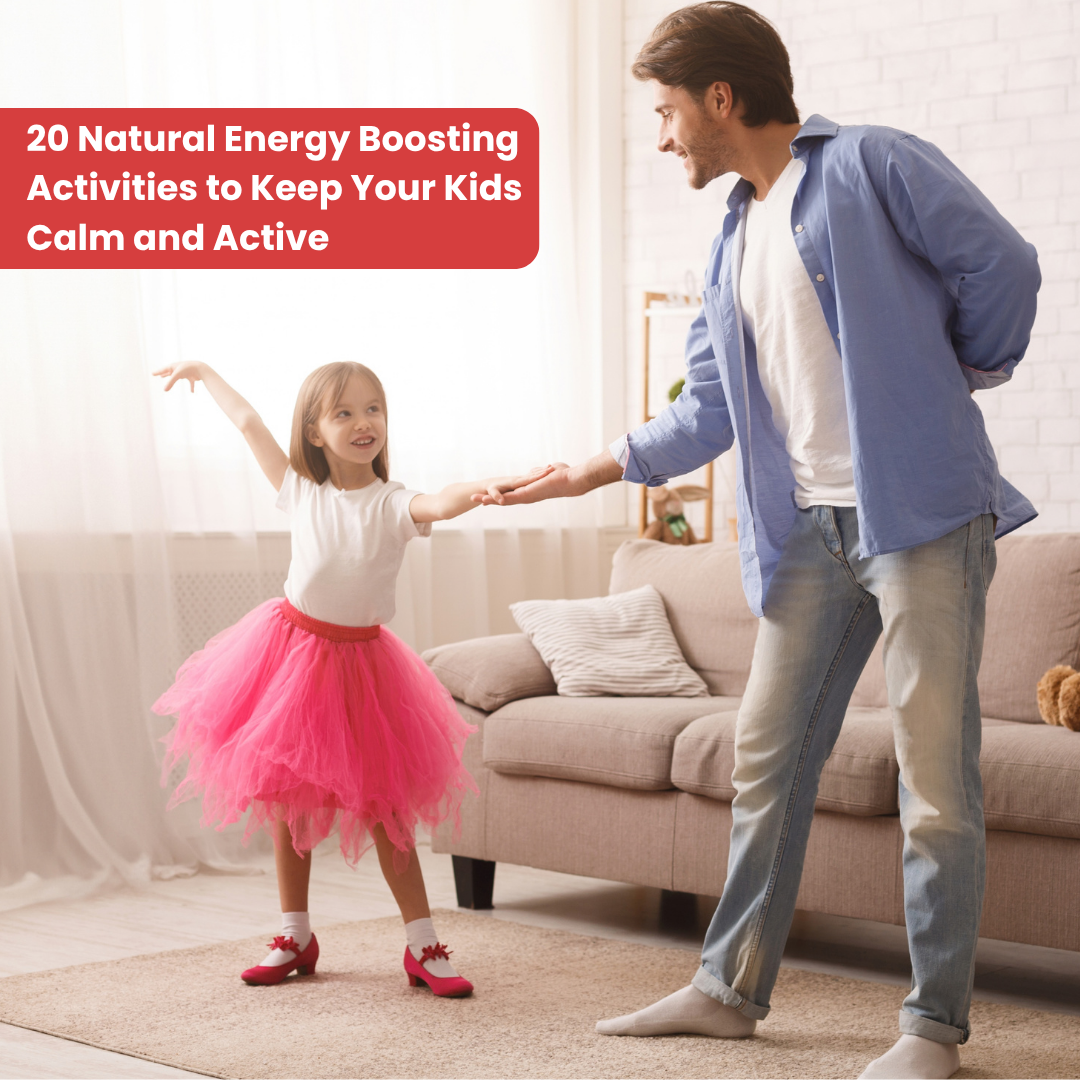
It's 4 pm, the cookies and cakes are gone, and your five-year-old is doing laps of the living room for no reason anyone can identify. Ten minutes later, they're in tears because you asked them to put their shoes on. Most parents don't need convincing that children have energy to burn. What's harder to work out is where that energy should go, and how to help a child find a natural energy boost without the day tipping into chaos.
Some activities genuinely lift a child's mood and movement. Others do something different: they help a wound-up child settle, focus, or simply catch their breath.
This guide walks through 20 simple activities that cover both ends of that spectrum, along with the everyday habits, like sleep and hydration, that quietly hold everything together. None of it requires a special kit or a spare afternoon. Just a bit of know-how about which activity suits which moment.
What Are the Best Natural Energy-Boosting Activities for Kids?
There isn't one activity that works for every child, every day. What tends to work well is having a rotation ready, some for burning off steam, some for winding down, so you're not scrambling to invent something when your child is already bouncing off the sofa.
1. Yoga for Kids
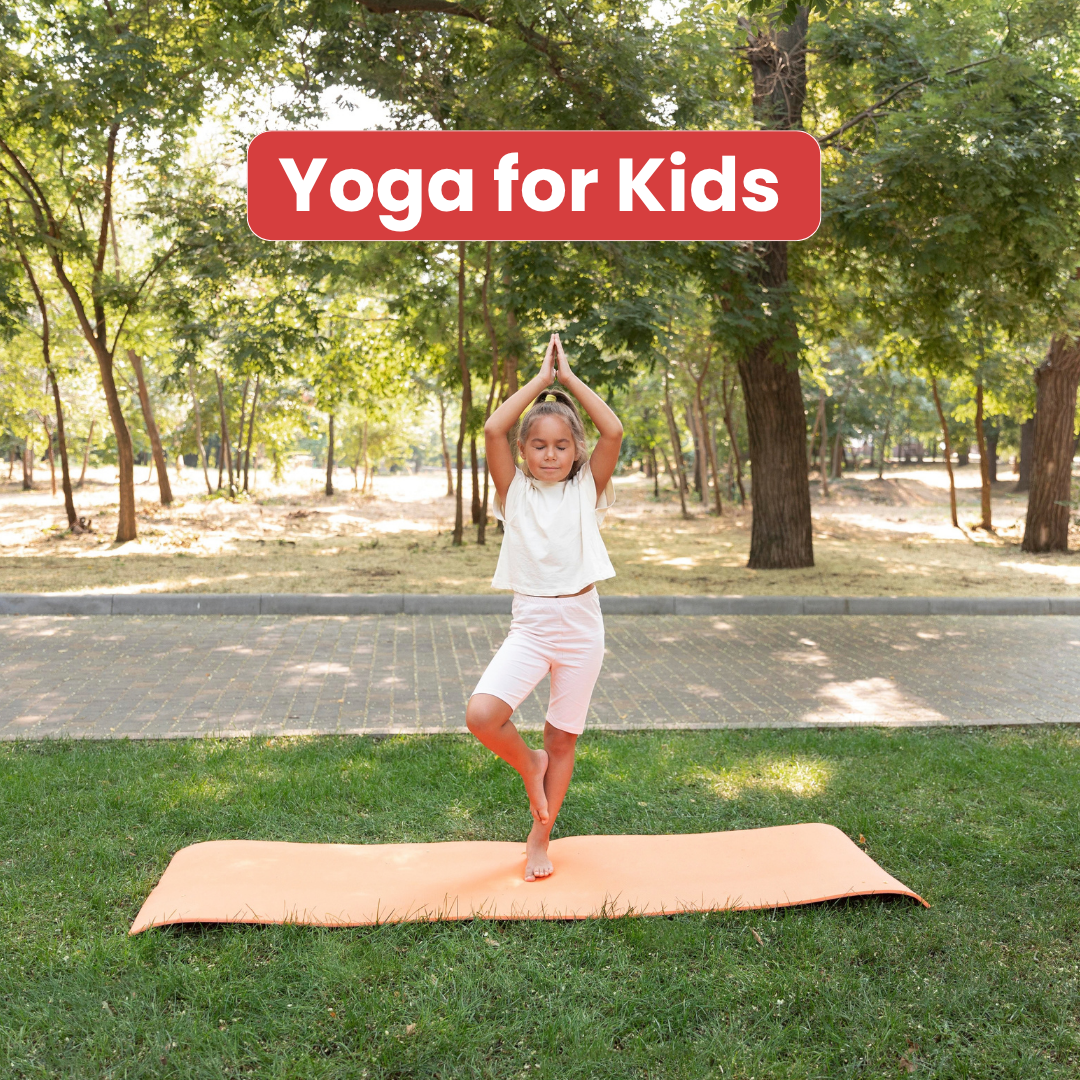
Simple poses like "tree" or "cat-cow" combine gentle movement with slower breathing, which makes yoga a nice option for the start of the day or the run-up to bedtime. Most children under seven won't hold poses for long, and that's fine. The point is the rhythm, not the precision.
2. Obstacle Courses
Cushions as stepping stones, a chair to crawl under, a taped line to balance along- an obstacle course turns your living room or garden into a mini adventure. It's one of the few activities that gets children thinking and moving at the same time, since they're constantly working out how to get from one point to the next.
3. Nature Walks
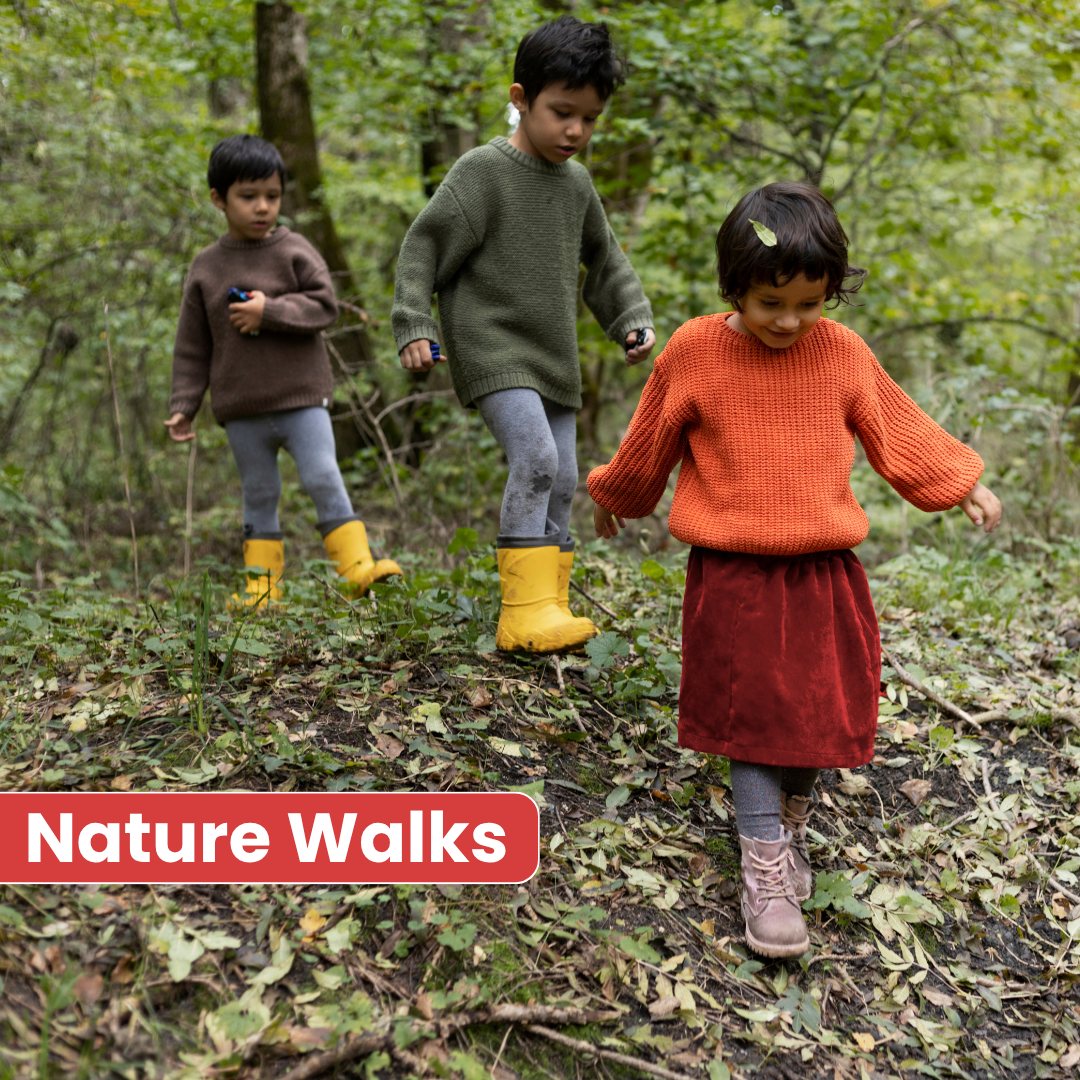
A walk through a local park or woodland makes your kid wonder about the magic of nature. Ask your child to spot three different leaves, or listen for birdsong, and the walk becomes an exercise in noticing rather than just getting from A to B.
4. Dance and Music
Put a favourite song on and let your child move however they like. Freeze dance, where the music stops and everyone has to hold still, adds a game element that most children under ten find genuinely funny.
5. Swing Time
There's something about the back-and-forth motion of a swing that children rarely tire of. It's low-effort for parents, provides plenty of physical stimulation, and works well as part of a wider trip to the park.
6. Gardening
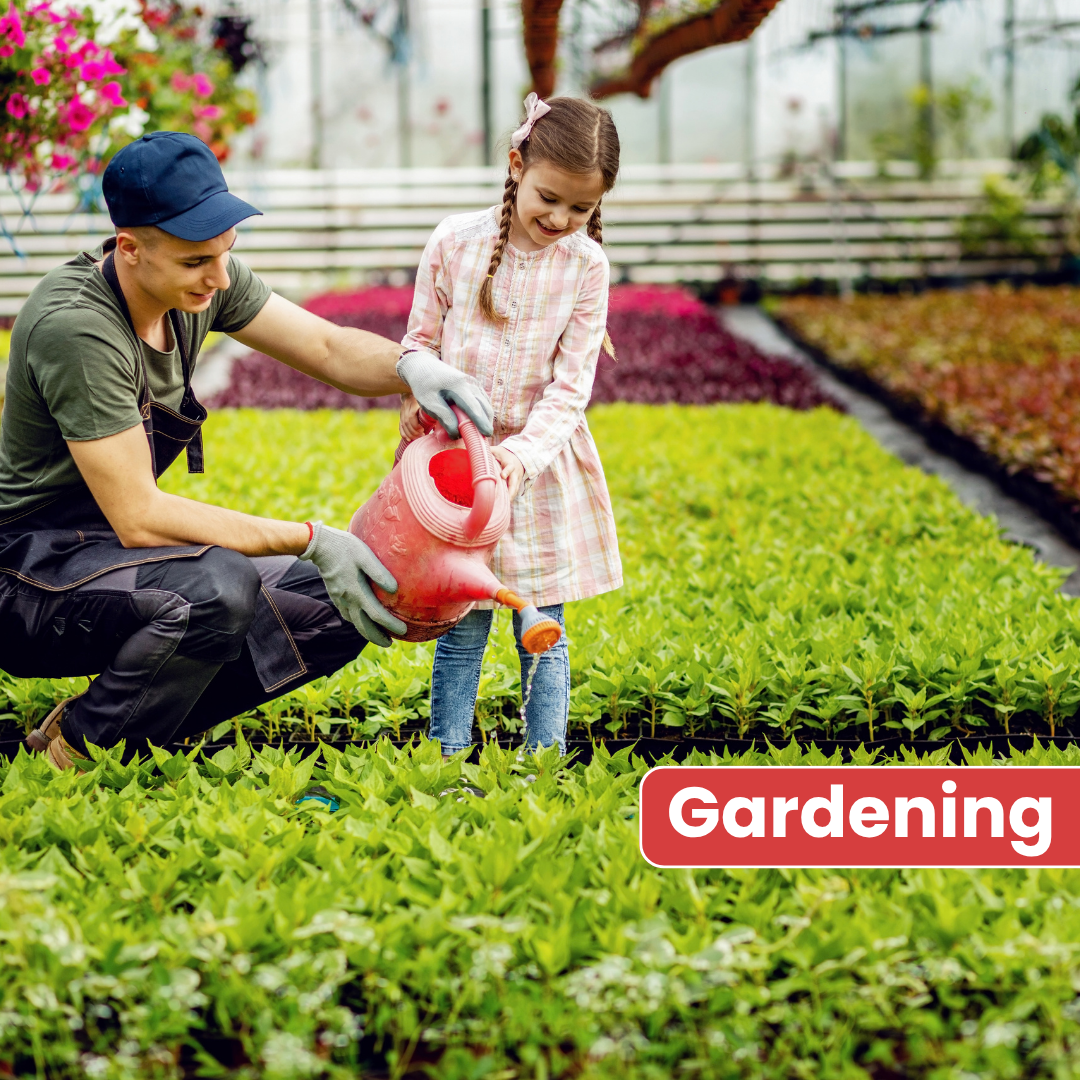
Digging holes, filling watering cans, carrying small pots, and gardening tick the movement box while teaching patience along the way. Children who wouldn't sit still for a story will often happily spend twenty minutes hunting for worms.
7. Cycling
A short cycle around the block or through a quiet park path is one of the more obvious ways to build activity into a normal week. Start with routes you know well and keep helmets on, even for the shortest rides.
8. Diaphragmatic Breathing
This is simply belly breathing. Ask your child to place a hand on their tummy and breathe so that their hand rises and falls. Three or four slow breaths together can genuinely take the edge off a meltdown before it starts.
9. Drawing and Colouring
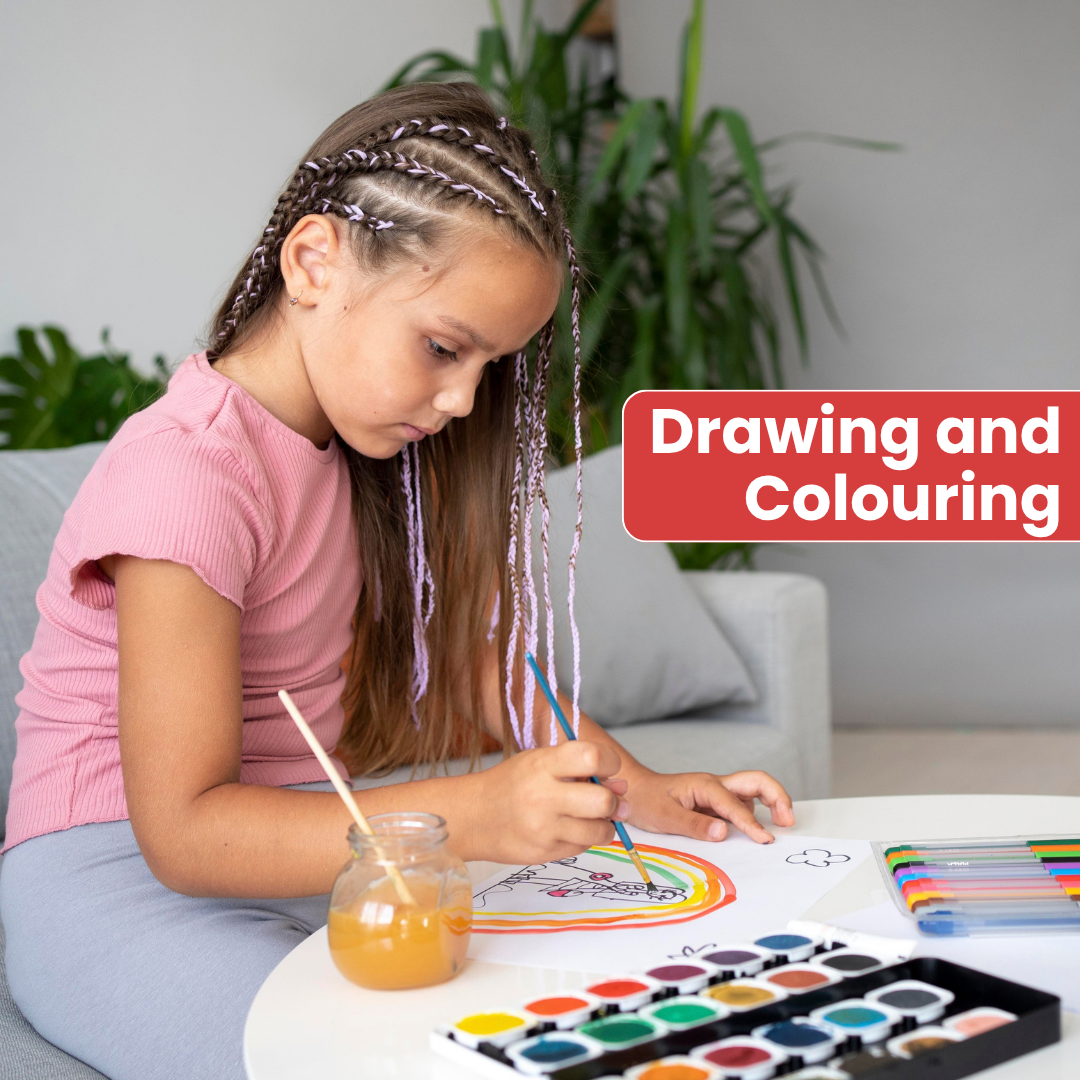
After a burst of running around, drawing gives children somewhere quieter to put their focus. It's not about artistic skill. A felt-tip and a blank page are often enough to bring a hyped-up child down a gear.
10. Gentle Stretching
A few slow stretches after running around help the body settle. Reaching for the sky, touching toes, or a gentle side-bend takes thirty seconds and signals that active time is coming to a close.
11. Sensory Play
Playdough, dry rice, sand, or a tray of water with cups and spoons gives children something to explore with their hands. Sensory play tends to slow children down naturally, since it invites focus rather than speed.
12. Pet Care

Filling a water bowl or combing a dog gives children a small job with a clear purpose. It's gentle movement, but it also builds a sense of responsibility that pure play doesn't always offer.
13. Mindful Movement Games
Slow-motion races, where everyone has to move as slowly as possible, or a game of follow-the-leader with deliberately gentle movements, bridge the gap between high energy and stillness rather neatly.
14. Card Making
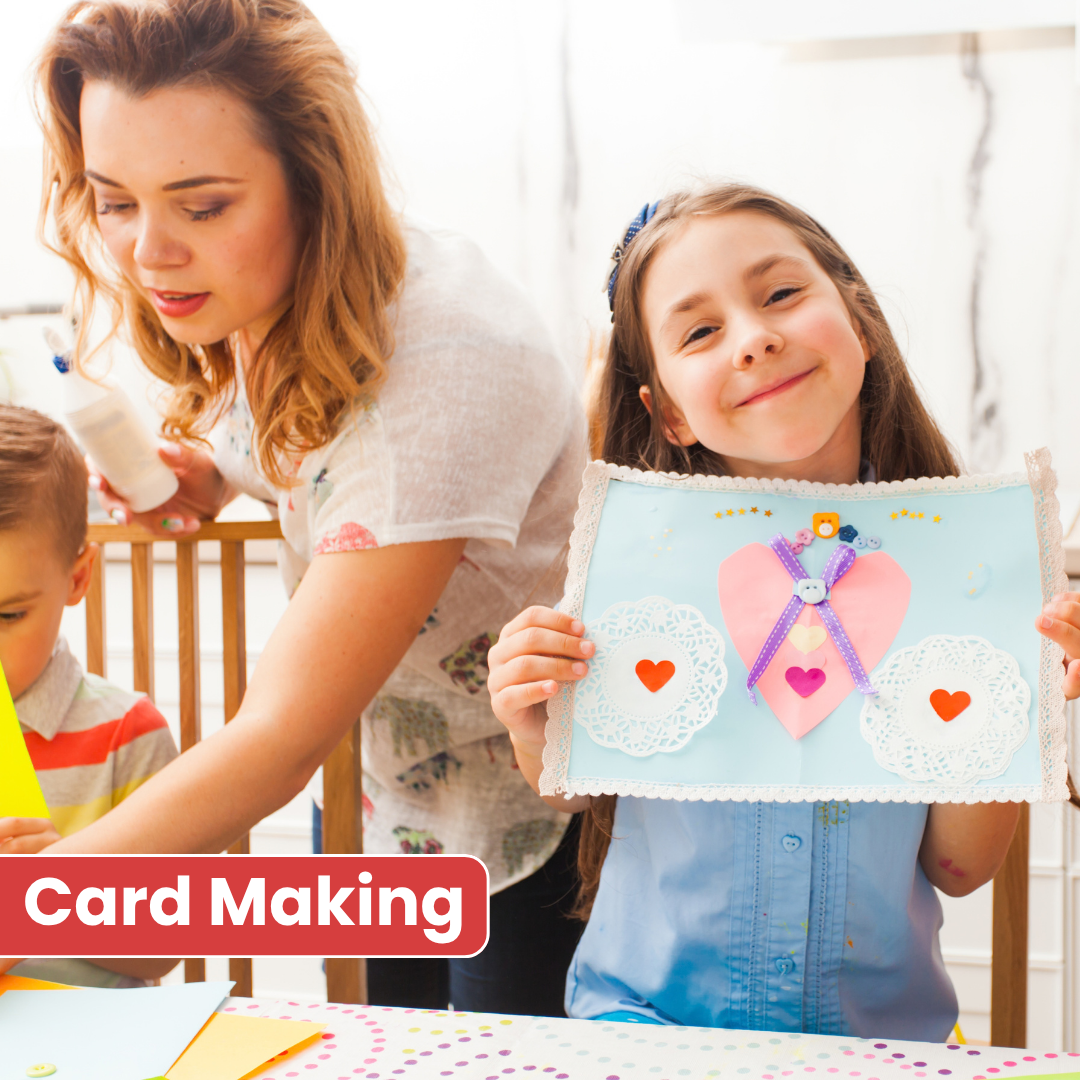
Cutting, folding, and sticking card making is a fiddly activity that demands concentration. It's ideal for a rainy afternoon when a child needs to slow down but still wants something to do with their hands.
15. Fun Physical Exercise
Skip the star jumps. Hopping between paving slabs, skipping with a rope, or seeing who can hop on one foot the longest achieves the same thing as structured exercise, without feeling like one.
16. Balanced Nutrition

Children's energy dips are often less about how much they've run around and more about what they last ate. Regular meals with a mix of protein, whole grains, fruit and vegetables tend to keep blood sugar and mood steadier through the day. No single food works miracles here, whatever the packaging claims.
17. Proper Hydration
A thirsty child often looks tired, irritable or restless rather than actually thirsty. Keeping water within easy reach, especially during active play or warm weather, is one of the simplest changes a parent can make.
18. Trampolining
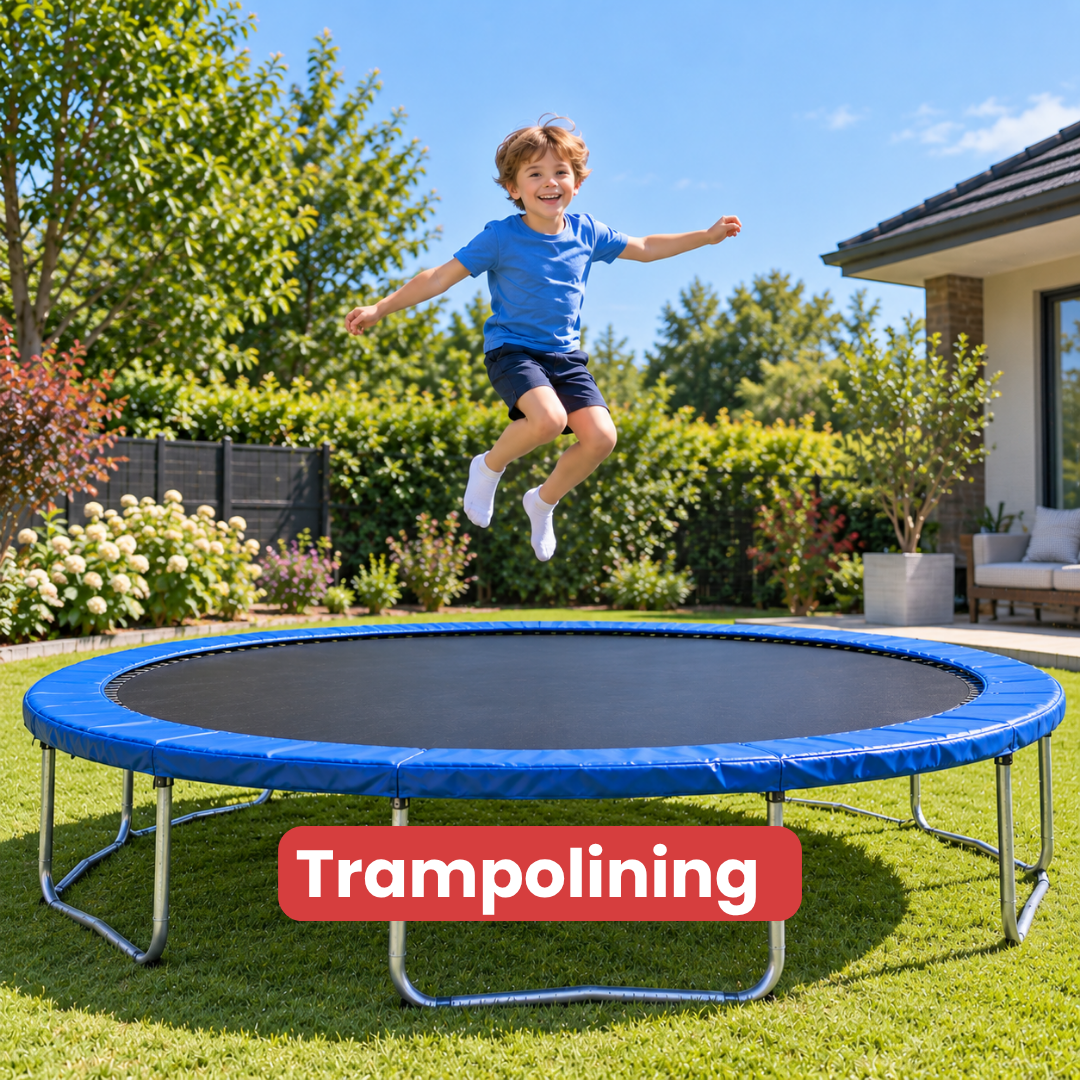
Few activities get children moving as readily as a trampoline. Bouncing works on balance and whole-body coordination, and most children need very little encouragement. Supervision and age-appropriate equipment matter here more than almost anywhere else on this list.
19. Soft Play Sessions
Indoor play activities for kids at soft play bring together climbing, crawling, sliding and balancing in one space, which is partly why they're such a reliable option on a wet weekend. Children move at their own pace, choosing what to try next, which makes soft play as much about confidence as it is about exercise.
20. Consistent Sleep Routines
None of the above works particularly well if a child isn't sleeping properly. A predictable bedtime, a wind-down routine, and consistent wake times do more for daytime energy than any activity on this list. It's the least exciting entry here, and arguably the most important.
If bedtime is often when your child's energy suddenly seems to return, a few simple calming activities can make the transition easier. From gentle movement to quiet breathing and sensory play, these 7 calm-down activities before bedtime can help create a more peaceful wind-down routine.
Why Are Natural Energy Boosting Activities Important for Children?
Movement isn't just about tiring children out before bedtime, though most parents would take that too. It's about giving developing bodies and minds the input they need to grow properly, which is why a lot of families start with a soft play zone for kids – a safer, lower-height way to build coordination and confidence.
Active Play Supports Children's Physical Development
Regular movement builds strength, balance, coordination and flexibility.
Climbing a frame or crawling through a tunnel develops gross motor skills in a way that sitting at a table never will.
Physical Activity Helps Children Manage Their Energy
Movement gives children an outlet for restlessness and breaks up long stretches of sitting.
Often reduces the kind of low-level fidgeting that builds up over a screen-heavy afternoon.
Importance of Balance for Active and Calm Activities
Constant high-energy stimulation isn't necessarily good for children, even if it feels productive.
Alternating between active bursts and calmer, quieter activities creates a rhythm to the day that most children respond well to, rather than a straight line from energetic to exhausted.
Healthy Habits Support Children's Everyday Energy
Nutrition, hydration, movement and sleep work together rather than separately.
A child who eats well but sleeps badly will still struggle.
Get all four broadly right, and the difference in mood and energy is usually noticeable within days.
How Does Soft Play Keep Your Kids Active and Calm?
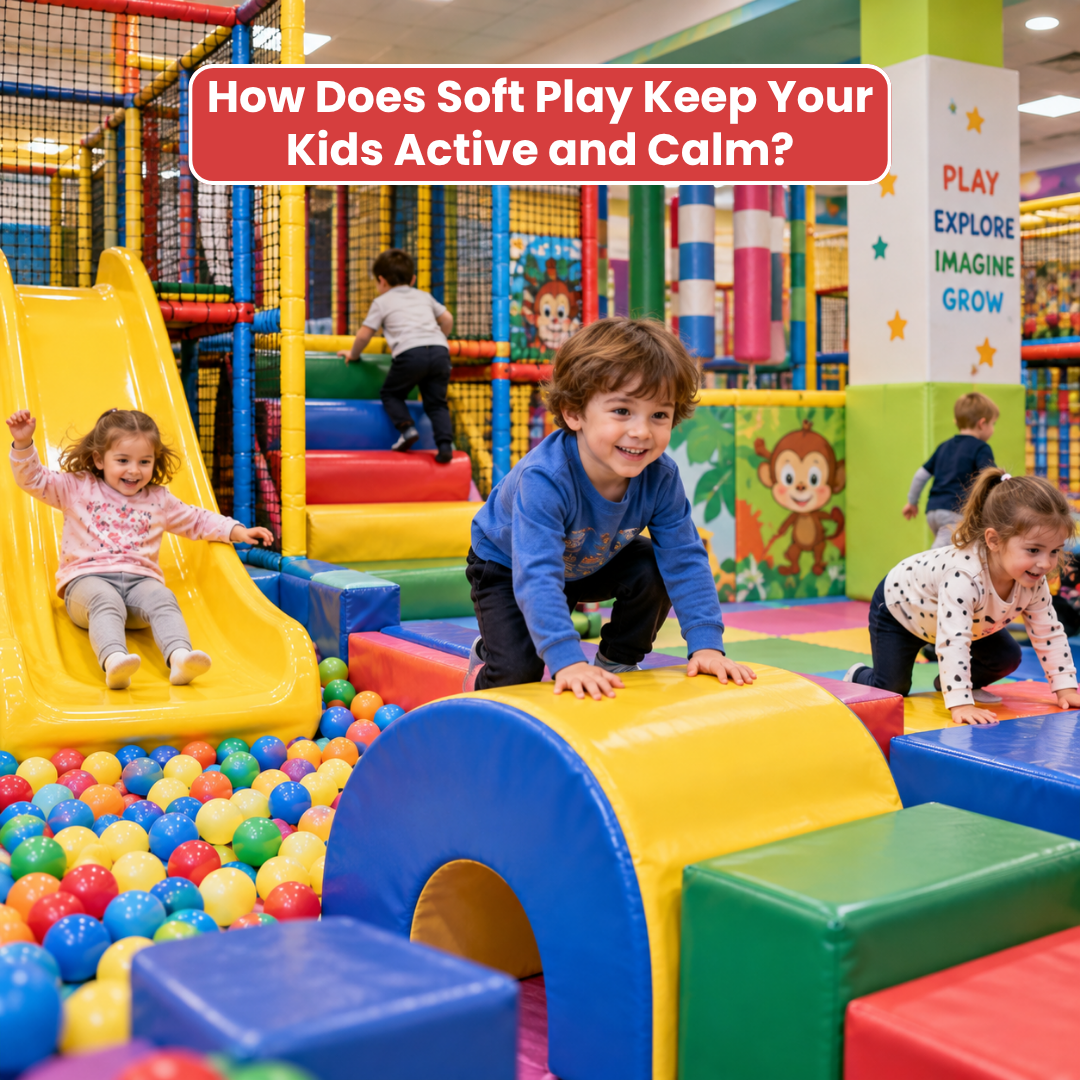
The soft play zone in Exeter gets a lot of credit for keeping children entertained on a rainy day, but there's more going on underneath that.
1. Soft Play Encourages Physical Activity
Climbing frames, ball pits, slides and crawl tunnels give children constant reasons to move, without any of it feeling like exercise. A child might cover more ground in an hour of soft play than in an entire structured PE lesson.
2. Soft Play Supports Balance and Coordination
Navigating netting, ramps, and uneven surfaces asks a child's body to constantly adjust. Over repeated visits, most children get noticeably steadier on their feet and more confident tackling new equipment.
3. Soft Play Supports Social and Emotional Development
A soft play zone in Newton Abbot is often where children practise skills that don't come up much at home: waiting their turn for the slide, sharing space in a ball pit, deciding independently what to try next. Confidence tends to build quietly here, session by session.
It offers variety that a single activity at home can't match, and it comes into its own precisely when the British weather goes unpredictable. Climbing, sliding, crawling and pretend play all happen in the same space, so children rarely run out of things to try.
Conclusion
There's no perfect formula here, and any parent who tells you otherwise probably hasn't met your particular child. What tends to work, in our experience, is variety: a mix of proper movement, quieter creative time, and the basic habits around food, water and sleep that rarely get the credit they deserve.
Let your child lead where you can. A five-year-old who chooses the ball pit over the balance beam is still moving, still developing, still having a good afternoon. On the days when the rain won't let up, and the garden's out of the question, a trampoline session or a couple of hours at soft play can cover a surprising amount of ground, physically and socially, in one go.
Ready to let your child bounce, climb and explore somewhere built for exactly that? Wonderland Play Zone offers soft play and trampolining sessions designed to give kids a proper, natural energy outlet, whatever the weather's doing outside.
Frequently Asked Questions
-
A mix of physical activity, outdoor play, balanced meals, regular water and enough sleep supports healthy energy levels in most children. Activities like cycling, dancing, trampolining and soft play makes movement enjoyable rather than a chore, while good routines around food and rest keep energy steadier through the day.
-
Keep it playful rather than structured. Dancing, obstacle courses, gardening and soft play all get children moving without ever being labelled as exercise. Children are far more likely to keep going with an activity they've chosen than one that's been set as a task.
-
Yes. Climbing, crawling, balancing and jumping across different play structures build gross motor skills, coordination and body awareness. Children also tend to gain confidence quickly, since soft play lets them choose their own pace and level of challenge.
-
Follow their interests rather than a set plan. A child who loves music will move more through dancing than through any formal activity. Keep sessions short, celebrate effort rather than performance, and let enthusiasm build naturally over time.
-
Constant high energy isn't restful, even when it looks like fun. Calmer activities give children a chance to process the day, settle their emotions and prepare for rest. Balancing the two tends to produce steadier moods than nonstop stimulation.