
How Can Soft Play Sessions Support Autistic Children?
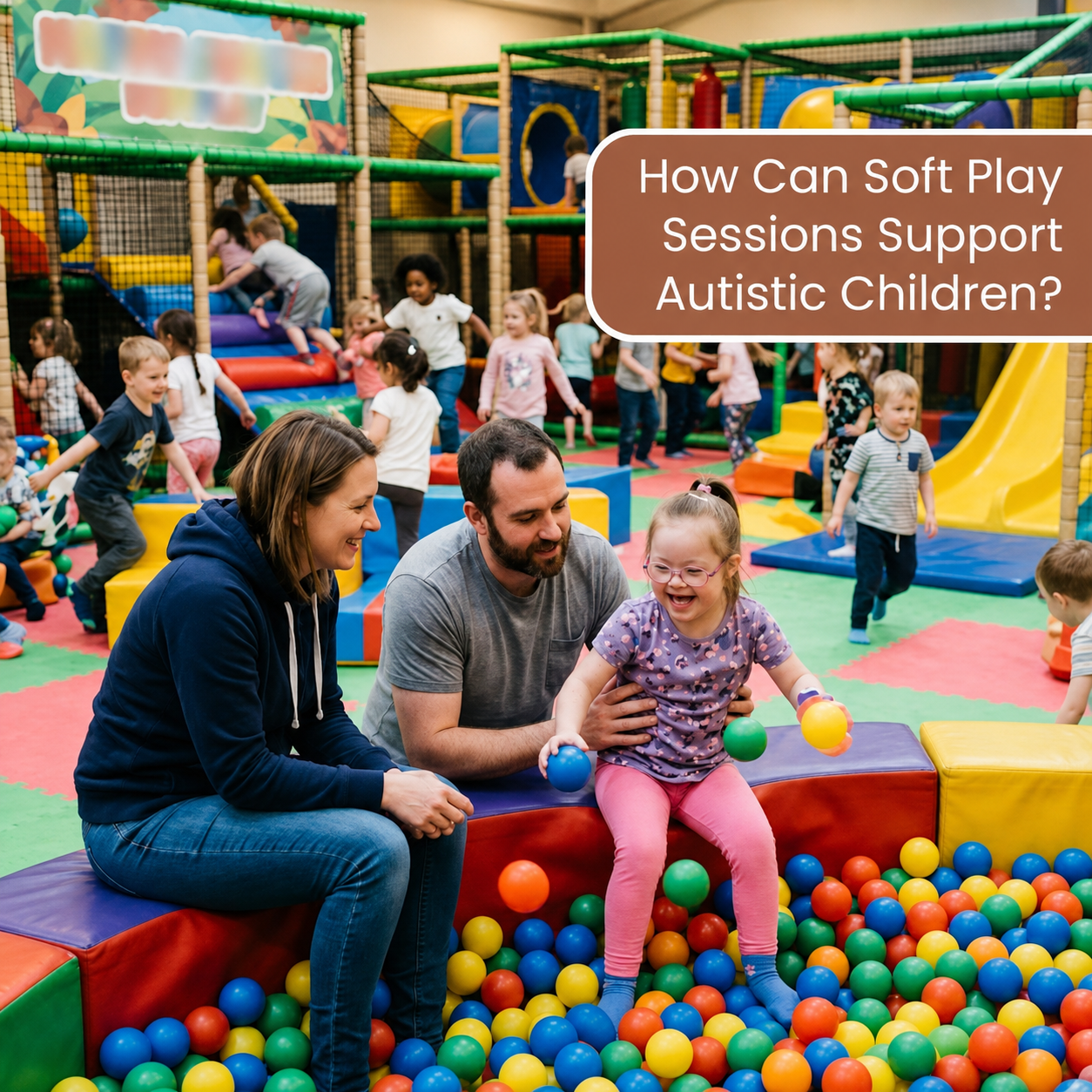
Play helps children learn, grow, and build important life skills, but not every play environment suits every child. For many autistic children, loud noises, bright lights, and crowded spaces can feel irritating, making it difficult to fully enjoy the benefits of play. This can sometimes prevent them from engaging confidently with new activities and social experiences.
Sensory-friendly soft play sessions for special kids offer a more comfortable alternative. By creating a calmer, more supportive environment, these sessions allow children to explore, play, and develop at their own pace. They can help improve physical abilities, encourage social interaction, and build confidence in a setting that feels safe and welcoming.
In this article, we will explore why play is important for autistic children, what makes special soft play sessions different, and how Wonderland Play is helping families access inclusive and enjoyable play experiences.
Why Is Play Important for Autistic Children?
Play is an essential part of childhood development, and for autistic children, it offers meaningful opportunities to learn, grow, and express themselves in a natural way.
Supporting Physical Development
Play helps children build strength, coordination, balance, and motor skills through active movement and exploration. It encourages healthy physical development in a way that feels fun rather than structured or forced.
Encouraging Social Interaction
Through play, children learn to interact with others, share space, and understand social cues in a comfortable setting. These experiences can gradually help improve communication and relationship-building skills.
Building Confidence and Independence
Every new activity a child explores successfully helps build self-belief and confidence. Over time, this encourages greater independence and a willingness to try new experiences.
Supporting Sensory Regulation
Play can help children manage sensory input by giving them controlled and enjoyable ways to explore different textures, sounds, and movements. This can improve emotional regulation and reduce feelings of overwhelm.
Enhancing Communication Skills
Interactive play often encourages children to express needs, make choices, and respond to others. This can support both verbal and non-verbal communication development.
Encouraging Emotional Expression
Play provides a safe outlet for children to express emotions such as excitement, curiosity, or frustration. This helps them understand and manage their feelings more effectively.
While all play has value, sensory-friendly sessions provide additional support that can make participation easier and more enjoyable.
What Makes Soft Play Sessions Different?
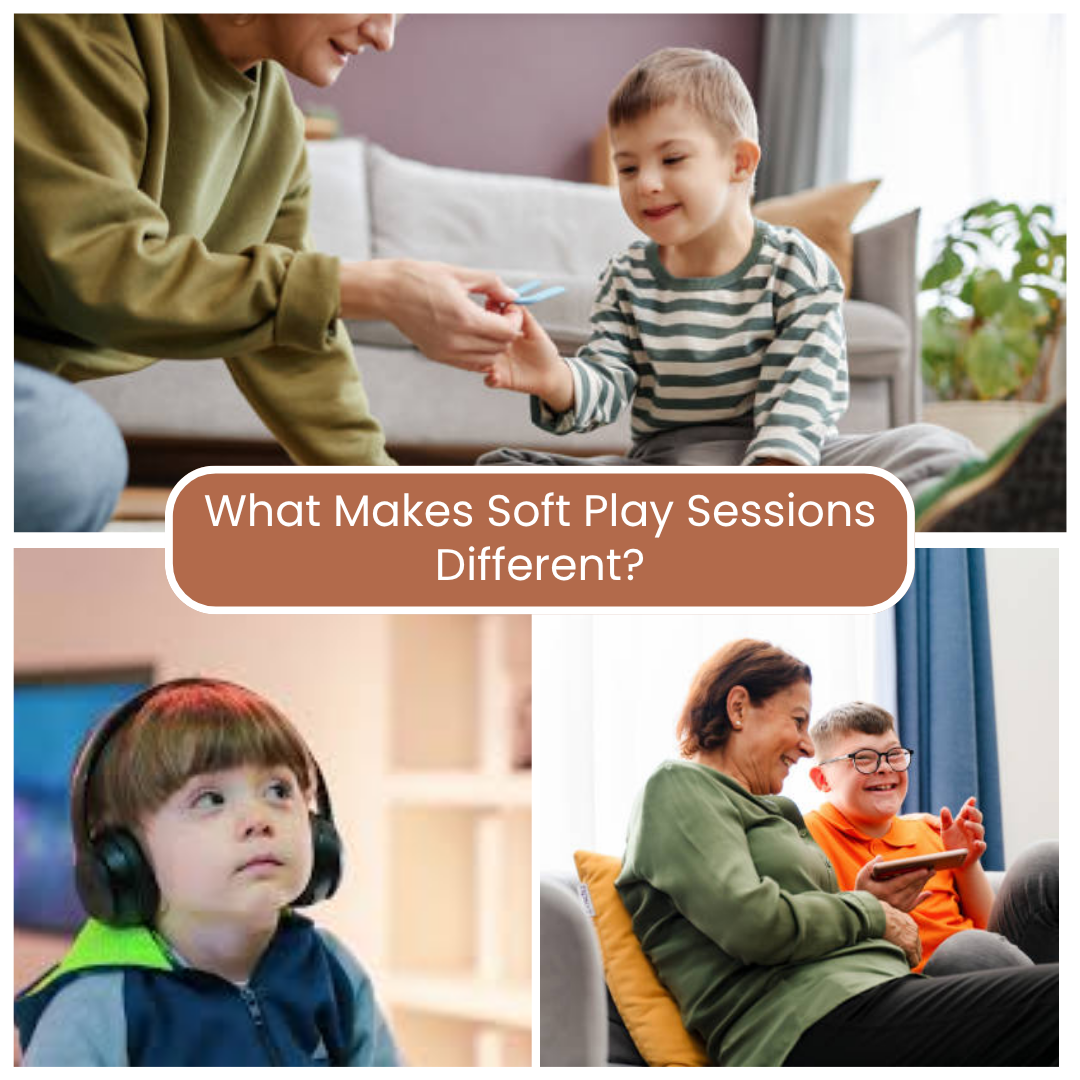
Special soft play sessions in a soft play zone are designed to create a more comfortable, inclusive, and supportive environment for autistic children and those with additional sensory needs.
1. Reduced Noise and Sensory Stimulation
Many children with sensory sensitivities can feel irritated by loud sounds, bright lights, and busy surroundings. These sessions reduce noise levels and create a calmer atmosphere. This helps children feel more relaxed, allowing them to explore and enjoy play at their own pace.
Along with sensory control, space and crowd levels also make a big difference.
2. Smaller Group Sizes
Limiting the number of attendees helps create a quieter and more manageable environment. Children can move around more freely without feeling crowded. This also means less waiting time for equipment and fewer devastating interactions.
Beyond space, the overall approach of the session matters too.
3. A More Relaxed and Supportive Environment
These sessions are designed to be flexible, understanding, and family-friendly. Parents feel less pressure, and children are encouraged to engage in their own way. Whether they want to explore actively or observe first, every child is supported without judgment.
Another important difference is how activities are adapted.
4. Flexible Participation Options
Children are never forced to join in activities and can take part whenever they feel ready. This flexibility helps reduce anxiety and builds confidence over time.
Staff support also plays a key role in shaping the experience.
5. Trained and Understanding Staff
Staff members are often trained to understand sensory needs and different communication styles. This helps them respond calmly and appropriately to each child’s behaviour.
Together, these elements create a more meaningful play experience for families.
6. Encouraging Confidence and Independence
Indoor function activities for special kids help children gradually build confidence in social and physical activities. Over time, this can support independence and positive development.
Parents can further enhance these experiences by preparing their children beforehand.
How Can Parents Prepare for a Special Soft Play Session?
A little preparation can help autistic children feel more relaxed and confident before attending a sensory-friendly soft play session. Simple steps before the visit can make the experience more enjoyable for both children and parents.
1. Bringing Comfort Items
Favourite toys, sensory aids, blankets, or other familiar items can provide reassurance in a new environment. These comfort items can help children feel safe and settled throughout the session.
2. Choosing the Right Time of Day
Try to attend when your child is well-rested and comfortable. Avoiding times when they may be tired or hungry can help create a more positive experience.
3. Discussing Any Concerns in Advance
Talk openly with your child about what they can expect during the session. Answering questions beforehand can help reduce anxiety and make them feel more prepared.
4. Informing Staff About Specific Needs
Sharing information about sensory sensitivities, communication preferences, or other individual needs allows staff to provide better support during the visit.
5. Planning for Breaks
Some children may benefit from short breaks away from activities. Having the flexibility to pause and recharge can help prevent overstimulation and keep the experience enjoyable.
By preparing in advance and supporting your child's individual needs, you can help them feel more comfortable, confident, and ready to enjoy all the benefits of a special soft play session.
Many organisations now recognise the importance of inclusive play opportunities, including Wonderland Play.
How Is Wonderland Play Helping Autistic Children?
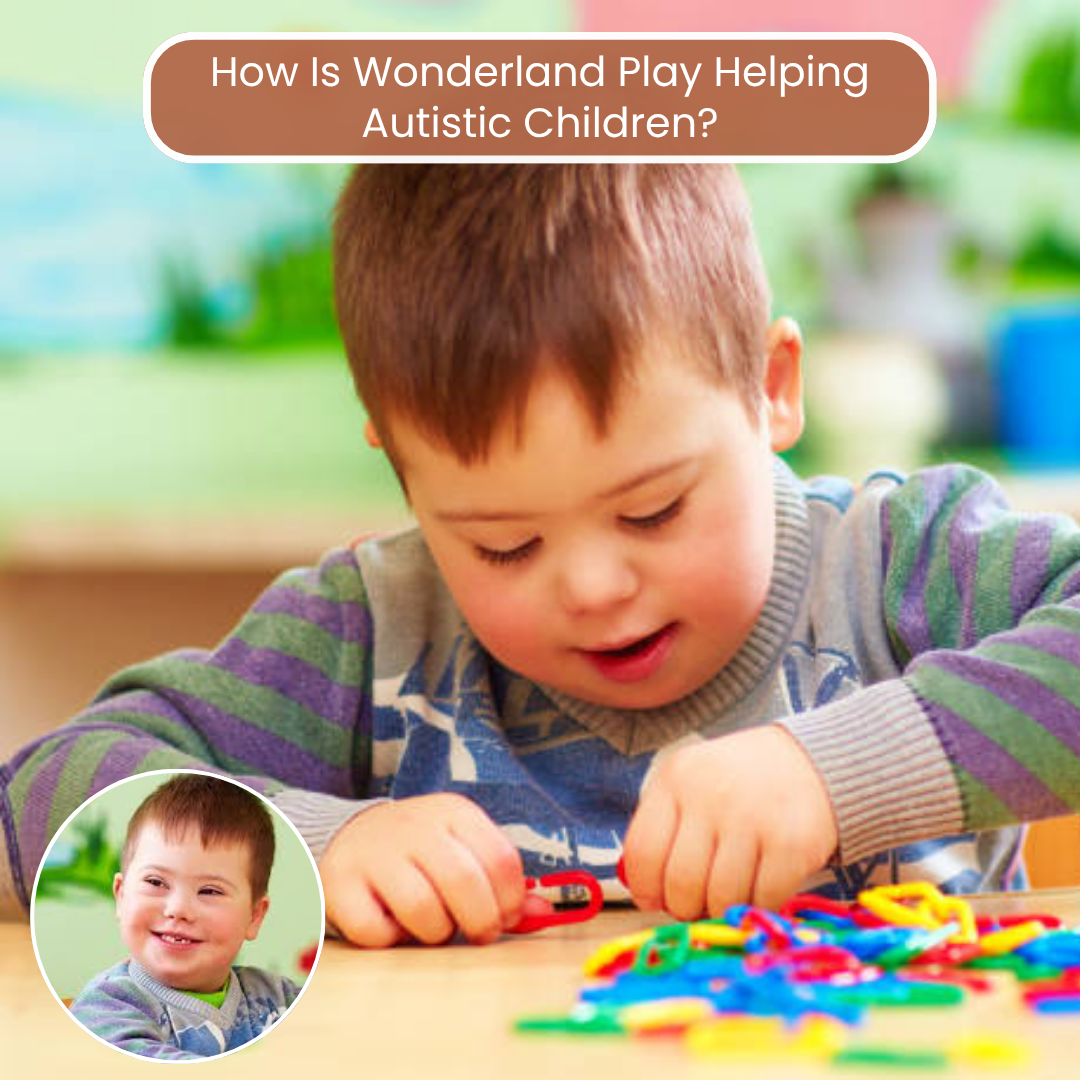
Wonderland Play zone is committed to creating an inclusive environment where autistic children can enjoy play in a way that feels comfortable, supportive, and enjoyable. Through dedicated initiatives and sensory-friendly experiences, the play centre helps children and families make the most of every visit.
1. Organising Special Soft Play Sessions: Soft play zone in Newton Abbot hosts dedicated sessions designed specifically for autistic children.
2. Creating a Safe and Welcoming Environment: Children can play, explore, and interact in a space that feels secure and supportive.
3. Reducing Sensory Overload: Calmer sessions help minimize exhausting sights, sounds, and distractions.
4. Encouraging Social Interaction: Children can build friendships and communication skills in a relaxed setting.
5. Building Confidence Through Play: Play activities encourage children to try new experiences at their own pace.
6. Supporting Physical Development: Soft play equipment helps improve balance, coordination, and movement skills.
7. Promoting Family Inclusion: Families can enjoy quality time together in an environment designed for their needs.
8. Providing Accessible Play Opportunities:soft play zone in Exeterensures more children can experience the benefits and joy of play.
These thoughtful initiatives demonstrate how sensory-friendly play can support autistic children while creating positive experiences for the whole family.
Conclusion
Soft play sessions can provide valuable opportunities for autistic children to develop physically, socially, and emotionally in a supportive environment. By reducing sensory challenges, limiting group sizes, and creating a more understanding atmosphere, these sessions help children engage in play with greater comfort and confidence.
Parents can further support their child's experience through preparation, flexibility, and encouragement. When children feel safe and understood, they are more likely to explore, learn, and enjoy the many benefits that play offers. Play not only helps children grow, but also encourages open communication and positive social connections.
Organisations such as Wonderland Play continue to make a positive difference by creating inclusive experiences that celebrate every child's unique needs. Through thoughtful, sensory-friendly play opportunities, autistic children can build skills, gain independence, and create happy memories that support their long-term development.
Frequently Asked Questions
-
A sensory-friendly soft play session is a specially designed play session that reduces sensory stimulation through quieter environments, controlled lighting, and smaller group sizes. These sessions aim to create a more comfortable experience for autistic children and those with sensory sensitivities.
-
No. While these sessions are often designed with autistic children in mind, they may also benefit children with sensory processing differences, additional needs, or those who simply prefer quieter play environments.
-
Children may benefit from bringing familiar comfort items such as favourite toys, sensory aids, headphones, blankets, or other objects that help them feel secure and relaxed.
-
Yes. Parents and carers are typically encouraged to remain with their children, offering support and reassurance while helping them engage comfortably with the environment.
-
Soft play sessions allow children to explore new activities, make independent choices, develop physical skills, and experience success in a supportive setting. These positive experiences can strengthen self-confidence and encourage greater independence over time.