
How to Help Your Child with ADHD Focus Better at School?

Does your child struggle to stay focused in class, follow instructions, or complete schoolwork without getting distracted? These challenges are common for children with ADHD and can often leave parents wondering how best to support their learning.
While ADHD can affect attention, organisation, and self-control, the right strategies can make a meaningful difference. Simple changes such as creating routines, encouraging physical activity, and providing soft play opportunities can help children improve focus and feel more confident at school.
In this guide, we will explore practical ways to help your child with ADHD focus better in school and explain how active play environments like Soft Play Zone can support their overall development.
Understanding ADHD and Its Impact on Learning
Attention Deficit Hyperactivity Disorder (ADHD) is a neurodevelopmental condition that affects how the brain regulates attention, behaviour, and self-control. It is one of the most common childhood conditions and can influence a child's ability to focus, stay organised, manage emotions, and complete tasks. While ADHD does not affect intelligence, it can make learning and classroom participation more challenging without the right support.
ADHD affects every child differently. Some children may struggle primarily with inattention, while others experience hyperactivity, impulsivity, or a combination of both. These challenges can impact academic performance, social interactions, and daily routines both at school and at home.
Common learning challenges associated with ADHD include:
Difficulty concentrating on tasks for extended periods
Trouble following multi-step instructions
Challenges with organisation and time management
Increased impulsivity and restlessness
Difficulty sitting still during lessons
Forgetfulness when completing assignments
Struggles with transitioning between activities
Understanding these challenges is the first step towards providing meaningful support at home and in school. With appropriate strategies, encouragement, and a supportive learning environment, children with ADHD can build confidence, develop important skills, and thrive academically and socially.
25 Ways to Help Your Child with ADHD Focus Better in School
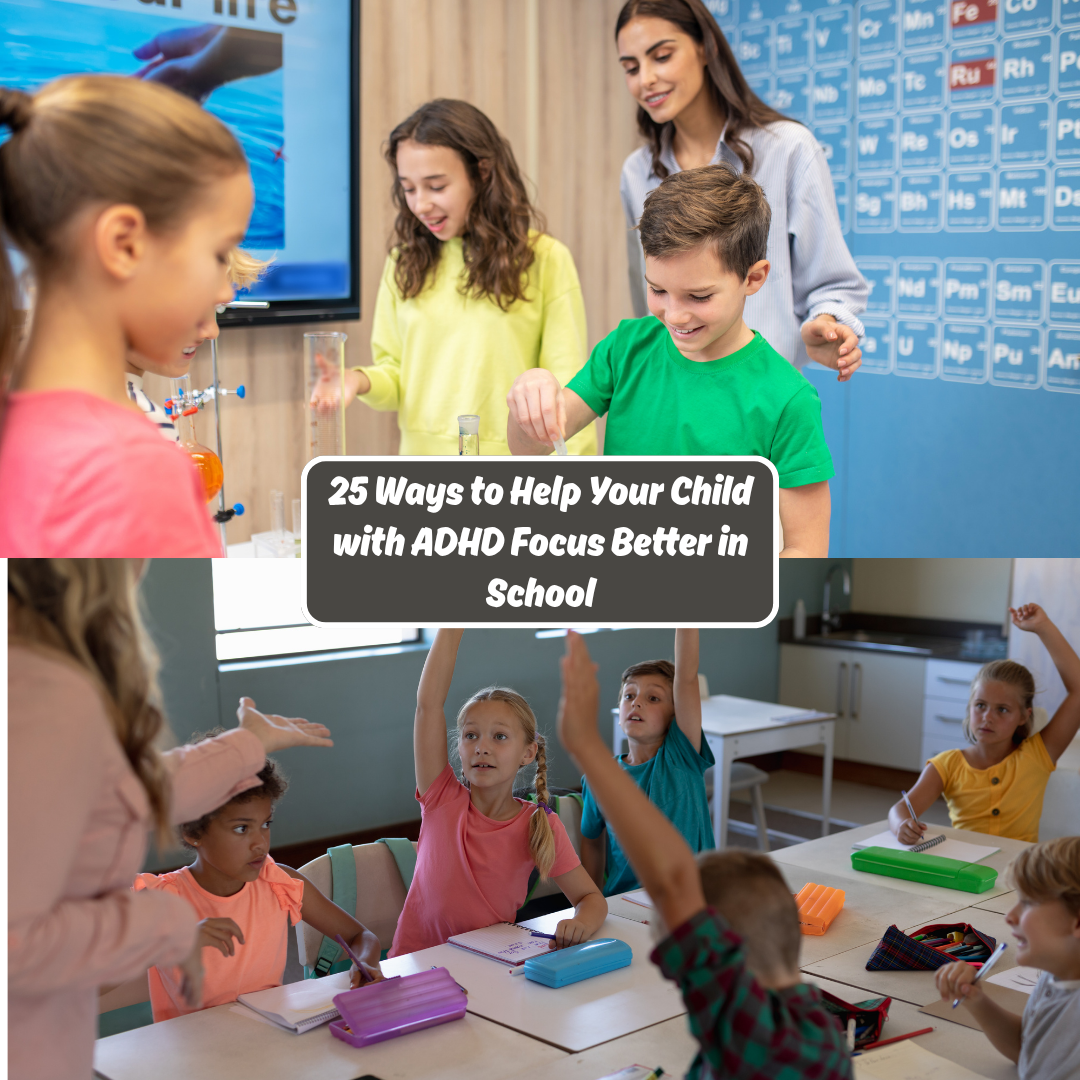
Helping a child with ADHD succeed at school often requires a combination of structure, movement, encouragement, and practical support. Small changes in daily habits can significantly improve concentration, organisation, and learning outcomes.
Let's explore some effective strategies that can help your child stay focused and confident throughout the school day.
Create Consistent Daily Routines
Children with ADHD thrive when they know what to expect. Consistent routines reduce uncertainty, improve organisation, and help children transition more smoothly between activities.
1. Establish Predictable Morning and Evening Schedules
A structured start and end to the day can help children feel organised and prepared for school responsibilities. Predictable routines also reduce stress and make daily tasks easier to manage.
2. Use Visual Timetables and Checklists
Visual reminders help children follow routines independently and reduce the likelihood of forgetting important tasks. They also provide a clear sense of progress throughout the day.
3. Break Tasks into Smaller, Manageable Steps
Dividing larger tasks into smaller actions makes activities feel less overwhelming and easier to complete. This approach helps children stay motivated and focused until the task is finished.
4. Set Regular Times for Homework and Study
Consistent study times help build positive habits and make focusing on schoolwork part of the daily routine. Children are often more productive when learning becomes predictable.
5. Prepare for the Next Day in Advance
Packing school bags, organising clothes, and reviewing schedules the night before can reduce morning stress. Being prepared also helps children start the day with greater confidence.
Once a solid routine is in place, physical activity can further support attention and learning.
Encourage Physical Activity Before and After School
Physical activity helps children with ADHD channel energy positively while improving concentration and emotional regulation. Regular movement can also prepare the brain for learning and reduce restlessness throughout the day.
6. How Movement Supports Attention and Learning
Exercise increases blood flow to the brain, helping improve focus, memory, and cognitive performance. Even short periods of activity can help children feel more alert and ready to learn.
7. Why Active Play Helps Children Release Excess Energy
Running, jumping, and climbing provide healthy outlets for excess energy that may otherwise affect classroom behaviour. IndoorPlay Session for kids can also improve mood and emotional well-being.
8. Choose Activities Your Child Enjoys
Children are more likely to stay active when they participate in activities they genuinely find fun and engaging. Enjoyable activities encourage consistency and long-term participation.
9. Include Outdoor Play Whenever Possible
Outdoor environments offer space for movement while providing sensory experiences that support well-being. Fresh air and natural surroundings can also help children feel calmer and more focused.
10. Consider Activities Like Trampolining and Obstacle Courses
These activities combine physical exercise, balance, coordination, and concentration in an enjoyable way. They challenge children both mentally and physically while keeping them engaged.
After physical activity helps regulate energy levels, creating a distraction-free learning environment becomes even more effective.
Reduce Distractions During Homework Time
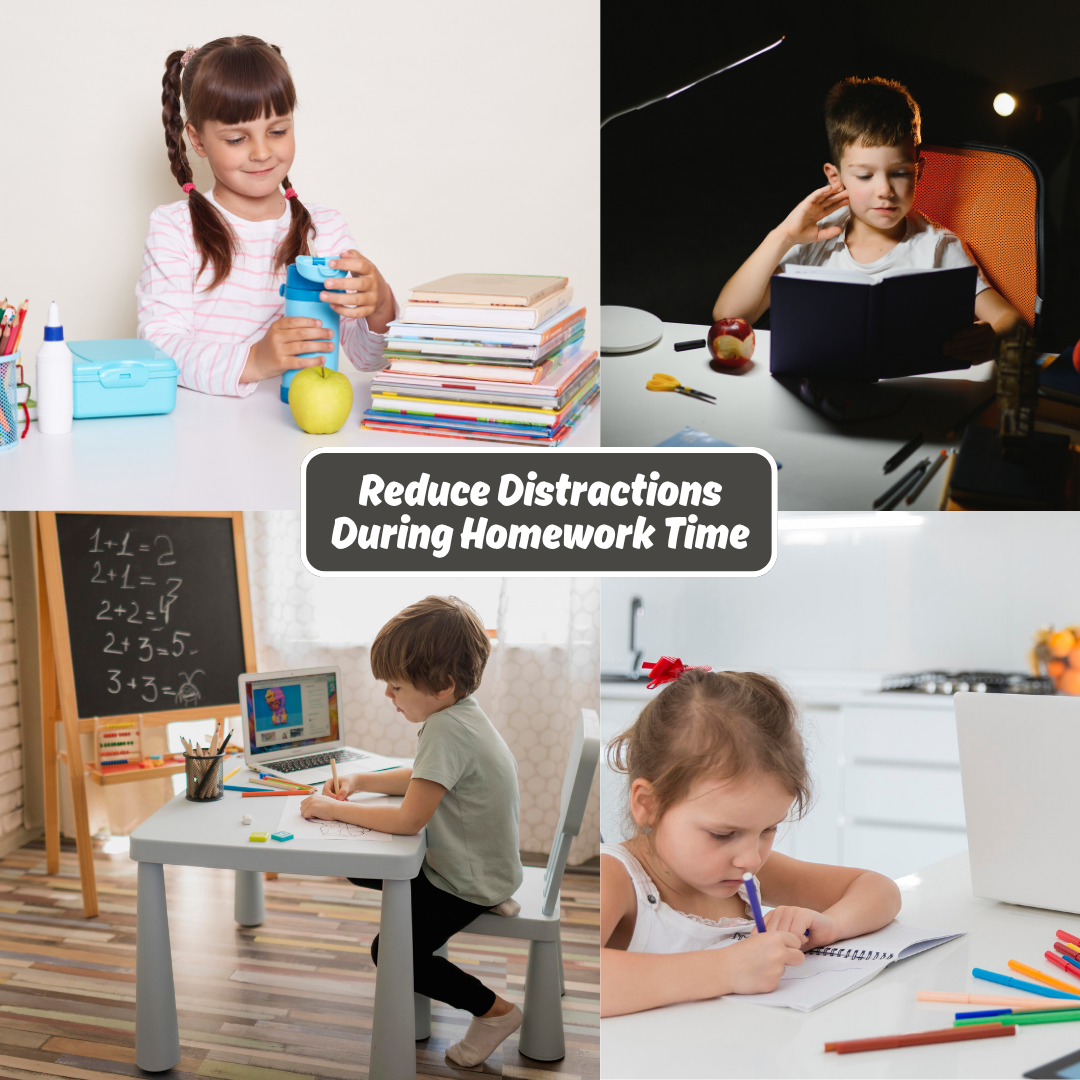
A focused homework environment helps children concentrate better and complete tasks more efficiently.
11. Create a Dedicated Study Space
Having a specific area for learning helps children mentally prepare for homework and study sessions. A consistent workspace can also reduce unnecessary distractions.
12. Limit Noise and Background Distractions
Reducing unnecessary sounds can help children maintain attention on the task at hand. A quieter environment makes it easier to process information and stay focused.
13. Keep Digital Devices Out of Reach
Removing non-essential screens helps minimise interruptions and encourages better concentration. This can prevent children from becoming distracted by notifications or entertainment.
14. Organise Learning Materials in Advance
Keeping books, stationery, and resources nearby prevents unnecessary disruptions during study time. Easy access to materials helps maintain focus and productivity.
15. Use Timed Focus Sessions with Breaks
Short periods of concentrated work followed by brief breaks can improve productivity and reduce frustration. This method helps children sustain attention without feeling exhausted.
Alongside a focused study environment, structured play can reinforce many of the same skills children need in school.
Support Focus Through Structured Play
Structured play encourages children to follow instructions, solve problems, and develop attention skills while having fun. Structured play activities also support healthy child development, which is beneficial for their overall growth and well-being.
16. Play Games That Require Turn-Taking
Taking turns teaches patience, listening skills, and the ability to remain engaged throughout an activity. These skills often transfer into classroom interactions and learning situations.
17. Encourage Puzzle and Building Activities
Construction toys and puzzles strengthen concentration, problem-solving, and persistence. They also encourage children to focus on completing tasks step by step.
18. Introduce Simple Rule-Based Games
Games with clear rules help children practise self-control and focus. During play, according to directions, can help them stay focused in other situations.
19. Participate in Group Activities
Structured group play promotes cooperation, communication, and social development. It also helps children learn how to work effectively with others.
20. Use Play to Practise Following Instructions
Activities that involve multiple steps help children strengthen listening and organisational skills. Repeated practice can improve their ability to follow directions at school.
As children experience success through structured activities, positive reinforcement can further strengthen their confidence.
Build Confidence Through Positive Reinforcement

Children with ADHD often benefit from encouragement that highlights effort, improvement, and perseverance rather than perfection.
21. Celebrate Small Achievements
Recognising progress helps children stay motivated and feel proud of their accomplishments. Small victories can inspire them to keep trying.
22. Focus on Progress Rather Than Perfection
Acknowledging improvement encourages children to keep trying, even when tasks are challenging. This approach reduces pressure and supports resilience.
23. Use Specific Praise
Clear praise helps children understand exactly what they did well and encourages repeat behaviour. Specific feedback often feels more meaningful and motivating.
24. Set Realistic and Achievable Goals
Small, attainable goals create opportunities for success and build self-belief over time. Achieving these goals can increase motivation and confidence.
25. Encourage a Growth Mindset
Teaching children that skills improve with practice helps them view mistakes as learning opportunities. This mindset can help them approach challenges with greater confidence and determination.
While encouragement boosts self-esteem, interest, and focus can be further enhanced by sensory-rich activities.
Amazing Benefits of Sensory and Hands-On Activities
Sensory experiences help children engage with their environment while supporting concentration, emotional regulation, and cognitive development.
1. Supports Memory and Information Retention:
Sensory activities engage multiple senses, helping children remember information more effectively. Improved memory often leads to greater confidence in learning.
2. Helps Children Develop Better Focus:
Hands-on tasks encourage children to concentrate on one activity for longer periods. Better focus helps children engage more effectively with learning opportunities.
3. Encourages Creativity and Imagination:
Sensory play inspires children to explore ideas, create, and think imaginatively. Creative activities also support communication and self-expression.
4. Reduces Stress and Anxiety:
Sensory experiences can help children feel calmer and more emotionally balanced. A relaxed mindset makes it easier for children to participate and learn.
5. Strengthens Fine and Gross Motor Skills:
Hands-on activities improve coordination, balance, and overall physical development. Stronger motor skills support greater independence in everyday tasks.
6. Promotes Independent Learning:
Sensory play encourages children to explore, experiment, and solve problems independently. Independent exploration helps children develop confidence and resilience.
Sensory activities become even more effective when combined with environments specifically designed to encourage active learning and movement.
How Can Children with ADHD Be Supported by Soft Play Centres?
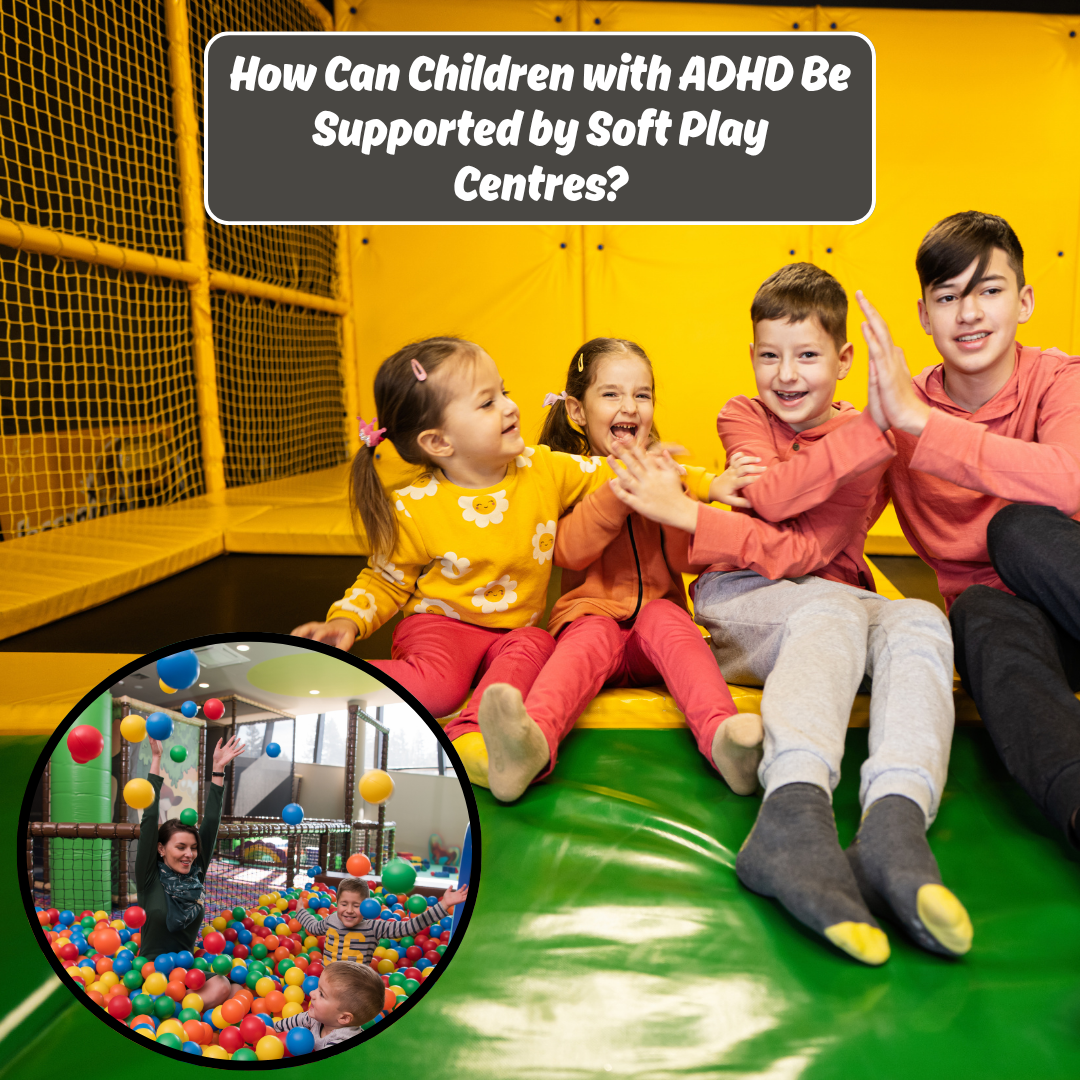
Soft play spaces like wonderland play zone provide beneficial chances for structured exploration, social growth, and physical activity.
1. Improving Emotional Regulation Through Active Play
Children with ADHD may occasionally exhibit impulsivity, frustration, or trouble controlling their emotions. Soft play activities provide a positive outlet for releasing energy and stress, helping children regulate their emotions more effectively. Regular active play can also promote a calmer and more balanced mood.
Alongside emotional development, soft play environments can help children strengthen important cognitive skills.
2. Encouraging Problem-Solving and Decision-Making
Many soft play features require children to navigate obstacles, choose routes, and adapt to new challenges. These experiences encourage critical thinking and decision-making while helping children build confidence in their abilities.
As children solve challenges independently, they also develop greater confidence in themselves.
3. Building Self-Confidence Through Achievement
Successfully climbing a structure, completing an obstacle course, or trying a new activity gives children a sense of accomplishment. These small achievements can boost self-esteem and encourage children to approach new challenges with confidence.
Confidence gained through play often translates into other areas of a child's life, including school.
4. Supporting Healthy Routine Development
Regular visits to a soft play zone in exeter can become part of a child's routine. Predictable activities and structured play sessions help children understand expectations, develop consistency, and feel more secure in their daily lives.
Consistent routines work best when children remain engaged and motivated throughout the experience.
5. Enhancing Coordination and Motor Skills
Activities such as climbing, crawling, balancing, and jumping help children develop both fine and gross motor skills. Improved coordination supports physical development and can positively impact participation in school and everyday activities.
Physical development often goes hand in hand with improved concentration and engagement.
6. Providing Sensory-Rich Experiences
Soft play zone in Newton Abbot offers a variety of textures, colours, sounds, and movement-based activities that stimulate the senses. These sensory experiences can help children with ADHD stay engaged, explore their environment, and satisfy their need for sensory input in a safe and enjoyable way.
When sensory stimulation, movement, and structured activities come together, children gain valuable opportunities to learn and grow through play.
Conclusion
Helping a child with ADHD focus better in school requires a combination of structure, encouragement, physical activity, and understanding. Consistent routines provide stability, active play helps manage energy levels, and distraction-free learning environments improve concentration. Structured play, positive reinforcement, and sensory activities further support attention, confidence, and personal growth.
Improving focus and academic performance also requires confidence. Children who believe in their abilities are often more willing to participate, try new tasks, and overcome challenges. Alongside learning strategies, parents can introduce best confidence-building activities for children, such as team games, creative projects, role-playing exercises, and group activities that encourage communication, problem-solving, and a sense of achievement.
Each child with ADHD has different strengths and difficulties. By focusing on practical strategies and creating opportunities for movement and exploration, parents can help their children develop the skills they need to succeed both inside and outside the classroom. Places like Wonderland Play offer valuable opportunities for active learning, social interaction, and confidence building, helping children grow in an enjoyable and supportive environment.
Frequently Asked Questions
-
Yes, regular physical activity can help improve concentration, attention, and emotional regulation in children with ADHD. Activities such as running, jumping, and climbing help release excess energy while supporting brain function. Active play can also help children feel calmer and more prepared for learning.
-
Create a quiet and organised study space with minimal distractions. Break homework into smaller tasks and include short breaks between study sessions. Consistent routines and positive encouragement can also help maintain focus.
-
Structured play, sensory activities, active games, and problem-solving tasks are particularly beneficial. These activities help improve attention, self-control, coordination, and social skills. They also provide opportunities for learning through fun and engagement.
-
Children can better grasp what to expect throughout the day thanks to routines, which offer structure and predictability. Consistent schedules can reduce stress, improve organisation, and support better time management. They also make transitions between activities easier.
-
Yes, soft play centres provide safe environments where children can stay active, explore, and interact with others. Physical challenges and structured activities help develop focus, coordination, and problem-solving skills. They also encourage social development and confidence-building.
-
Parents can build confidence by recognising effort, celebrating achievements, and offering positive feedback. Focusing on progress rather than perfection helps children develop resilience and self-belief. Encouraging them to try new activities can also strengthen their confidence over time.